Introduction

Chl Fluorescence & P700 Absorbance

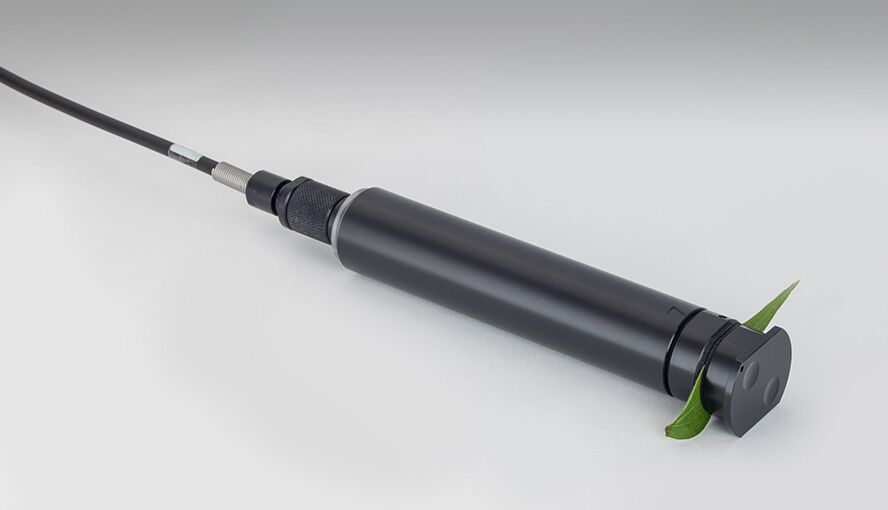
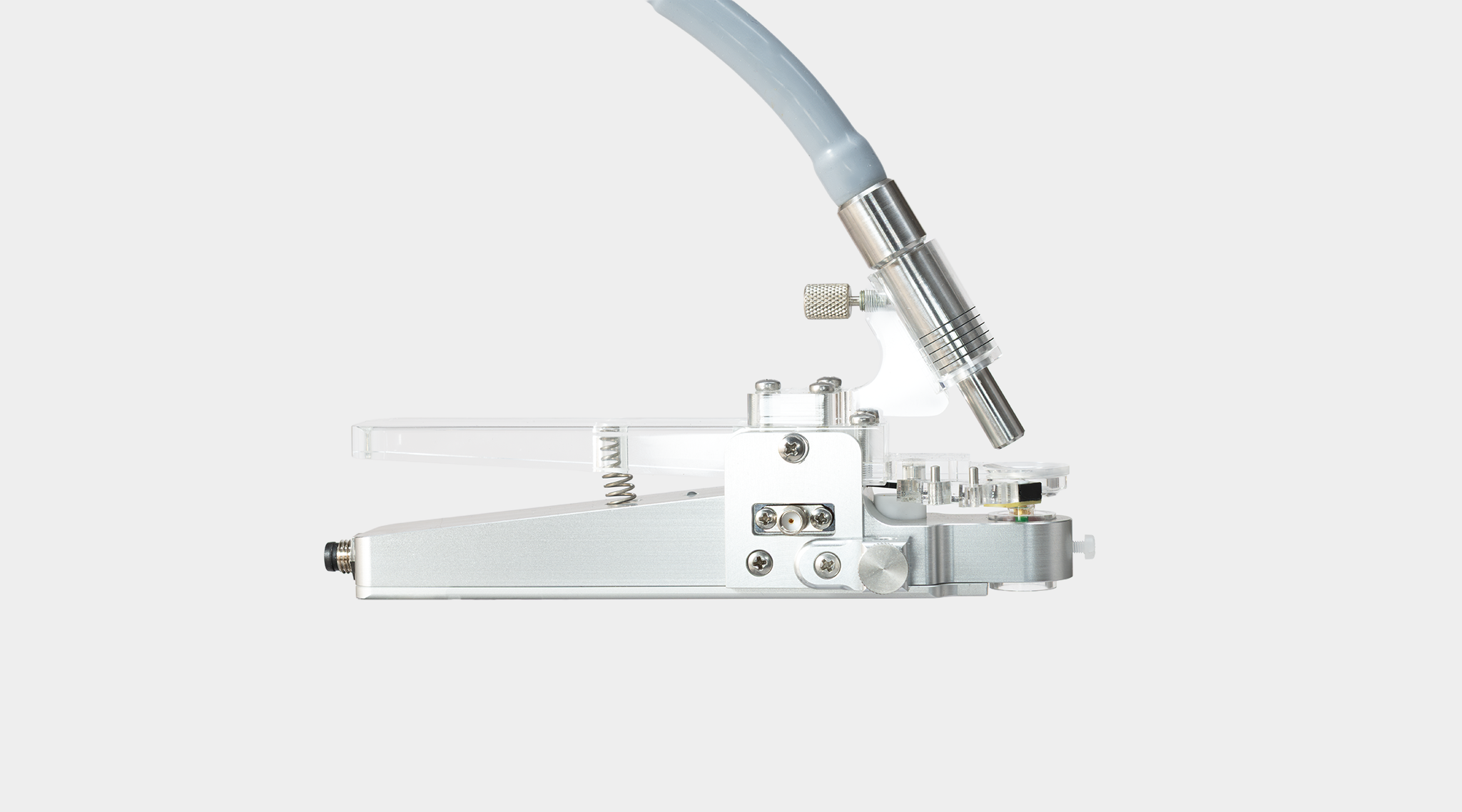
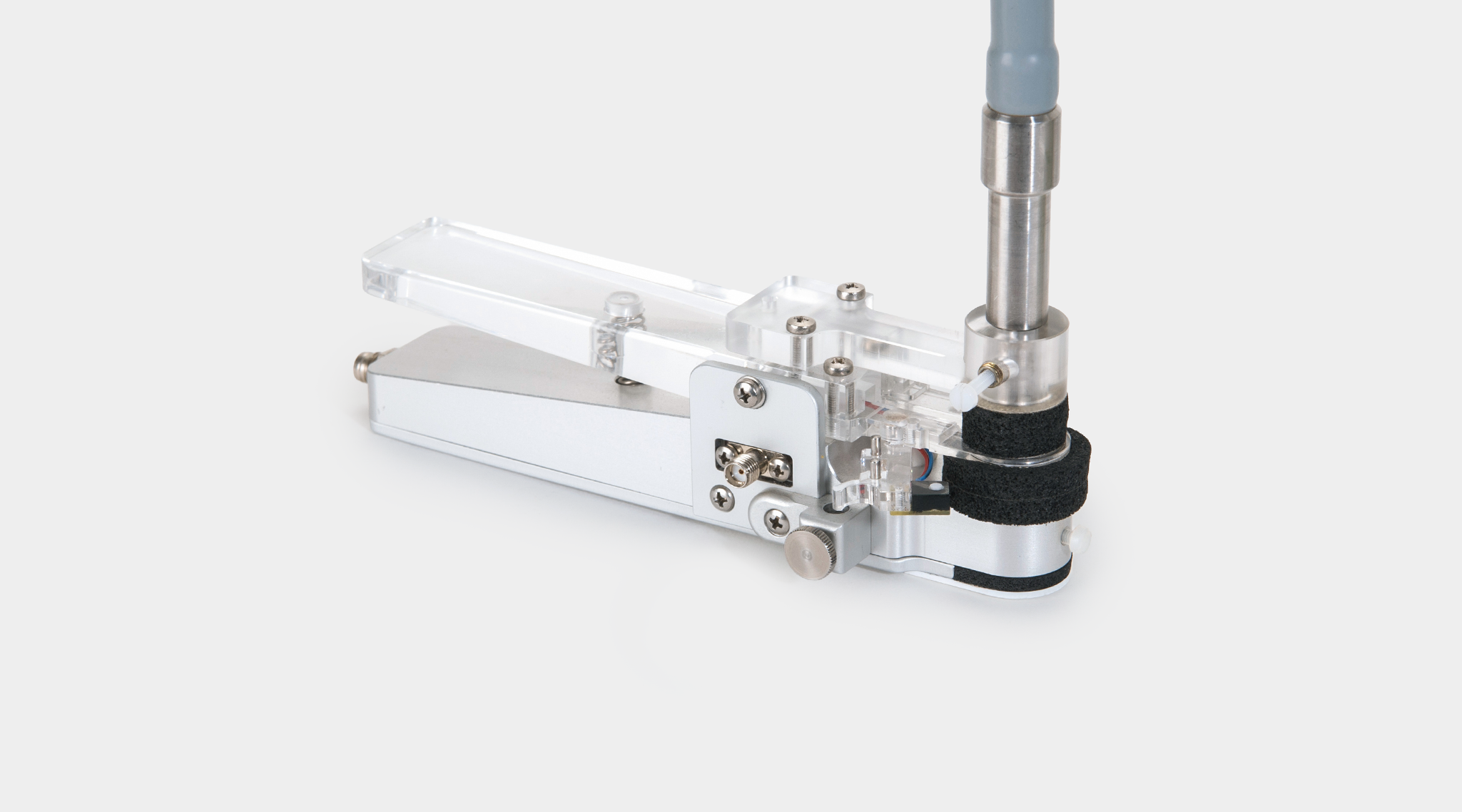
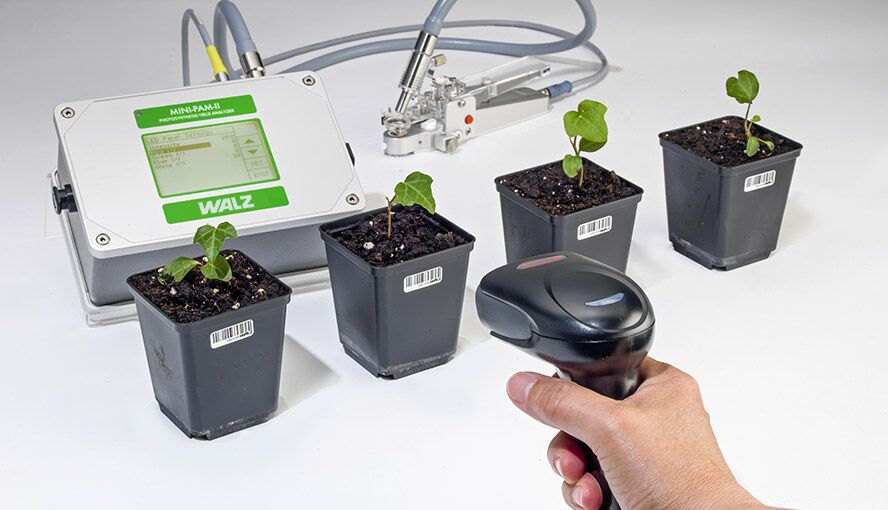
Since the introduction of our first chlorophyll fluorometer in 1985, PAM fluorometers manufactured by the Heinz Walz GmbH have become a standard in basic and applied photosynthesis research.

Walz PAM fluorometers have contributed decisively to progress in photosynthesis research as well as plant eco- and stress-physiology. These contributions are documented in countless publications in numerous scientific journals and books.

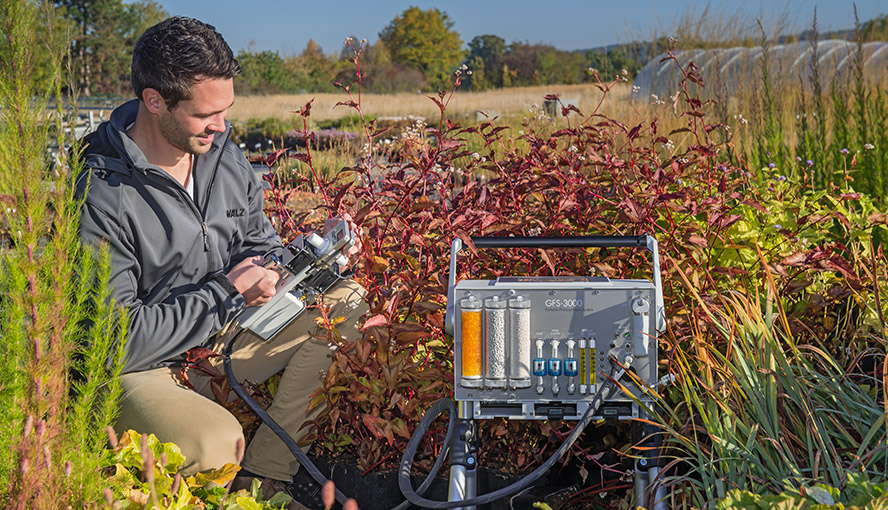
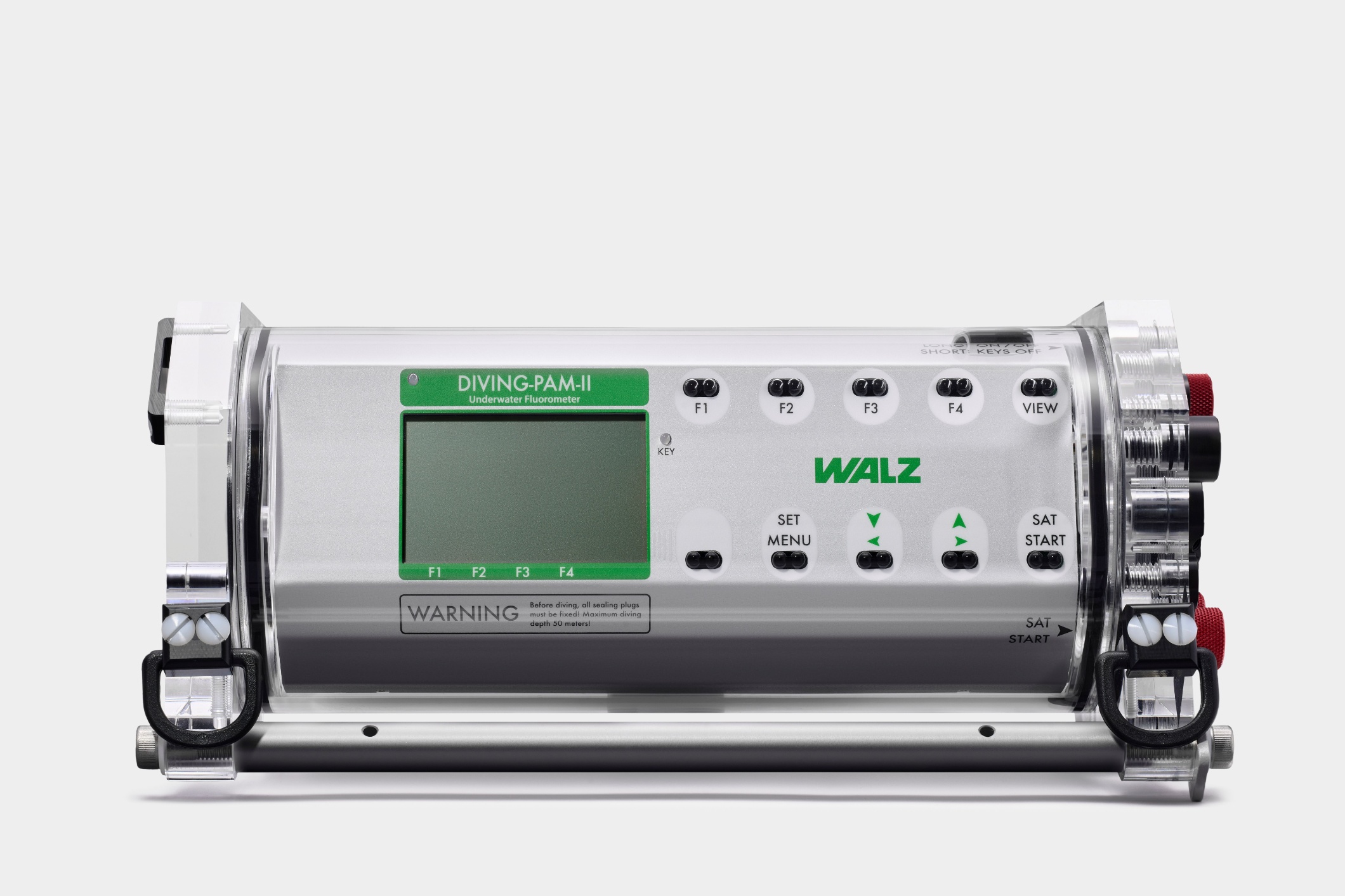
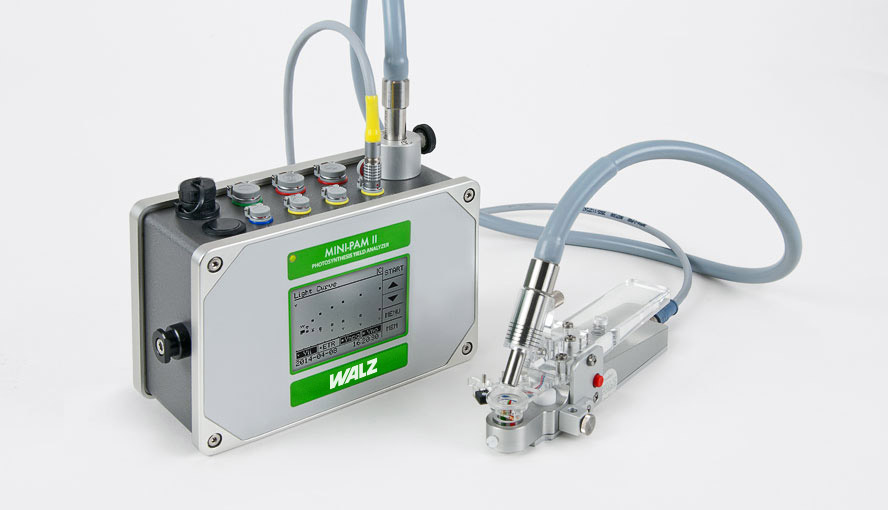
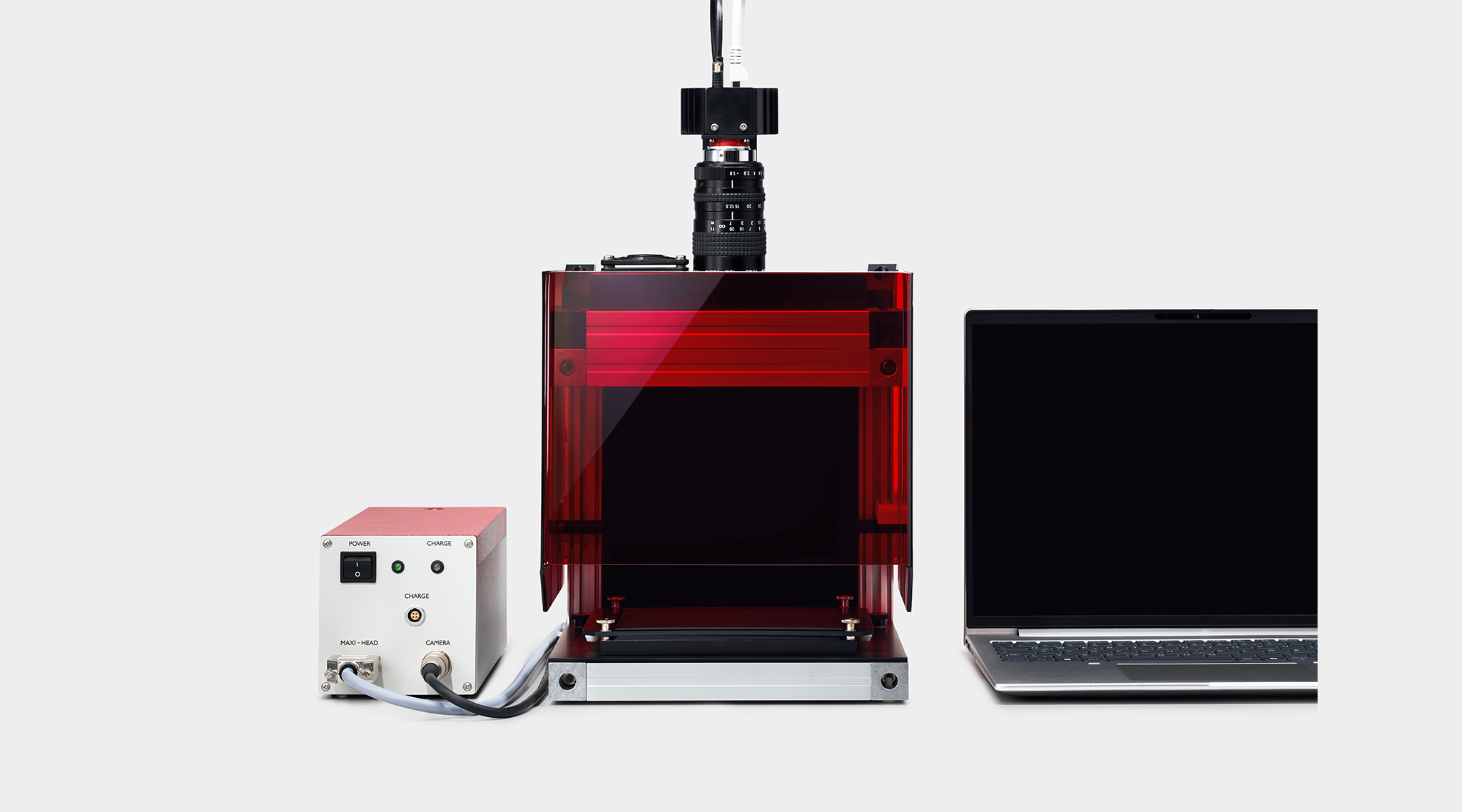
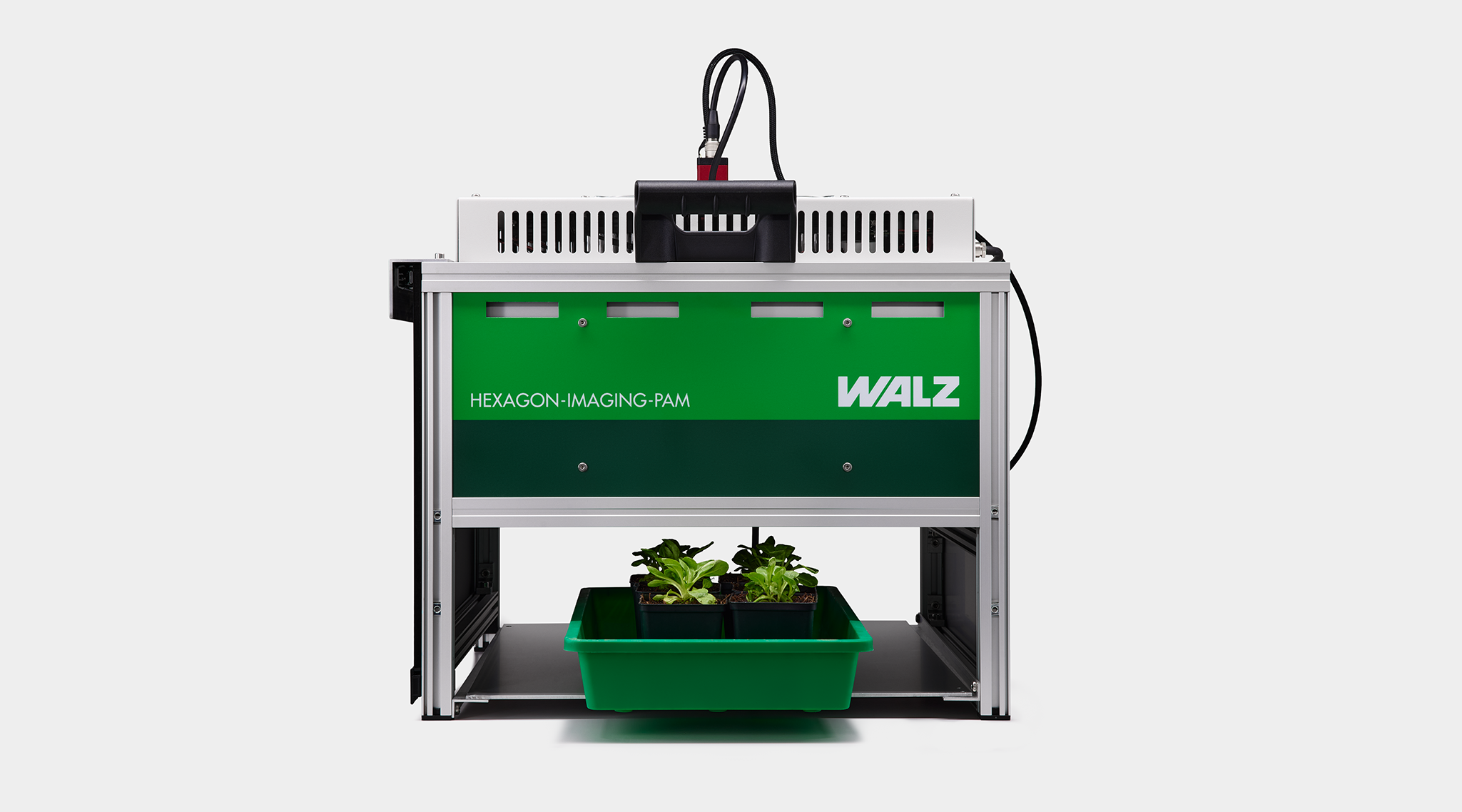
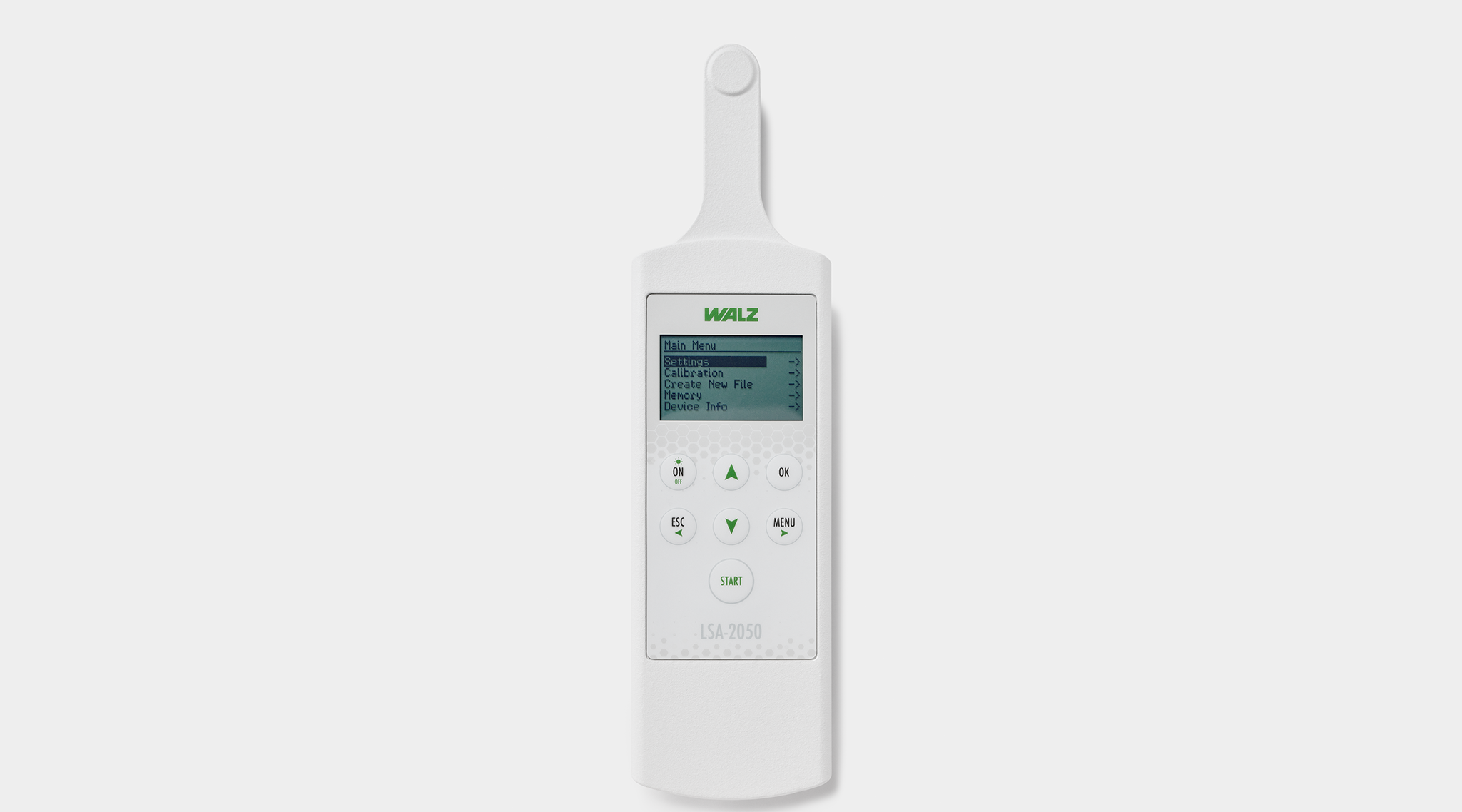
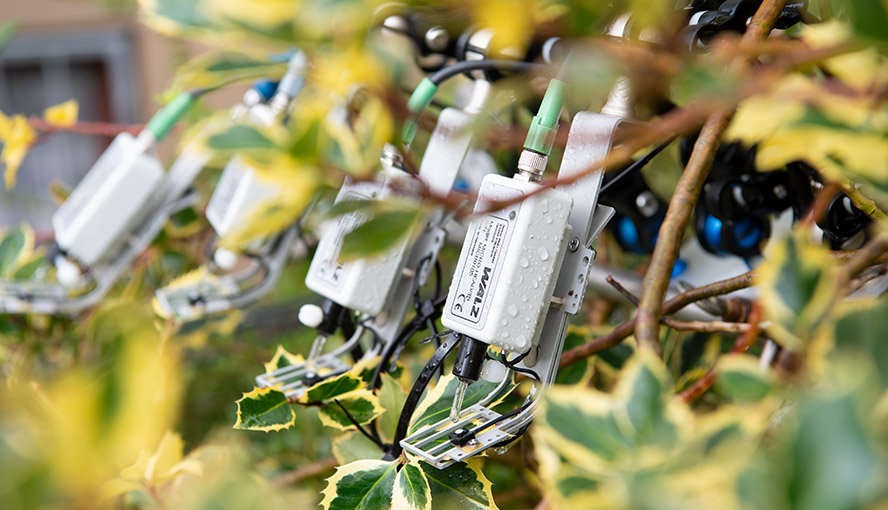
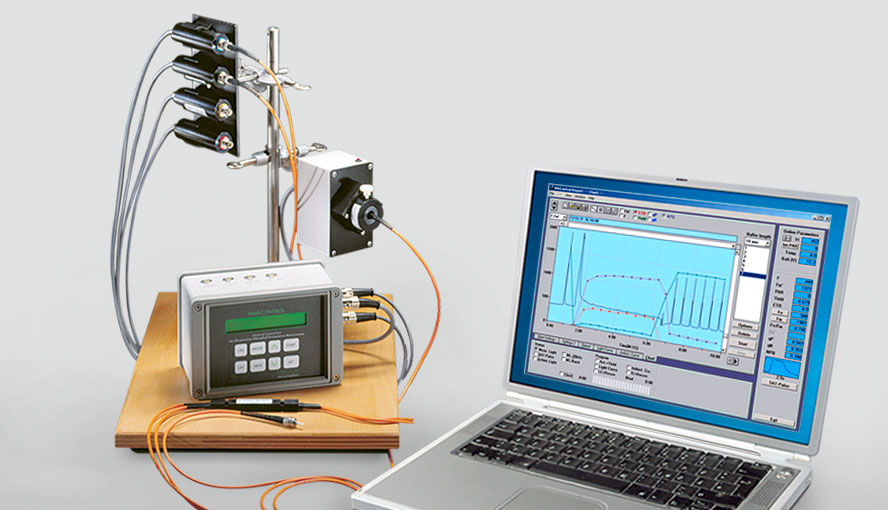
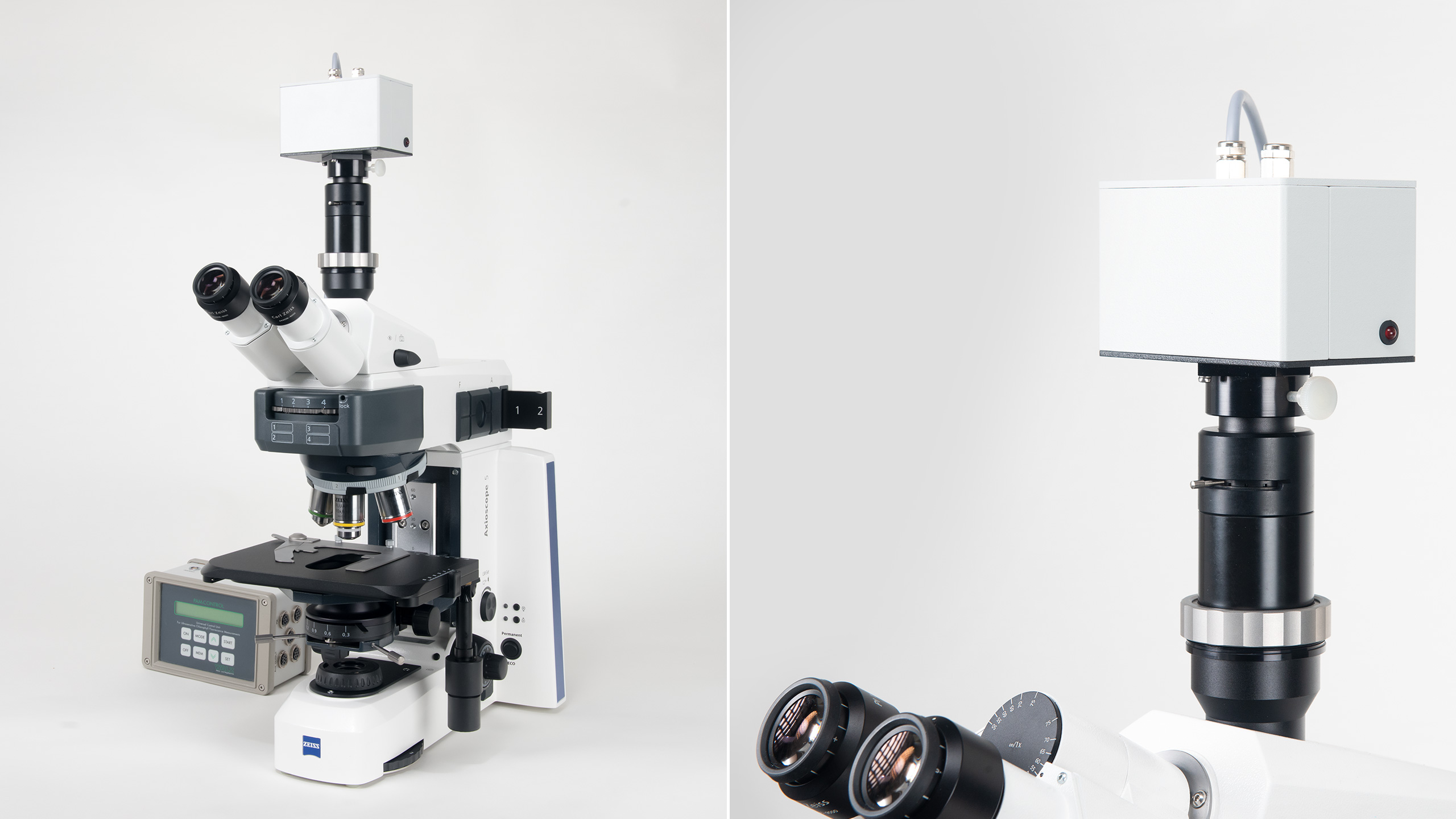
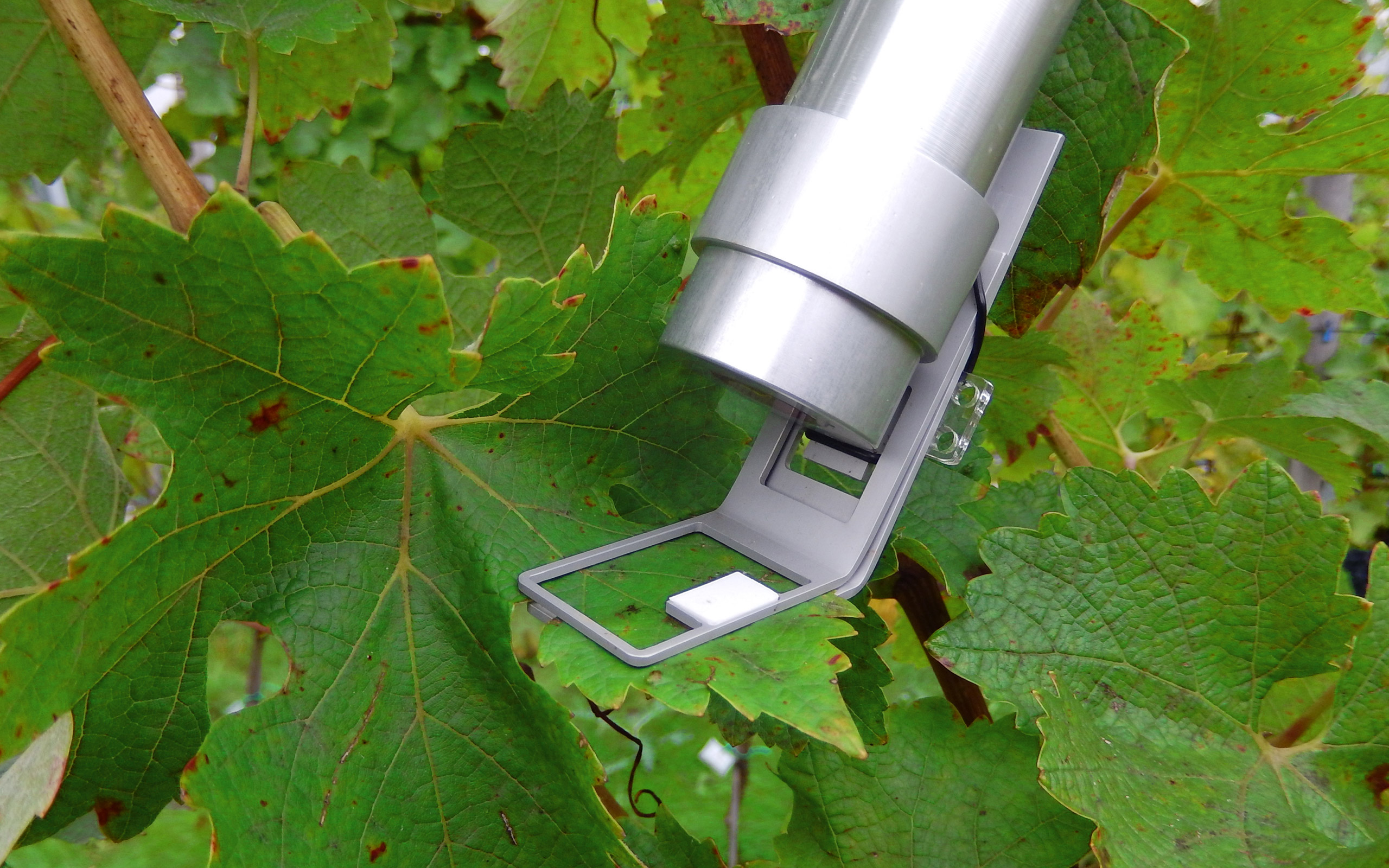
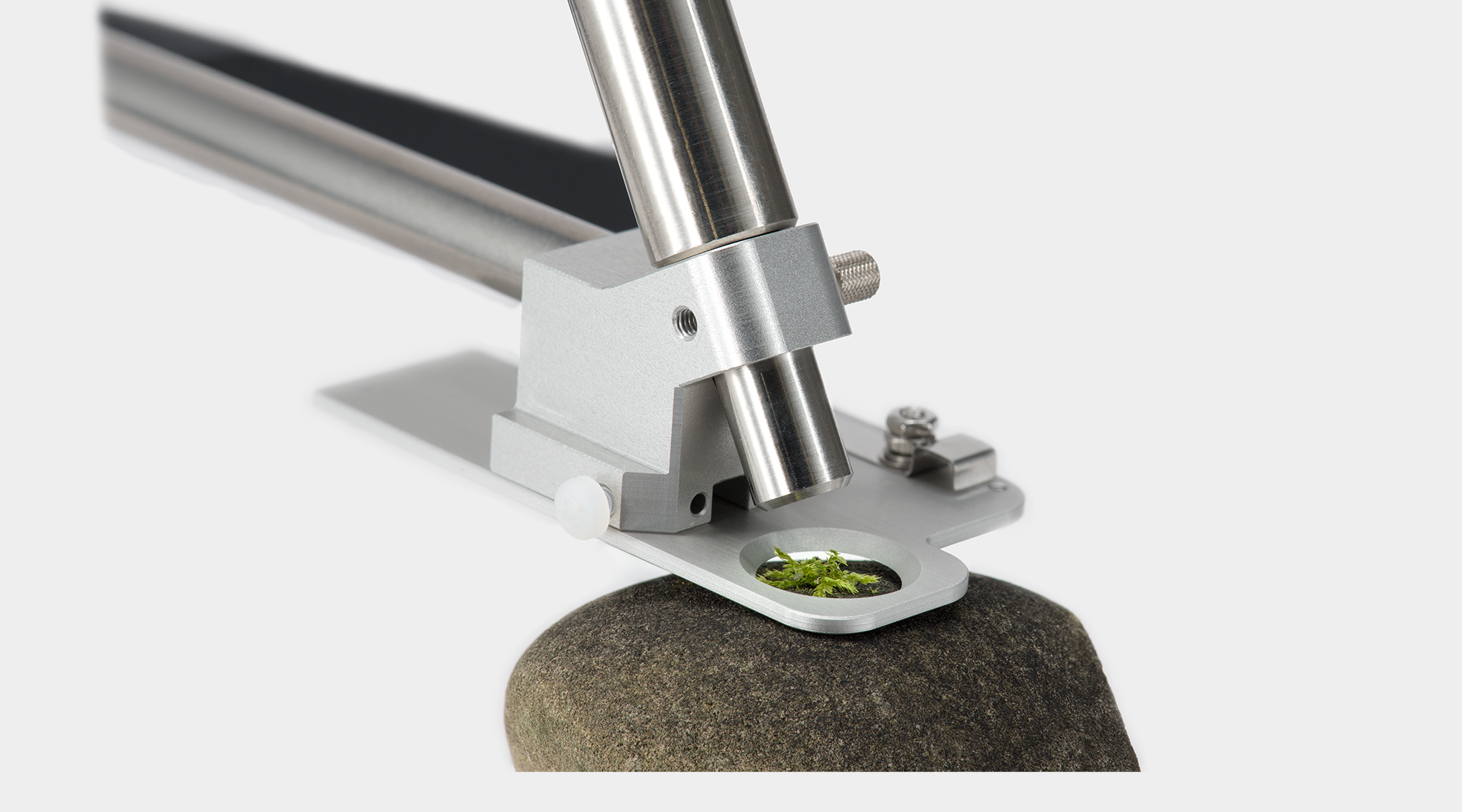
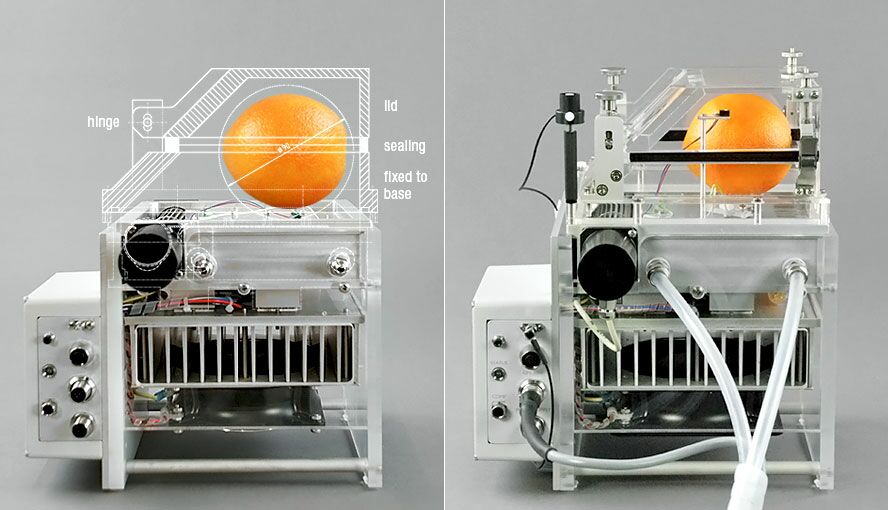
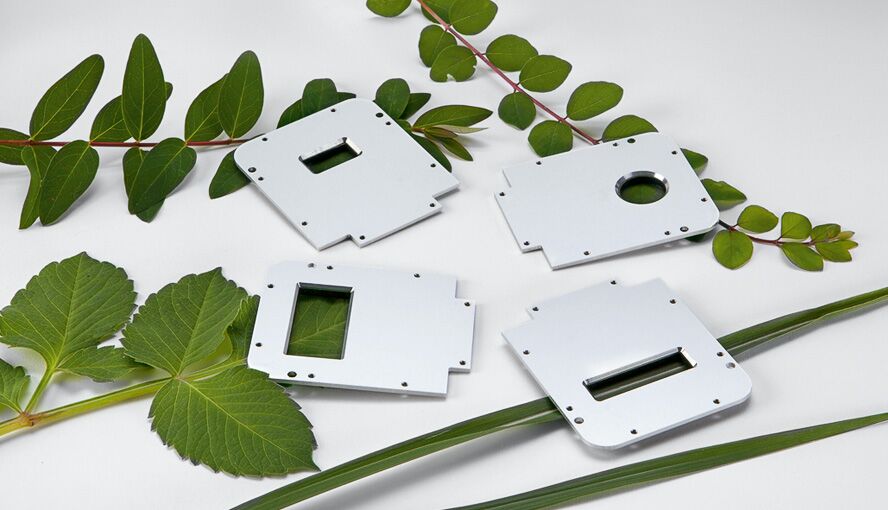
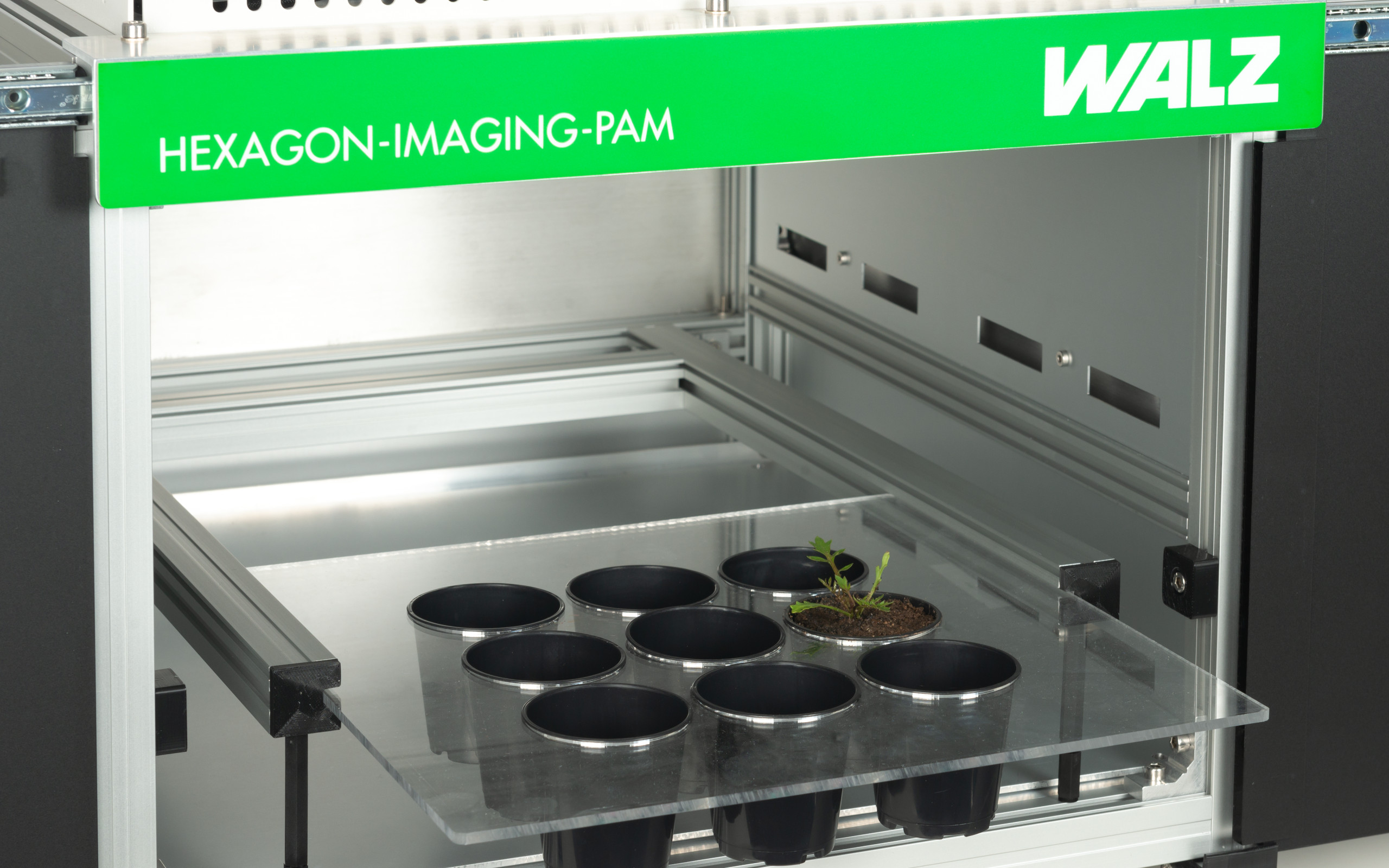
Meanwhile, a large family of PAM fluorometers for many different applications has evolved. PAM fluorometers are applied for measurements of photosynthetic parameters of plants in terrestrial as well as aquatic environments. They provide detailed information from the level of whole leaves down to single cells and chloroplasts.
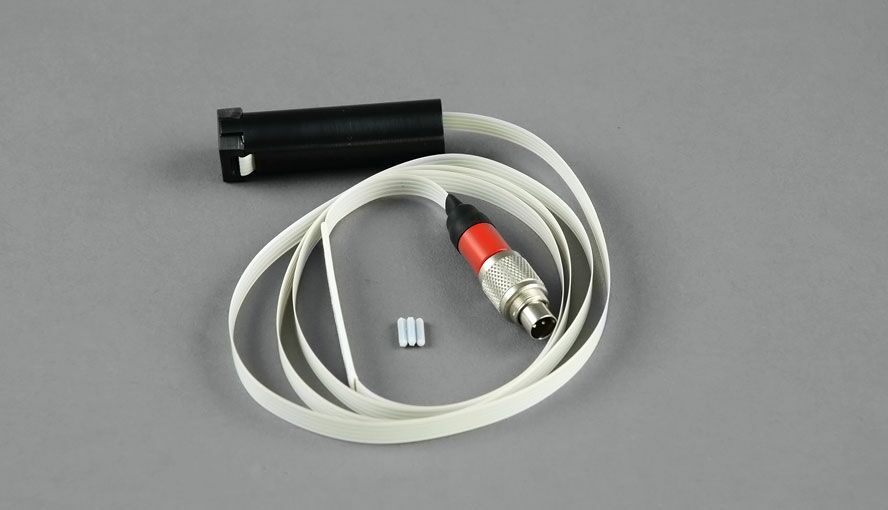
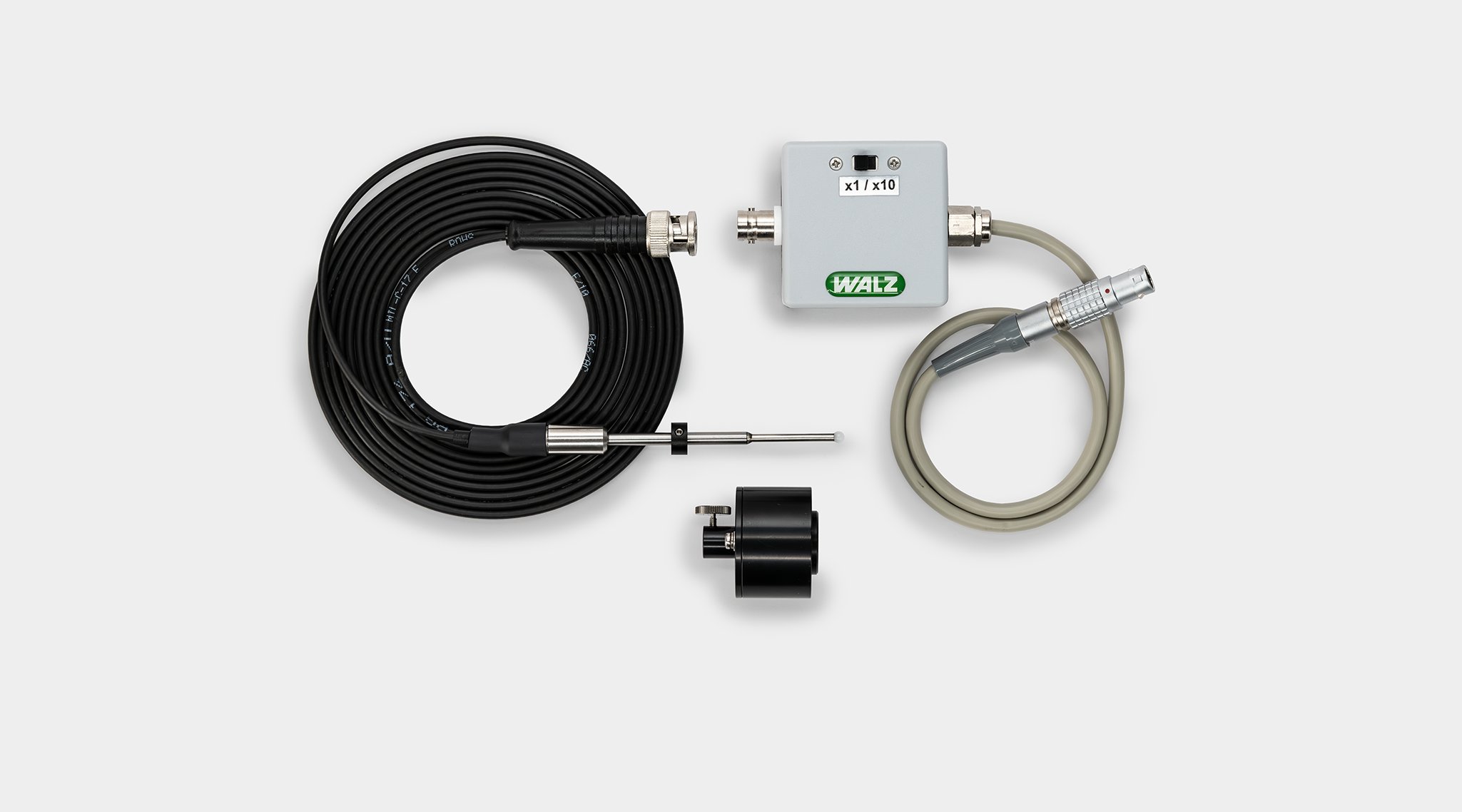
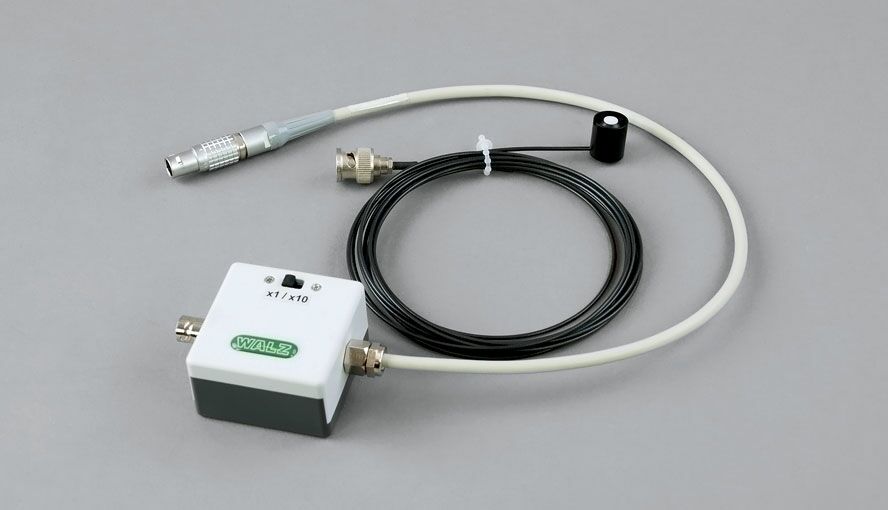
All of these instruments employ the “Pulse-Amplitude-Modulation” (PAM) measuring principle, which is unique in providing a highly selective measure of the relative chlorophyll fluorescence quantum yield. In conjunction with the “Saturation Pulse Method”, PAM fluorometers allow rapid assessment of photosynthetic energy conversion, wherever this takes place, in the field, greenhouse or laboratory.
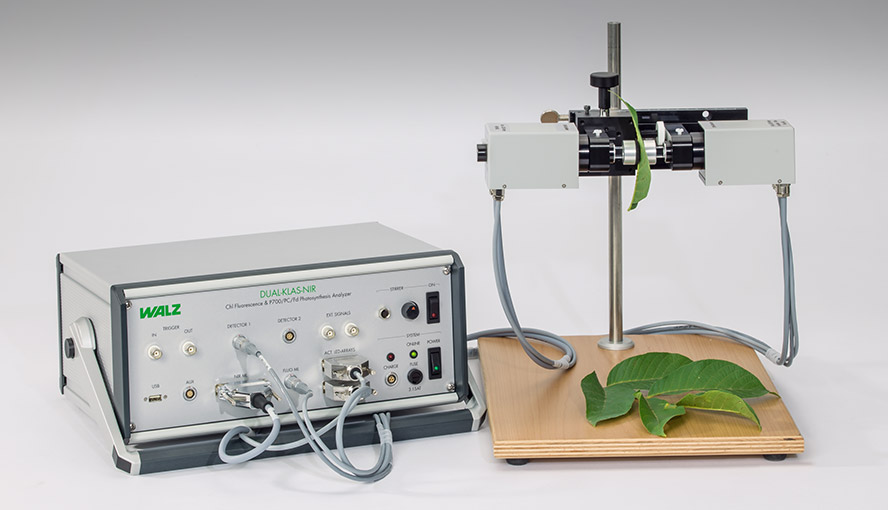
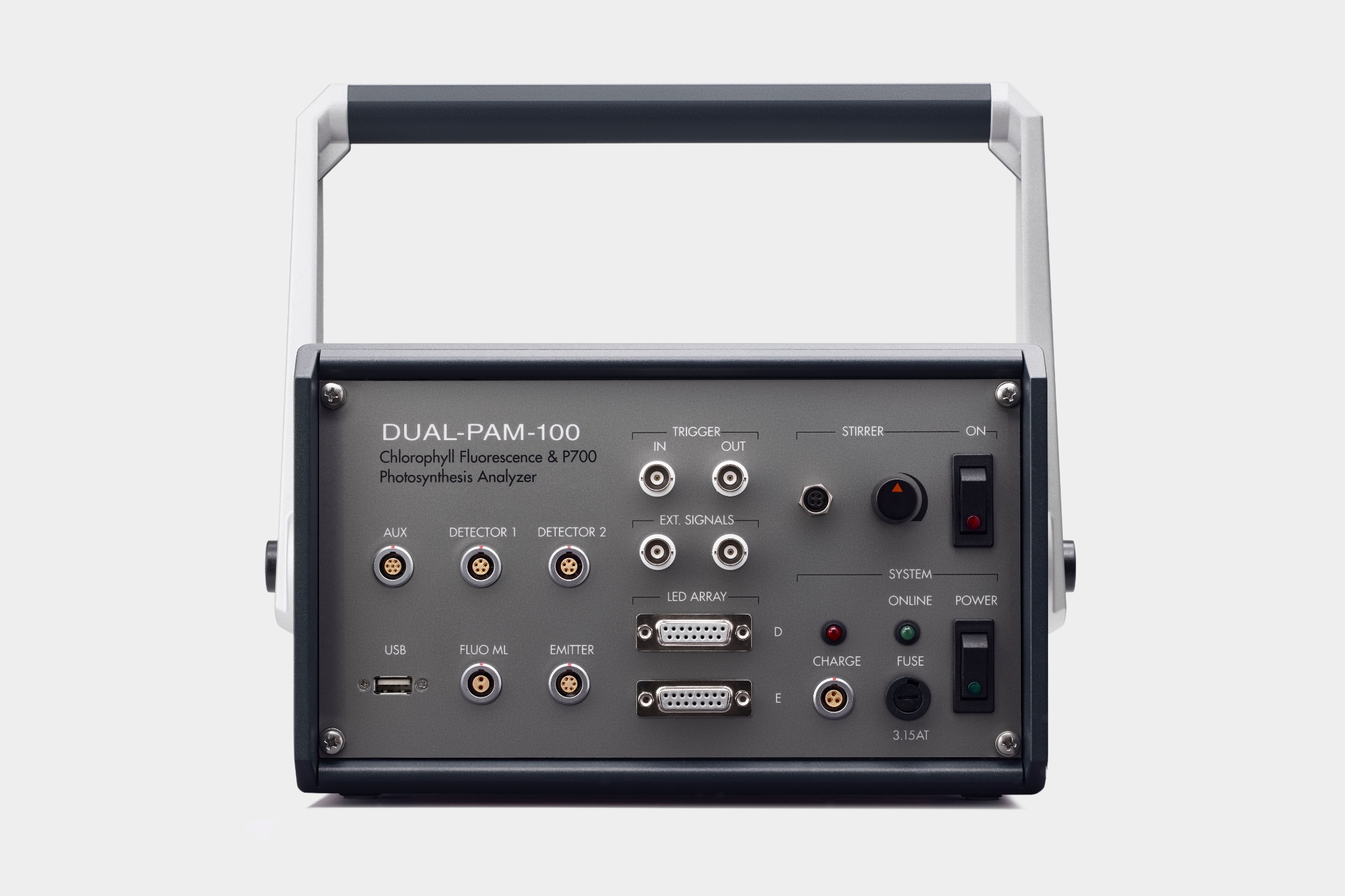
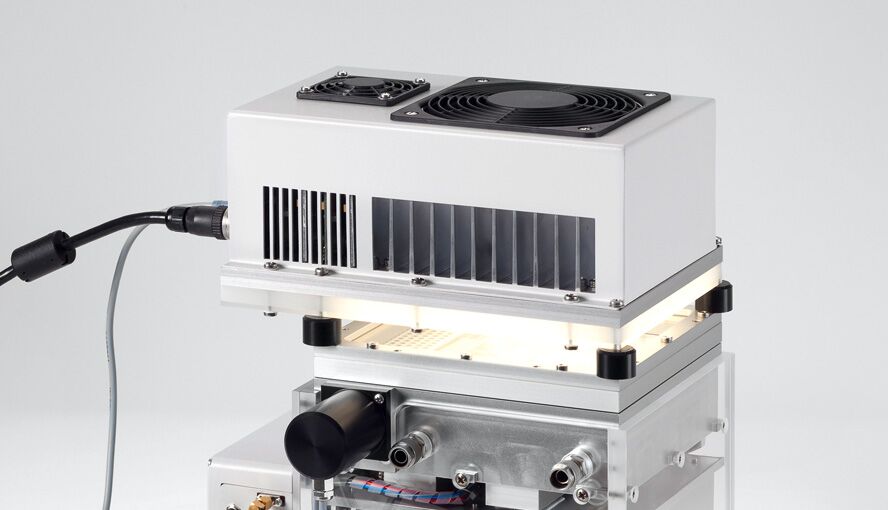
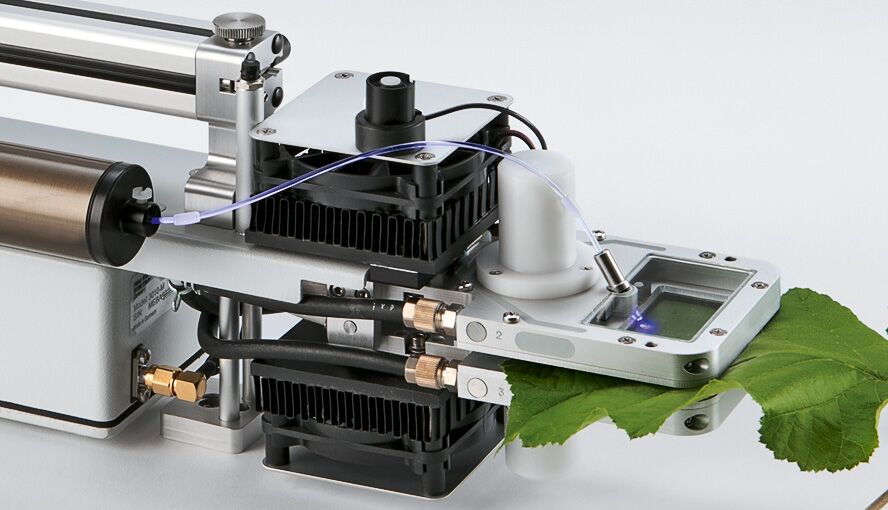
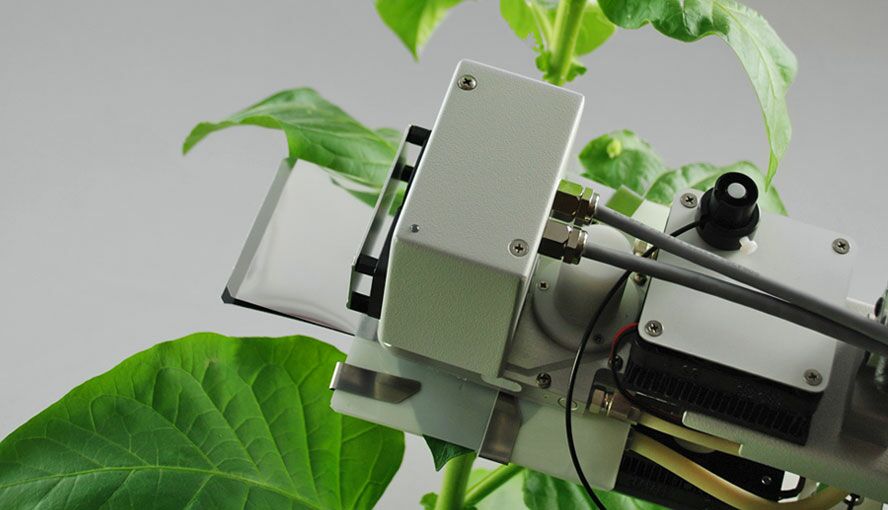
The most recent member of the PAM family, the P700 & Fluorescence Measuring System DUAL-PAM-100, stands for the beginning of a new generation of extremely versatile and powerful instruments.

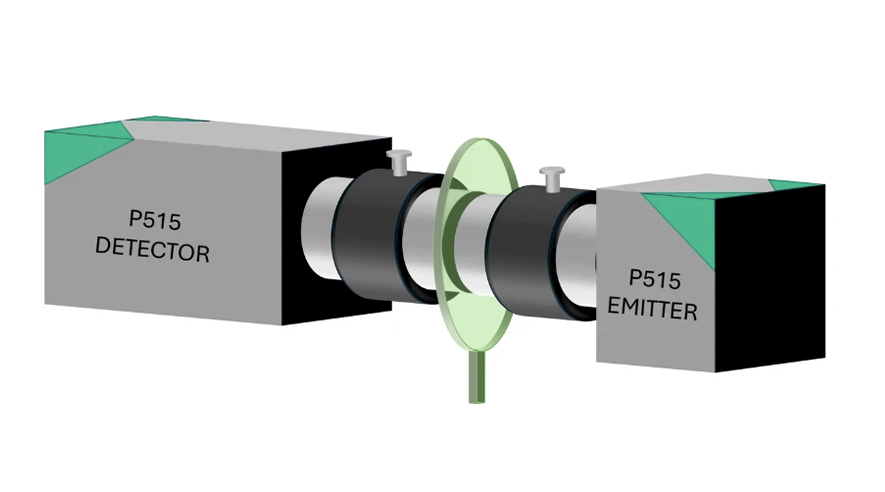
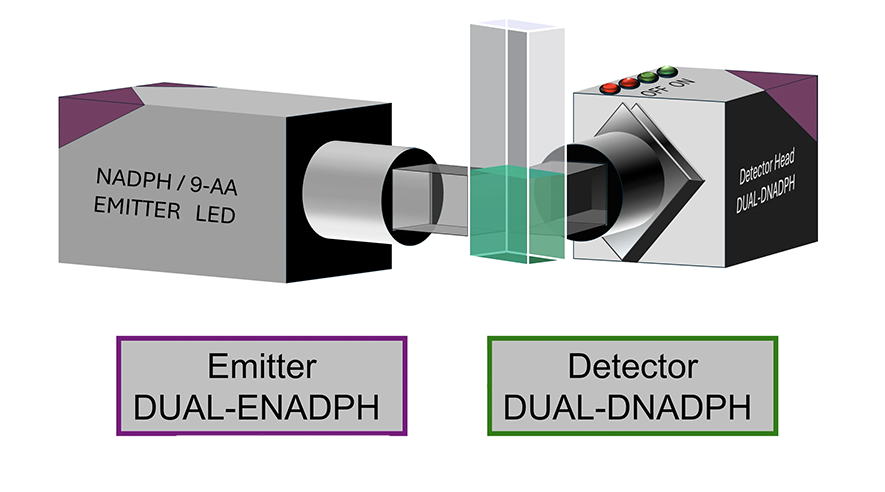
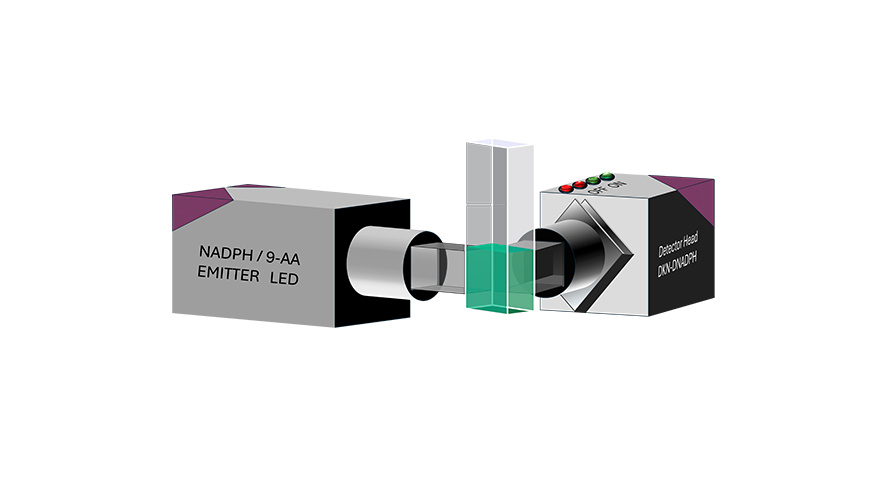
Based on the original “Pulse-Amplitude-Modulation” (PAM) measuring principle, these instruments provide a second signal channel for measuring other photosynthesis parameters (like P700, P515 or NADPH) in parallel with Chl fluorescence. This opens the way for a deepened analysis of photosynthetic performance.

Systems