IMAGING-PAM (SEO)
Version:
Chlorophyll Fluorescence System
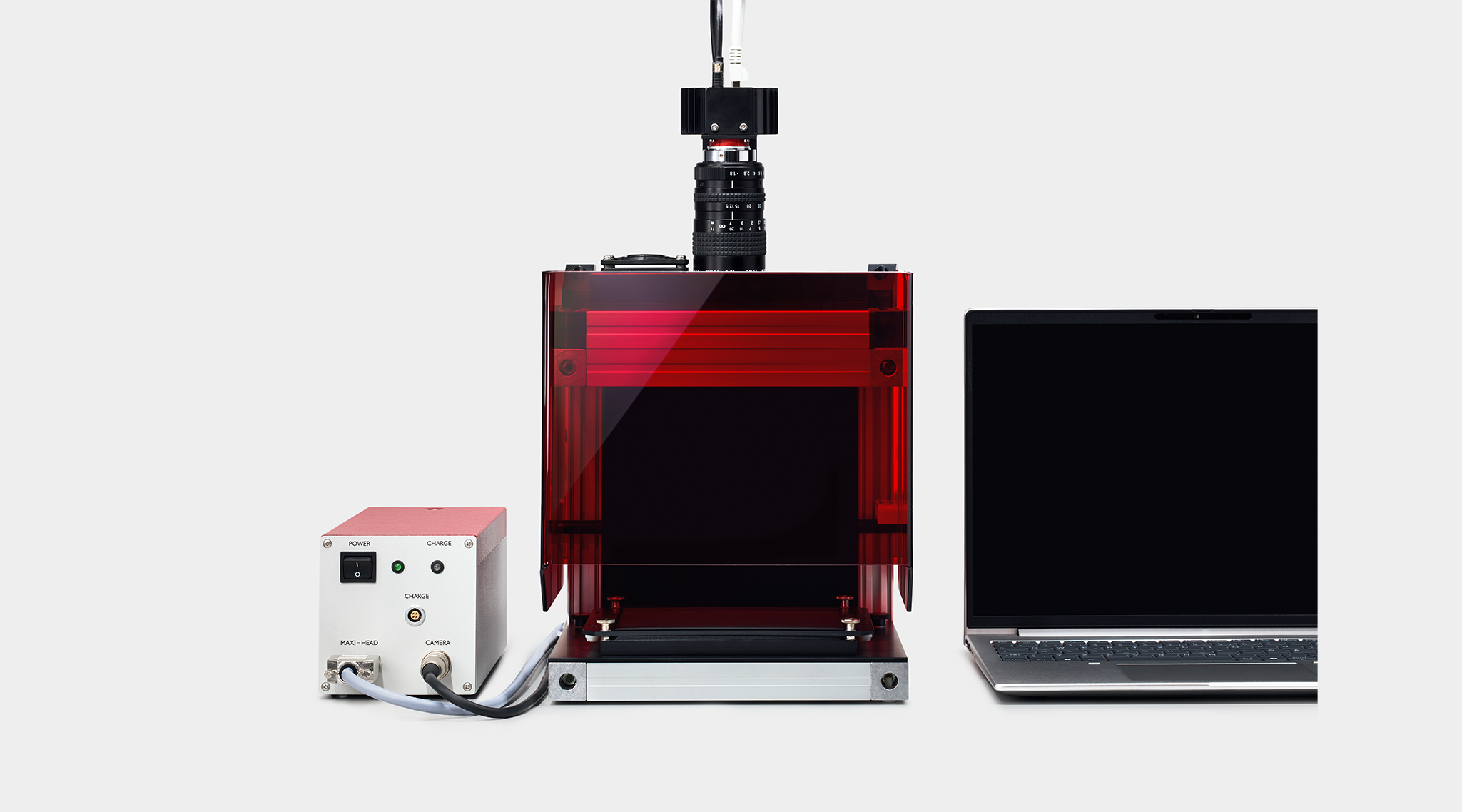
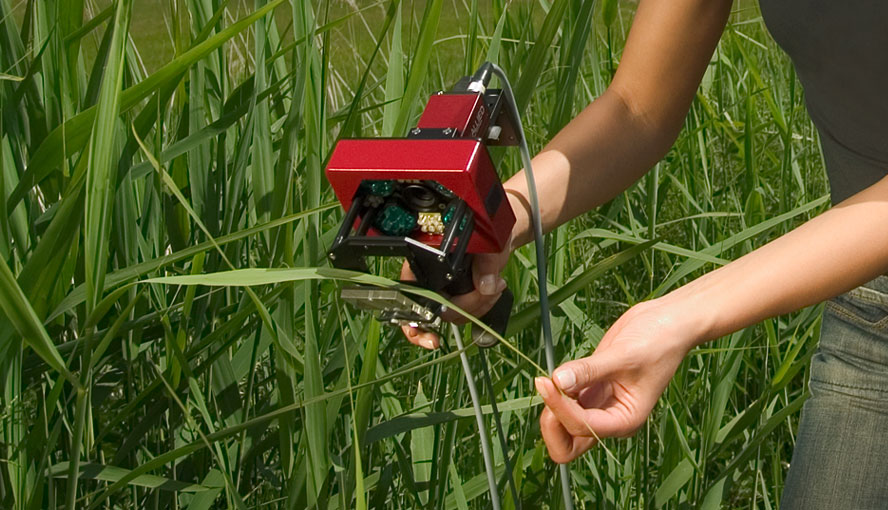
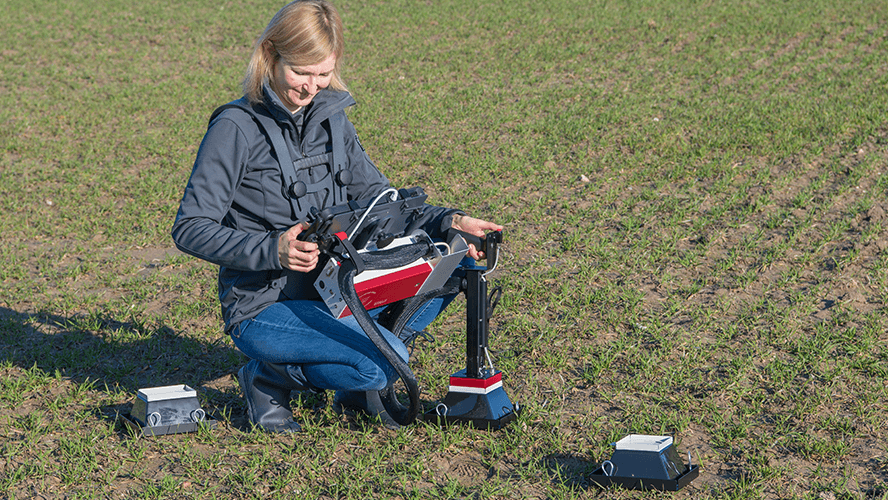
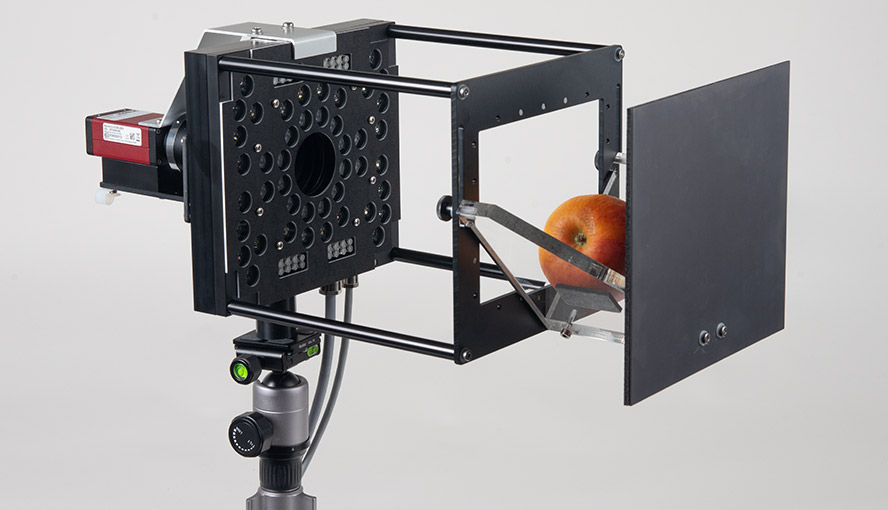
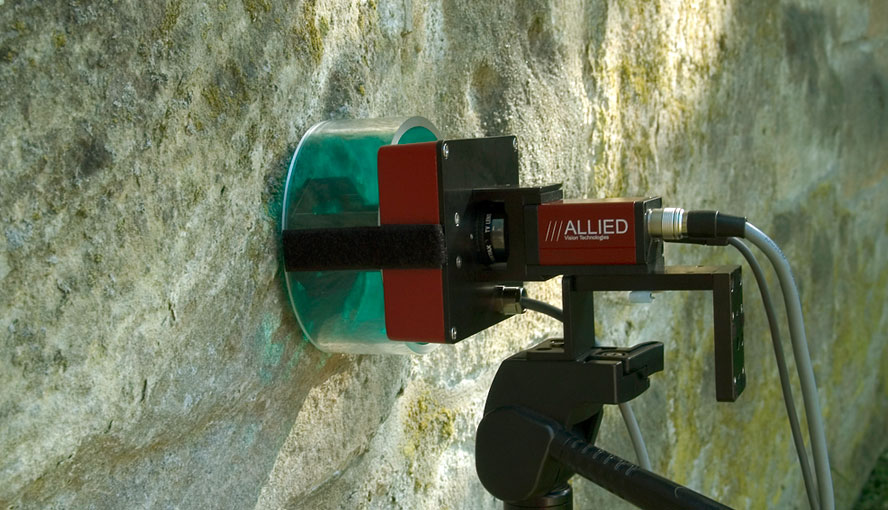
What is the IMAGING-PAM?
IMAGING-PAM instruments are high-performance chlorophyll fluorescence imaging systems designed for the spatial analysis of photosynthetic activity. They enable the precise measurement of the photosynthetic efficiency and physiological state of all photosynthetically active organisms, including higher plants, mosses, ferns, various types of algae, phytoplankton, and biofilms.
How does the IMAGING-PAM work?
IMAGING-PAM instruments use modulated light to reliably measure photosynthetic activity by exciting chlorophyll fluorescence, even in the presence of ambient light. A sensitive camera records this fluorescence across the entire sample, creating images in which each pixel reflects the local photosynthetic performance. By applying controlled light pulses, key parameters such as PSII efficiency and non-photochemical quenching can be derived, revealing spatial differences within leaves or between samples.
Why Choose IMAGING-PAM from WALZ?
Choosing the IMAGING-PAM from WALZ means benefiting from decades of expertise. The system is designed to deliver highly uniform illumination across the entire sample area, minimising heat development and ensuring reliable, non-invasive measurements, even during longer experiments. Combined with sensitive detection and robust hardware, it enables the accurate and reproducible imaging of photosynthetic performance. A range of system variants are also available to match different applications, from compact setups to high-throughput phenotyping, making the IMAGING-PAM a flexible solution trusted by experts worldwide.
General Features IMAGING-PAM M-Series
The IMAGING-PAM M-Series offers a broad range of configurations tailored to different research applications. The MAXI, MINI, and MICROSCOPY versions are available with various optical geometries and excitation wavelengths, ensuring optimal performance across diverse sample types. While blue excitation light is typically used for fluorescence imaging in higher plants and algae, red–orange excitation is recommended for cyanobacteria to maximize signal quality.
All measuring heads can be equipped with specialized LEDs and dedicated filter sets for imaging fluorescence from reporter molecules such as GFP. The use of high-performance power LEDs enables actinic light intensities of up to 5000 μmol m⁻² s⁻¹ (depending on the specific M-Series model and configuration), allowing precise simulation of high-light stress and dynamic illumination conditions.
The systems also support measurements under continuous ambient light, making them suitable for field-like conditions or experiments where natural illumination is required. For PSII fluorescence measurements under such ambient light settings, IMAGING-PAM devices can communicate directly with the Universal Light Meter ULM-500, enabling real-time ambient light values to be automatically integrated into the IMAGING-PAM report file.
For measurements involving liquid suspensions, additional filter plates are available to improve image quality even when workingthrough reflective surfaces. To support combined measurement techniques, such as simultaneous PSII imaging and gas-exchange analysis, dedicated adapters are available. These accessories allow researchers to integrate PSII imaging within controlled environmental conditions or pair it with complementary methods like gas exchange, expanding experimental flexibility and enabling truly comprehensive photosynthesis research.
Configurations of the MAXI, MINI and MICROSCOPY Versions
| IMAGING-PAM M-Series | ||||||||
|---|---|---|---|---|---|---|---|---|
| MAXI | MINI | MICROSCOPY | ||||||
| Multi Control Unit | IMAG-CG | |||||||
| Measuring Head | IMAG-MAX/L (blue) |
IMAG-MAX/LR (red) |
IMAG-MIN/B (blue) |
IMAG-MIN/R (red) |
IMAG-MIN/GFP (GFP) |
IMAG-L470M5 | IMAG-L625M5 | IMAG-RGB |
| CCD Camera & Lenses | IMAG-K9 K9-MAX / K9-MAX/Z |
IMAG-K9 K9-MIN |
IMAG-K6 K6-MIN + FS |
IMAG-K6 | ||||
| Camera Mount | K9-MAX/M | K9-MIN/M or K6-MIN/M | — | |||||
| Microscope | — | — | IMAG-AXIOSCOPE 5 | |||||
| Mounting | MAX/GS · MAX/B · ST-101 · HF | MIN/BK · MIN/ST · IMAG-S | — | |||||
| Computer | IMAG-PC | |||||||
| Optional | IMAG-MAX/F | included | ST-1010 | AX-REF modules | ||||
| System Combination | IMAG-MAX/GWK1 | IMAG-MIN/GFS | — | |||||