LSA-2050 (SEO)
Version:
LEAF-STATE-ANALYZER LSA-2050
What is the LSA-2050?
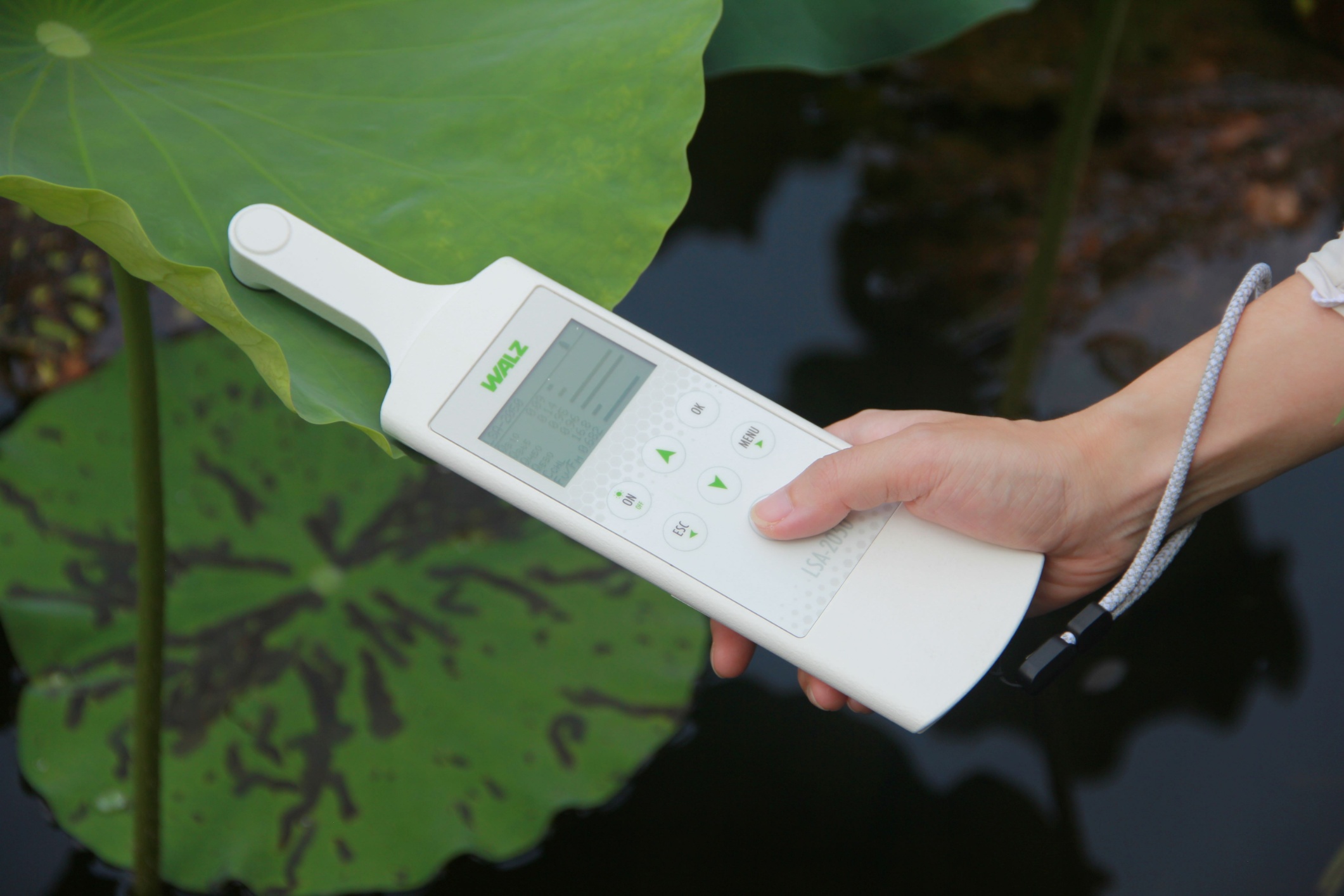
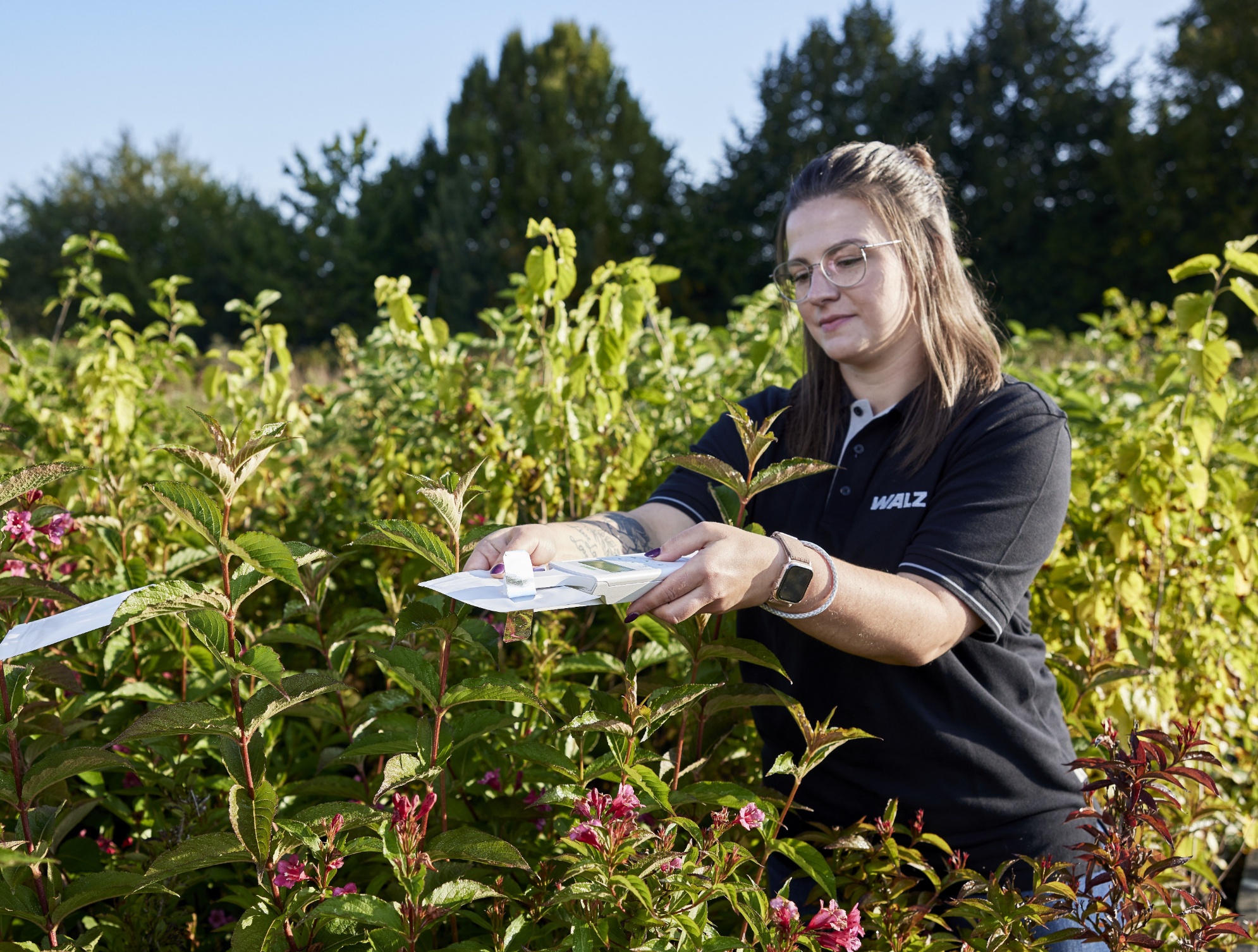
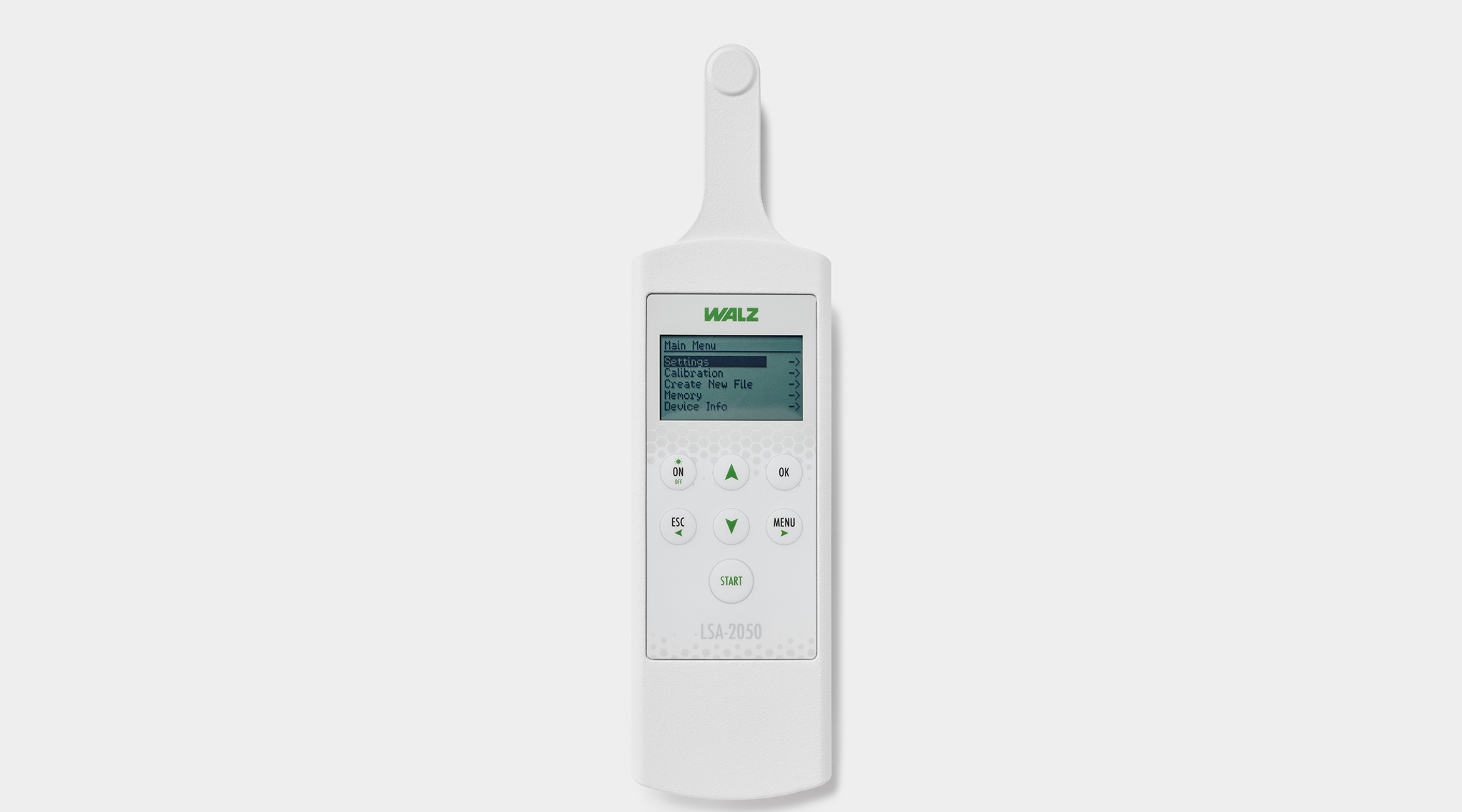
The LSA-2050 is a portable, non-destructive optical instrument for rapid assessment of leaf physiological status. It combines chlorophyll measurement, pulse-amplitude modulated (PAM) fluorescence analysis, and spectral screening assessment in a single handheld device. It delivers comprehensive information on a plant within seconds.
Who is it for?
The LSA-2050 is designed for plant physiologists, ecophysiologists, agricultural researchers, and environmental scientists who require fast and reliable data in the field or laboratory. It enables high-throughput plant screening under controlled conditions as well as in natural environments. The instrument is particularly valuable for rapid physiological screening of crops and research plants.
What does the LSA-2050 measure?
- Chlorophyll Content
Chlorophyll concentration is determined optically via leaf transmittance at defined wavelengths, following the Cerovic method. This rapid approach quantifies relative chlorophyll levels without extraction or sample preparation. It provides a direct indicator of photosynthetic capacity and nitrogen-related changes.
- Maximum Quantum Yield of PSII
Using the saturation pulse method of PAM fluorometry, the instrument measures the maximum photochemical efficiency of Photosystem II after dark adaptation (FV/FM). FV/FM is a widely established indicator of photoinhibition and plant stress. It enables sensitive detection of physiological disturbances.
- Radiation Screening Parameters
By comparing fluorescence excitation under UV and visible light, the LSA-2050 quantifies epidermal screening by UV-absorbing compounds. Distinct excitation wavebands target specific pigment groups, including hydroxycinnamic acids (UV-B) and flavonoids (UV-A), carotenoids (blue), and anthocyanins (green). This allows assessment of protective pigment accumulation and light acclimation.
- Nitrogen Balance Index (NBI)
The Nitrogen Balance Index (NBI) is widely used in crop science for nitrogen management and fertilization monitoring and is an important indicator of crop growth. The NBI is calculated as the ratio of chlorophyll content to flavonoid-based UV screening. It serves as a robust indicator of nitrogen status and allocation within the leaf.
- Pigment Changes During Fruit Ripening
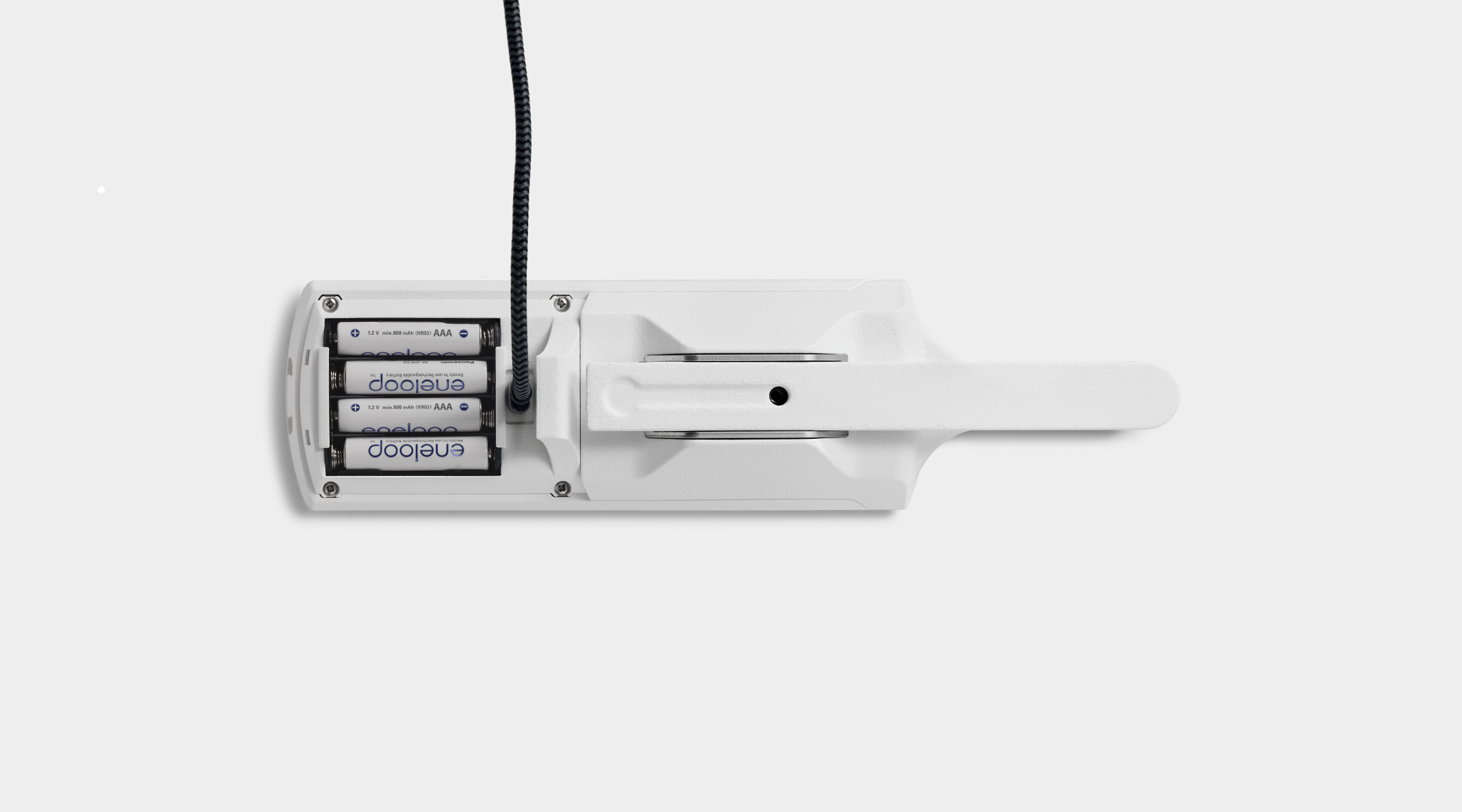
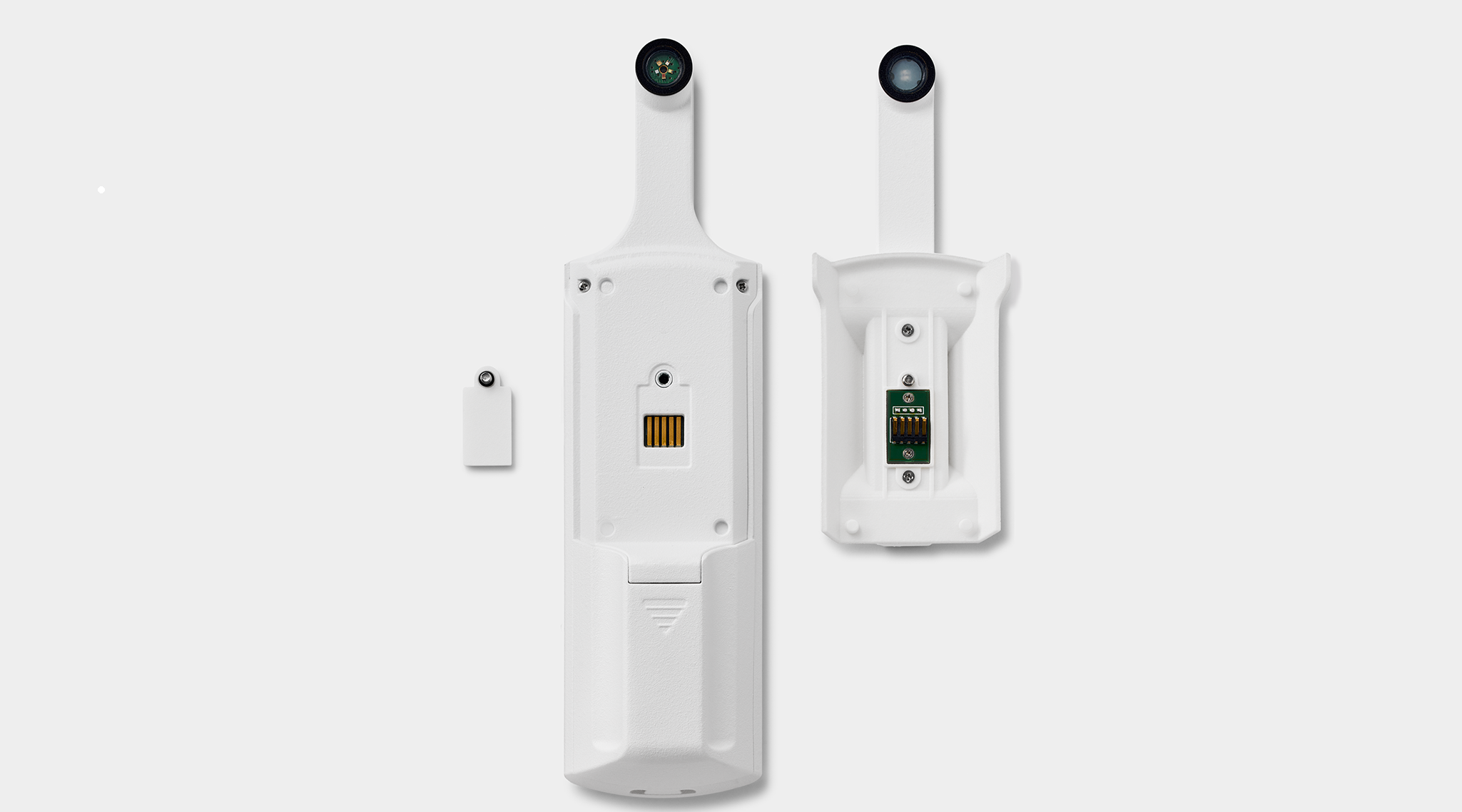
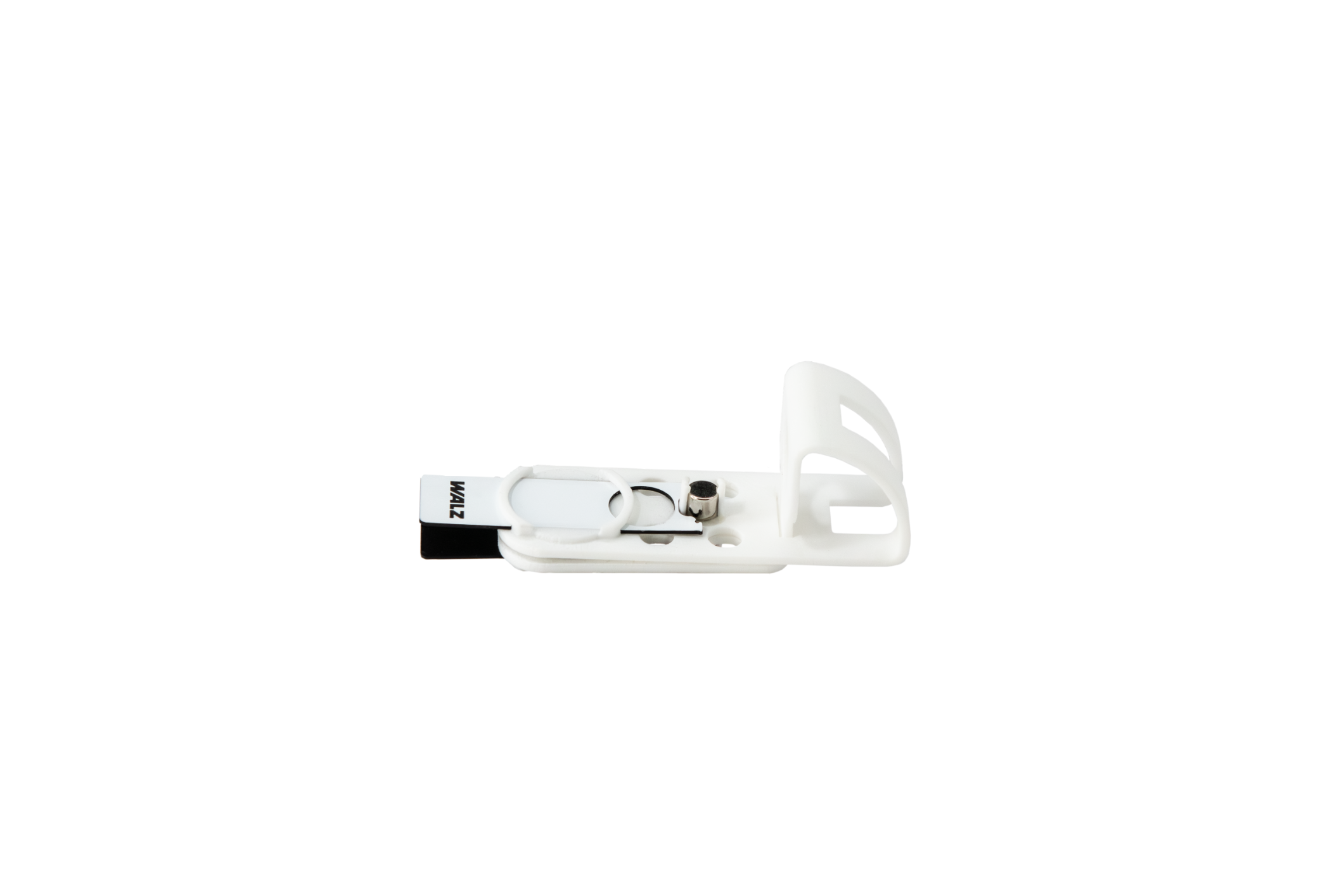
The LSA-2050 enables non-destructive monitoring of secondary pigment accumulation, such as anthocyanins and flavonoids, during fruit maturation. This allows objective tracking of ripening processes in fruits such as berries and grapes. For bulky samples, the removable FR/NIR emitter module facilitates flexible measurements.
- Geospatial and Positional Data
The LSA-2050 integrates GPS, accelerometer, gyroscope, and magnetometer sensors to record geospatial and orientation data for each measurement. This allows precise documentation of measurement location, leaf angle, and the angle of incidence of solar radiation, linking physiological parameters to the plant’s environmental context.
How does it work?
The LSA-2050 integrates optical absorption measurements for chlorophyll determination with PAM fluorescence analysis of Photosystem II and multi-wavelength excitation for pigment and UV screening assessment. This unique combination allows simultaneous structural and functional characterization of leaves. Each measurement takes only seconds and is noninvasive.
Why use the LSA-2050?
The LSA-2050 measures multiple complementary physiological parameters rather than a single parameter. By combining chlorophyll content, fluorescence efficiency, UV screening, and pigment composition, it provides a comprehensive picture of plant health and stress status. This multi-parameter approach makes it a powerful tool for plant research, crop management, and environmental monitoring.