HEXAGON-IMAGING-PAM
Large-Area Chlorophyll Fluorescence Imaging


Large-Area Chlorophyll Fluorescence Imaging for Plant Phenotyping
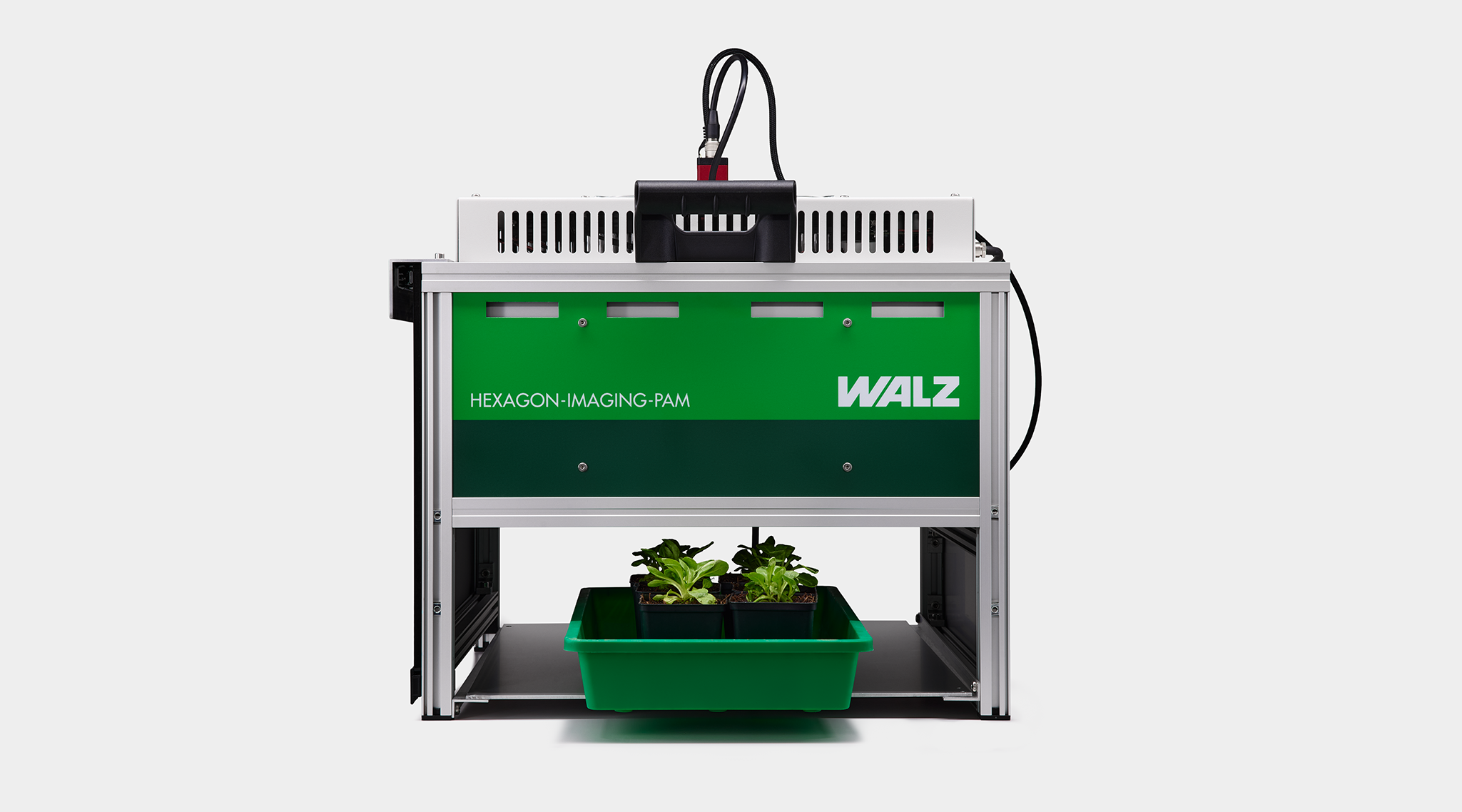
The HEXAGON-IMAGING-PAM is the largest chlorophyll fluorescence imaging system from WALZ. It measures areas of 20 × 24 cm with up to 1.2 megapixels resolution - four times the imaging area of the MAXI IMAGING-PAM while maintaining full PAM saturation pulse analysis with highest accuracy. All 17 fluorescence parameters including Fv/Fm, Y(II), Y(NPQ), Y(NO), and ETR are imaged at pixel level.
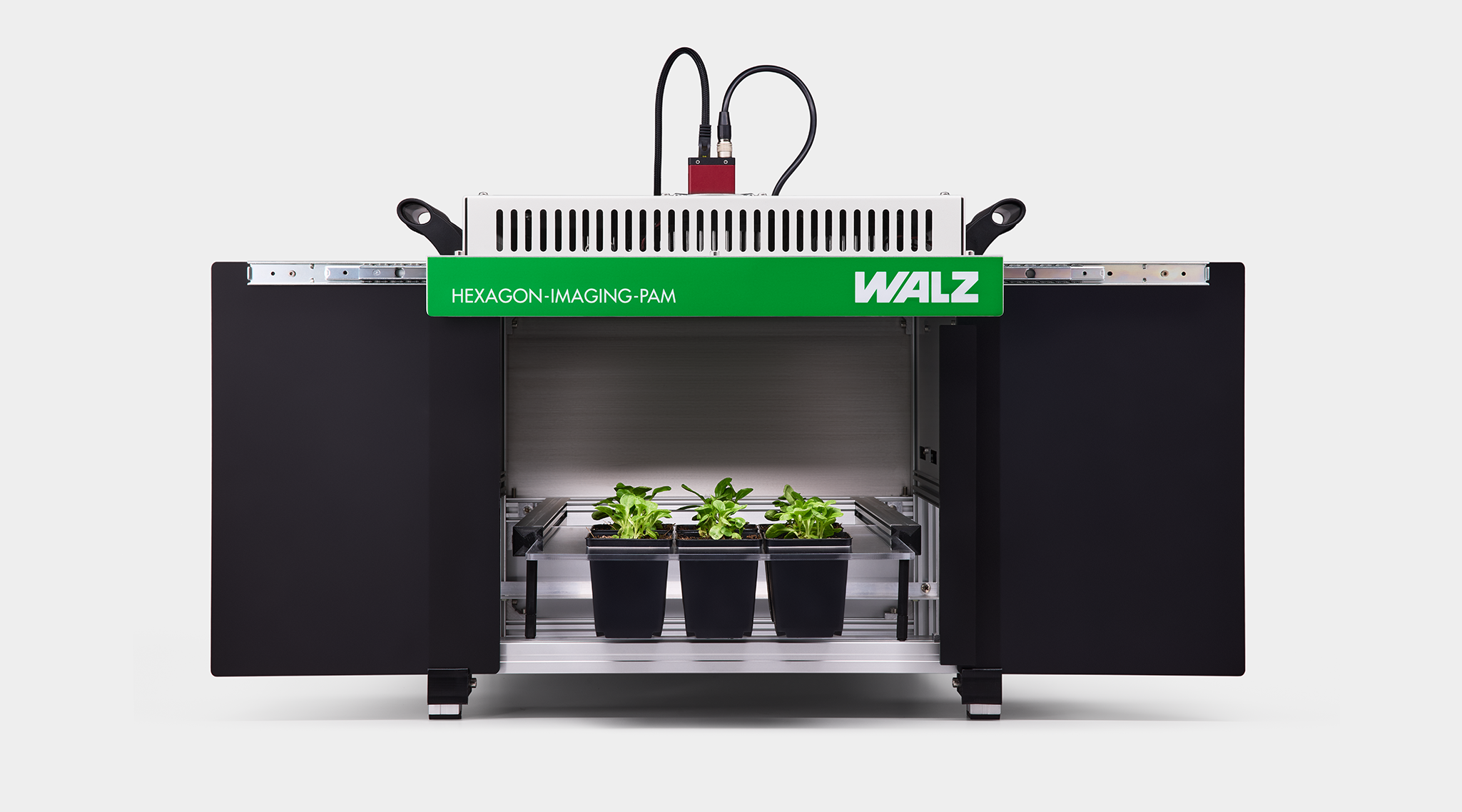
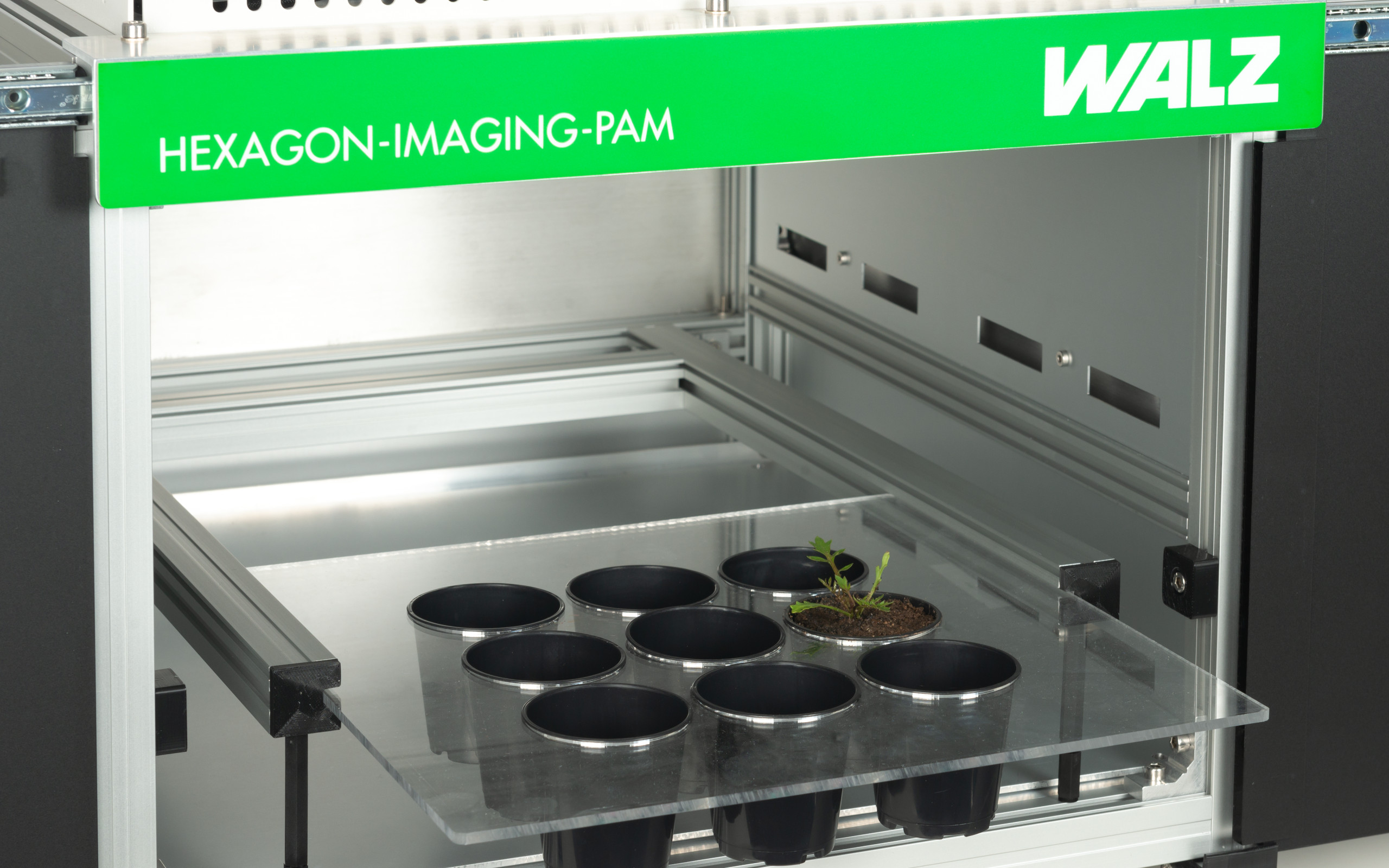
The flexible housing design accommodates individually potted plants, seedlings in larger plant trays, and flat samples such as harvested leaves or algae in vessels without conversion time between sample types. This makes the HEXAGON-IMAGING-PAM the ideal platform for high-throughput plant phenotyping and screening applications.
Technical Features of the HEXAGON-IMAGING-PAM
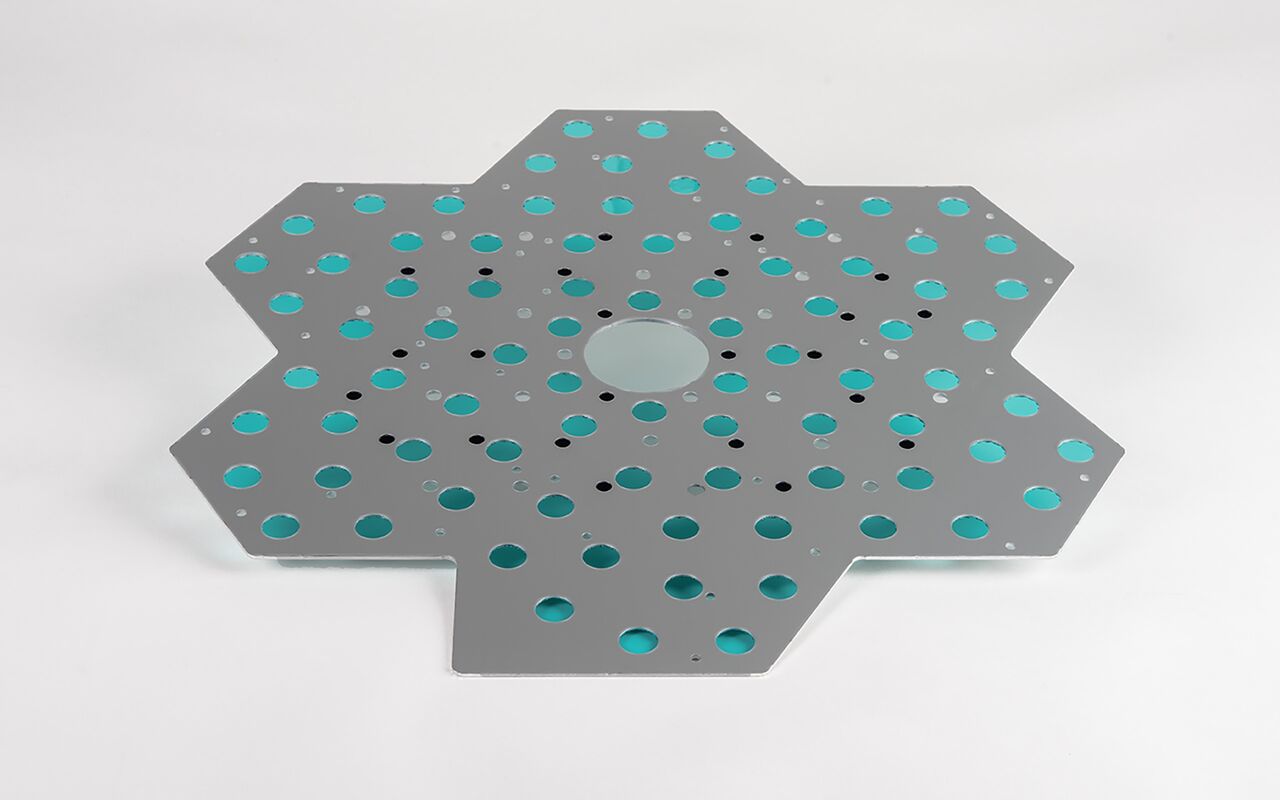
Hexagonal LED Panel for Homogeneous Illumination
The name HEXAGON reflects the shape of the individual LED sub-panels. This geometry offers the best possibility to achieve shadow-free, uniform illumination across the entire measuring area with a maximum deviation of ±7% from the mean intensity. Efficient cooling ensures long LED service life and compensates for temperature-driven power changes, opening new dimensions of measurement accuracy.
Far-Red LED Panel for F0' Determination
A dedicated dual-circuit far-red LED panel enables precise F0' measurement. It delivers FR light or FR light with a higher red component, each finely adjustable allowing accurate assessment of the F0' fluorescence level for comprehensive quenching analysis.
Flexible Sample Chamber with Safety Interlock
The housing accommodates diverse sample morphologies: from flat leaf samples and algae in vessels to potted plants and seedling trays. A dedicated Plant Pot Holder (IMAG-HEX/PH) holds 7 cm round flowerpots. An integrated safety shutdown suppresses all high-intensity light pulses when the door is opened during an experiment.
Digital Zoom Without Loss of Sensitivity
After start-up, the system works in 2 x 2 pixel binning mode (1000 × 1200 pixels). A software zoom function allows focusing on any freely selectable quarter of the measuring area without changing image resolution enabling higher magnification on a smaller area without loss of sensitivity.
ImagingWinGigE Software
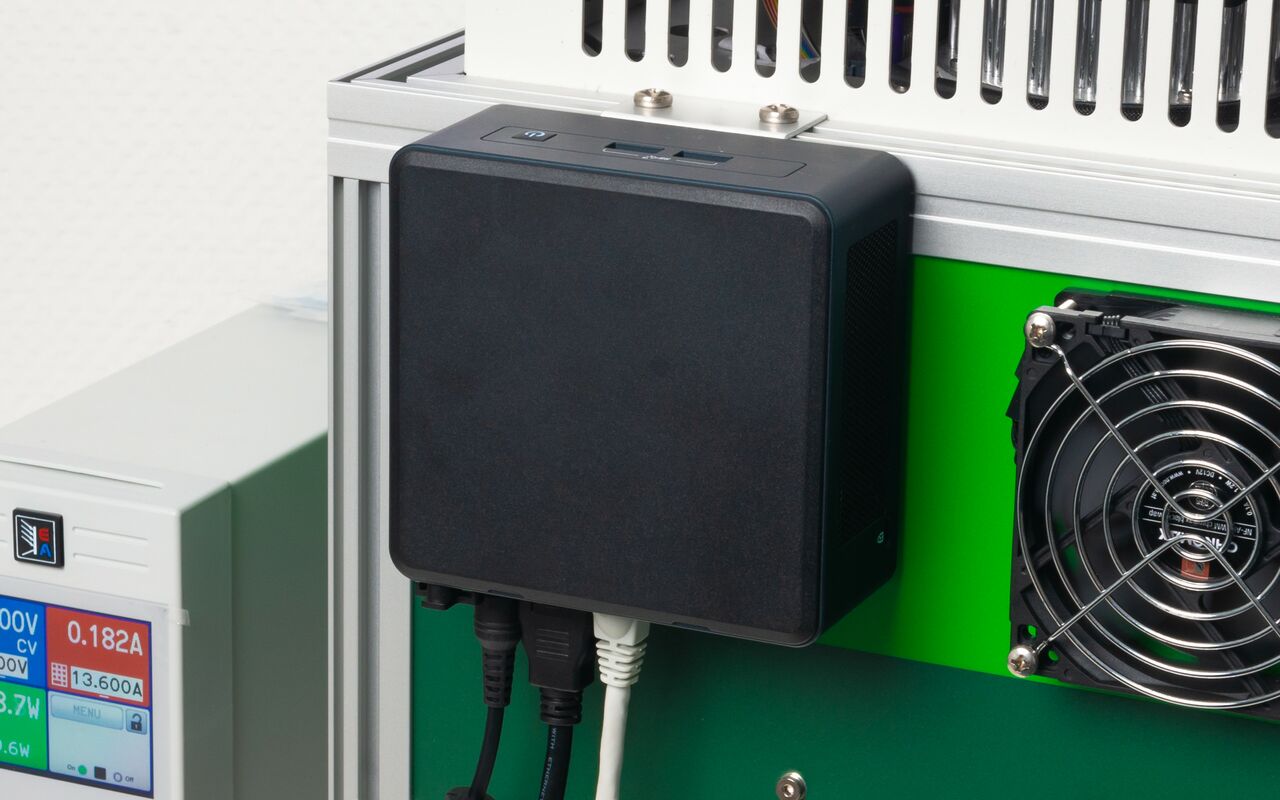
The HEXAGON-IMAGING-PAM is fully controlled by the ImagingWinGigE software. Up to 100 areas of interest (AOIs) can be placed and analysed, with automated sample recognition and drag-and-drop positioning. The user can choose between 18 displayed parameters in real-time false-color imaging during the experiment.
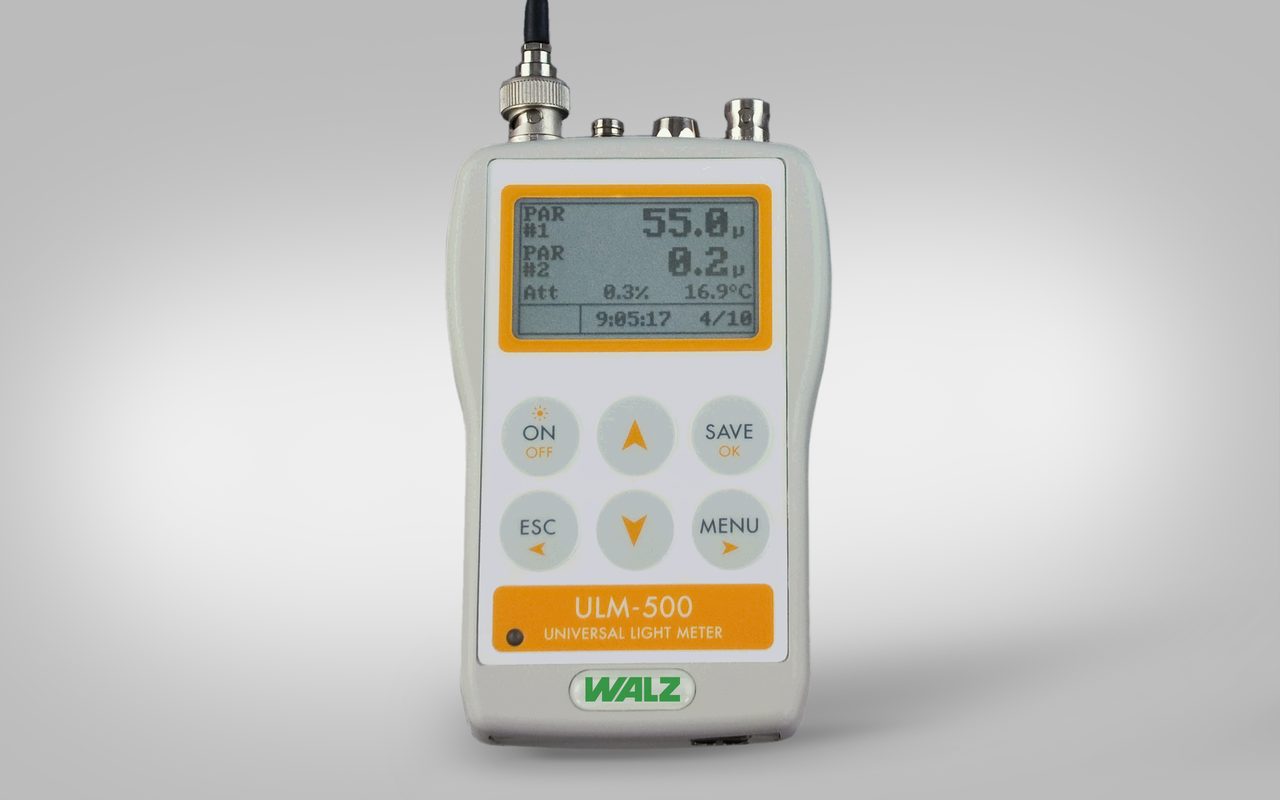
Pre-programmed protocols for induction curves and light curves provide easy starting points for beginners. Advanced users can program script files and remote-control the instrument via the software interface. Light calibration is automated via integration with the ULM-500 light meter.
HEXAGON-IMAGING-PAM Video
Chlorophyll Fluorescence Imaging
Chlorophyll fluorescence is a very sensitive indicator of photosynthesis. Quantitative information on the quantum yield of photosynthetic energy conversion is obtained by PAM fluorometry and the saturation pulse method. A wide range of photosynthetic parameters can be derived from fluorescence measurements, giving insight into the physiological state of all photosynthetically active organisms, including higher plants, mosses and ferns as well as various types of algae, phytoplankton and biofilms.
With the advance of highly sensitive CCD cameras, followed by modern CMOS type camera chips, together with extremely strong light emitting diodes (LED), development of IMAGING-PAM fluorometers has become possible that not only measure images of chlorophyll fluorescence but are also fully competent in providing all relevant chlorophyll fluorescence parameters, using the saturation pulse method. In this way, images of photosynthetic activity and its spatio-temporal variations can be obtained. In recent years, the trend has increasingly been towards very low-noise CMOS cameras offering high sensitivities. LED technology is also making continuous progress so that high irradiation intensities can be achieved with lower power.
Scientific Publications using Walz Devices
Source: Google Scholar.
Keywords: (Walz OR Waltz) Effeltrich.
Date: June 22, 2026.
Ʃ = 19642
Source: Google Scholar.
Keywords: (Walz OR Waltz) Effeltrich.
Date: June 22, 2026.
Ʃ = 19642
Selected Publications
Regulation of jasmonic acid signalling in tomato stress: insights into the MYB15-LOXD and MYB15-MYC2-LOXD regulatory modules
Plant Biotechnology Journal 23: 4246-4260
Engineering saline-alkali-tolerant apple rootstock by knocking down MdGH3 genes in M9-T337
Stress Biology 5: 44
Targeted translation inhibition of chloroplast and mitochondrial mRNAs by designer pentatricopeptide repeat proteins
Nucleic Acids Research 53: gkaf222
Differential impact of copper stress in two Ectocarpales: metabolic disruption and defensive signaling in the free-living Ectocarpus sp7 and the endophytic Laminarionema elsbetiae
Biochimie 239A: 93-102
Enhanced cell aggregation in the Chlamydomonas reinhardtii rbo1 mutant in response to multifactorial stress combination
Plant Physiology 199: kiaf551
Cysteine signalling in plant pathogen response
Plant, Cell & Environment 48: 7107-7122
The pastidial alpha-glucan phosphorylase modulates maltodextrin metabolism and affects starch parameters in Arabidopsis thaliana
Journal of Experimental Botany 76: 2222-2238
Role of chloroplast lipid-remodelling protein 23 during cold acclimation in Arabidopsis thaliana
bioRxiv-8
Physiological insights into the responses of tea plants to aluminum through an integrated transcriptomic and metabolomic analysis
Horticulture Advances 3: 21
HEXAGON-IMAGING-PAM
Blue Excitation Light Source: 451 nm dominant wavelength (ML, AL and SP) 6 x 13 Cree high power LEDs
Far Red light Source: 730 nm peak wavelength
0 – 50°C
C-mount
C-mount
PC-software ImagingWinGigE for Win 11
xpim, csv, jpg, tif (raw image format is b/w in 11-bit color depth, 1200 x 1000)
Intel core i5 or comparable CPU, min 8 GB free RAM, built-in Gigabit Ethernet (GigE), Win11 OS
Data display and evaluation plus instrument settings on 7 different windows
120 W AC adapter
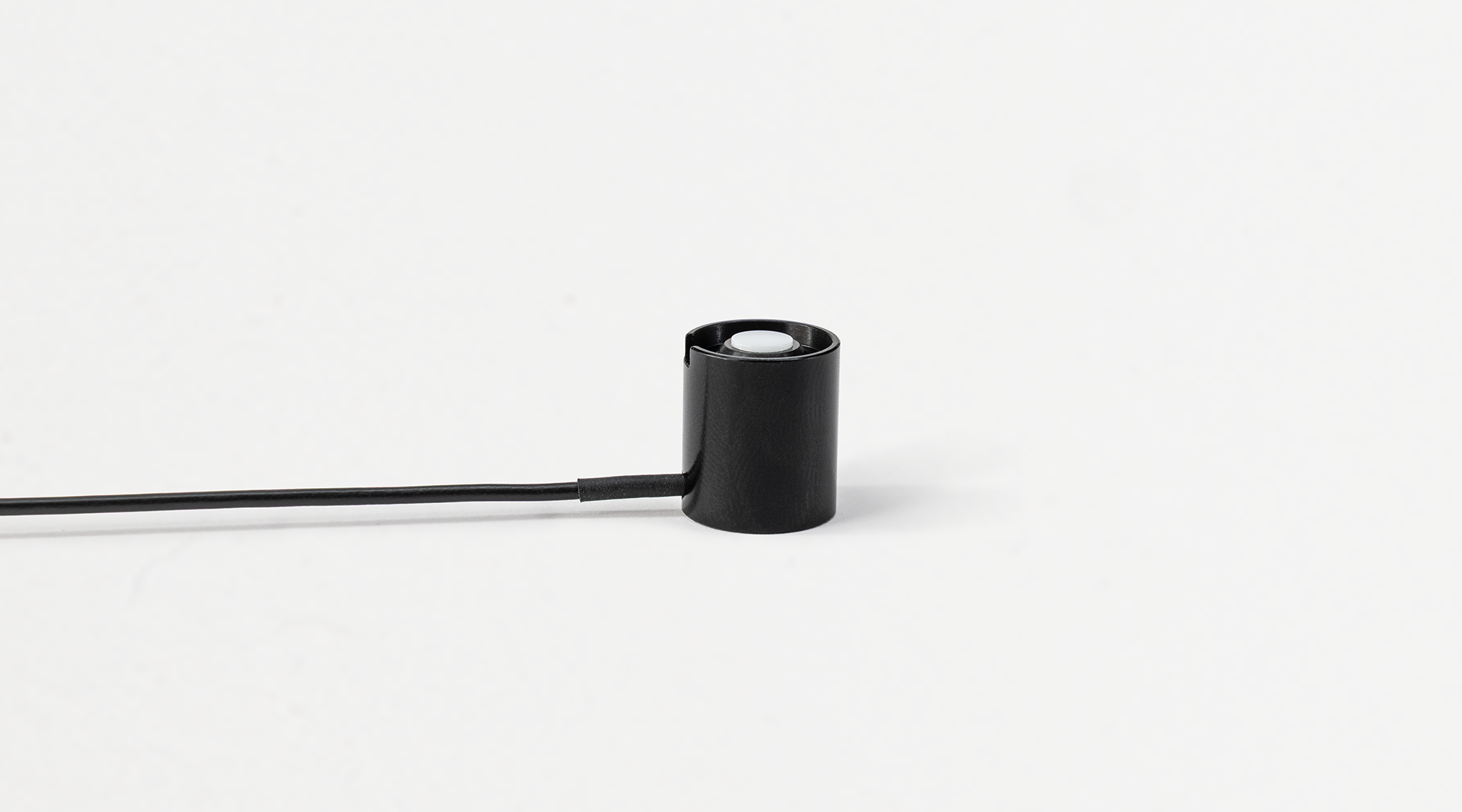
Mini quantum sensor for selective PAR (photosynthetically active radiation) measurement, cosine corrected for PPFD (photosynthetical photon flux density) measurement.
Black anodized aluminum housing
Perspex
High stability silicone photovoltaic detector with filter set for PAR correction (to learn more about the typical sensitivity see “General Features”). Signal output typically -2 μA / (1000 μmol m-2 s-1)
0.01 %/K
± 5 %
error < 4 % between angles from -80° to +80° from normal axis
Typically 1.32
- 5 °C … + 45 °C
3 m
BNC
Not required
Height: 16 mm
Diameter: 14 mm
Diffuser diameter: 5.5 mm
32 g
Aluminum box with individual foam lining for HEXAGON-IMAGING-PAM and accessories
62 cm x 62 cm x 62 cm (L x W x H)
6 kg
Small versatile waterproof mini quantum sensor for selective PAR measurement, cosine corrected for light incident at an angle between -30 ° to +30 ° from surface normal for PPFD (photosynthetical photon flux density) measurement, with base plate for screw connection.
Black resin material
Perspex
High stability silicone photovoltaic detector with filter set for PAR correction (see “General Features” for typical response)
0.01 %/K
BNC
Base plate: 12 mm x 7 mm x 1 mm (H x W x L)
Sensor housing 5 mm x 7.5 mm x 7 mm (H x W x L)
Diffuser diameter: 3 mm
26 g
Accessories
Light grey plastic housing with connectors, membrane keyboard and a white illuminated LCD graphic display
12 x 7.5 x 3.5 cm
210 g (including 4 AAA 1.5 V batteries)
4 AAA-type batteries or 5 V DC from USB voltage source when connected to the computer
up to 85 % rH (avoid condensation), - 20° to + 50°C ambient temperature
PAR channel #1: 100 samples / second, PAR channel #2 and other channels: 5 samples / second (connected to computer running WinControl-3 software)
10 days or ca. 100 days automated logging with sleep mode (1 meas. / 5 min). Unlimited working time via USB connection (PC-software WinControl-3 – no sleep mode)
- Two BNC-connectors for the connection of two PAR-sensors with individual calibration factors between -50.0 and -9999.9 (memory for 10 calibration factors), range switchable in 5 steps 250 nA to 0.6 mA
- Connector for Monitoring Leaf-Clip JUNIOR-B; an adapter is available for the connection of the Leaf-Clip Holder 2030-B, and the Micro Quantum/Temp.-Sensor 2060-M
- Connector for additional digital sensors (still under development)
- USB-Connector for connection with computer (software: WinControl-3)
Flash memory used as ring buffer for 50000 lines (1 line / single measurement)
White illuminated graphic display with 5 different display modes (1: all data; 2-4: two selected sensors in big letters; 5: chart mode for channel no. 1, with maximum, minimum and average indicated), resolution: 0.1 μmol m-2 s-1
1 free USB socket. Processor, 1 GHz. RAM, 256 MB. Hard disc space, 20 MB. Screen resolution: 800 x 600 pixels. Interface, USB 1.1, 2.0 and 3.0. Operating system: Microsoft Windows 10 and 11.
ImagingWinGigE Software for HEXAGON-IMAGING-PAM
General Features and Graphical User Interface
The HEXAGON-IMAGING-PAM is fully controlled by the dedicated ImagingWinGigE software.
When started, the ImagingWinGigE software opens with the image window that occupies most of the user surface showing the Ft value as starting parameter. In the image window up to 100 areas of interest (AOIs) can be placed and the user can switch between parameters that shall be shown.
Values are represented in a false color scale ranging from black (0.0) to white (1.0) with red, orange yellow, blue and violet to purple in between. At first a central standard AOI is already present after the start of the software. Different shapes can be defined and the ImagingWinGigE software also offers a sample recognition function. AOIs' positions can be moved by the new Edit function.
Additional tabs are available for further settings and pre-programmed runs or the report tables. While working in these tabs, the image window is disengaged and is always present next to the normal ImagingWin window for a better overview. We have tried to structure the user interface in a practical way and have adopted many of the proven controls from the ImagingWin of the M-series units.
The customer can choose between 18 different parameters (Ft, Fo, Fm, F, Fm’, Fv/Fm, Y(II), Y(NPQ), Y(NO), PS/50, Abs, Red, NIR, NPQ/4, qN, qP, qL, Inh.) that can be displayed in the image window in different color modes. In this tab the alteration of the parameters can be observed in real-time during the experiment. The kinetics window shows various parameter values for some or all AOIs of the currently chosen experiment plotted versus time. It serves for the evaluation of dynamic dark / light phenomena (Kautsky curve or Induction curve).
Some of the possible experiments are already preset in the Kinetics or the Light Curve tab so that also the beginner finds an easy starting point for his first successful experiments. For advanced users it is also possible to program script files with more complex structure and even remote control the device by using the software interface.
Easy light calibration using the ULM-500 Light Meter & Logger.
ImagingWinGigE in communication with the ULM-500 provides an automated light calibration routine to generate a calibrated internal light list and furthermore offers to follow an external illumination (an appropriate PAR sensor like the Walz LS-C is necessary).
Some new features can be provided solely for the ImagingWinGigE software for HEXAGON-IMAGING-PAM, not for the ImagingWin software suitable for GigE devices or the older FireWire camera versions of the IMAGING-PAM M-Series.

Usage
Highlights
- 20 × 24 cm measuring area with shadow-free, homogeneous illumination
- Image resolution up to 1.2 megapixels (100 × 100 µm pixel size)
- Flexible housing for potted plants, seedling trays, and flat samples with no conversion time
- Dual-circuit far-red LED panel for Fo' determination
Downloads
- Manuals & Documentation: HEXAGON-IMAGING-PAM Manual
- Product Information: HEXAGON-IMAGING-PAM Technical-specifications
- Product Information: HEXAGON-features-specs