LSA-2050
Version:
Handheld Device for non-invasive Leaf Analysis
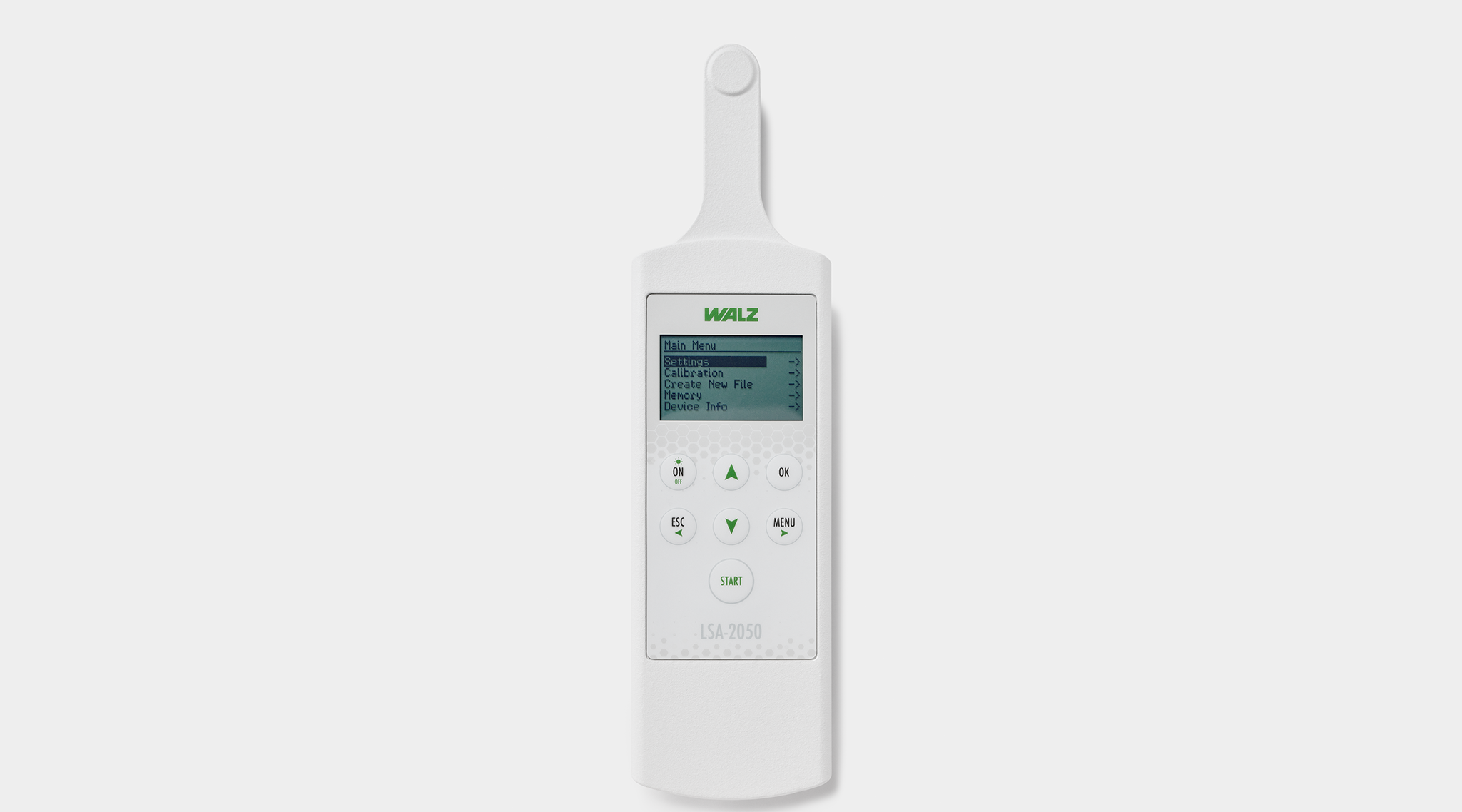
What is the LSA-2050?
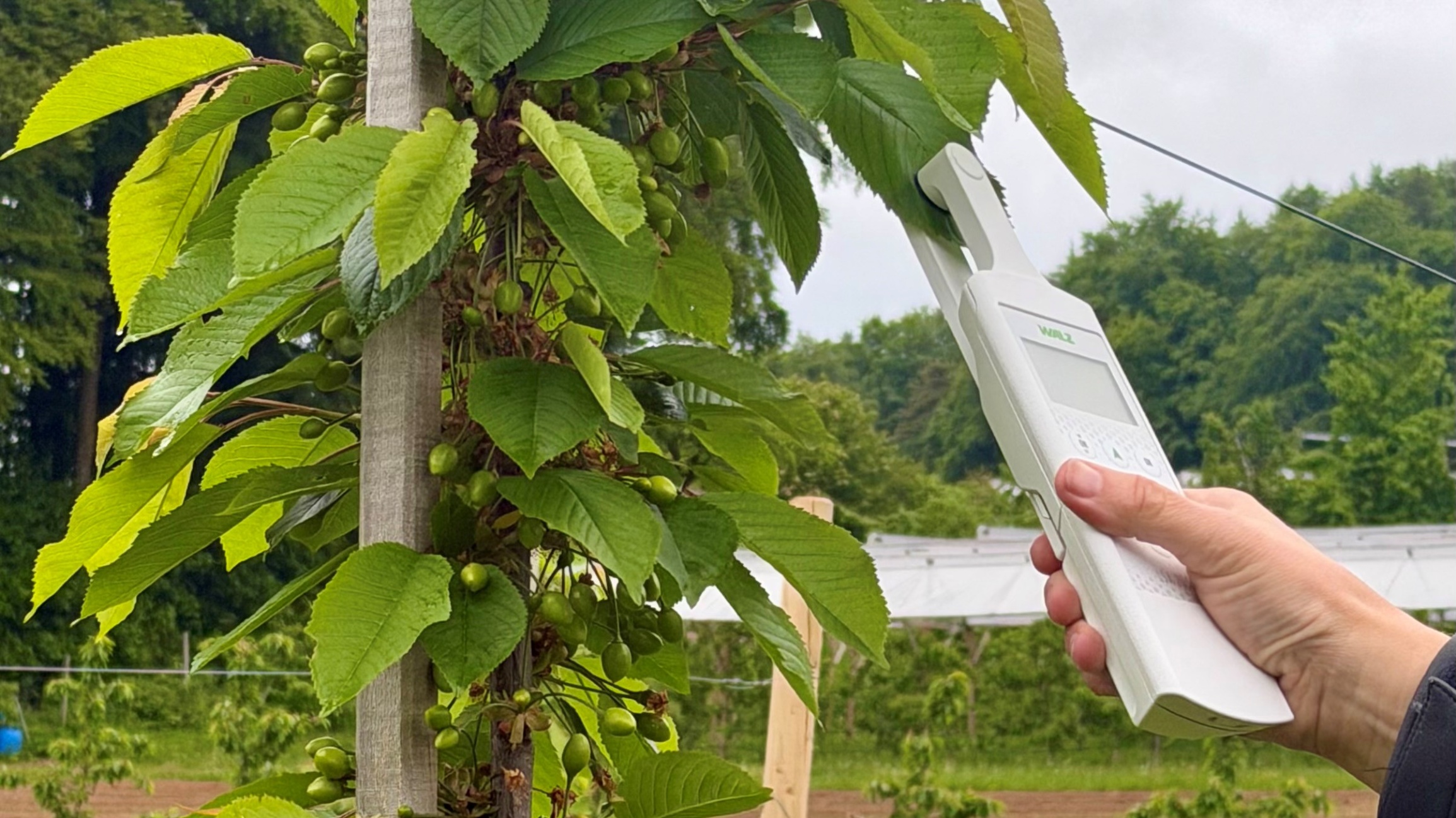
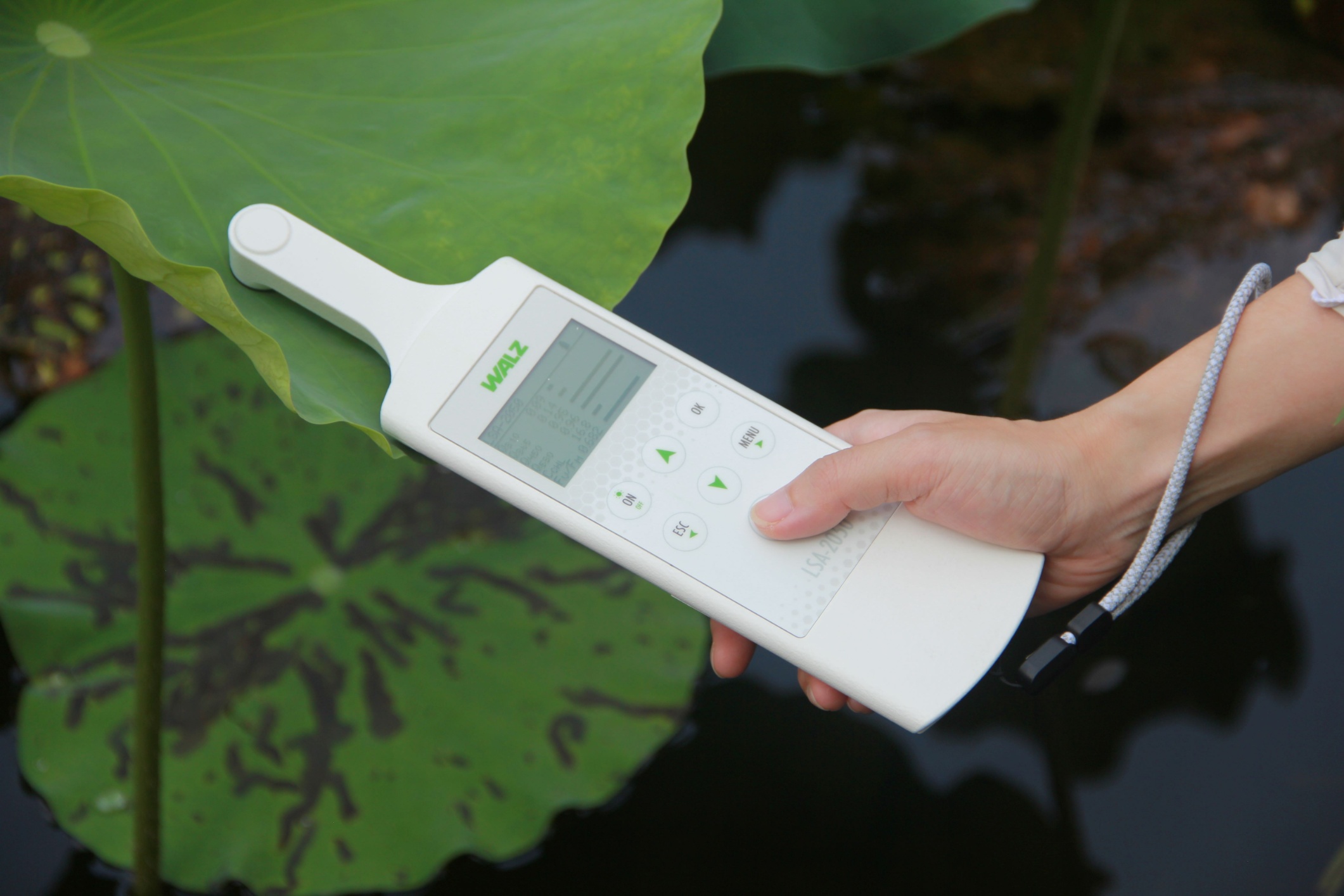
The LSA-2050 is a portable chlorophyll content meter that goes far beyond chlorophyll. In a single, non-destructive measurement, it determines chlorophyll content, the maximum quantum yield of photosystem II (FV/FM), and the UV screening capacity of the leaf epidermis - three independent indicators of plant health captured in seconds.
This combination makes the LSA-2050 unique among handheld leaf analyzers: while conventional chlorophyll meters provide only a single parameter, the LSA-2050 delivers a comprehensive physiological fingerprint of the leaf - ideal for plant phenotyping, stress screening, and precision agriculture.
Who is it for?
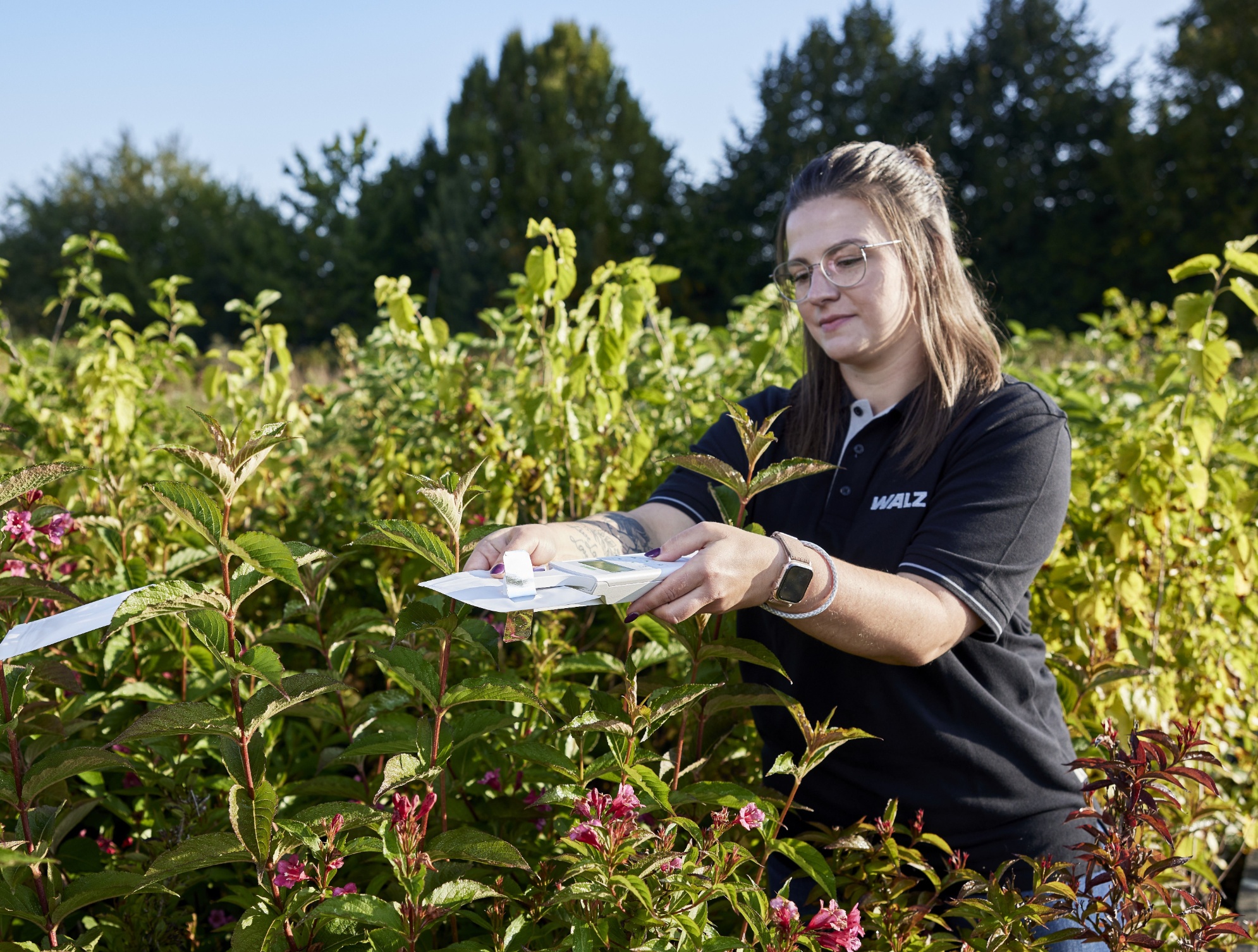
The LSA-2050 is designed for plant physiologists, crop scientists, agricultural consultants, and environmental researchers who need fast, reliable data in the field. It enables high-throughput phenotypping of crops, research plants, and natural vegetation - from nitrogen management in agriculture to stress monitoring in ecology.
Research Questions the LSA-2050 Can Answer
The LSA-2050 measures multiple complementary physiological parameters rather than a single parameter. By combining chlorophyll content, Photosystem II efficiency, UV screening, and geo data, it provides a comprehensive picture of plant health and stress status - making it a powerful tool for plant research, crop management, and environmental monitoring.
When and how much nitrogen does each part of the field need?
The Nitrogen Balance Index (NBI) combines chlorophyll and flavonoid data to indicate leaf nitrogen status helping optimize fertilization timing and rate across the field.
When is the optimal harvest date?
Monitoring anthocyanin and flavonoid accumulation during fruit ripening enables objective, non-destructive tracking of maturation across the field.
Where exactly is the crop under stress?
FV/FM detects photoinhibition, heat damage, and drought stress before visible symptoms appear. GPS-tagged measurements create stress maps of entire fields.
Does the plant protect itself against UV radiation?
The LSA-2050 is the only handheld device that quantifies UV-B screening - revealing how well the epidermis shields the photosynthetic tissue from harmful radiation.
Which variety performs best under field conditions?
Comparing chlorophyll content, FV/FM, and UV screening across cultivars identifies genotypes with superior stress tolerance and photosynthetic performance. A rapid, non-destructive approach to field phenotyping.
How does water availability affect photosynthesis?
Combining FV/FM with UV screening changes reveals the interplay between water stress and photosynthetic capacity at each measurement location.
What does the LSA-2050 measure?
- Chlorophyll Content
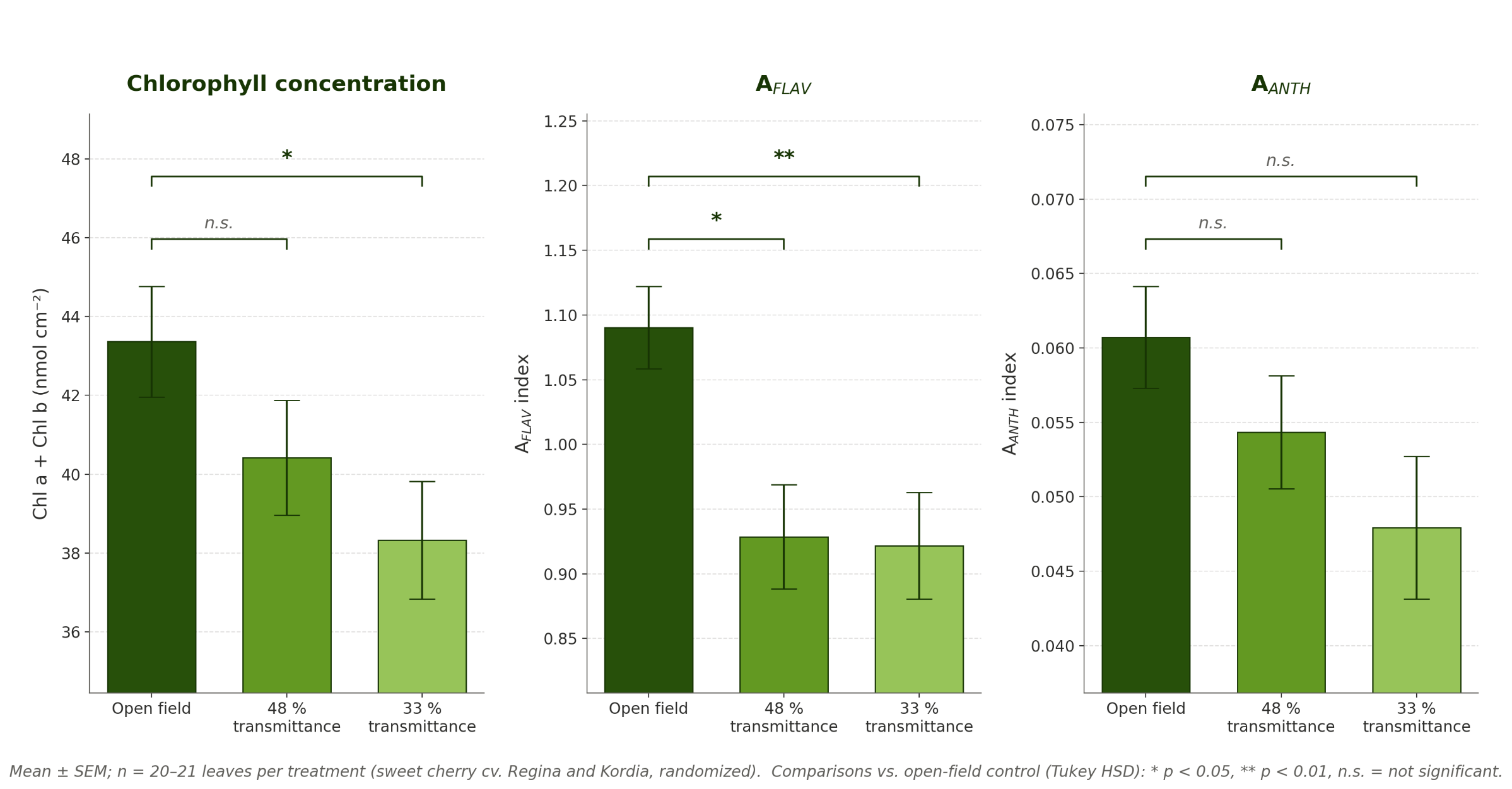
The LSA-2050 determines chlorophyll concentration optically via leaf transmittance, following the Cerovic method. Unlike SPAD-type chlorophyll meters, this approach maintains high accuracy even at high chlorophyll concentrations. Chlorophyll content is a direct indicator of photosynthetic capacity and leaf nitrogen status.
- Maximum Quantum Yield of PSII
Using the saturation pulse method of PAM fluorometry, the instrument measures the maximum photochemical efficiency of Photosystem II after dark adaptation (FV/FM). This is one of the most widely used parameters in plant science - a sensitive, early indicator of photoinhibition, heat damage, drought stress, herbicide effects, and other physiological disturbances.
- Radiation Screening Parameters
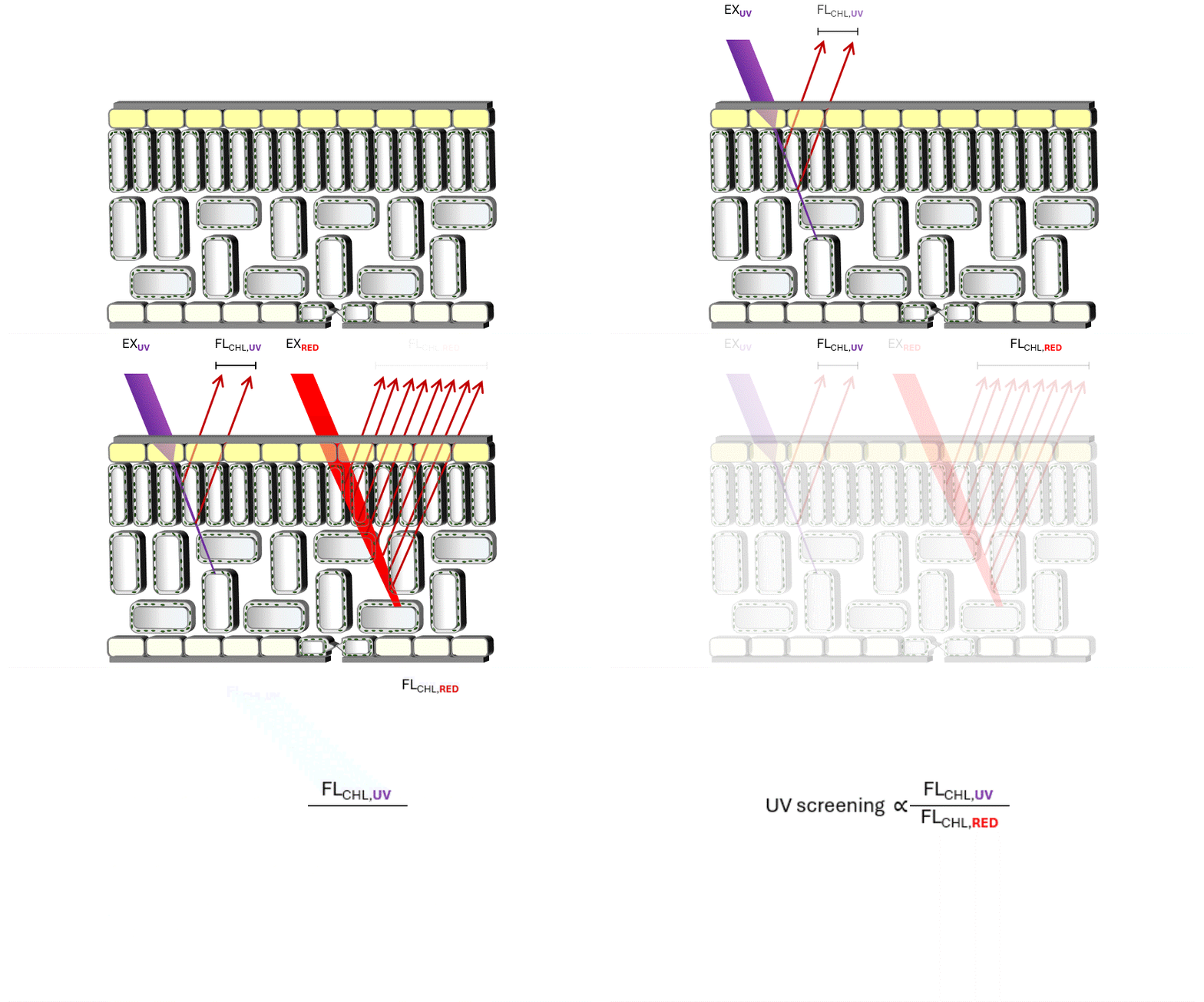
By exciting chlorophyll fluorescence at various wavelengths, the LSA-2050 quantifies protective screening in the UV and visible range. Distinct excitation wavebands target specific pigment groups, including hydroxycinnamic acids (UV-B) and flavonoids (UV-A), carotenoids (blue), and anthocyanins (green). This allows assessment of protective pigment accumulation and light acclimation.
- Nitrogen Balance Index (NBI)
The Nitrogen Balance Index (NBI) is widely used in crop science for nitrogen management and fertilization monitoring and is an important indicator of crop growth. Since nitrogen-deficient plants accumulate more flavonoids while chlorophyll decreases, the NBI provides a reliable, non-destructive indicator of leaf nitrogen status. The parameter can be used to determine the optimal time for nitrogen fertilisation.
- Pigment Changes During Fruit Ripening
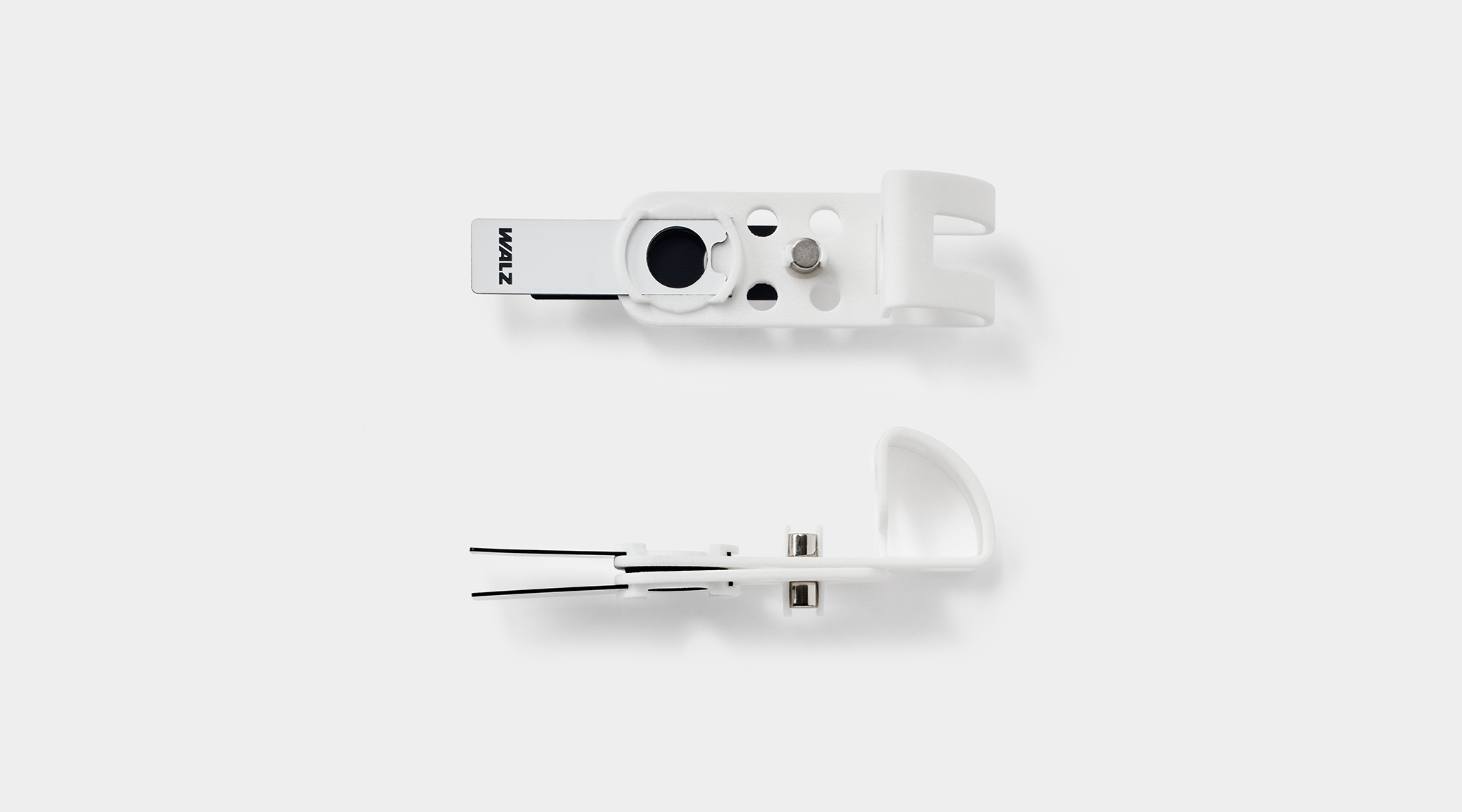
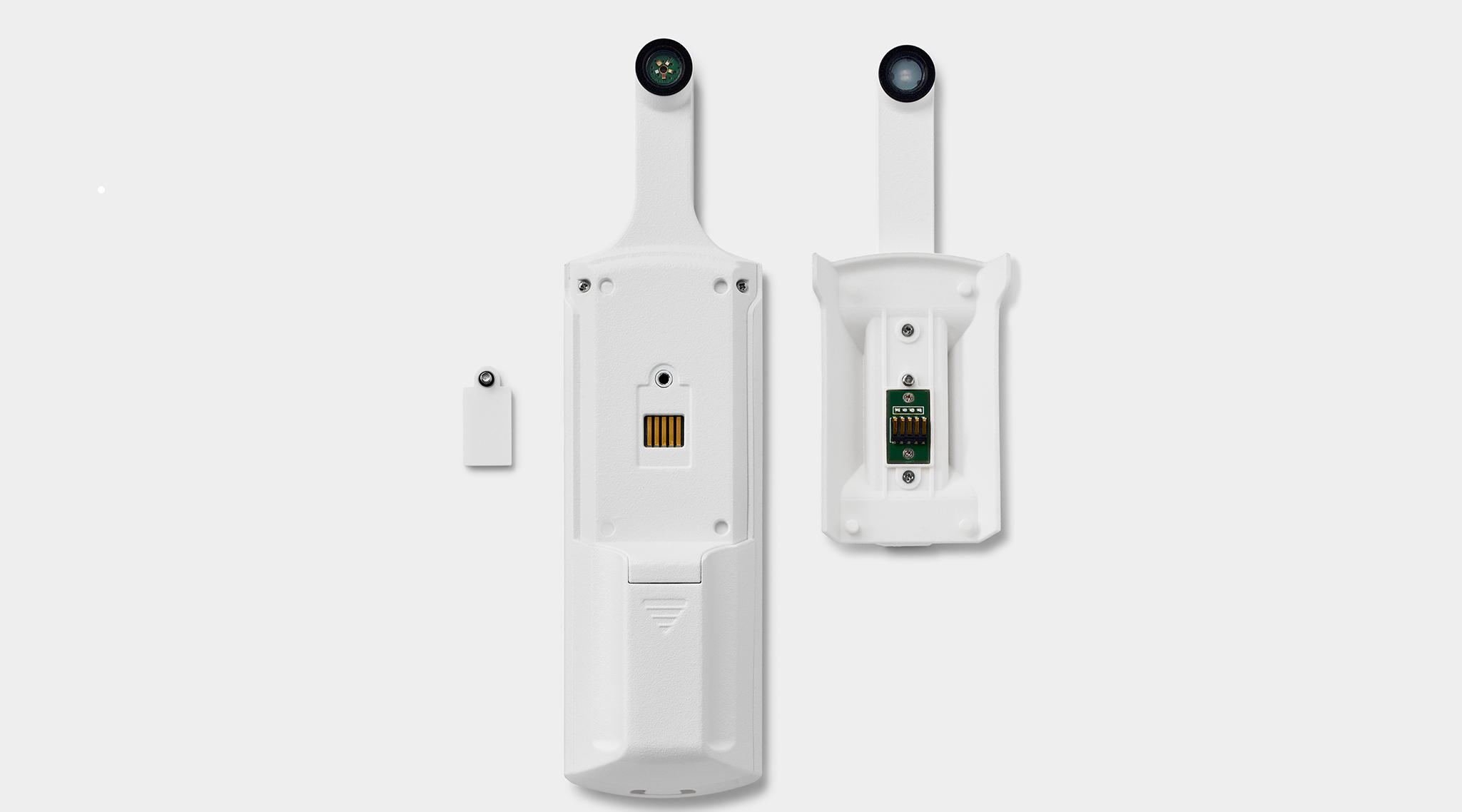
The LSA-2050 enables non-destructive monitoring of secondary pigment accumulation, such as anthocyanins and flavonoids, during fruit maturation. This allows objective tracking of ripening processes in fruits such as berries and grapes. For bulky samples, the removable FR/NIR emitter module facilitates flexible measurements.
- Geospatial and Positional Data
Every measurement includes GPS coordinates, leaf angle, and sun angle - recorded automatically by built-in accelerometer, gyroscope, and magnetometer. This links every physiological data point to its precise location and orientation, enabling georeferenced field mapping and transect analysis.
How does it work?
The LEAF-STATE-ANALYZER LSA-2050 integrates optical absorption measurements for chlorophyll determination with PAM fluorescence analysis of Photosystem II and multi-wavelength excitation for pigment and UV screening assessment. This unique combination allows simultaneous structural and functional characterization of leaves. Each measurement takes only seconds and is non-invasive.
Designed for Efficient Field Work
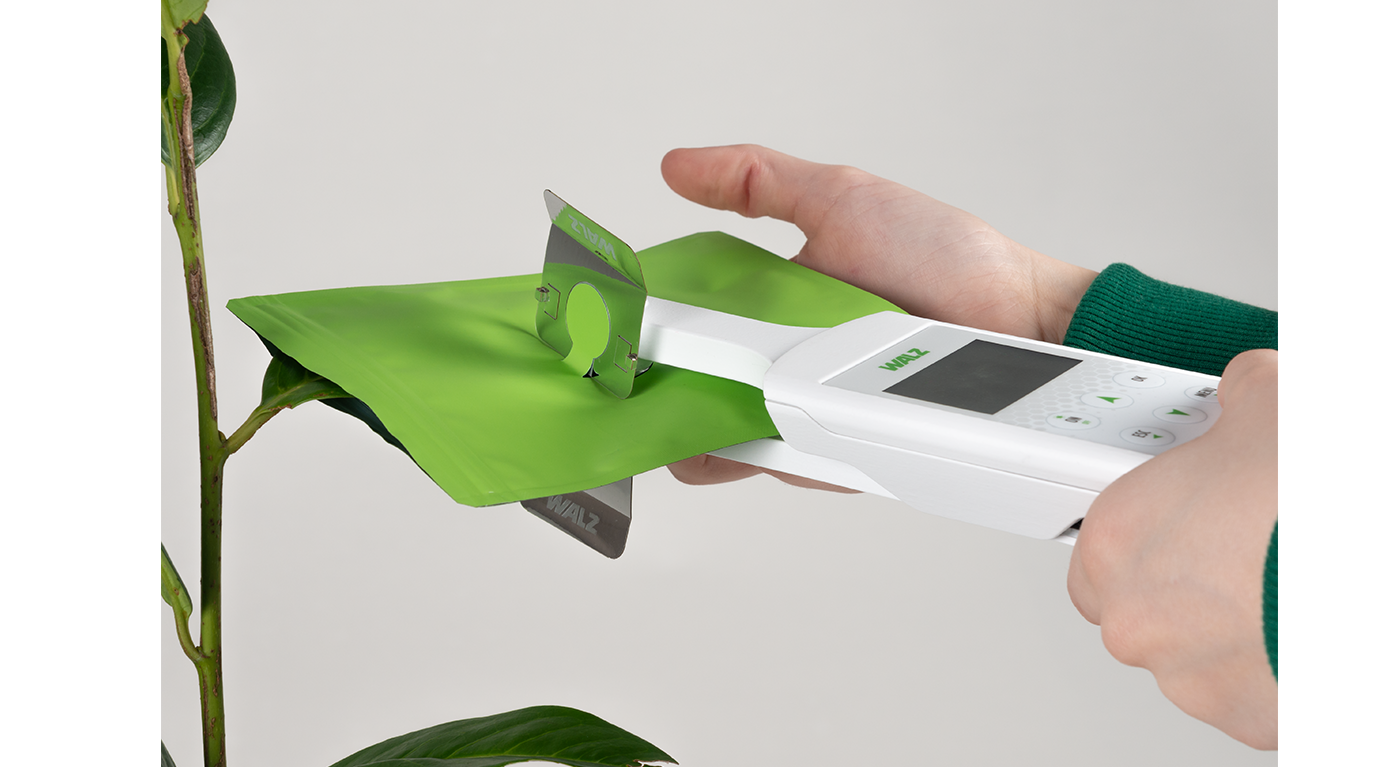
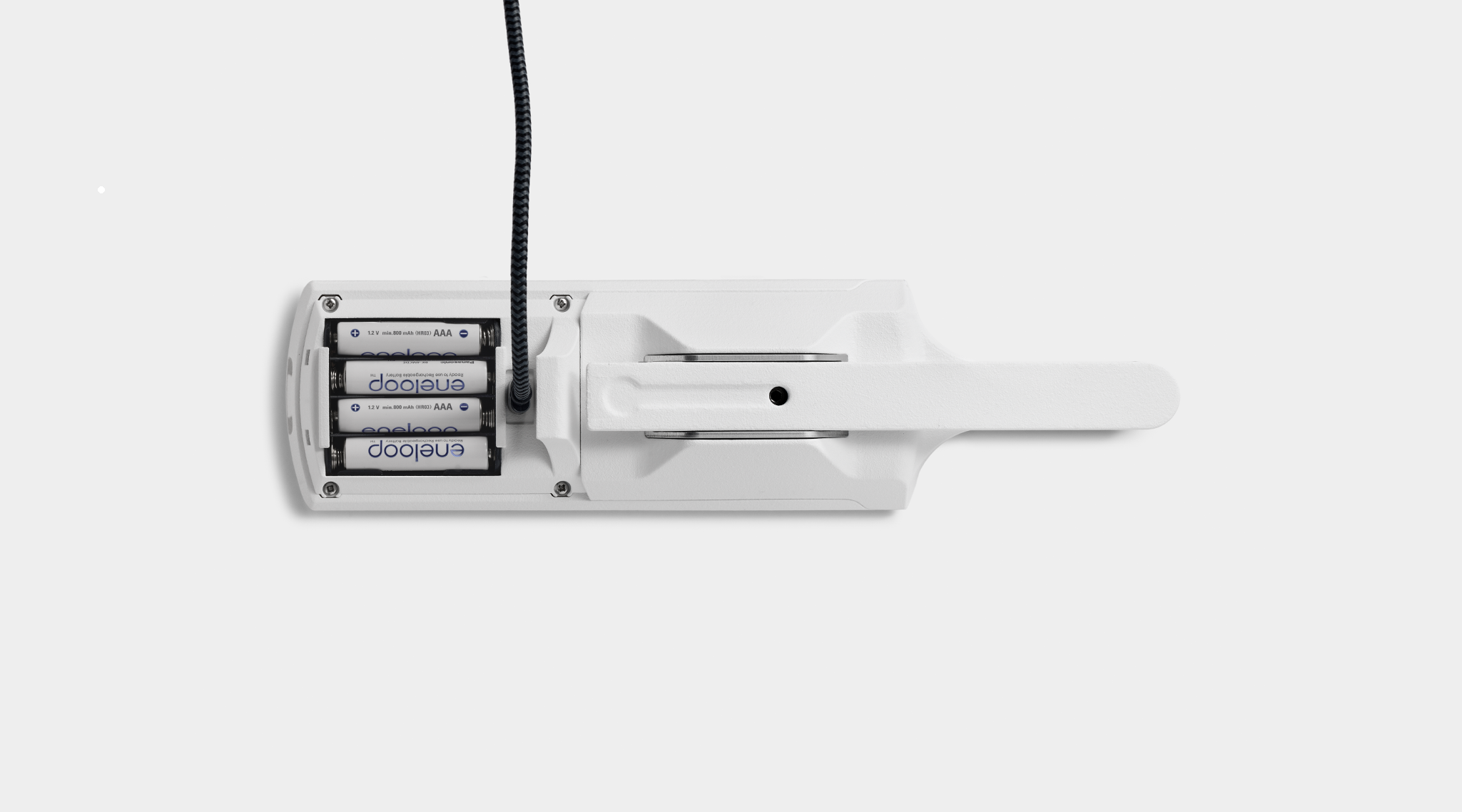
The LSA-2050 is built around practical details that make a difference during long measurement sessions. The illuminated display, intuitive button layout, and ergonomic clip mechanism allow fast, comfortable operation, even over hundreds of measurements per day. Unlike instruments with automated triggering, the dedicated start button encourages checking the measurement position before each recording, reducing errors and improving data quality. Researchers who have switched from other handheld leaf analyzers consistently highlight the improved handling and measurement workflow as a significant advantage in practice.