WATER-PAM-II
Version:
Chlorophyll Fluorometer for Phytoplankton
Cuvette Version - WATER-PAM-II
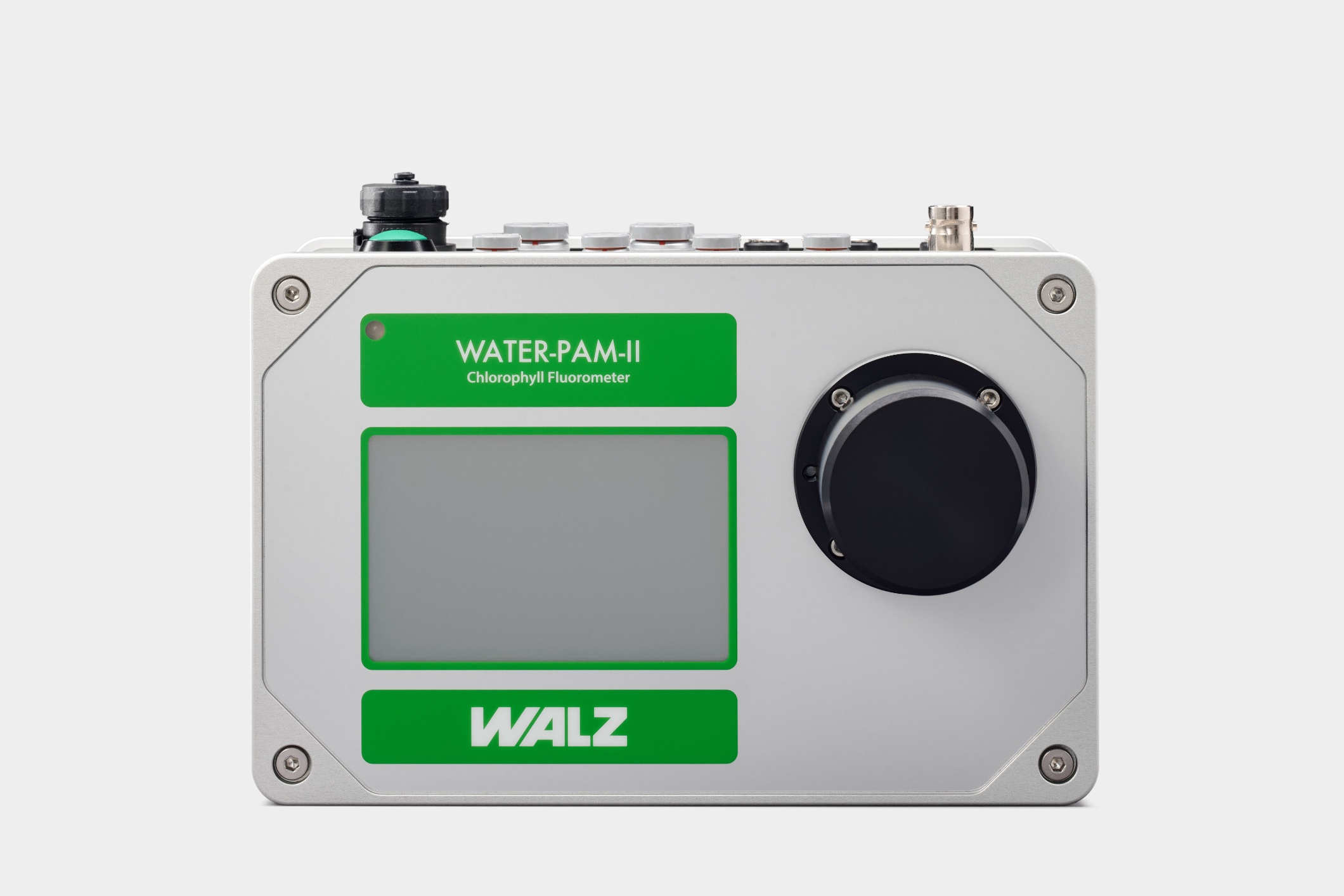
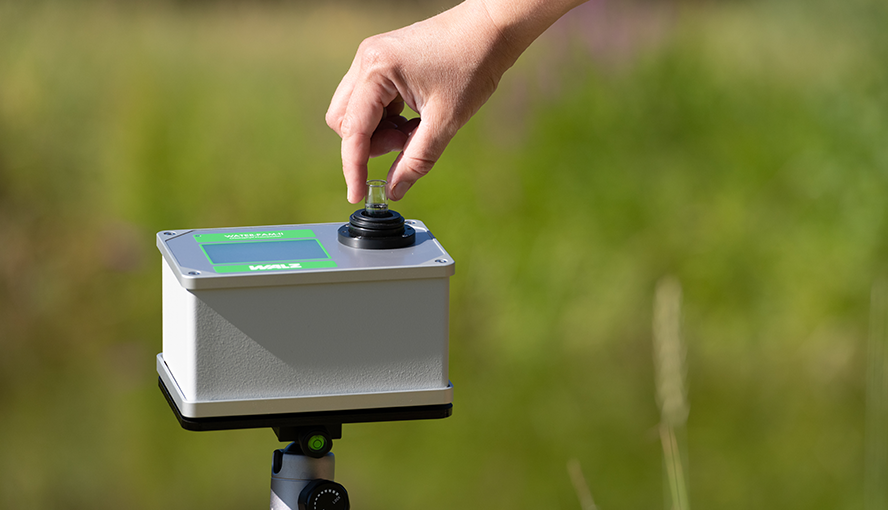
The WATER-PAM-II is the instrument of choice for phytoplankton analysis. It can be used for laboratory cultures as well as natural water samples when very low chlorophyll contents of samples require ultra-sensitive fluorescence detection. The WATER-PAM-II Cuvette version measures chlorophyll fluorescence directly in cuvettes or a flow-through cuvette via an integrated optical unit. Switchable blue and red excitation ensures optimal signal quality across all phytoplankton species - from green algae and diatoms to cyanobacteria. The compact cuvette design allows rapid sample changes for high-throughput screening in the field or laboratory.
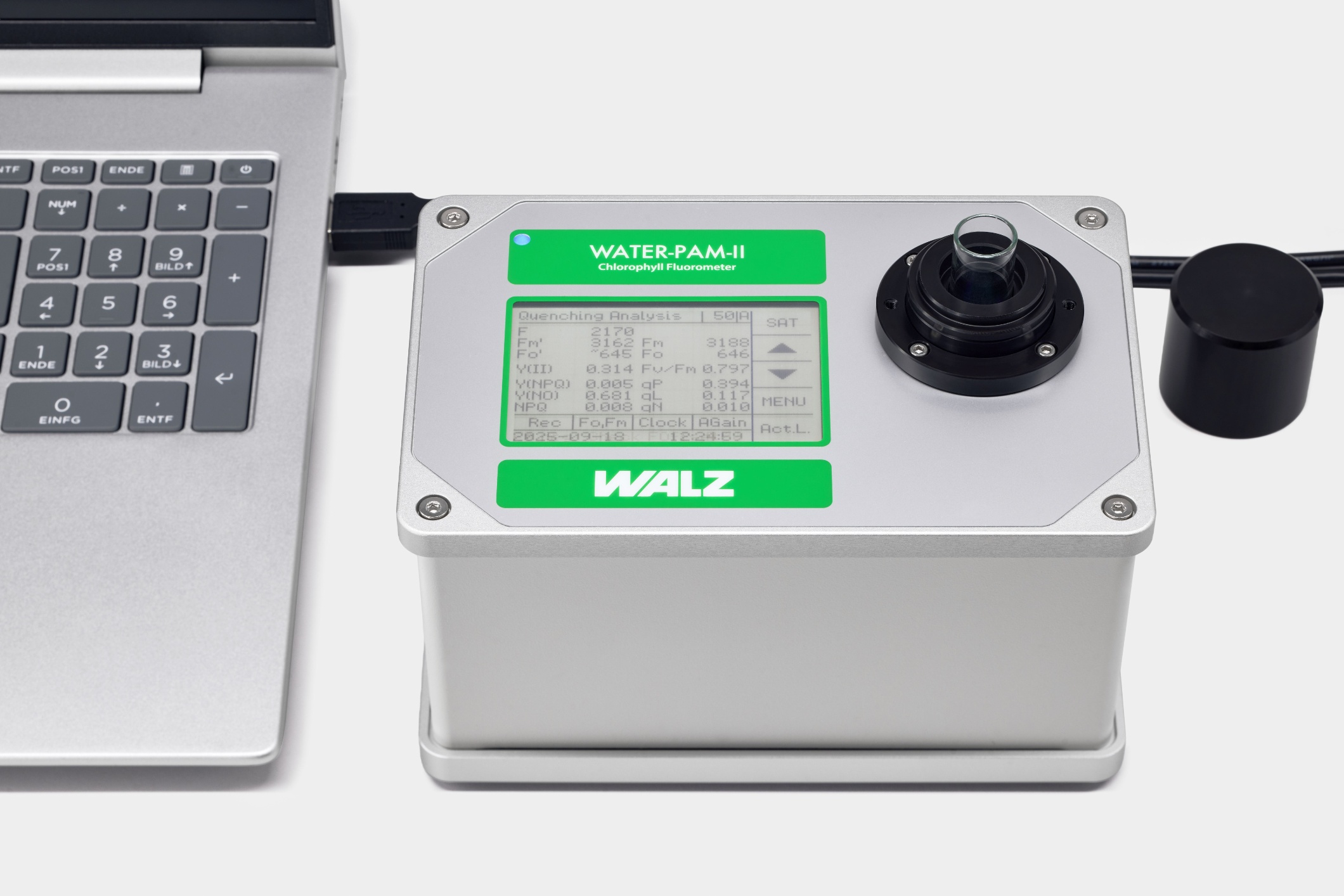
With the WATER-PAM-II a detailed analysis can be made of the photosynthetic activity of phytoplankton samples, including quenching parameters. It can be used as a stand-alone instrument or connected to an external computer running WinControl-3 software. In addition to simple single measurements, analysis protocols such as induction curves and light curves can be performed with easy-to-use program routines.
A new feature of WATER-PAM-II instruments is the differential analysis of algal content, providing a tool to determine the composition of algae populations with respect to three algae groups (green algae, cyanobacteria and brown algae), based on differences in the F-spectrum of these algal groups. A deconvoluted/differential analysis of photosynthetic activity of mixed algal samples is provided by PHYTO-PAM-II instruments.
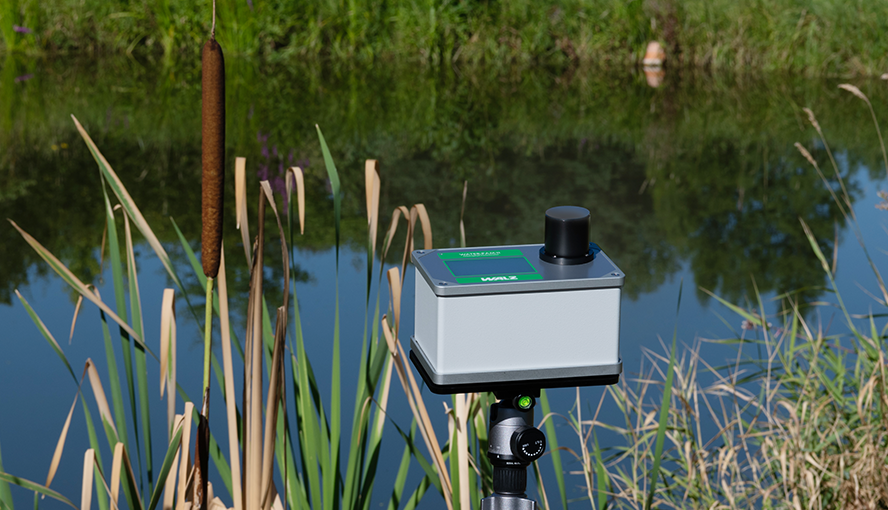
Compact and field-ready
- Integrated sun-readable touchscreen enabling easy operation and providing numerical and graphical display of the measurements
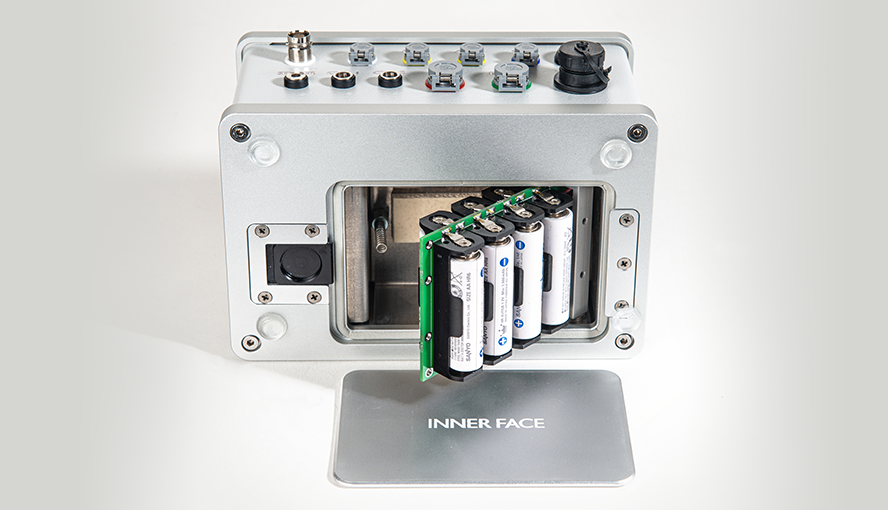
- Practical power supply: common, easily replaceable AA batteries (rechargeable)
- Energy-efficient LED light sources and storage capacity of 27,000 data sets for long-term field experiments
- Highly sensitive photomultiplier detector with automatic overexposure protection for safe use in sunny environments
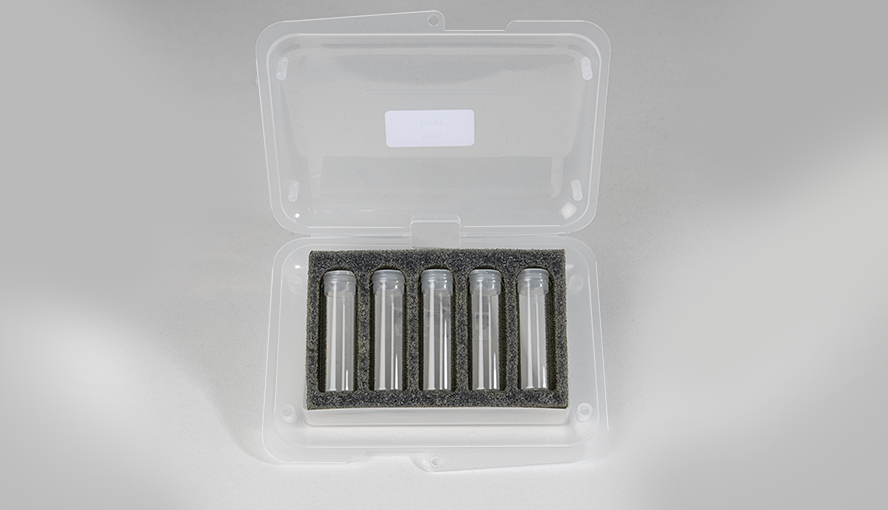
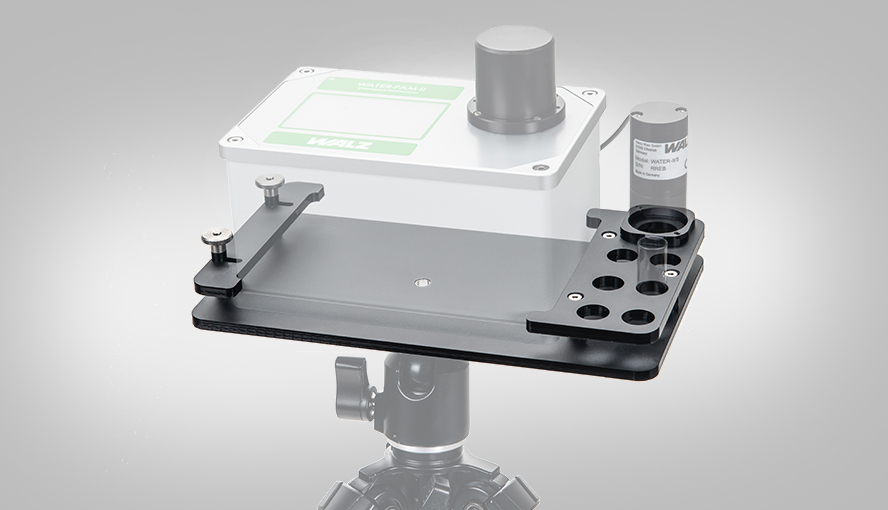
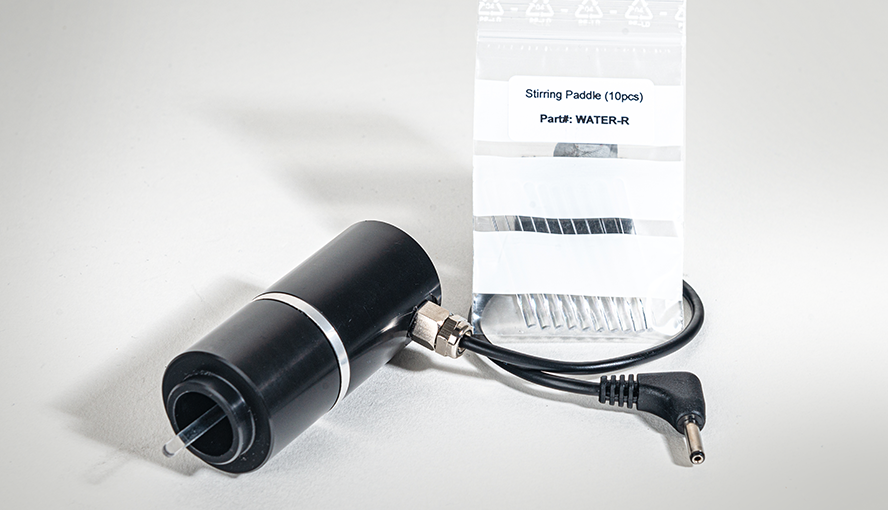
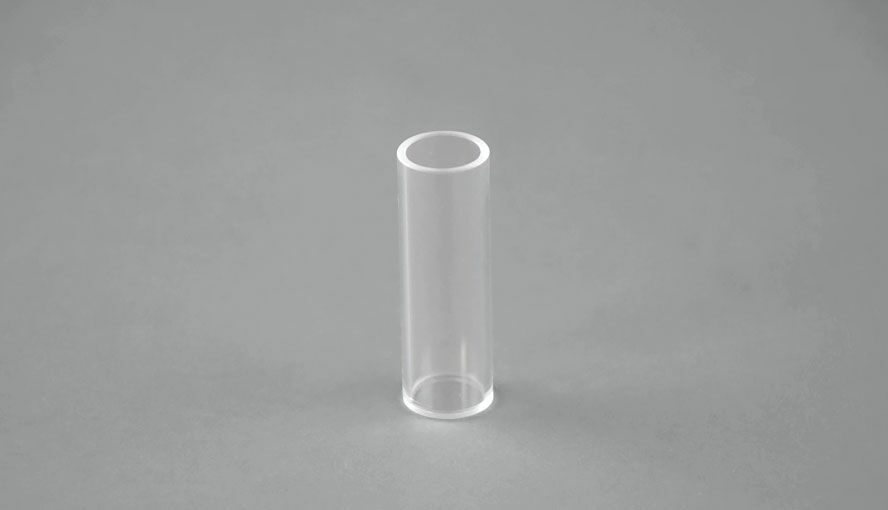
- Extensive set of accessories included: several cuvettes, a cuvette stand, and the US-SQS/L Light Sensor for precise light calibration
Scientific Publications using Walz Devices
Source: Google Scholar.
Keywords: (Walz OR Waltz) Effeltrich.
Date: June 22, 2026.
Ʃ = 19642
Source: Google Scholar.
Keywords: (Walz OR Waltz) Effeltrich.
Date: June 22, 2026.
Ʃ = 19642
Selected Publications
When a chaotropic agent turns into a nutrient - deciphering the assimilation of guanidine and its utilization to drive synthetic processes in cyanobacteria
bioRxiv-6
The toxigenic red-tide-forming dinoflagellates Alexandrium leei and Alexandrium catenella differ in terms of the sensitivity to strong light and low temperature of their photosynthetic machinery.
Algal Research 79: 103495
Nanoplastics increase the adverse impacts of lead on the growth, morphological structure and photosynthesis of marine microalga Platymonas helgolandica.
Marine Environmental Research 193: 106259
Towards a circular economy – Repurposing side streams from the potato processing industry by Chlorella vulgaris.
Journal of Environmental Management 366: 121796
Bioconversion of furanic compounds by Chlorella vulgaris – Unveiling biotechnological potentials.
Microorganisms 12: 1222
The role of cis-zeatin in enhancing high temperature resistance and fucoxanthin biosynthesis in Phaeodactylum tricornutum.
Applied and Environmental Microbiology 90: e02068-23
The photo-protective role of vitamin D in de microalga Emiliania huxleyi.
iScience 27: 109884
Recovery mechanism of a microalgal species, Chlorella sp. from toxicity of doxylamine: physiological and biochemical changes, and transcriptomics.
Journal of Hazardous Materials 474: 134752
Expeditionary studies in the Baltic Sea on Cruise 54 of the R/V Akademik Sergey Vavilov.
Oceanology 63: 928-930
The role of vitamin D in Emiliana huxleyi: a microalgal perspective.
bioRxiv
Current assessment of water quality and biota characteristics of the pelagic ecosystem of the Atlantic sector of Antarctica: the multidisciplinary studies by the institute of biology of the southern seas.
Water 14: 4103
Effects of atrazine and its two major derivatives on the photosynthetic physiology and carbon sequestration potential of a marine diatom.
Ecotoxicology and Environmental Safety 205: 111359
Annual patterns in phytoplankton phenology in Antarctic coastal waters explained by environmental drivers.
Limnology and Oceanography 65: 1651-1668
Environmental and seasonal dynamics altering the primary productivity in Bing-Nada (Bingo Sound) of the Seto Inland Sea, Japan.
Plankton Benthos Research 15: 78-96
Niche-based assembly of bacterial consortia on the diatom Thalassiosira rotula is stable and reproducible.
The ISME Journal 14: 1614-1625
Photosynthetic adaptation to light availability shapes the ecological success of bloom-forming cyanobacterium Pseudanabaena to iron limitation.
Journal of Phycology 6: 1457-1467
On the role and production of polyhydroxybutyrate (PHB) in the cyanobacterium Synechocystis sp.
Life 10: 47
Phytoplankton community response to changes in light: can glacial rock flour be used to control cyanobacterial blooms?
Frontiers in Environmental Science 8: 540607
Contrasting nonphotochemical quenching patterns under high light and darkness aligns with light niche occupancy in Arctic diatoms.
Limnology and Oceanography 66: S231-S245
Evaluation of the use of eucalyptus to control algae bloom and improve water quality.
Science of the Total Environment 667: 412-418
Dark metabolism: a molecular insight into how the Antarctic sea-ice diatom Fragilariopsis cylindricus survives long-term darkness.
New Phytologist 223: 675-691
Responses of phytoplankton assemblages to iron availability and mixing water masses during the spring bloom in the Oyashio region, NW Pacific.
Limnology and Oceanography 64: 197-216
A shifting balance: responses of mixotrophic marine algae to cooling and warming under UVR.
New Phytologist 221: 1317-1327
A fluorescence ratio-based method to determine microalgal viability and its application to rapid optimization of cryopreservation.
Cryobiology 81: 27-33
Combined effects of ocean acidification and nutrient levels on the photosynthetic performance of Thalassiosira (Conticribra) weissflogii (Bacillariophyta).
Phycologia 57: 121-129
Evaluation of the condition of respiration and photosynthesis by measuring chlorophyll fluorescence in cyanobacteria.
Bio-protocol 8: 2834
Annual phytoplankton primary production estimation in a temperate estuary by coupling PAM and carbon incorporation methods.
Journal of Sea Research 128: 25-31
Nationwide screening of surface water toxicity to algae.
Science of the Total Environment 645: 780-787
A shipboard comparison of analytic methods for ballast water compliance monitoring.
Journal of Sea Research 133: 11-19
Effects of selenite on green microalga Haematococcus pluvialis: Bioaccumulation of selenium and enhancement of astaxanthin production.
Aquatic Toxicology 183: 21-27
Optimal approaches for inline sampling of organisms in ballast water: L-shaped vs. Straight sample probes.
Journal of Sea Research 128: 25-31
Euglena gracilis as a promising eukaryotic model system for fast detection of high pressure induced cell destruction.
Environmental and Experimental Botany 133: 50-57
Implications of rising temperatures for gametophyte performance of two kelp species from Arctic waters.
Botanica Marina 60, 39-48
: Application of a pulse-amplitude-modulation (PAM) fluorometer reveals its usefulness and robustness in the prediction of Karenia mikimotoi blooms: a case study in Sasebo Bay, Nagasaki, Japan.
Harmful Algae 61: 63-70
Growth phase significantly decreases the DHA-to-EPA ratio in marine microalgae.
Aquaculture International 25: 577-587
Toxic effects of 1,4-dichlorobenzene on photosynthesis in Chlorella pyrenoidosa.
Environmental Monitoring and Assessment 188: 526
Different physiological and photosynthetic responses of three cyanobacterial strains to light and zinc.
Aquatic Toxicology 170: 251-258
Delayed fluorescence, steady state fluorescence, photosystem II quantum yield as endpoints for toxicity evaluation of Cu2+ and Ag+.
Environmental and Experimental Botany 130: 174-180
Characterization of H2 photoproduction by marine green alga Tetraselmis subcordiformis integrated with an alkaline fuel cell.
Biotechnology Letters 38: 435-440
Effect of elevated CO2 concentration on microalgal communities in Antarctic pack ice.
Deep Sea Research Part II: Topical Studies in Oceanography: 131: 160-169
Sample port design for ballast water sampling: Refinement of guidance regarding the isokinetic diameter.
Marine Pollution Bulletin 98: 148-155
The initiation of nocturnal dormancy in Synechococcus as an active process.
BMC Biology 13: 36
Aspects of resilience of polar sea ice algae to changes in their environment.
Hydrobiologia 761: 261-275
Quantifying indicatively living phytoplankton cells in ballast water samples - recommendations for Port State Control.
Marine Pollution Bulletin 101: 768-775
Interactive effect of UVR and phosphorus on the coastal phytoplankton community of the western Mediterranean Sea: unravelling eco-physiological mechanisms.
PloS One 10: e0142987
Identification of carbohydrates as the major carbon sink of the marine microalga Isochrysis zhangjiangensis (Haptophyta) and optimization of its productivity by nitrogen manipulation.
Bioresource Technology 171: 298-304
Photoprotection by foliar anthocyanins mitigates effects of boron toxicity in sweet basil (Ocimum basilicum).
Planta 240: 941-953
Effects of substrate differences on water availability for Arctic lichens during the snow-free summers in the High Arctic glacier foreland.
Polar Science 8: 397-412
Unimodal size scaling of phytoplankton growth and the size dependence of nutrient uptake and use.
Ecology Letters 16: 371-379
Sensitivity evaluation of the green alga Chlamydomonas reinhardtii to uranium by pulse amplitude modulated (PAM) fluorometry.
Aquatic Toxicology, 140–141: 288-294
Photosystem II photochemistry and phycobiliprotein of the red algae Kappaphycus alvarezii and their implications for light adaptation.
BioMed Research International 2013: 256549
Response to variable light intensity in photoacclimated algae and cyanobacteria exposed to atrazine.
Aquatic Toxicology 126: 77-84
Photoacclimation of cultured strains of the cyanobacterium Microcystis aeruginosa to high-light and low-light conditions.
FEMS Microbiology Ecology 83: 700-710
The effects of ultraviolet-B radiation on Antarctic sea-ice algae.
Journal of Phycology 48: 74-84
Multi-parametric relationships between PAM measurements and carbon incorporation, an in situ approach.
PLoS One 7: e40284
Different responses of photosynthesis and flow cytometric signals to iron limitation and nitrogen source in coastal and oceanic Synechococcus strains. (Cyanophyceae).
Marine Biology 159: 519-532
Effects of iron on the growth and minimal fluorescence yield of three marine Synechococcus strains (Cyanophyceae).
Phycological Research 60: 61-69
Effects of ultraviolet radiation and nutrients on the structure–function of phytoplankton in a high mountain lake.
Photochemical & Photobiological Sciences 11: 1087-1098
Ciliates as engineers of phototrophic biofilms.
Freshwater Biology 56: 1358-1369
he effects of temperature on the photosynthetic parameters and recovery of two temperate benthic microalgae, Amphora cf. coffeaeformis and Cocconeis cf. sublittoralis (Bacillariophyceae).
Journal of Phycology, 47: 1413-1424
Evidence for phenotypic plasticity in the Antarctic extremophile Chlamydomonas raudensis Ettl. UWO 241.
Journal of Experimental Botany 62: 1169-1177
Diel variation of chlorophyll-a fluorescence, phytoplankton pigments and productivity in the Sub-Antarctic and Polar Front Zones south of Tasmania, Australia.
Deep Sea Research Part II: Topical Studies in Oceanography 58: 21-22, 2189-2199
Simulated microgravity alters growth and microcystin production in Microcystis aeruginosa (cyanophyta)
Toxicon 56: 1-7
Primary productivity off the Antarctic coast from 30°–80°E; BROKE-West survey, 2006.
Deep Sea Research Part II: Topical Studies in Oceanography 57: 794-814
Physiological, biochemical, and ultrastructural responses of the green macroalga Urospora penicilliformis from Arctic Spitsbergen to UV radiation.
Protoplasma 243: 105-116
Relationship between photosynthetic processes and microcystin in Microcystis aeruginosa grown under different photon irradiances.
Harmful Algae 9: 18-24
Sensitivity of Antarctic Urospora penicilliformis (Ulotrichales, Chlorophyta) to ultraviolet radiation is life-stage dependent.
Journal of Phycology 45: 600-609
Photosynthetic response of Arctic kelp zoospores exposed to radiation and thermal stress.
Photochemical and Photochemical Sciences 8: 1302-1312
Detection limits for real-time source water monitoring using indigenous freshwater microalgae.
Water Environment Research 81: 2363-2371
Using chlorophyll fluorescence to monitor yields of microalgal production
Journal of Applied Phycology 21: 315-319
Biogeochemical conditions and ice algal photosynthetic parameters in Weddell Sea ice during early spring.
Polar Biology 32: 1055-1065
Small scale vertical gradients of Arctic ice algal photophysiological properties.
Photosynthesis Research 102: 53-66
Temperature-induced changes in thylakoid membrane thermostability of cultured, freshly isolated, and expelled zooxanthellae from scleractinian corals.
Bulletin of Marine Science 85: 223-244
Sea-ice algae: Major contributors to primary production and algal biomass in the Chukchi and Beaufort Seas during May/June 2002.
Deep Sea Research Part II: Topical Studies in Oceanography 56: 1201-1212
The effects of UV radiation on photosynthesis estimated as chlorophyll fluorescence in Zygnemopsis decussata (Chlorophyta) growing in a high mountain lake (Sierra Nevada, Southern Spain).
Journal of Limnology 68: 206-216
UV radiation - a threat to Antarctic benthic marine diatoms?
Antarctic Science 20: 13-20
Susceptibility of spores of different ploidy levels from Antarctic Gigartina skottsbergii (Gigartinales, Rhodophyta) to ultraviolet radiation.
Phycologia 47: 361-370
Photosynthetic response of Nodularia spumigena to UV and photosynthetically active radiation depends on nutrient (N and P) availability.
FEMS Microbiology Ecology 66: 230-242
Linking the physiology and ecology of Cochlodinium to better understand harmful algal bloom events: A comparative approach
Harmful Algae 7: 278–292
Effects of UV radiation on the photosynthesis of conchocelis of Porphyra haitanensis (Bangiales, Rhodophyta).
Phycologia 47: 241-248
What contributes to the sensitivity of microalgae to triclosan?
Aquatic Toxicology 90: 102-108
Alternative photosynthetic electron flow to oxygen in marine Synechococcus.
Biochimica et Biophysica Acta (BBA) - Bioenergetics 1777: 269-276
The use of pulse-amplitude modulated (PAM) fluorescence-based methods to evaluate effects of herbicides in microalgal systems of different complexity.
Toxicological & Environmental Chemistry 89: 665-681
Photosynthetic performance, DNA damage and repair in gametes of the endemic Antarctic brown alga Ascoseira mirabilis exposed to ultraviolet radiation.
Austral Ecology 32: 917-926
Spring sea ice photosynthesis, primary productivity and biomass distribution in eastern Antarctica, 2002–2004
Marine Biology 151: 985-995
Effect of selenate on growth and photosynthesis of Chlamydomonas reinhardtii.
Aquatic Toxicology 83: 149-158
Impact of ultraviolet radiation on cell structure, UV-absorbing compounds, photosynthesis, DNA damage, and germination in zoospores of Arctic Saccorhiza dermatodea.
Journal of Experimental Botany 57: 3847-3856
UV effects on stoichiometry and PUFAs of Selenastrum capricornutum and their consequences for the grazer Daphnia magna.
Freshwater Biology 51: 2296-2308
Photosynthetic characteristics of the phytoplankton in the Scheldt estuary: community and single-cell fluorescence measurements.
European Journal of Phycology 41: 425-434
Divergent composition of algal-bacterial biofilms developing under various external factors.
European Journal of Phycology 40: 1-8
Acclimation of Antarctic bottom-ice algal communities to lowered salinities during melting.
Polar Biology 27: 679-686
What contributes to the combined effect of a complex mixture?
Environmental Science & Technology 38: 6353-6362
The effects of Produced Formation Water (PFW) on coral and isolated symbiotic dinoflagellates of coral.
Marine and Freshwater Research 54: 153-162
Nitrogen starvation-induced chlorosis in Synechococcus PCC 7942. Low-level photosynthesis as a mechanism of long-term survival.
Plant Physiology 126: 233-243
WATER-PAM-II (Cuvette Version - WATER-PAM-II)
sources, 12 LED intensity and 12 pulse frequency settings are available, automatic change
of measuring light frequency.
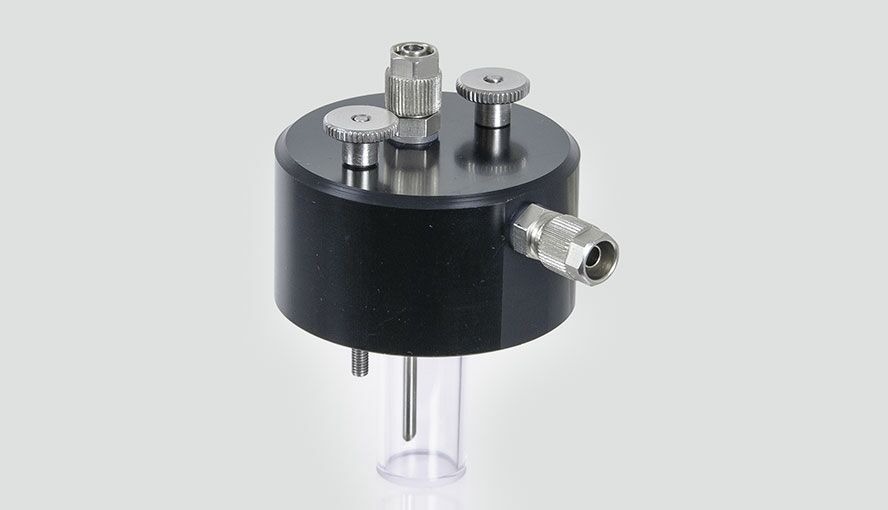
Suspension cuvette
WATER-PAM, DUAL-PAM-100,
ULM-500 (AUX), PAM-2500 and MINI-PAM (instead of Leaf Clip Holder 2030-B or 2060 M)
Same as Leaf Clip Holder 2030-B Includes hood for suspension cuvette, amplifier for aux input of PAM Control
0…2.5 V DC / 0…1000 μmol m-2 s-1 or 0…2.5 V DC / 0…20.000 μmol m-2 s-1 Power
Provided by connected instrument
Sensor: Diameter 1 cm
Length: 11 cm
Hood: Diameter 3.4 cm height: 3.2 cm
Amplifier: 5 x 5 x 5 cm (W x L x H)
175 g
Accessories
General Features and Graphical User Interface
WATER-PAM-II instruments can be operated in stand-alone mode or externally controlled by WinControl-3 software. Saturation pulse analysis, automated experimental protocols and analysis of algae composition can be performed. In the field the sun readable touchscreen provides experimental control as well as graphical and numerical data display. Continuous recording of fluorescence, modelling of light curves and recalculation of algae composition with new references requires WinControl-3 software.
The WinControl-3 software represents the latest version of the WinControl software family. Presently, WinControl-3 operates the MONITORING-PAM, MINI-PAM-II, DIVING-PAM-II, WATER-PAM-II, JUNIOR-PAM fluorometers, PAM-CONTROL operated instruments (WATER-PAM FIBER Version, MICROSCOPY-PAM and MICROFIBER-PAM) as well as the Universal Light Meter ULM-500.
Please follow this link to learn more about WinControl-3 operating WATER-PAM-II.


Data Evaluation
Saturating pulse analysis with automatic detection and calculation of standard fluorescence parameters: Fo, Fm, Fo’ (measured or calculated), Fm’, Fv/Fm, qP, qL, qN, NPQ, Y(II), Y(NPQ), Y(NO), ETR.
Automated Routines
Repetitive triggering of many fluorometer functions (e.g., dark-light induction and dark recovery curves) by adjustable clock.
Light Response Curves (Rapid Light Curves)
Automatic execution of light exposure protocols and fitting of two different model functions to data of light response experiments.
Data Export
Export in CSV (comma-separated values) format of original fluorescence traces, saturating pulse analysis data and parameter estimates of light response curves.
Customer-defined Measuring Protocols
Execution of customized experimental procedures using easily programmable batch files.
Usage
Highlights
- Most sensitive instrument for the analysis of phytoplankton in aqueous samples
- Detailed analysis of the sample's photosynthetic performance including quenching parameters
- Analysis of algal population (three algae groups)
- Easy operation, numerical and graphical display of measurements
- Ideal for on-deck and field applications, battery power for more than 30 h of standard experiments
Downloads
- Software: WinControl-3.41_Software
- Manuals & Documentation: WATER-PAM-II Manual
- Manuals & Documentation: WATER-PAM Manual