MONITORING-PAM
Fluorometer for Long-term Monitoring of Photosynthesis
Continuous Chlorophyll Fluorescence Monitoring
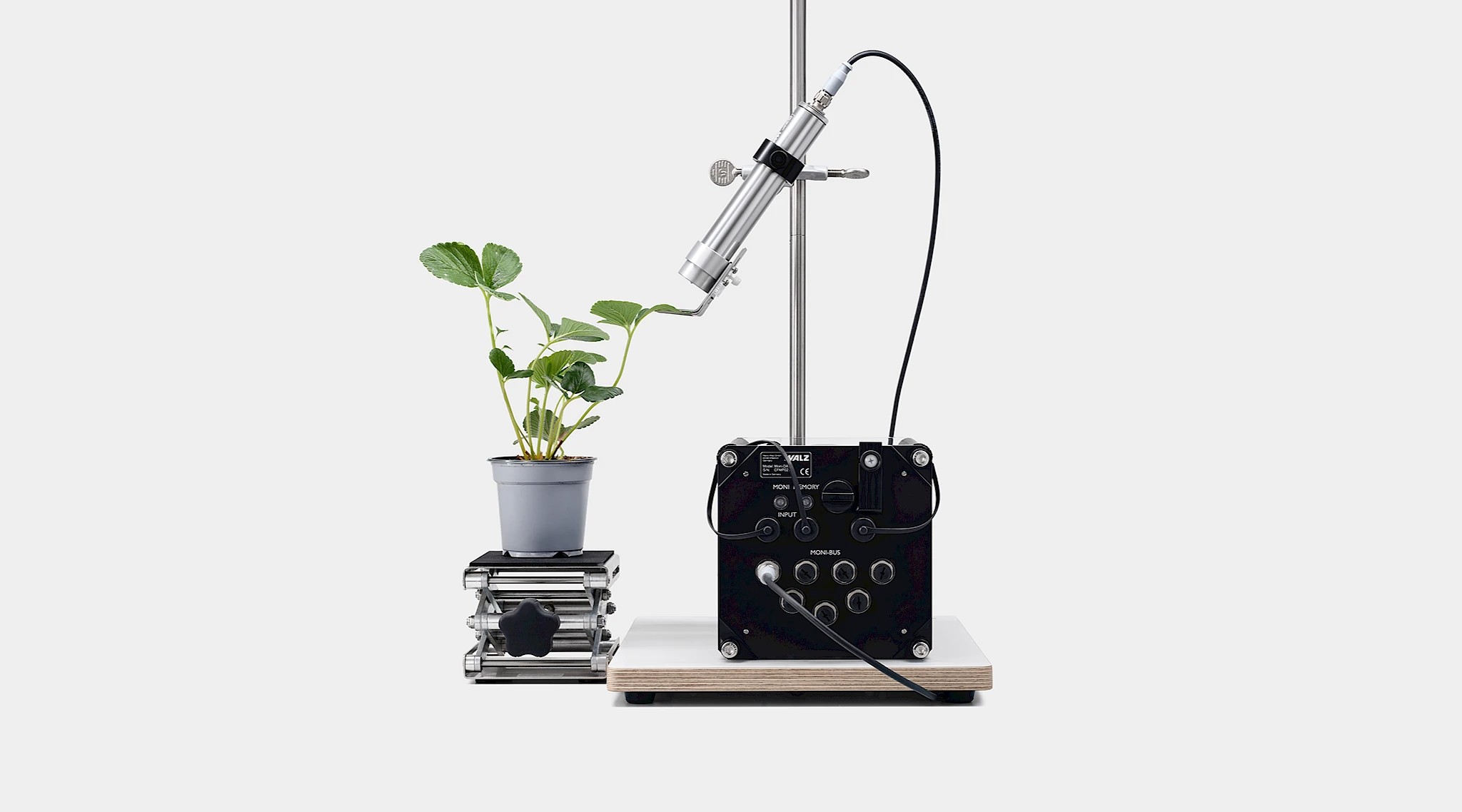
The MONITORING-PAM is a multi-site fluorometer designed for continuous, unattended chlorophyll fluorescence monitoring in the field or underwater. Compact emitter-detector heads measure modulated chlorophyll fluorescence and perform saturation pulse analysis autonomously - for weeks or months without manual intervention.
Each measuring head records photosynthetically active radiation (PAR) at sample level, enabling automatic calculation of relative electron transport rates. Up to seven sites per system can be monitored simultaneously, making the MONITORING-PAM ideal for studying spatial and temporal variation in photosynthetic activity across multiple locations.
Terrestrial and Aquatic Versions
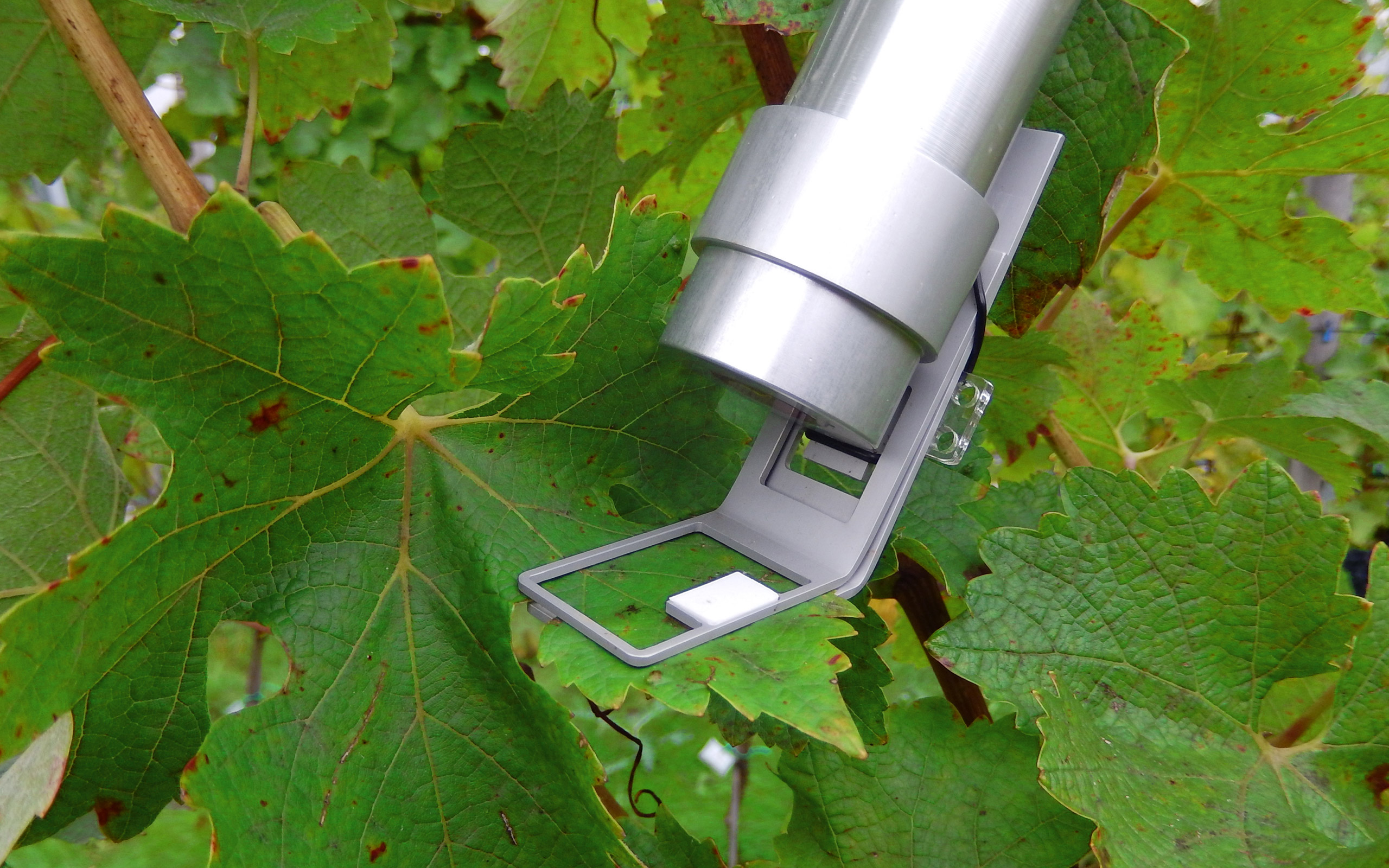
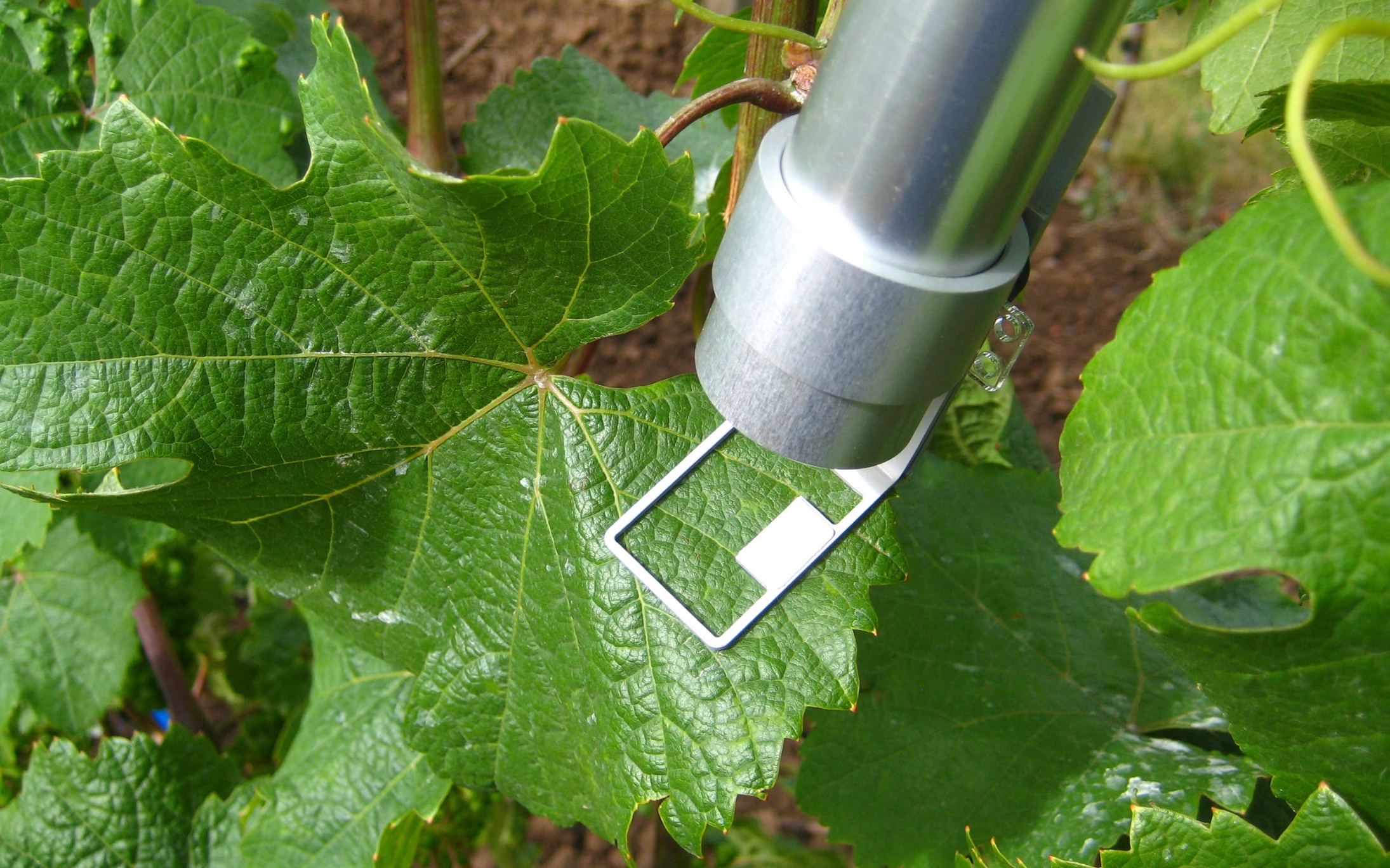
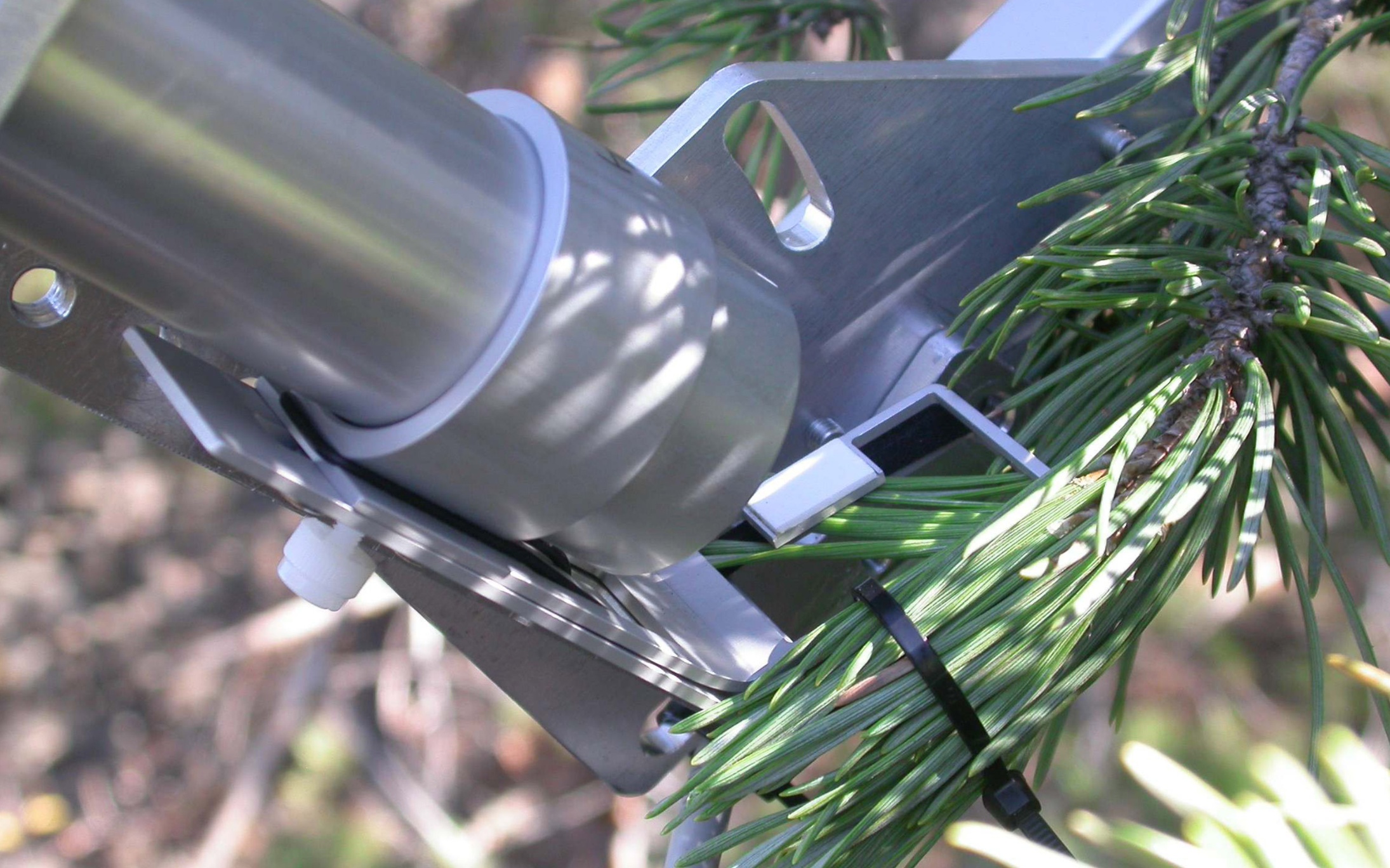
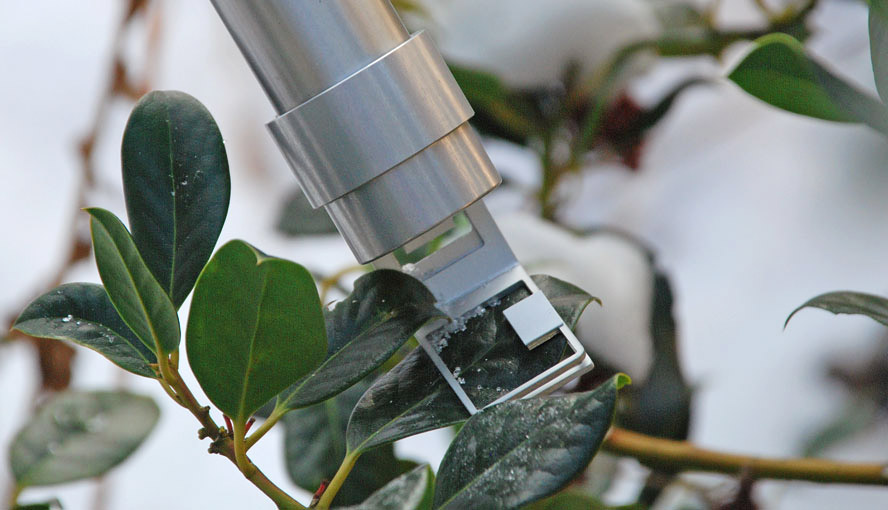
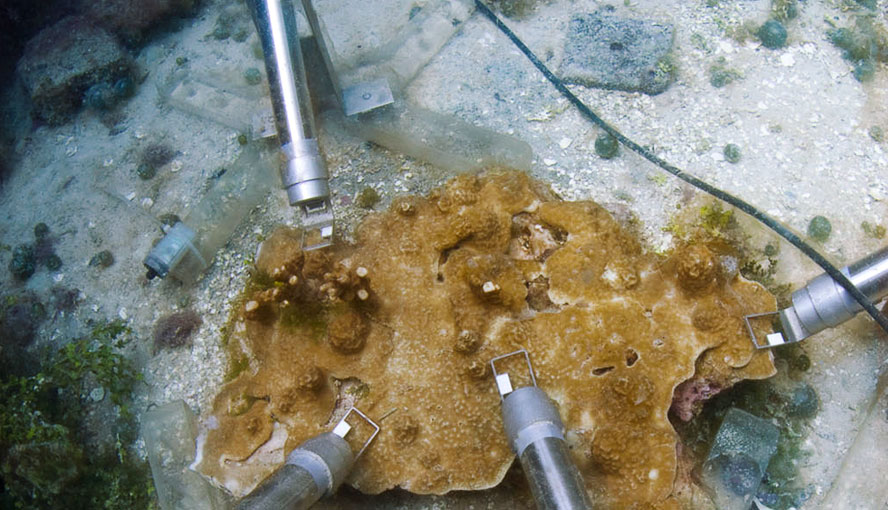
Two types of emitter-detector heads are available. The Terrestrial version (MONI-HEAD/485) features a leaf clip with ambient light-reflecting Teflon for measurements on leaves, needles, lichen, and moss. The Aquatic version (MONI-HEAD/S) uses a titanium sample clip for underwater chlorophyll fluorescence measurements on corals, macroalgae, and submerged surfaces.
General Features MONITORING-PAM
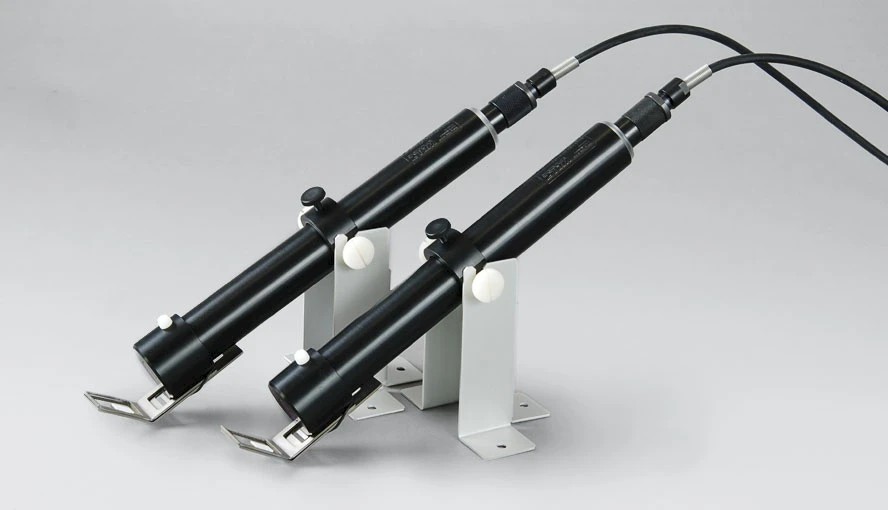
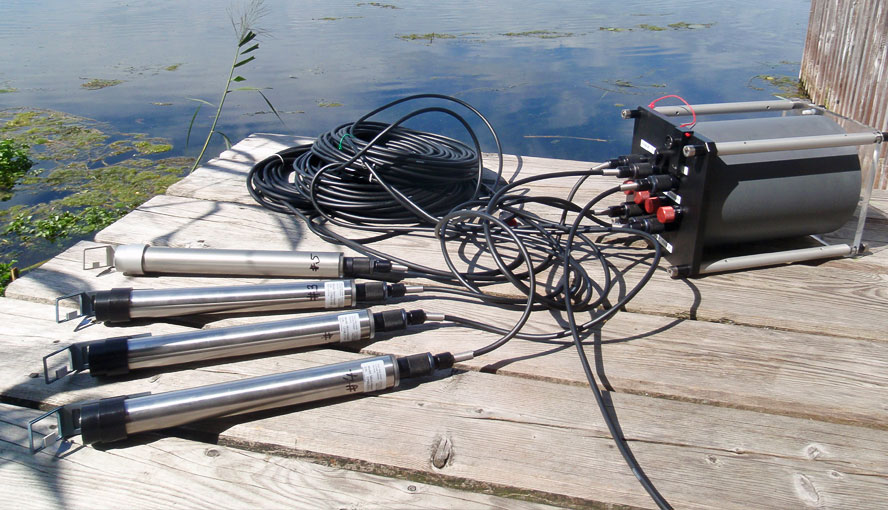
The multi-site chlorophyll fluorometer MONITORING-PAM operates several emitter-detector heads in parallel. A clip attached to each head positions the sample at defined distance and angle. Each emitter-detector head is equipped with a blue power LED. Based on exact timing of function, this LED provides modulated fluorescence excitation light, actinic light and saturation flashes. A lens focuses the LED radiation on the sample, and collects fluorescence. Maximum saturation pulse intensity at sample level exceeds 8,500 μmol m-2 s-1.
Built for Remote and Extreme Environments
The MONITORING-PAM is tested under extreme temperatures and designed for deployment in remote locations. Data can be retrieved via WiFi or satellite modem, minimizing the need for site visits. This makes the system suitable for long-term deployments in forests, alpine environments, Arctic and tropical field stations, and underwater habitats.


Pioneering use of the MONITORING-PAM AQUATIC version: World's first real-time, open-science, continuous coral monitoring in the Red Sea.
Coral reefs are under increasing threat from anthropogenic pressure, including rising sea temperatures, ocean acidification, and pollution. Monitoring coral health and understanding how environmental conditions impact them is essential for informed scientific research, conservation, and policymaking. The fragile state of most reef ecosystems underscores the urgency of generating accurate, real-time, and actionable monitoring data.
The Gulf of Aqaba (GoA) stands out as a marine refuge, with its reef-building corals demonstrating remarkable resilience to rising ocean temperatures.
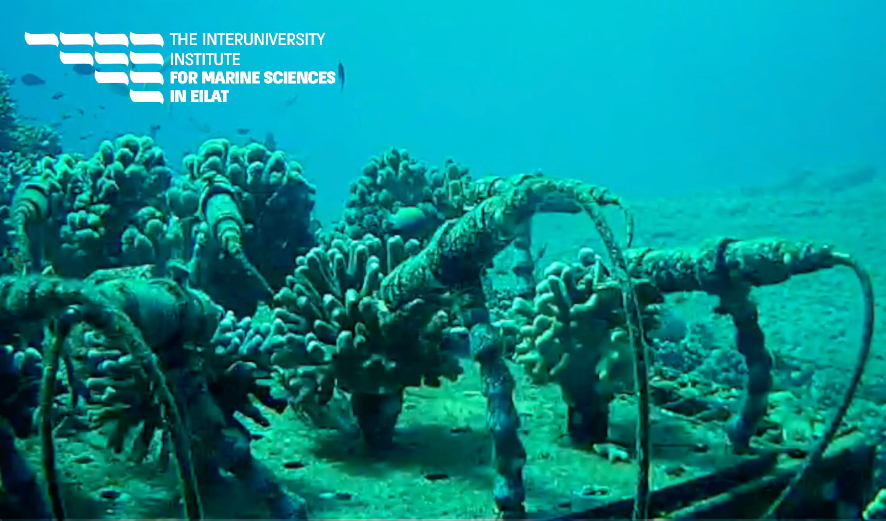
The world's first real-time, open data Coral Monitoring Network (CMN) was established to collect diverse data streams curated in an open-access online database. This database empowers researchers from across the region and around the world to collaborate and advance our understanding of how environmental conditions affect coral function and well-being. The Coral Monitoring Network currently rope in 3 stations in the Gulf of Aqaba: Coral Monitoring Station (CMS) I in Eilat at 6 m depth, CMS II at the same depth in Aqaba Jordan and CMS III in Eilat at 42 m depth.
The CMS is based on a MONITORING-PAM which measures continuously coral physiological performance (chlorophyll fluorescence) of 8 coral colonies and valuable real-time data of several environmental parameters (e.g., air and water temperature, wind speed and direction, light intensity at surface and underwater). Streaming video provides additional information on fish activity, coral pigmentation and light environment. The high-temporal-resolution of data provided by the CMN offer a comprehensive understanding, empowering scientists, managers, and the wider community to take informed action.


Click on the link below to see live video and PAM fluorescence data of a Coral Monitoring Station in the Gulf of Aqaba. The research site is part of a network for science-based conservation and management in the Red Sea region. Access to the monitoring station is kindly provided by Dr. Moaz Fine, Professor of Marine Ecology, Hebrew University in Jerusalem and Interuniversity Institute for Marine Sciences in Eilat (IUI). Archived data is available for researchers, managers, students, and teachers (PAM Dashboard).
Photosynthesis in Lakes
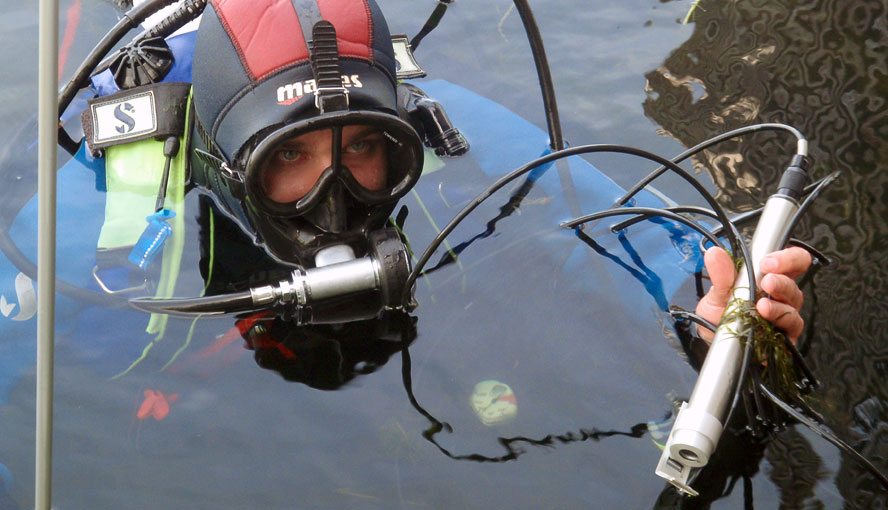
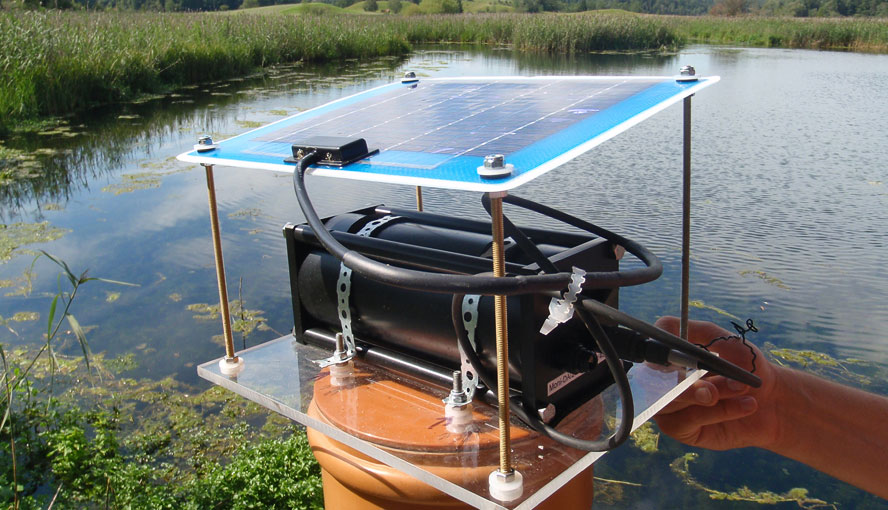
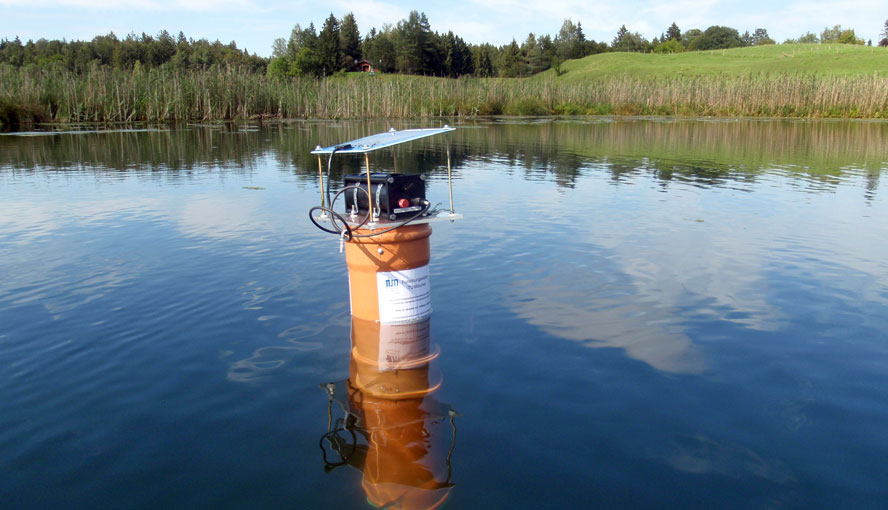
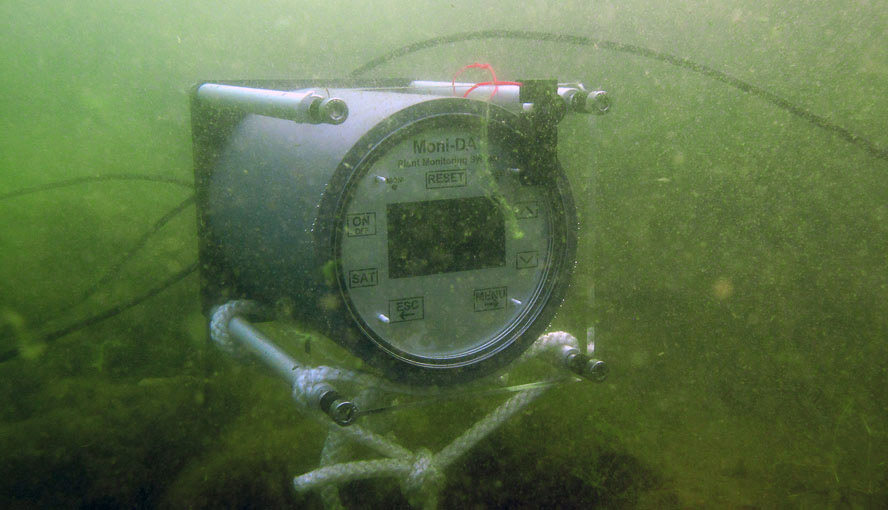
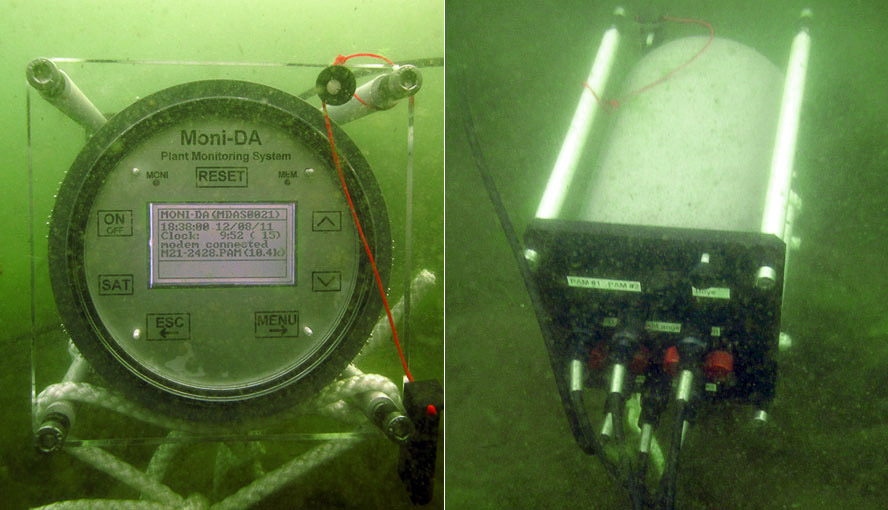
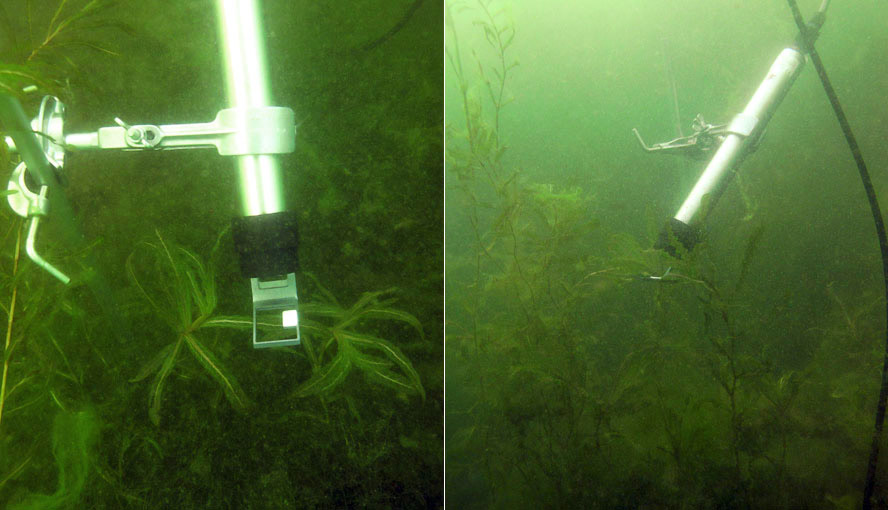
The sub water MONITORING-PAM in STAND-ALONE configuration was employed to continuously monitor photosynthesis in a monocotyledonous plant growing in Southern Bavarian lakes (Osterseen).
The work is part of the PhD work of M.Sc. Nicolas Eckert carried out at the limnological research base of the Technical University of Munich, Iffeldorf (head Prof. A. Melzer).
The Geisenheim FACE Experiment
The FACE (Free Air Carbon Dioxide Enrichment) site of the Hochschule Geisenheim and a similar site of the Justus Liebig-Universität Giessen form the experimental backbone of the LOEWE research cluster “FACE2FACE”. With substantial support from the state of Hessen, researchers strive to understand how elevated CO2 of the earth’s future atmosphere affects life.
Being the outstanding center of German grapevine breeding and research for almost 150 years, the Hochschule Geisenheim naturally includes grapevine plants in their FACE research program. Currently, a white and a red grape variety are investigated: Riesling and Cabernet Sauvignon, respectively.
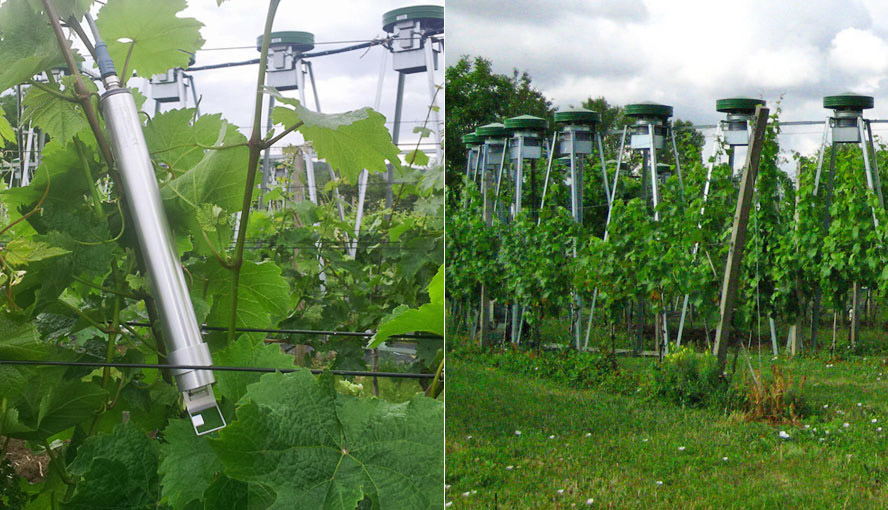
Right: Ring of CO2 outlets. Picture by courtesy of S. Tittmann and Y. Wohlfahrt, Hochschule Geisenheim.
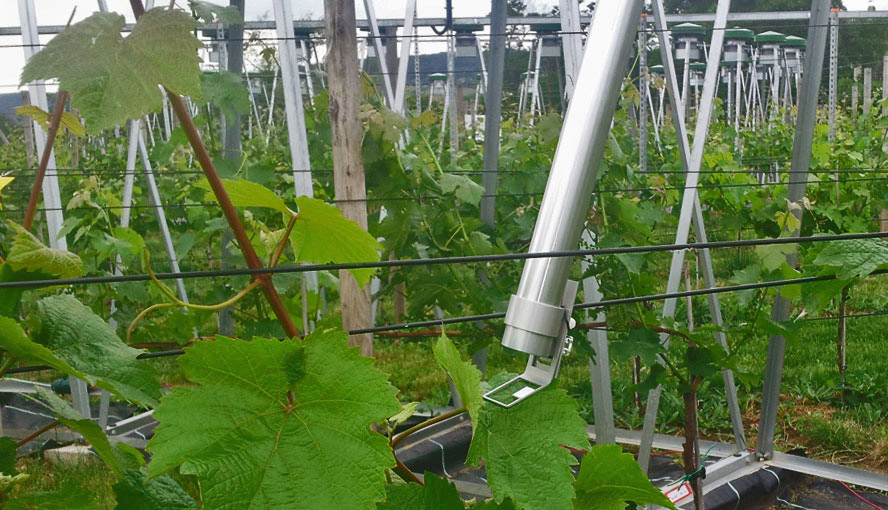
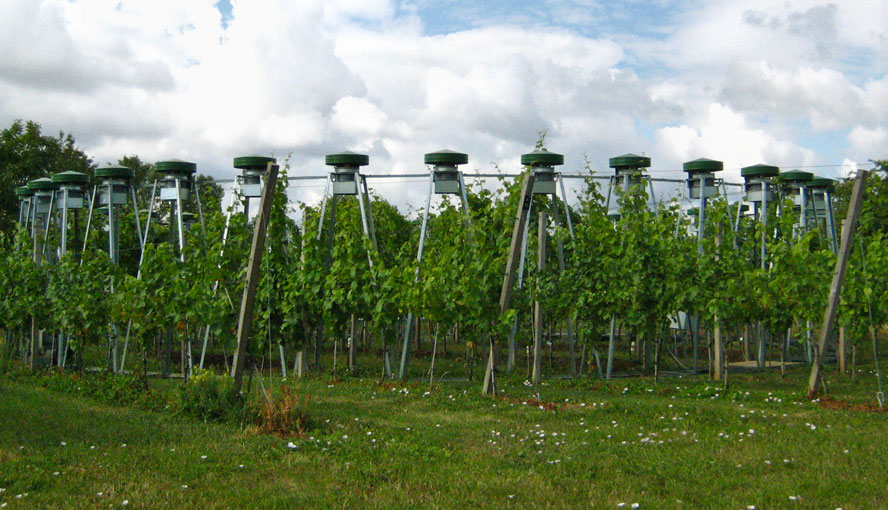
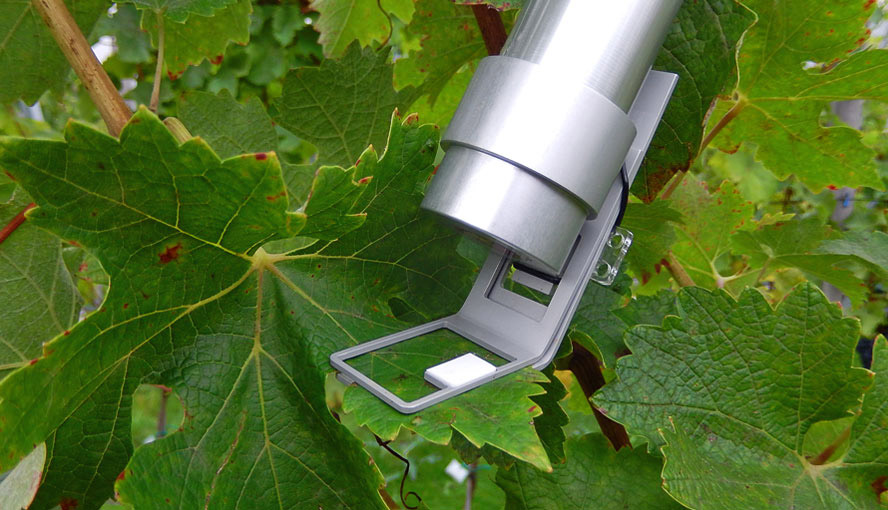
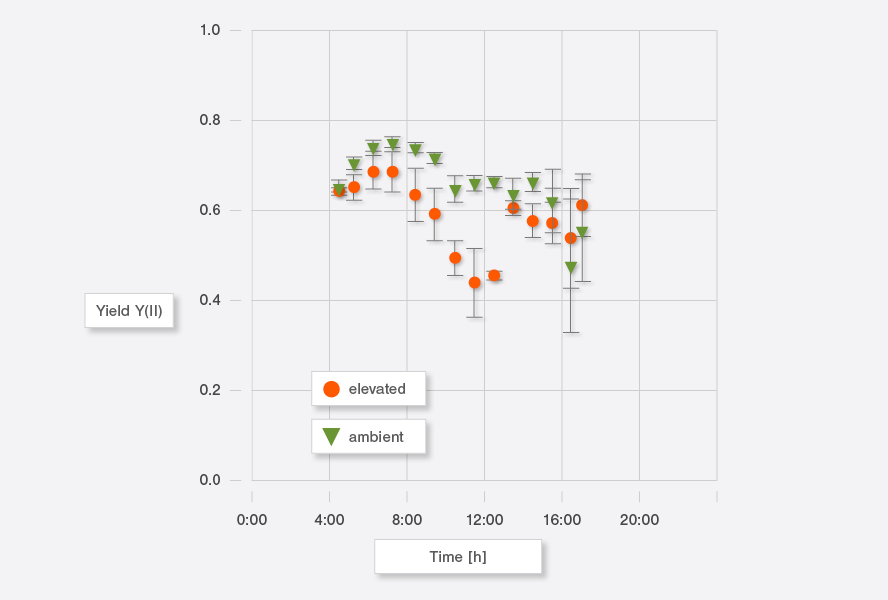
Led by Dr. Manfred Stoll, the Geisenheim research group records long-term effects on photosynthesis with two MONITORING-PAM systems, each capable of surveying simultaneously four samples. The MONITORING-PAMs determine data of Y(II) which indicate the efficiency of photosystem II to convert absorbed light into chemical energy. Figure 1 shows averages of 14 diurnal measurements of Y(II) carried out in June 2014.
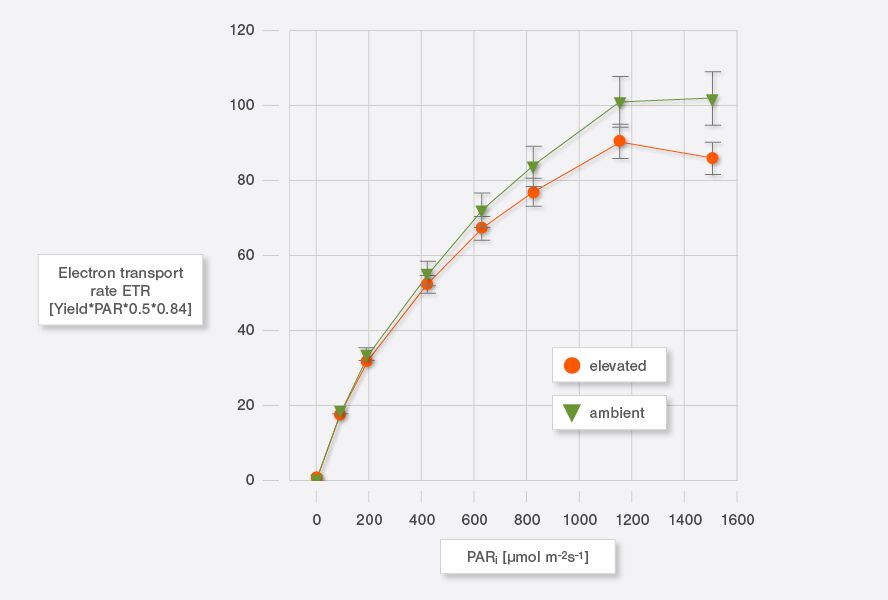
These daytime measurements were accompanied by experiments at night in which the response of Y(II) to increasing light intensities (PAR) from the MONI measuring heads was recorded. From Y(II) and PAR, photosynthetic electron transport rates were calculated and plotted against the respective PAR values (Fig. 2).
Based on these “light response curves”, acclimation state and maximum capacity of photosynthesis can well be assessed. The Geisenheim grapevine researchers crosscheck MONITORING-PAM data by CO2 gas exchange measurements using a GFS-3000 device. Apart from photosynthesis, the project is expected to yield general insights into plant growth, berry development, and wine quality under future climate conditions.
Continuous Monitoring
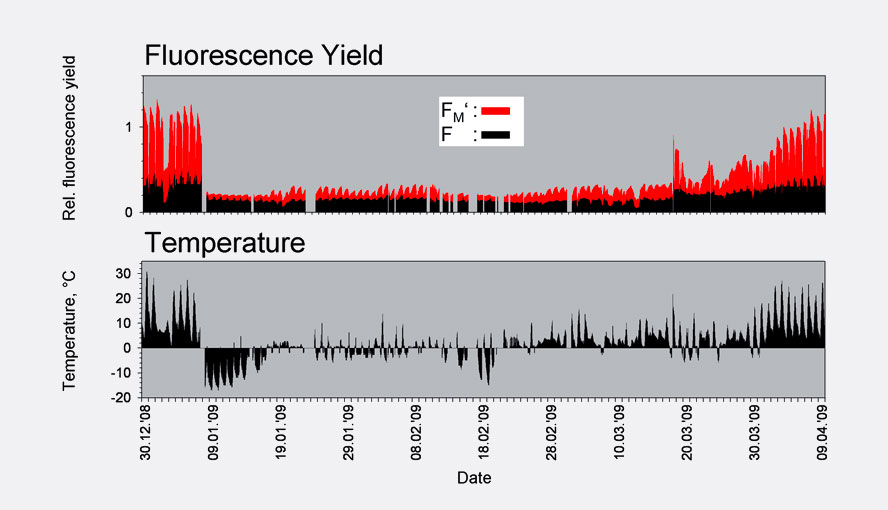
Continuous monitoring of fluorescence from a leaf of Ilex aquifolium, and of air temperature by the STANDALONE configuration of the TERRESTRIAL version of the MONITORING-PAM. The measurements reveal that Fm’ and F fluorescence levels dropped sharply during onset of a frost period on 07.01.2009. Fluorescence levels recovered close to initial values only at beginning of April when day temperatures reached 20°C and night temperatures did not drop below 5°C.
Likely, the sustained fluorescence quenching during low temperatures reflects markedly increased dissipation of absorbed light energy. This energy dissipation can prevent damage by light under very low temperature conditions when light energy can not be used by biochemistry.
The MONITORING-PAM in the Field
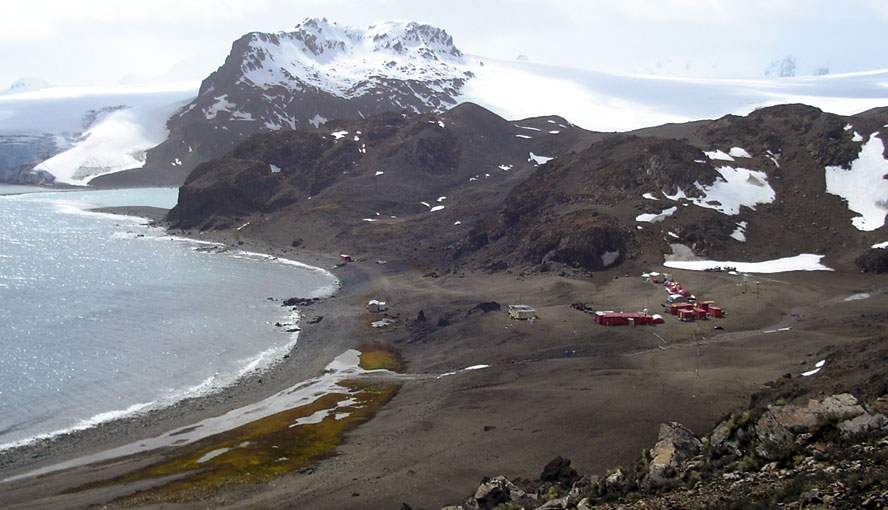
Photography by courtesy of Rolf Gademann.
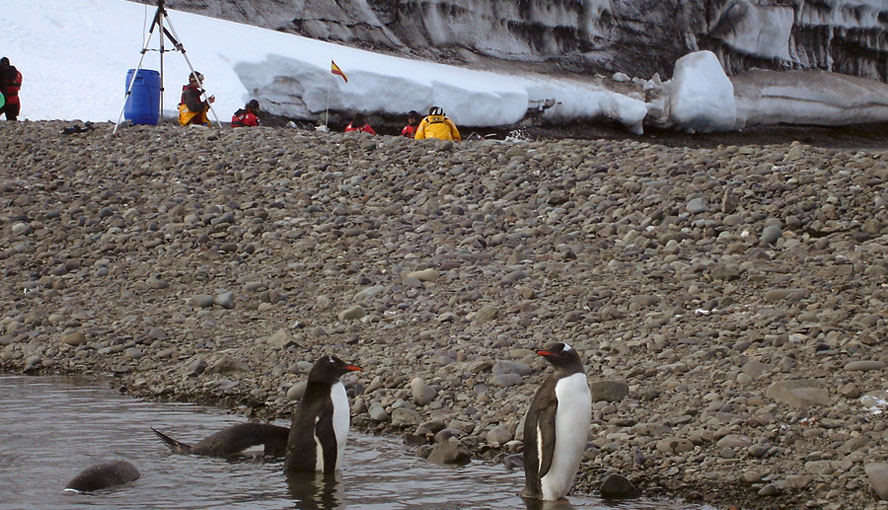
Photography by courtesy of Rolf Gademann.
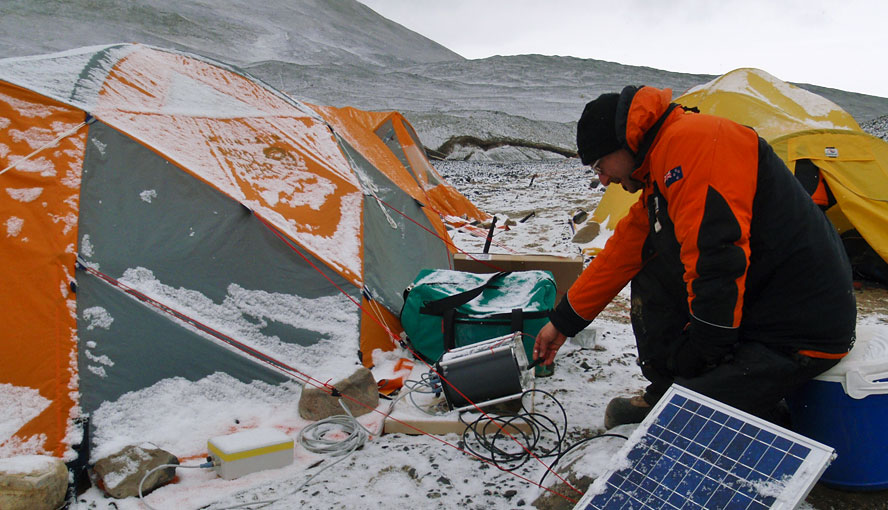
Photography by courtesy of Rolf Gademann.
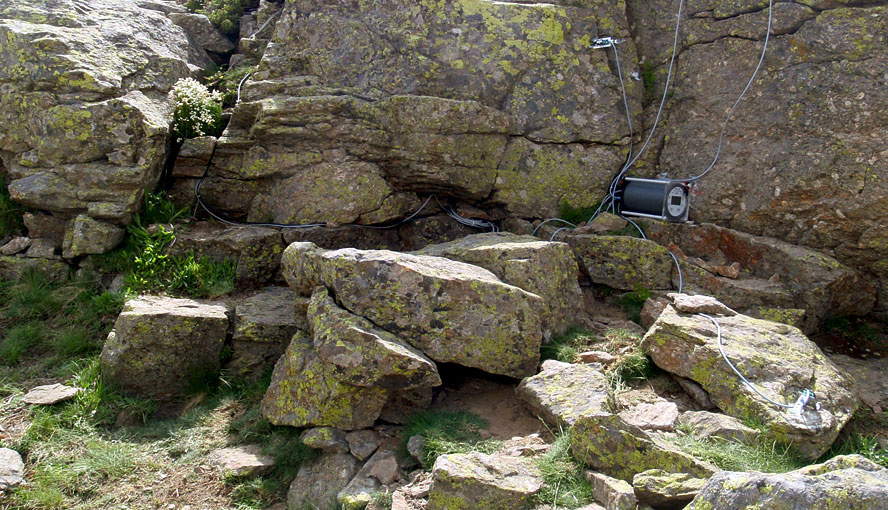
Photography by courtesy of Rolf Gademann.

Photography by courtesy of Albert Porcar-Castell.
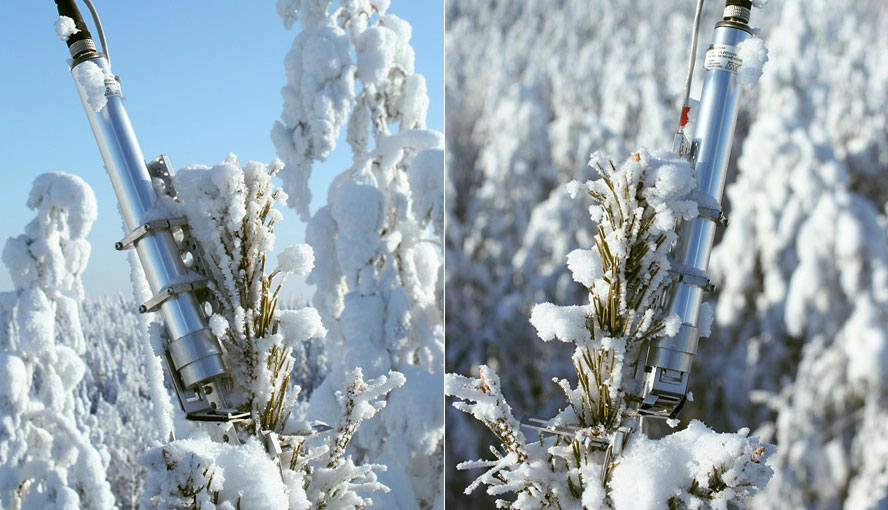
Photography by courtesy of Albert Porcar-Castell.
Scientific Publications using Walz Devices
Source: Google Scholar.
Keywords: (Walz OR Waltz) Effeltrich.
Date: June 22, 2026.
Ʃ = 19642
Source: Google Scholar.
Keywords: (Walz OR Waltz) Effeltrich.
Date: June 22, 2026.
Ʃ = 19642
Selected Publications
Time-course transcriptomic information unravels the mechanism of improved drought tolerance by drought-priming in wheat.
Journal of Integrative Agriculture 24: 2902-2919
Quantifying PSII open centers and multiscale photosynthetic electron transport with solar-induced chlorophyll fluorescence
SSRN
Gulf of Aqaba as a thermal refuge: insights from four years of intensifying marine heatwaves
Science of the Total Environment 1000: 180463
Effects of nitrogen addition on the growth and photosynthetic physiology of Gleditsia sinensis Lam. seedlings under shading conditions
Scientific Reports 15: 32727
Ecophysiological variables retrieval and early stress detection: insights from a synthetic spatial scaling exercise
International Journal of Remote Sensing 46: 443-468
Integrating diurnal and physiological and structural variations in SIF for enhanced daily drought detection in maize
Remote Sensing 17: 565
A practical guide to long-term field PAM chlorophyll fluorescence measurements: setup, installation, data processing with R package 'LongTermPAM' and interpretation
Photosynthesis Research 163: 45
A non-rectifying potassium channel increases cassava drought tolerance and storage root yield
bioRxiv-5
Selection and evaluation of native plants for rain gardens in tropical regions: a dual-method assessment framework
Plant-Environment Interactions 6: e70088
Seasonal timing of fluorescence and photosynthetic yields at needle and canopy scales in evergreen needleleaf forests.
Ecology 105: e4402
The biological basis for using optical signals to track evergreen needleleaf photosynthesis.
BioScience 74: 130-145
Effects of experimental CO2 enrichment on the PS II photochemical efficiency of Symbiodinium sp. in Acropora millepora.
Qeios
Photosynthetic performance of tidally flooded Spartina alterniflora salt marshes.
JGR Biogeosciences 128: e2022JG007161
Short-term impact of decomposing crown-of-thorn starfish blooms on reef-building corals and benthic algae: a laboratory study.
Water 16: 190
The process of winter reddening does not enhance cold resistance in Pinus massoniana Lam, seedlings.
Forests 15: 1527
The effects of atmospheric nitrogen deposition in coral-algal phase shifts on remote coral reefs.
Frontiers in Marine Science 11: 1214449
Physiological response of tomato and cucumber plants to micro-spray in high-temperature environment: a scientific and effective means of alleviating crop heat stress.
Agronomy 11: 2798
Chlorophyll fluorescence parameter as a predictor of tomato growth and yield under CO2 enrichment in protective cultivation.
Agricultural Water Management 284: 108333
Overexpression of LHCSR and PsbS enhance light tolerance in Chlamydomonas reinhardtii.
Journal of Photochemistry and Photobiology B 244: 112718
Growth response to nitrate enrichment helps facilitate success of an alien Potamogeton in New Zealand streams.
Heliyon 9: e15528
PS II photochemical efficiency and chlororespiration of Acropora millepora zooxanthella in carbonated seawater.
Research Square
Temporal heterogeneity in photosystem II photochemistry in Artemisia ordosica under a fluctuating desert environment.
Frontiers in Plant Science 13: 1057943
Morphological and physiological responses of Pinus massoniana seedlings of different light gradients.
Forests 12: 523
Application of ethylene for ripening of 1-MCP treated pear after cold storage.
Acta Alimentaria 51: 176-184
Heatwave breaks down the linearity between sun-induced fluorescence and gross primary production.
New Phytologist 233: 2415-2428
Morphological and physiological screening to predict lettuce biomass production in controlled environment agriculture.
Remote Sensing 14: 316
Scaling photosynthetic function and CO2 dynamics from leaf to canopy level for maize – dataset combining diurnal and seasonal measurements of vegetation fluorescence, reflectance and vegetation indices with canopy gross ecosystem productivity.
Data in Brief 39: 107600
Unraveling the physical and physiological basis for the solar-induced chlorophyll fluorescence and photosynthesis relationship using continuous leaf and canopy measurements of a corn crop.
Biogeosciences 18: 441-465
Morphological and physiological responses of Pinus massoniana seedlings to different light gradients.
Forests 12: 523
Response of bean (Phaseolus vulgaris L.) to elevated [CO2] in yield, biomass and chlorophyll fluorescence.
2021 IEEE International Geoscience and Remote Sensing Symposium IGARSS
Global analysis of gene expression profiles in glutinous rice 89-1 (Oryza sativa L.) seedlings exposed to chilling stress.
Plant Molecular Biology Reporter 39: 626-639
In situ measurements of winter wheat diurnal changes in photosynthesis and environmental factors reveal new insight into photosynthesis improvement by super-high-yield cultivation.
Journal of Integrative Agriculture 20: 527-539
Solar-induced chlorophyll fluorescence is non-linearly related to canopy photosynthesis in a temperate evergreen needleleaf forest during the fall transition.
Remote Sensing of Environment 258: 112362
The roles of photochemical and non-photochemical quenching om regulating photosynthesis depend on the phases of fluctuating light conditions.
Tree Physiology 42: 848-861
A biological agent modulates the physiology of barley infected with Drechslera teres.
Scientific Reports 11: 8330
Study of ecophysiological responses of the Antarctic fructicose Lichen Cladonia borealis using the PAM fluorescence system under natural and laboratory conditions.
Plants 9: 85
Quality maintenance of broccoli by the use of 1-MCP treatments.
Progress in Agricultural Engineering Sciences 16: 95-103
Fluorescence correction vegetation Index (FCVI): a physically based reflectance index to separate physiological and non-physiological information in far-red sun-induced chlorophyll fluorescence.
Remote Sensing of Environment 240: 111676
High resilience to extreme climatic changes in the CAM epiphyte Tillandsia utriculata L. (Bromeliaceae).
Physiologia Plantarum 168: 547-562
High resilience to extreme climatic changes in the CAM epiphyte Tillandsia utriculata L. (Bromeliaceae).
Physiologia Plantarum 168: 547-562
Photosynthetic responses to high temperature and strong light suggest potential post-flowering drought tolerance of sorghum Japanese landrace Takakibi.
Plant & Cell Physiology 60: 2086-2099
Diurnal and seasonal solar induced chlorophyll fluorescence and photosynthesis in a boreal Scots pine canopy.
Remote Sensing 11: 273
Diurnal and seasonal variations in chlorophyll fluorescence associated with photosynthesis at leaf and canopy scales.
Remote Sensing 11: 488
More than just CO2-recycling: corticular photosynthesis as a mechanism to reduce the risk of an energy crisis induced by low oxygen.
New Phytology 219: 551-564
Physiological response of Arundo donax L. to thallium accumulation in a simulated wetland.
Marine and Freshwater Research 69: 714-720
Diurnal changes in photosynthesis by six submerged macrophytes measured using fluorescence.
Aquatic Botany 149: 33-39
Stimulation of PS II-operating efficiency from chlorophyll fluorescence in response to light and temperature in chrysanthemum (Dendranthema grandiflora) using a multilayer leaf model.
Photosynthetica 56: 633-640
Enhanced thylakoid photoprotection can increase yield and canopy radiation use efficiency in rice.
Communications Biology 1: 22
The Red Sea simulator: a high precision climate change mesocosm with automated monitoring for the long-term study of coral reef organisms.
Limnology and Oceanography Methods 16: 367-375
Responses of tree seedlings near the alpine treeline to delayed snowmelt and reduced sky exposure.
Forests 9: 12
Diurnal response of effective quantum yield of PS II photochemistry to irradiance as an indicator of photosynthetic acclimation to stressed environments revealed in a xerophytic species.
Ecological Indicators 74: 191-197
Diurnal solar energy conversion and photoprotection in rice canopies.
Plant Physiology 173: 495-508
Chlorophyll fluorescence upper-to-lower-leaf ratio for determination of irrigation time for Pentas lanceolata.
Photosynthetica 54: 193-200
High C3 photosynthetic capacity and high intrinsic water use efficiency underlies the high productivity of the bioenergy grass Arundo donax.
Scientific Reports 6: 20694
Growth properties and biomass production in the hybrid C4 crop Sorghum bicolor.
Plant & Cell Physiology 57: 944-952
Allocation of absorbed light energy in photosystem II in NPQ mutants of Arabidopsis.
Plant & Cell Physiology 57: 1484-1494
Entrapped sediments as a source of phosphorus in epilithic cyanobacterial proliferations in low nutrient rivers.
PLoS ONE 10: e0141063
Burkholderia phytofirmans PsJN reduces impact of freezing temperatures on photosynthesis in Arabidopsis thaliana.
Frontiers in Plant Science 6: 810
Dynamics of leaf gas exchange, chlorophyll fluorescence and stem diameter changes during freezing and thawing of Scots pine seedlings..
Tree Physiology 35: 1314-1324
Using the quantum yields of photosystem II and the rate of net photosynthesis to monitor high irradiance and temperature stress in chrysanthemum (Dendranthema grandiflora).
Plant Physiology and Biochemistry 90: 14-22
Onset of photosynthesis in spring speeds up monoterpene synthesis and leads to emission bursts.
Plant, Cell & Environment 38: 2299-2312
Effect of temperature and increased concentration of CO2 on growth and photosynthetic activity of polar alga Trebouxia sp.
Czech Polar Reports 4: 47-56
Field observations with laser-induced fluorescence transient (LIFT) method in barley and sugar beet.
Agriculture 4: 159-169
Phalaenopsis efficiently acclimate to highlight environment through orchid mycorrhization.
Scientia Horticulturae 179: 184-190
Field and controlled environment measurements show strong seasonal acclimation in photosynthesis and respiration potential in boreal Scots pine.
Frontiers in Plant Science 5: 717
Physiological functions of PsbS-dependent and PsbS-independent NPQ under naturally fluctuating light conditions.
Plant and Cell Physiology 55: 1286-1295
Continuous monitoring of in vivo chlorophyll a fluorescence in Ulva rigida (Chlorophyta) submitted to different CO2, nutrient and temperature regimes
Aquatic Biology 22: 195-212
5-Aminolevulinic acid enhances photosynthetic gas exchange, chlorophyll fluorescence and antioxidant system in oilseed rape under drought stress.
Acta Physiologiae Plantarum 35: 2747-2759
On the understanding of climate tolerance and early plant stress detection in greenhouse cultivation.
PhD Thesis, Aarhus University, Årslev, Denmark
Novel methods for the monitoring of postharvest changes of different pear cultivars.
In: International Conference of Agricultural Engineering 2012, Valencia, Spain. Conference proceedings. P2069.
Thermal energy dissipation and xanthophyll cycles beyond the Arabidopsis model.
Photosynthesis Research 113: 89-103
Photosynthetic activity in three vascular species of Spitsbergen vegetation during summer season in response to microclimate.
Polish Polar Research 33: 443-462
Calcium invigorates the cadmium-stressed Brassica napus L. plants by strengthening their photosynthetic system.
Environmental Science and Pollution Research 18: 1478-1486
A high-resolution portrait of the annual dynamics of photochemical and non-photochemical quenching in needles of Pinus sylvestris.
Physiologia Plantarum 143: 139-153
Response of sugarcane chlorophyll fluorescence parameters and spectral reflectance to water stress in elongation.
In: International Conference on Computer Distributed Control and Intelligent Environmental Monitoring (CDCIEM), 2011, Changsha, Hunan, China. Conference Proceeding. pp. 981-984
Spatial and temporal patterns of solar-induced chlorophyll fluorescence from a Finnish boreal landscape: Comparisons from the ground up to space.
American Geophysical Union, Fall Meeting 2010, San Francisco, California, USA. Abstract #B41I-0441
A new monitoring PAM fluorometer (MONI-PAM) to study the short- and long-term acclimation of photosystem II in field conditions.
Photosynthesis Research 96, 173-179
Diurnal changes in photosynthesis of Antarctic fast ice algal communities determined by pulse amplitude modulation fluorometry.
Marine Biology 143: 359-367
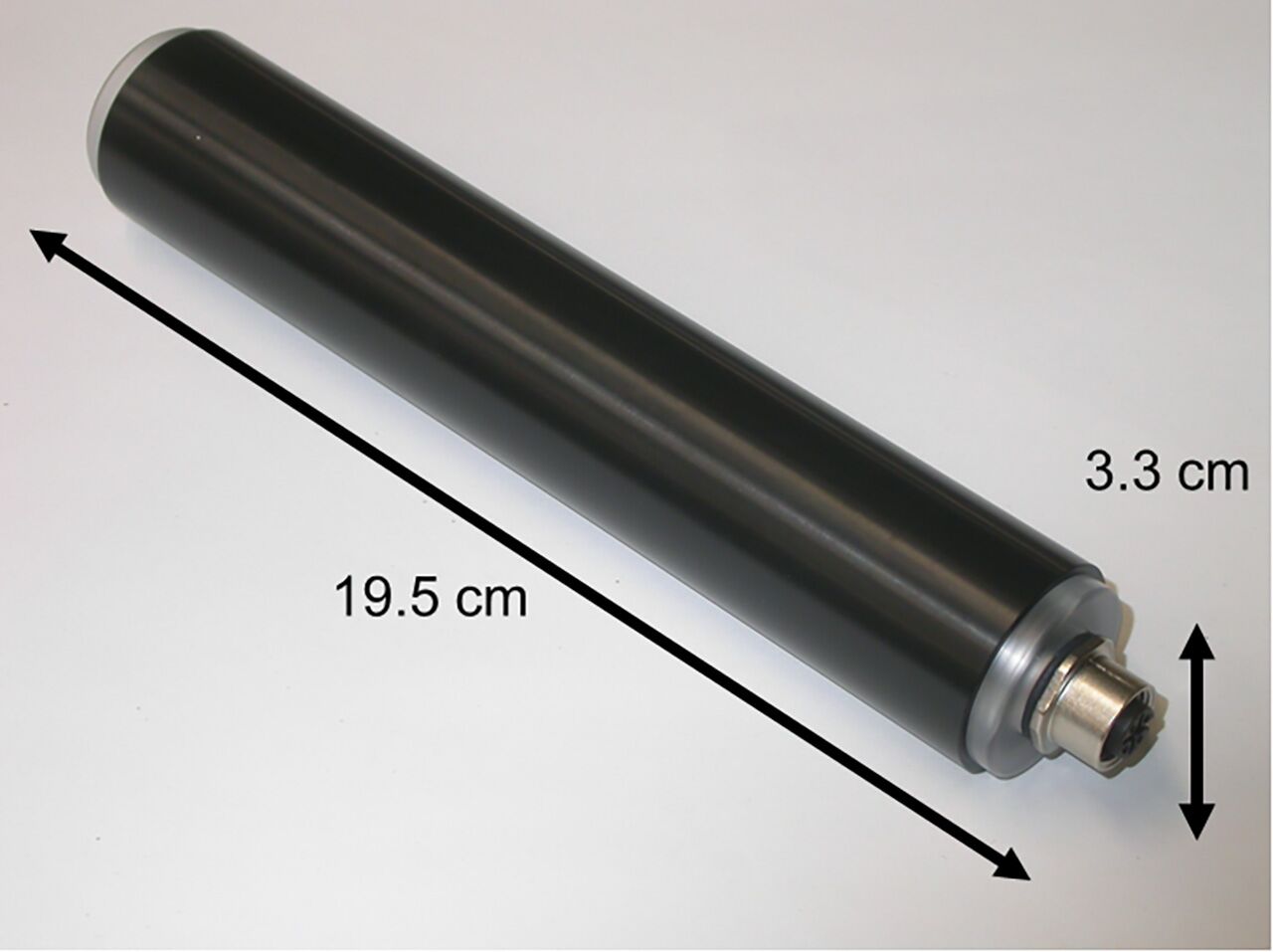
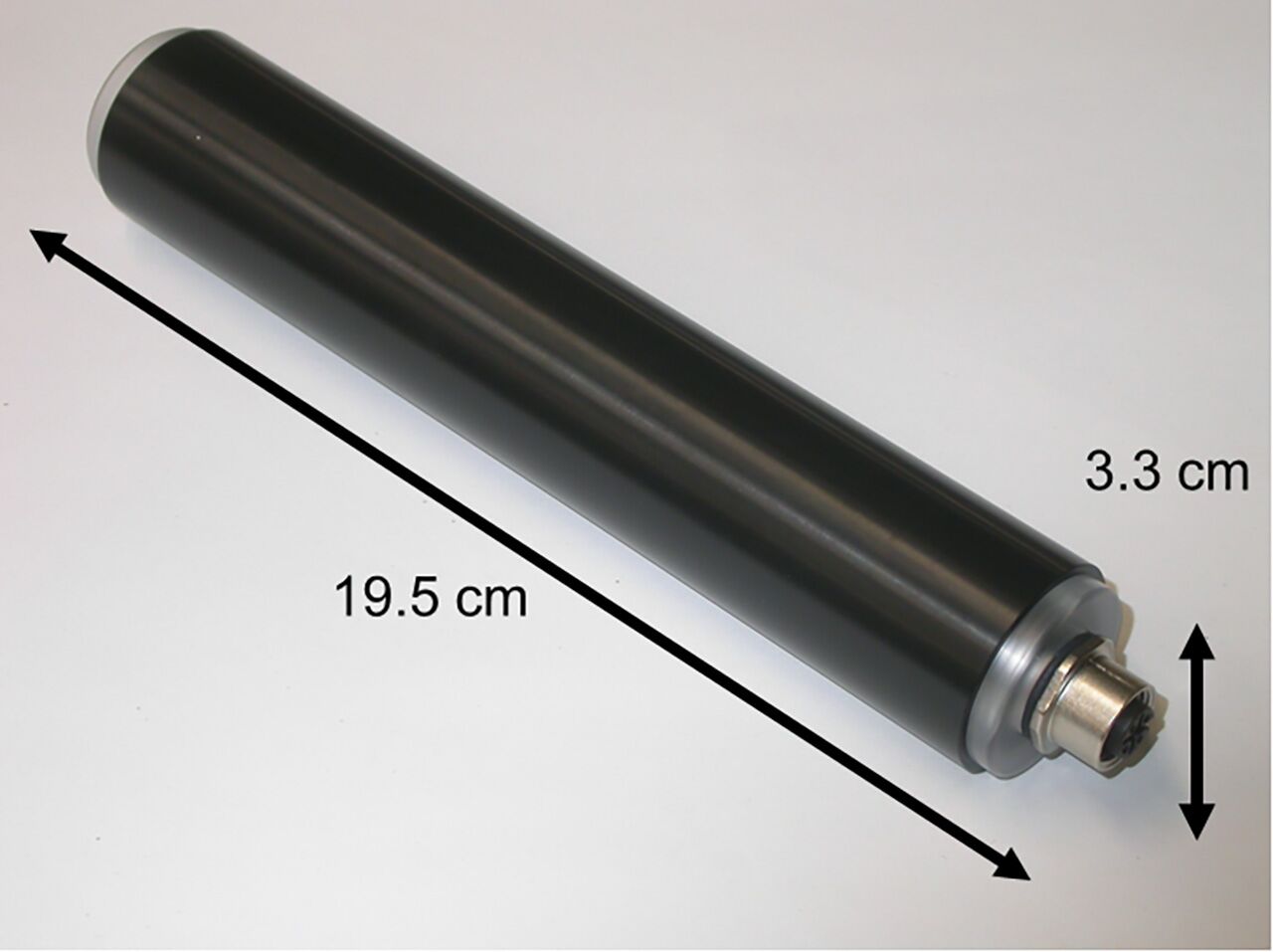
MONITORING-PAM
Aluminum box with custom foam packing for MONITORING-PAM
60 cm x 40 cm x 25 cm (L x W x H)
42 liter
4.7 kg
WinControl-3 System Control and Data Acquisition Program (Microsoft Windows 10 and 11) for operation of measuring system via PC, data acquisition and analysis. Not compatible with Windows 10 on ARM
Measured: Ft, F0, FM, F, F0’ (also calculated), FM’. Depending on the leaf clip connected, the software can record PAR, temperature and also humidity. [In the case of the MINI-PAM-II clip humidity can be measured, which the clip of the JUNIOR-PAM cannot.]
Calculated: F0’ (also measured), FV/FM and Y(II) (maximum and effective photochemical yield of PS II, respectively), qL, qP, qN, NPQ, Y(NPQ), Y(NO) and ETR (electron transport rate)
Two routines for determination of the cardinal points α, Ik and ETRmax of light curves
Automatic determination of signal offset for all light intensities and gain levels. Automatic calibration of internal PAR sensor against an external PAR sensor connected to the instrument
Processor: 0.8 GHz, RAM: 512 MB, screen resolution: 1024 x 600 pixels, interface: USB 2.0/3.0
USB
100 m
100 m
Two monocrystalline silicon panels. Waterproof and dustproof in accordance with IP 67. Each equipped with 0.9 m cables for the plus and minus poles. Including 2 x 0.4 m adapter for connecting the 2 panels in parallel, a 5 m extension cord, and a 0.4 m adapter for connecting to the AUX or INPUT port of the Data Acquisition System MONI-DA
Vmax, 45.0 V, Imax, 1.14 A, Power 20 W
41.5 x 28.5 x 0.3 cm (L x W x H)
0.6 kg
WinControl-3 System Control and Data Acquisition Program (Microsoft Windows 10/11) for operation of measuring system via PC, data acquisition and analysis. Not compatible with Windows 10 on ARM
Specification depend on available electronic components at the time of order
As described for MONI-HEAD/485
As described for MONI-HEAD/485
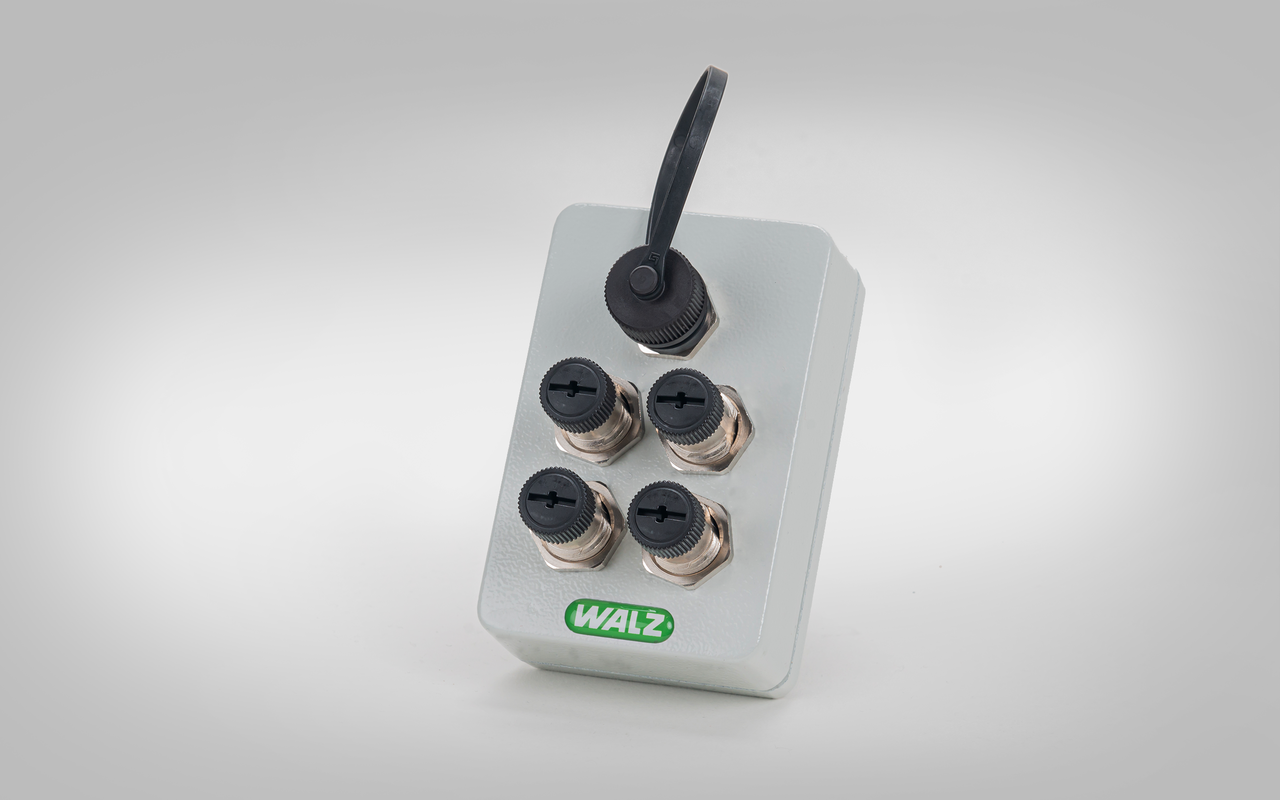
As described for PC Interface Box MONI-IB4/LAN but four special waterproof 6-pole sockets replace the M12 5-pole sockets. Special underwater cable for communication and power included. Standard length: 10 m
As described for Data Acquisition MONI-DA but waterproof 6-pole sockets replace M12 5-pole sockets and microSD card non-removable. Waterproof down to a depth of 75 m
5 mW in standby mode. Operating mode, depends on the number of MONI-PAM measuring heads connected (see MONI-HEAD/485 power consumption)
As described for PC Interface Box MONI-IB1 but a waterproof 6-pole socket replaces the M12 5-pole socket for RS-485 communication
Accessories
WinControl-3 Software
General Features and Graphical User Interface
In addition to MONITORING-PAM systems, the software WinControl-3 also operates the DIVING-PAM-II, JUNIOR-PAM, MICRO-PAM, MINI-PAM-II, MONITORING-PAM, and WATER-PAM-II fluorometers, the PAM-CONTROL operated instruments MICROSCOPY-PAM and MICROFIBER-PAM, and the Universal Light Meter ULM-500.
WinControl-3 handles simultaneously multiple PAM fluorometers and is optimized for long-term data acquisition. Batch files permit automatic execution of experimental protocols by the ONLINE and the STAND-ALONE configuration.


Data Evaluation
Saturating pulse analysis with automatic detection and calculation of standard fluorescence parameters including F0, FM, F0’ (calculated), FM’, FV/FM, qP, qL, qN, NPQ, Y(II), Y(NPQ), Y(NO), ETR.
Data Export
Export of original fluorescence traces, saturating pulse analysis data and parameter estimates of light response curves as semicolon- or tab-separated data.
Automated Routines
Repetitive triggering of fluorometer functions (e. g., dark-light induction and dark recovery curves) by adjustable clock. Automatic execution of light exposure protocols and fitting of two different model functions to data of light response experiments. Execution of customized experimental procedures using easily programmable batch files.
Usage
Highlights
- Long-term monitoring of photosynthesis - unattended, continuous, multi-site
- Up to 7 measuring heads operating simultaneously on one system
- Available as terrestrial and underwater version
- Proven under extreme temperatures and harsh field conditions
Downloads
- Software: WinControl-3.41_Software
- Manuals & Documentation: MONITORING-PAM Manual
- Software: Bustool