MULTI-COLOR-PAM-II
ST-Kinetics and Multi-Wavelength Chlorophyll Fluorometer

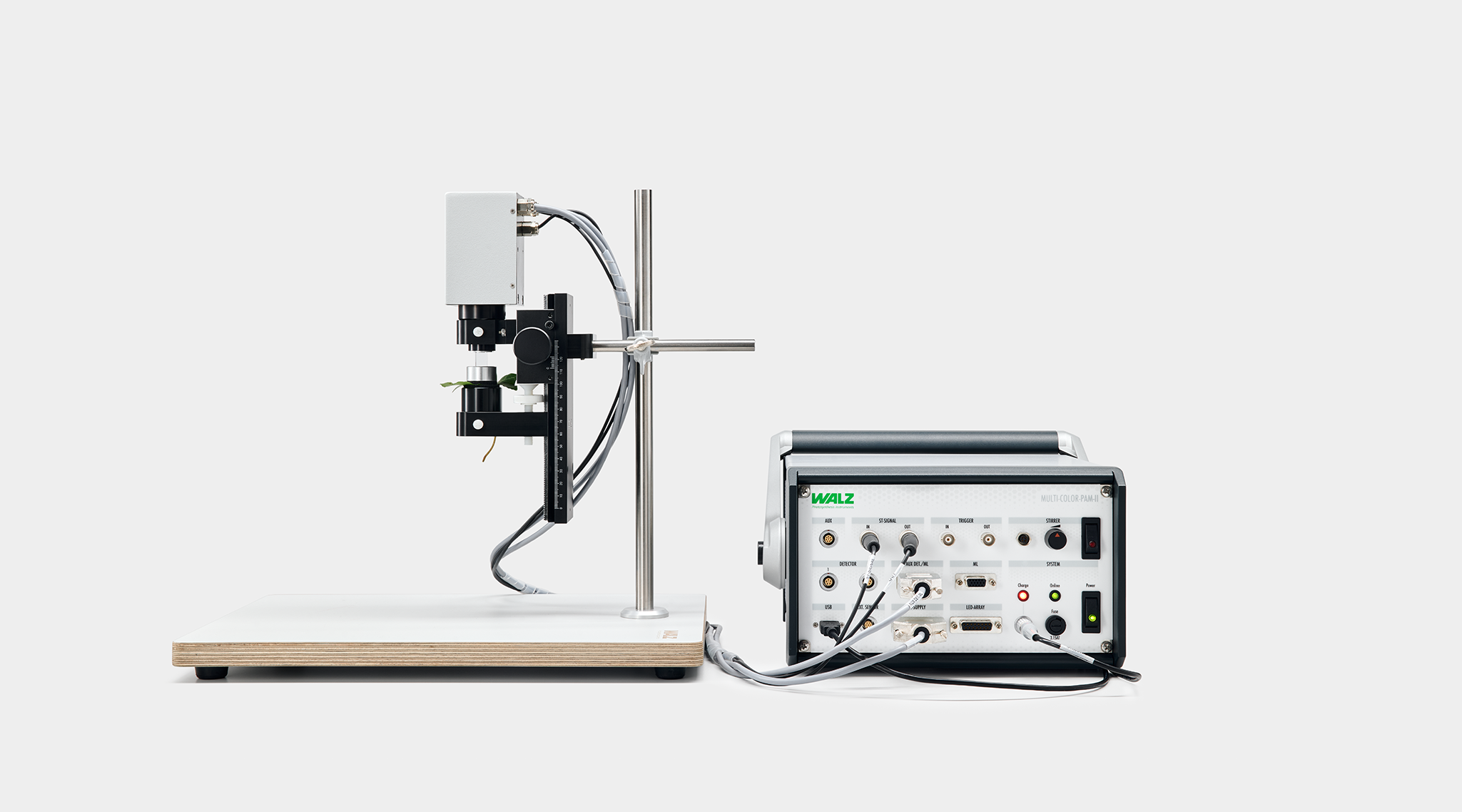
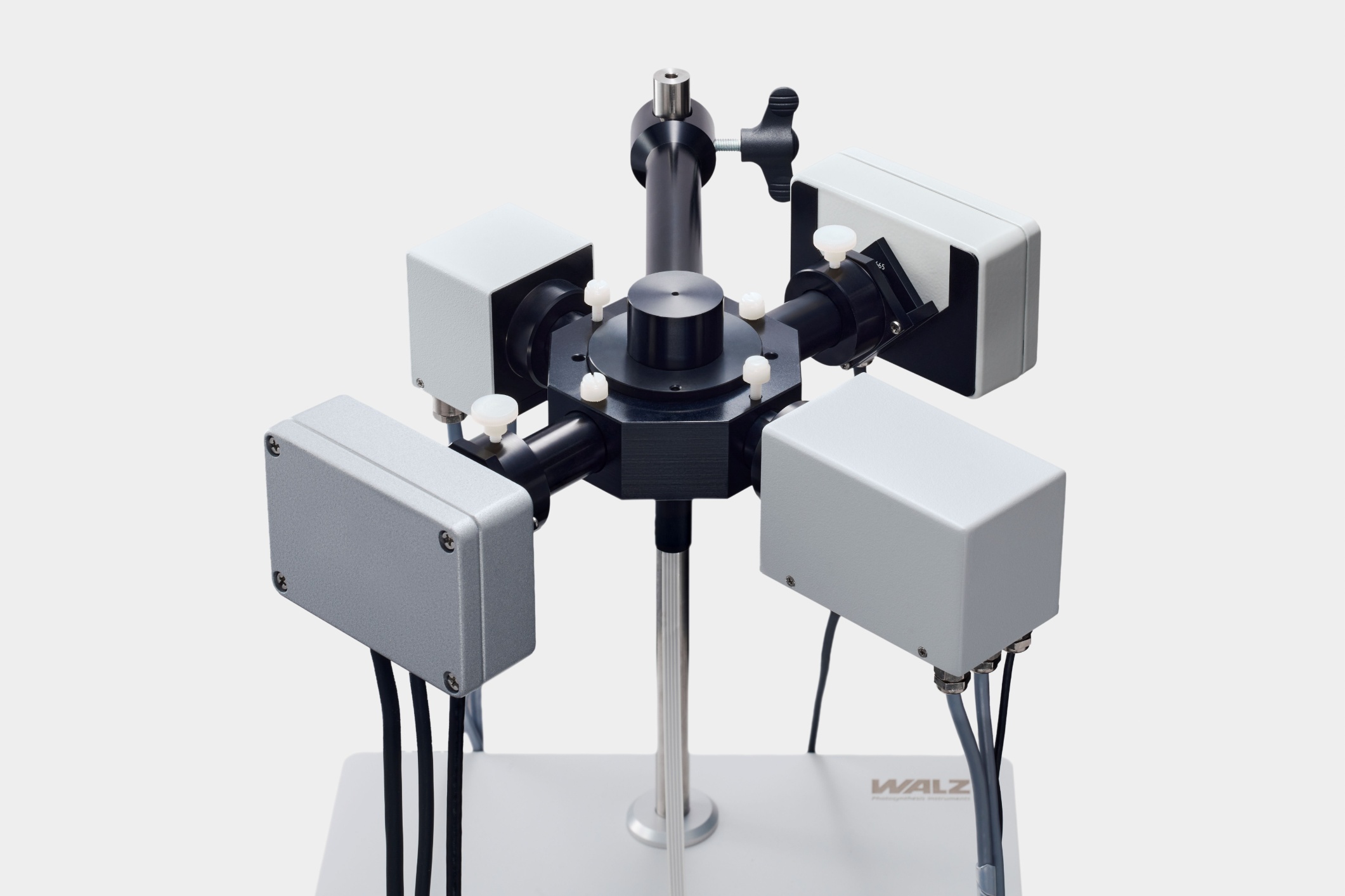
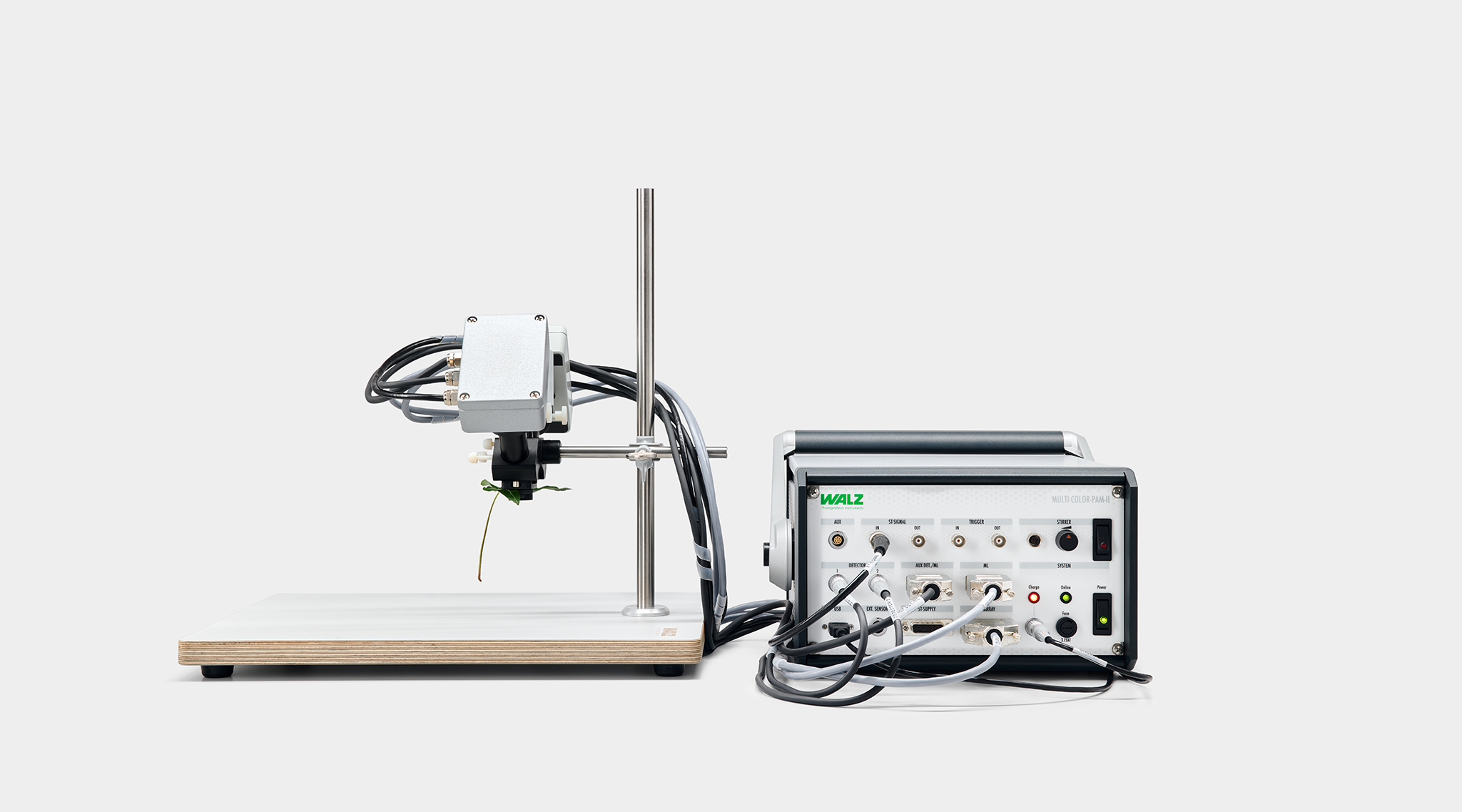
The new MULTI-COLOR-PAM-II is a compact instrument that houses two quite different techniques: the PAM technique and single turnover flash kinetics (STK).
MULTI-COLOR-PAM-II Highlights
Two instruments in one house: non-modulated flash analysis and multi-color PAM-modulated applications
A complete portfolio of fast measurements (time resolution down to 0.3 µs) to probe the PS II donor side and the presence of Car-triplets and multi-color PAM measurements to probe the PS II acceptor side, the electron transport chain and photosynthetic activity.
Mixing of both techniques: e.g. application of saturating 3 µs flashes, where the decay kinetics of the induced fluorescence signal can be monitored by PAM measuring light with a logarithmically declining measuring light frequency.
Overview of possible applications of the instrument
Pulse-amplitude Modulation (PAM)
QA-kinetics up to overall Photosynthesis activity
Single Turnover Flash Kinetics (STK)
Oxygen evolving complex up to PQ pool
Pulse-modulated fluorescence
Non-modulated fluorescence
Dark decay measurements
Pump-probe measurements
MT Pulses/continuous light
ST-flashes
Saturation pulse quenching analysis
Saturation flash quenching analysis
Regulatory fluorescence quenching (NPQ) and complementary PS II quantum yields
Short-lived fluorescence quenchers P680+ (DQ) and Car-triplets (TQ)
Dark-to-light induction curves
ST-kinetics (STK)
Two wavelength detection FV(I)
Period-4 oscillations in FV(II)
Fast kinetics (50 µs to seconds) and Slow kinetics (seconds to hours)
Flash train-induced fluorescence changes
Sigma(II) (O-I1 rise)
Sigma(II) (FRRF emulation)
QA– re-oxidation kinetics
S-state decay
PS II quantum yield
S-state distribution
Light saturation curves (LC)
Flash saturation curves
O-I1-I2-P/OJIP transients
Wide range of ST-intensities
PS II heterogeneity
ST-widths and ST-dark intervals
Mixed use of both techniques: e.g., applying an STK during an O-I1-I2-P transient
More choice is an important keyword for the new MULTI-COLOR-PAM-II: the new STK (single turnover kinetics) flashlamp and fast detector add reactions on the PS II donor side and Car triplets to the already broad portfolio. Fast switching between PAM and ST-Kinetics measurements gives synergy, offering a mixing of both techniques. The instrument is also flexible enough to emulate FRRF-type measurements or to produce Ramp-Method-type saturation pulses.
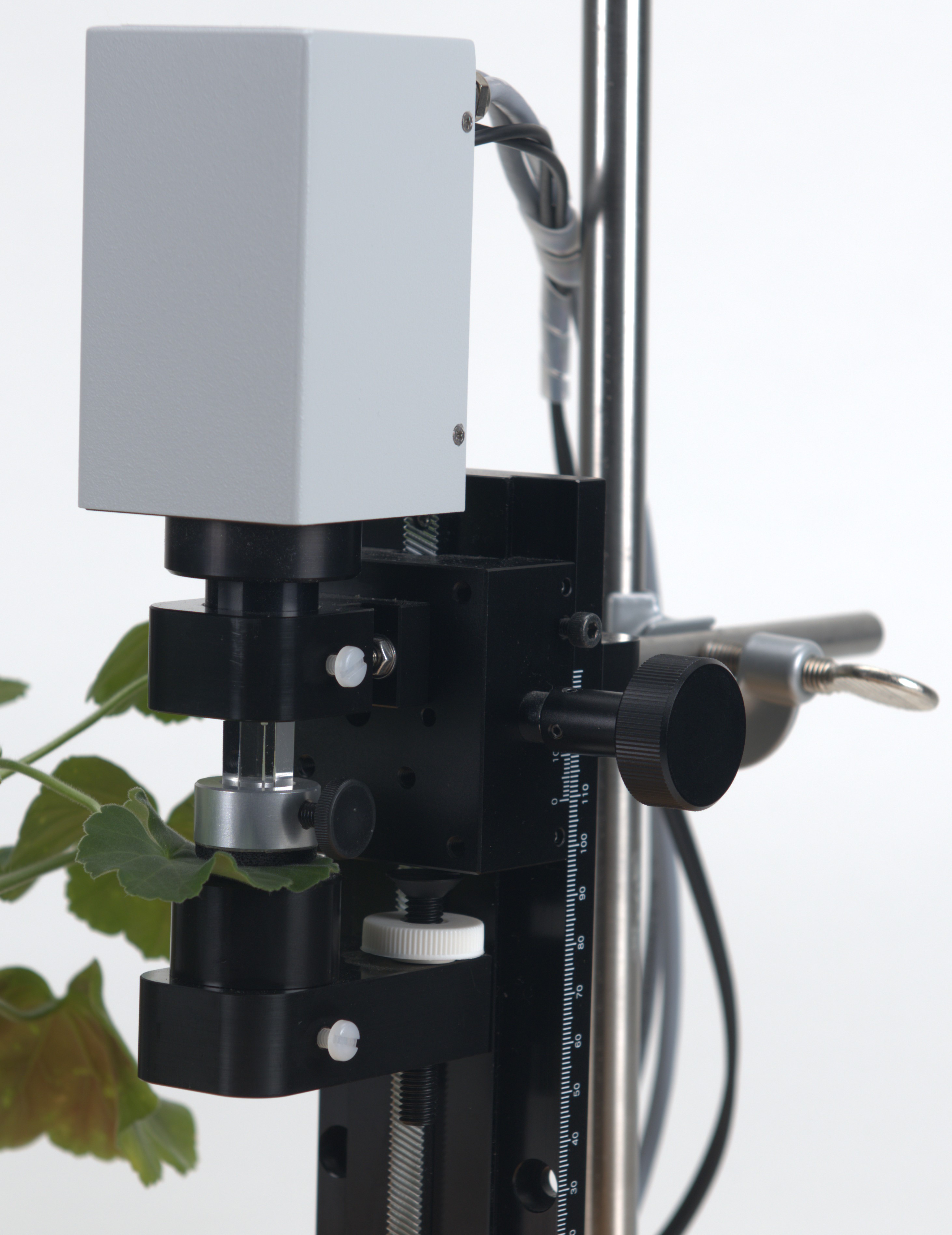
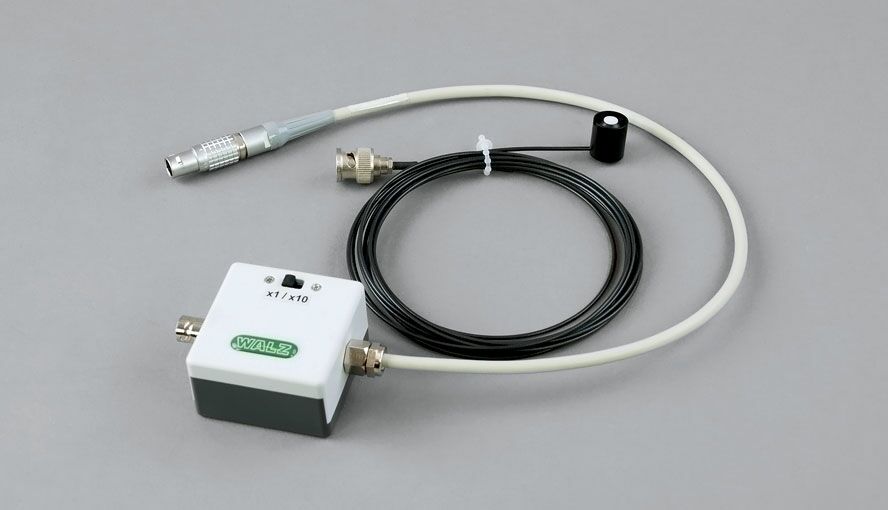
The instrument was designed for the measurement of suspensions, but people working with leaves were also not forgotten. The previous model had a leaf clip that can still be used for the new instrument. In addition, the STK-flashlamp also has a detector and can be used as a stand-alone application for leaf measurements.
Possible configurations:
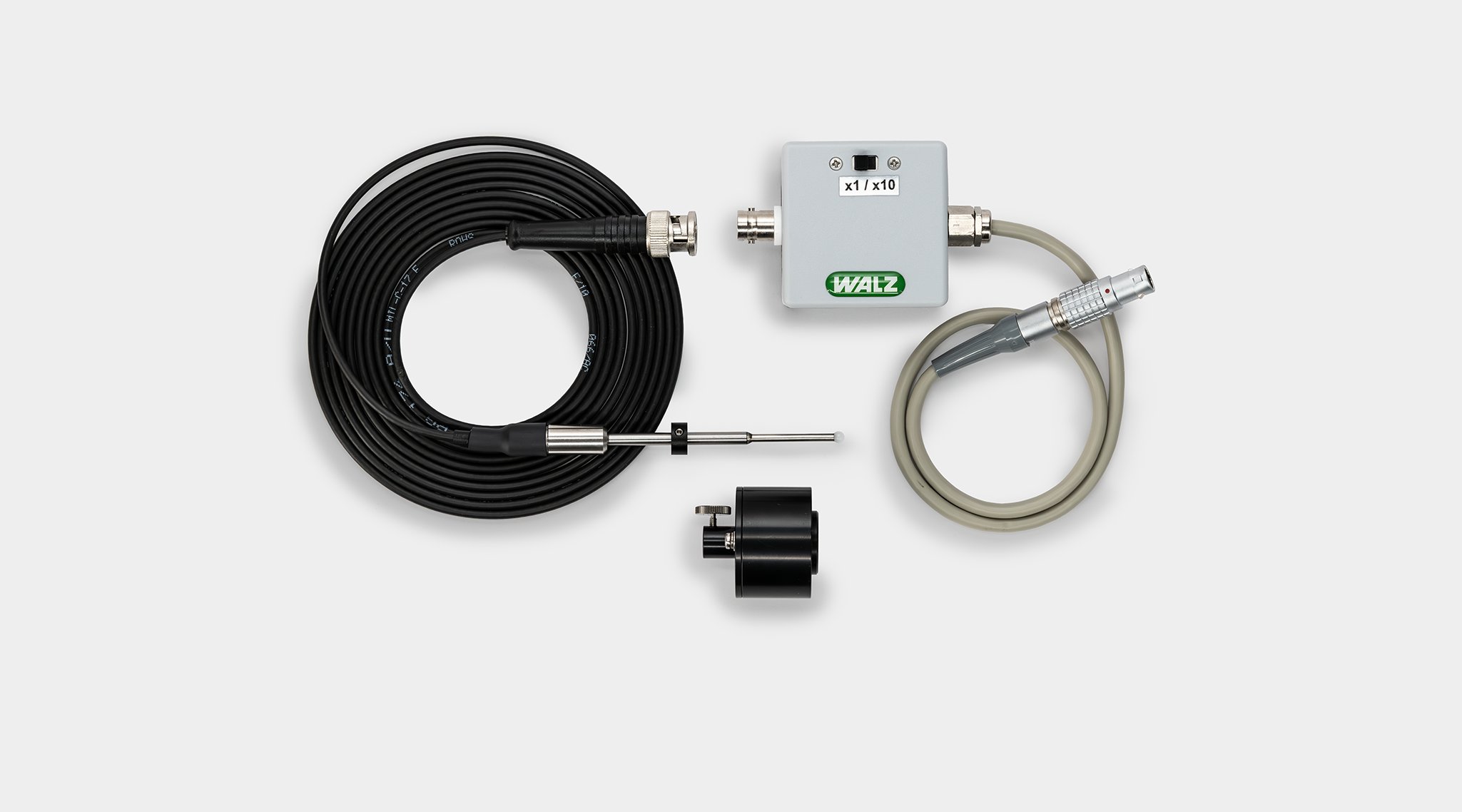
- The Multi-Color (PAM) configuration: the multi-color-emitter (MCP-II-E) and its detector (MCP-II-D1 or MCP-II-D2ST)
- Two Wavelength Detection (PAM) configuration (suspensions): a second detector (either MCP-II-D1 or MCP-II-D2ST) is added to allow the detection of fluorescence at e.g. < 710 nm (mainly PS II) and > 700 nm (PS II + PS I), simultaneously. A leaf clip allowing two wavelength detection will be available in the near future.
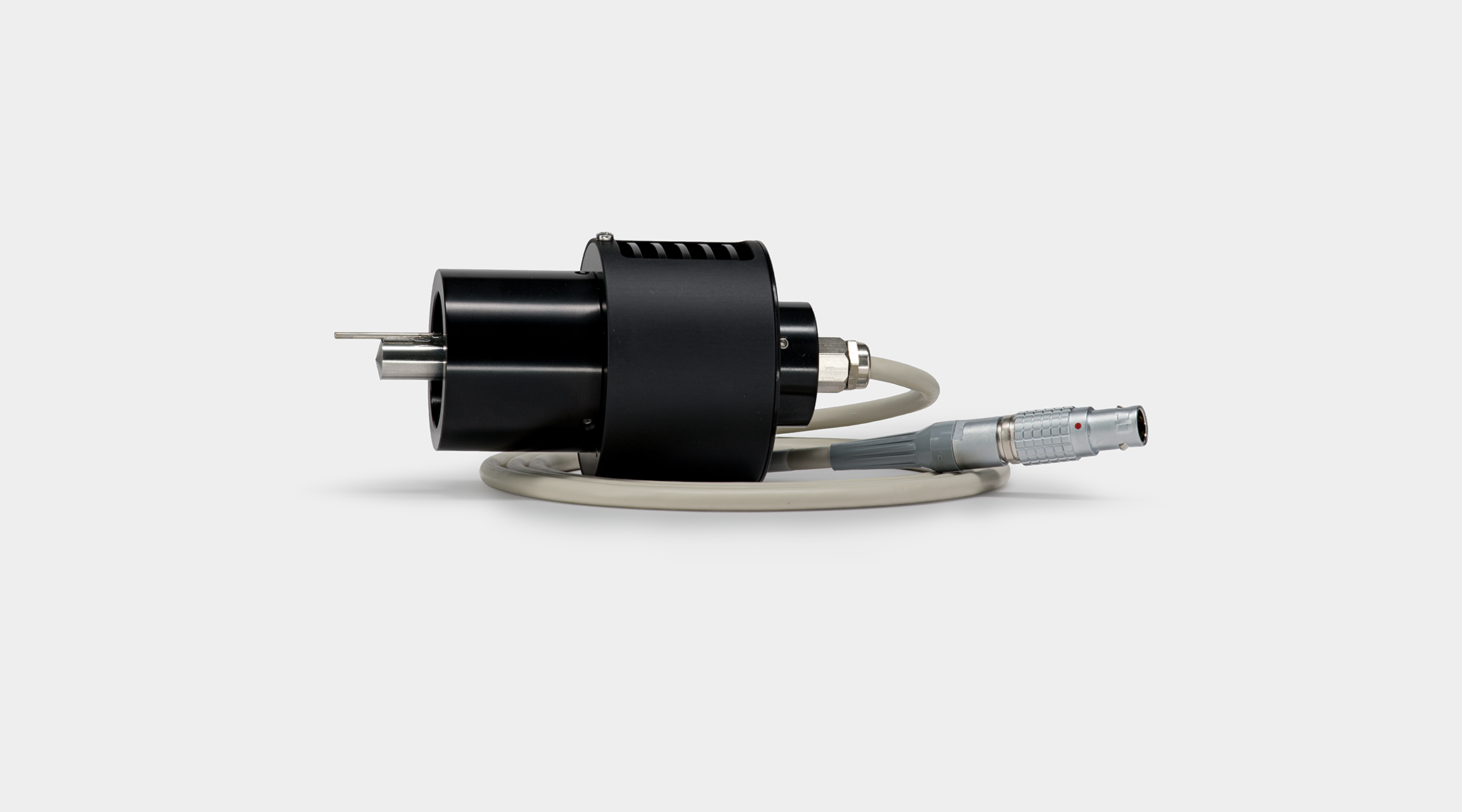
- Full configuration: STK-flashlamp (maximal flash intensities > 1.0 mol photons m-2 s-1) and combi-detector (MCP-II-EDST + MCP-II-D2ST) allowing detection of signals down to approx. 100 ns are added to the Multi-Color (PAM) configuration. This gives access to PS II donor side reactions.
- Single Turnover Kinetics (STK) configuration for suspension measurements: STK-flashlamp (MCP-II-EDST) in combination with the combi-detector (MCP-II-D2ST).
- Single Turnover Kinetics (STK) configuration for leaf measurements: The STK-flashlamp as stand-alone application: the STK-flashlamp contains a detector for fluorescence measurements from the sample surface, which makes it ideal for the measurement of leaves.
In the Multi-Color (PAM) configuration, the user has access to information about the wavelength dependent effective PS II antenna size: Sigma(II), reactions on the PS II acceptor side (QA– re-oxidation) and electron flow along the electron transport chain (O-I1-I2-P/OJIP transients) but also to Saturation Pulse quenching analysis, dark-light induction and recovery curves, as well as light response curves, and this all for 5 different excitation and measuring light wavelengths (440, 480, 540, 590, 625 nm) plus white light that can be applied in any combination. This has the advantage that someone working, e.g., with diatoms can excite these organisms in the green and in the case of cyanobacteria either choose 625 nm to excite the phycobilisomes or 440 nm to excite the chlorophylls of the core antenna.
Not only the different wavelengths for fluorescence excitation and detection make the Multi-Color (PAM) configuration stand out. Other important features are:
- The high sensitivity of the instrument, which allows measurements with optically thin samples, i.e., in the absence of intensity gradients of the various light qualities and largely avoiding wavelength-dependent fluorescence reabsorption – light gradient free.
- Free choice of detection wavelengths using optical filters, e.g., enabling detection of fluorescence >700 nm, enriched in PS I fluorescence F(I), and < 710 nm, enriched in PS II fluorescence F(II), that can be measured simultaneously under equal conditions.
- Characterization of the same state of a given sample by comparative PAM and flash kinetics (STK) measurements.
The almost complete freedom to create trigger and script files means that the experiments that can be designed are mainly limited by the creativity of the user.
New features of the MULTI-COLOR-PAM-II
The new elements of the MULTI-COLOR-PAM-II add whole new domains to the measurement portfolio of the instrument, making it even more a multi-function fluorometer.
- High time resolution: The new STK-detectors provide a time resolution of 0.3 µs.
- Time-resolved flash responses: the MULTI-COLOR-PAM-II is the first commercially available instrument with which the fluorescence yield during a saturating µs flash can be measured and carotenoid triplet quenching (TQ) and donor-side dependent quenching (DQ) can be differentiated.
- Highly precise: For detailed analysis of the flash responses their timing is very precise and reproducible, and the form of the flashes approaches a rectangle, with the LEDs needing about 0.5 µs to reach full intensity. A special routine is provided for flash-profile correction.
- Extremely intense flashes: Flash intensities of more than 1 000 000 µmol photons m-2 s-1 (440 nm) can be achieved with the EDST emitter-detector unit (yielding more than 1 excitation per µs).
Pump-probe: Double flash experiments with variable dark intervals ∆t (from 1 µs to 10 ms) allowing highly flexible relaxation measurements of various forms of quenching. - Period-4 oscillations: Flash frequencies of up to 100 Hz (10 ms time interval) can be used for flash trains to probe the S-states of the oxygen evolving complex.
- Leaf measurements: Although the instrument was originally designed for suspension measurements, the EDST emitter-detector (STK-flashlamp) unit can also be used by itself to measure leaves. In addition, a configuration will be available soon in which two emitters are placed under a 45° angle relative to the multi-color emitter, which allows two wavelength detection of fluorescence emitted by leaves.
- STK embedded in PAM recording: Thanks to fast switching [8-10 µs switching time] between fast non-modulated and PAM measurements an ST can be placed anywhere along a traditional – e.g. O-I1-I2-P or Slow Kinetics recording, with the resulting STK revealing details on the state of PS II at the moment of the flash. All this taken together makes the MULTI-COLOR-PAM-II a very all-round fluorometer allowing the user to probe and monitor PS II and the photosynthetic electron transport chain in many different ways.



Scientific Publications using Walz Devices
Source: Google Scholar.
Keywords: (Walz OR Waltz) Effeltrich.
Date: June 22, 2026.
Ʃ = 19642
Source: Google Scholar.
Keywords: (Walz OR Waltz) Effeltrich.
Date: June 22, 2026.
Ʃ = 19642
Selected Publications
Phosphorus starvation induces the synthesis of novel lipid class diacylglyceryl glucorunide and diacylglyceryl-N,N,N-trimethylhomoserine in two species of cold-adapted microalgae Rhaphidonema (Chlorophyta)
The Plant Journal 121: e17227
Nitrogen source type modulates heat stress response in coral symbiont (Cladocopium goreaui)
Applied and Environmental Microbiology 91: e00591-24
Static and dynamic acclimation mechanisms to extreme light intensities in Hedera helix (Ivy) plants
Physiologia Plantarum 177: e70217
Relationship between harvesting efficiency and filament morphology in Arthrospira platensis Gomont
Microorganisms 13: 367
Target of rapamycin is a crucial regulator of photosynthesis and nutrient metabolism partitioning in Nannochloropsis gaditana
Biotechnology for Biofuels and Bioproducts 18: 21
Effect of overexcitation of photosystem II on chlorophyll fluorescence quenching parameters in Arabidopsis thaliana state transition mutants
Physiologia Plantarum 177: e70335
NgLst8 coactivates TOR signaling to activate photosynthetic growth in Nannochloropsis gaditana
Microorganisms 12: 2574
Redesign of the Chlamydomonas reinhardtii QB binding niche reveals photosynthesis works in the absence of a driving force for QA-QB electron transfer
Physiologia Plantarum 176: e70008
The role of protonation processes in the gradual formation of the light-adapted charge-separated state of photosystem II
Frontiers in Photobiology 3: 1623224
The photoprotective behavior of a motile benthic diatom as elucidated from the interplay between cell motility and physiological responses to a light microgradient using a novel experimental setup
Microbial Ecology 87: 40
Light-induced increase in the steady state chlorophyll fluorescence in cyanobacteria reflects induction of energy dissipation complementary to orange carotenoid protein-dependent thermal dissipation
Photosynthesis Research 168: 38
Influence of a novel organometallic Cu(II) complex on the photochemical activity of photosystem II in spinach
Transactions of the Institute of Molecular Biology & Biotechnologies 9: 47-51
The effect of liquids activated by plasma generated with a microwave plasmatron and high-frequency glow discharge on cotton plant development
Plants 14: 304
Phytotoxic strains of Fusarium commune isolated from truffles.
Journal of Fungi 10: 465
Metabolomics reveals the impact of overexpression of cytosolic fructose-1,6-biphosphatase on the photosynthesis and growth in Nannochloropsis gaditana.
International Journal of Molecular Sciences 25: 6800
Synergistic CO2 removal via enhanced olivine weathering and diatom growth in the ocean.
Ocean-Land-Atmosphere Research 3: 0047
A comprehensive study of light quality acclimation in Synechocystis sp. PCC 6803.
Plant & Cell Physiology 65: 1285-1297
Effect of photoluminophore light-correcting coatings and bacterization by associative microorganisms on the growth and productivity of Brassica juncea L. Plants.
Microbiology Research 15: 1957-1972
Engineering RNA polymerase to construct biotechnological host strains of cyanobacteria.
Physiologia Plantarum 176: e14263
Ocean deoxygenation dampens resistance of diatoms to ocean acidification in darkness.
Frontiers in Marine Science 11: 1387552
Shedding light on blue-green photosynthesis: A wavelength-dependent mathematical model of photosynthesis in Synechocystis sp. PCC 6803.
PLOS Computational Biology 20: e1012445
Low-CO2-inducible bestrophins outside the pyrenoid sustain high photosynthetic efficacy in diatoms.
Plant Physiology 195: 1432-1445
NgAP2a targets KCS gene to promote lipid accumulation in Nannochloropsis gaditana.
International Journal of Molecular Sciences 25: 10305
Thermal responses of Tetradesmus obliquus for industrial outdoor cultivation.
Bioresource Technology Reports 27: 101909
Zeaxanthin epoxidase 3 knockout mutants of the model diatom Phaeodactylum tricornutum enable commercial production of the bioactive carotenoid diatoxanthin.
Marine Drugs 22: 185
Phylogenetic profiling analysis of the phycobilisome revealed a novel state-transition regulator gene in Synechocystis sp. PCC 6803.
Plant & Cell Physiology 65: 1450-1460
Marine heatwave-driven mass mortality and microbial community reorganization in an ecologically important temperate sponge.
Global Change Biology 30: e17417
Light-dependent methane production by a coccolithophorid may counteract its photosynthetic contribution to carbon dioxide sequestration
Communications Earth & Environment 5: 695
Flash-kinetics as a complementary analytical tool in PAM fluorimetry
Photosynthesis Research 161: 151-176
Probing the influence of novel organometallic copper(II) complexes on spinach PS II photochemistry using OJIP fluorescence transient measurements.
Biomolecules 13: 1058
Photo-physiological acclimation in Synechocystis sp. PCC 6803 provides insight into growth limitation in underwater spectra.
bioRxiv
Salinity-induced changes in plastoquinone pool redox state in halophytic Mesembryanthemum crystallinum L.
Scientific Reports 13: 11160
Loss of CpFTSY reduces photosynthetic performance and affects insertion of PsaC of PS I in diatoms.
Plant & Cell Physiology 64: 583-603
Photoinhibition of the picophytoplankter Synechococcus is exacerbated by ocean acidification.
Water 15: 1228
Micractinium lacustre and M. thermotolerans spp. nov. (Trebouxiophyceae, Chlorophyta): taxonomy, temperature-dependent growth, photosynthetic characteristics and fatty acid composition.
Algal Research 71: 103042
Light map optimization via direct chlorophyll fluorescence imaging in algal photobioreactors.
Algal Research 71: 103022
A possible relationship between the effect of factors on photoactivation of photosystem II depleted of functional Mn and cytochrome b559.
Biochimica et Biophysica Acta – Bioenergetics 1864: 148997
Phytoplankton tune local pH to actively modulate circadian swimming behavior.
bioRxiv
The slow-phase of chlorophyll fluorescence induction curve reflects the electron transport rates of photosystem II in vivo in Chlorella vulgaris.
Journal of Applied Phycology 35: 109-116
Light-induced changes of far-red excited chlorophyll fluorescence: further evidence for variable fluorescence of photosystem I in vivo.
Photosynthesis Research 155: 247-270
Active reconfiguration of cytoplasmic lipid droplets governs migration of nutrient-limited phytoplankton.
Science Advances 8: eabn6005
Reduced salinity exacerbates the viral infection on the coccolithophorid Emiliania huxleyi at elevated pCO2.
Frontiers in Marine Science 9: 1091476
A novel algicidal bacterium, Microbulbifer sp. YX04, triggered oxidative damage and autophagic cell death in Phaeocystis globose, which causes harmful algal blooms.
Microbiology Spectrum 10: e00934
Effects of three graphene-based materials on the growth and photosynthesis of Brassica napus L.
Ecotoxicology and Environmental Safety 234: 113383
Perspective design of algae photobioreactor for greenhouses – a comparative study.
Energies 14: 1338
An insight into the bicarbonate effects in photosystem II through the prism of the JIP test.
Photochem 2: 779-797
Hysteresis light curves: a protocol for characterizing the time dependence of the light response of photosynthesis.
Photosynthesis Research 154: 57-74
Nitrogen limitation enhanced calcification and sinking rate in the Coccolithophorid Gephyrocapsa oceanica along with its growth being reduced.
Frontiers in Marine Science 9: 834358
Differences in susceptibility to photoinhibition do not determine growth rate under moderate light in batch or turbidostat – a study with five green algae.
Photosynthetica 60: 10-20
Metabolic alterations in alga Chlamydomonas reinhardtii exposed to nTiO2 materials.
Environmental Science Nano 9: 2922
Heterologous lactate synthesis in Synechocystis sp. Strain PCC 6803 causes a growth condition-dependent carbon sink effect.
Applied and Environmental Microbiology 88: 0063
Monitoring fitness and productivity in cyanobacteria batch cultures.
Algal Research 56: 102328
Transcriptomic analysis of Chlorella sp. HS2 suggests the overflow of acetyl-CoA and NADPH cofactor induces high lipid accumulation and halotolerance
Food and Energy Security 10: e267
Harmful algal bloom-forming dinoflagellate Prorocentrum donghaiense inhibits the growth and photosynthesis of seaweed Sargassum fusiformis embryos.
Journal of Oceanology and Limnology 39: 2237-2251
Marine Synechococcus picocyanobacteria: light utilization across latitudes.
Proceedings of the National Academy of Sciences USA 118: e2111300118
Evidence for variable chlorophyll fluorescence of photosystem I in vivo.
Photosynthesis Research 149: 213-231
Elevated pCO2 enhances under light but reduces in darkness the growth rate of a diatom, with implications for the fate of phytoplankton below the photic zone.
Limnology and Oceanography 66: 3630-3642
Underwater light climate and wavelength dependence of microalgae photosynthetic parameters in a temperate sea.
PeerJ 9: e12101
Interactions between ultraviolet B radiation, warming, and changing nitrogen source may reduce the accumulation of toxic pseudo-nitzschia multiseries biomass in future coastal oceans.
Frontiers in Marine Science 8: 664302
Validation of parameters and protocols derived from chlorophyll a fluorescence commonly utilised in marine ecophysiological studies.
Functional Plant Biology 49: 517-532
Photomorphogenesis in the picocyanobacterium Cyanobium gracile includes increased phycobilisome abundance under blue light, phycobilisome decoupling under near far-red light, and wavelength-specific photoprotective strategies.
Frontiers in Plant Science 12: 612302
Interactive effects of elevated CO2 concentration and light on the picophytoplankton Synechococcus.
Frontiers in Marine Science 8: 634189
Light availability modulates the effects of warming in a marine N2 fixer.
Biogeosciences 17: 1169-1180
Lower salinity leads to improved physiological performance in the Coccolithophorid Emiliania huxleyi, which partly ameliorates the effects of ocean acidification.
Frontiers in Marine Science 7: 704
Polychromatic Fourier-PAM fluorometry and hyperspectral analysis of chlorophyll fluorescence from Phaseolus vulgaris leaves: effects of green light.
Information Processing in Agriculture 7: 204-211
Synoptic spatio-temporal variability of the photosynthetic productivity of microsphytobenthos and phytoplankton in a tidal estuary.
Frontiers in Marine Science 7: 170
Light stress in green and red Plankothrix strains: the orange carotenoid protein and its related photoprotective mechanism.
Biochimica et Biophysica Acta 1861: 148037
Astaxanthin biosynthesis in transgenic Dunaliella salina (Chlorophyceae) enhanced tolerance to high irradiation stress.
South African Journal of Botany 133: 132-138
Unresolved quenching mechanisms of chlorophyll fluorescence may invalidate MT saturating pulse analyses of photosynthetic electron transfer in microalgae.
Physiologia Plantarum 166: 365-379
Rapidly reversible chlorophyll fluorescence quenching induced by pulses of supersaturating light in vivo.
Photosynthesis Research 142: 35-50
Unique photosynthetic electron transport tuning and excitation distribution in heterokont algae.
PLOS ONE 14: e0209920
Isolation and characterization of novel Chlorella species with cold resistance and high lipid accumulation for biodiesel production.
Journal of Microbial Biotechnology 29: 952-961
Effect of carbon limitation on photosynthetic electron transport in Nannochloropsis oculata.
Journal of Photochemistry and Photobiology B 181: 31-43
Structure-based optics of centric diatom frustules: modulation of the in vivo light field for efficient diatom photosynthesis.
New Phytologist 219: 122-134
Truncated light-harvesting chlorophyll antenna size in Chlorella vulgaris improves biomass productivity.
Journal of Applied Phycology 28: 3193-3202
A radiative transfer modeling approach for accurate interpretation of PAM fluorometry experiments in suspended algal cultures.
Biotechnology Progress 32: 1601-1608
Photoregulation in a kleptochloroplastidic dinoflagellate, Dinophysis acuta.
Frontiers in Microbiology 7: 785
Photo-protection in the centric diatom Coscinodiscus granii is not controlled by chloroplast high-light avoidance movement.
Frontiers in Marine Science 2: 115
Apparent PS II absorption cross-section and estimation of mean PAR in optically thin and dense suspensions of Chlorella.
Photosynthesis Research 123: 77-92
Spectral Effects on Symbiodinium photobiology studied with a programmable light engine.
PLOS ONE 9: e112809
Effective light absorption and absolute electron transport rates in the coral Pocillopora damicornis.
Plant Physiology and Biochemistry 83: 159-167
Photosynthetic acclimation of Nannochloropsis oculata investigated by multi-wavelength chlorophyll fluorescence analysis.
Bioresource Technology 167: 521-529
Wavelength-dependent photodamage to Chlorella investigated with a new type of multi-color PAM chlorophyll fluorometer.
Photosynthesis Research 114: 165-177
Assessment of wavelength-dependent parameters of photosynthetic electron transport with a new type of multi-color PAM chlorophyll fluorometer.
Photosynthesis Research 113: 127-144
Unique properties vs. common themes: the atypical cyanobacterium Gloeobacter violaceus PCC 7421 is capable of state transitions and blue-light induced fluorescence quenching.
Plant and Cell Physiology 53: 528-542
MULTI-COLOR-PAM-II
ARM microcontroller (480 MHz), Fast Kinetics up to 128,000 points with 14 bit resolution, ST Kinetics up to 15,000 points with 14 bit resolution, unlimited storage for Slow Kinetics
4 sockets for measuring light and actinic light of MCP-II-E Multi-Color Emitter Head and measuring light/auxiliary detector and ST supply MCP-II-EDST, 2 sockets for signal detection by MCP-II-D1 and MCP-II-D2DST Detector Heads, charge socket or Battery Charger MINI-PAM/L, output socket for PHYTO-MS Miniature Magnetic Stirrer, 4 BNC sockets for 5 V trigger in and trigger out signals and ST trigger in and trigger out signals, input socket for US-SQS/WB Spherical Micro Quantum Sensor or US-MQS/WB Mini Quantum Sensor, input socket for auxiliary devices, USB socket
standard: NO sealed lead-acid battery; Battery Charger MINI-PAM/L (100 to 240 V AC)
400, 440, 480, 540, 590, 625 nm for pulse-modulated measuring light; 20 intensity settings and 14 pulse frequency settings
includes: PAM-detector equivalent to MCP-II-D1 and STK-detector for non-modulated fluorescence with sub-µs time resolution
Fitting routine for the fast fluorescence O-I1 to determine the functional absorption cross-section of the PS II antennae (Sigma) needed for the determination of PS II-specific electron transport rates
Fitting routine for exponential decay (e.g. QA– reoxidation after a single turnover flash) or rise of a signal with up to three exponentials
Choice of two fitting routines for light curves (determination of cardinal points α, Ik and ETRmax)
Ft, F0, FM, F, F0' (also calculated), FM'. Fast polyphasic rise and decay kinetics (time resolution up to 10 µs). PAR using Spherical Micro Quantum Sensor US-SQS/WB or Mini Quantum Sensor US-MQS/WB
F0' (also measured), Fv/Fm and Y(II) (maximum and effective photochemical yield of PS II, respectively), qL, qP, qN, NPQ, Y(NPQ), Y(NO) and ETR (electron transport rate), C/F0 (constant fraction of F0 that is assumed to originate from PS I)
Aluminum box with custom foam packing
60 cm x 40 cm x 34 cm (L x W x H);
60 liter
5 kg
Base plate, 40 cm x 30 cm
73.5 cm, diameter 1.5 cm
2.8 kg
Accessories
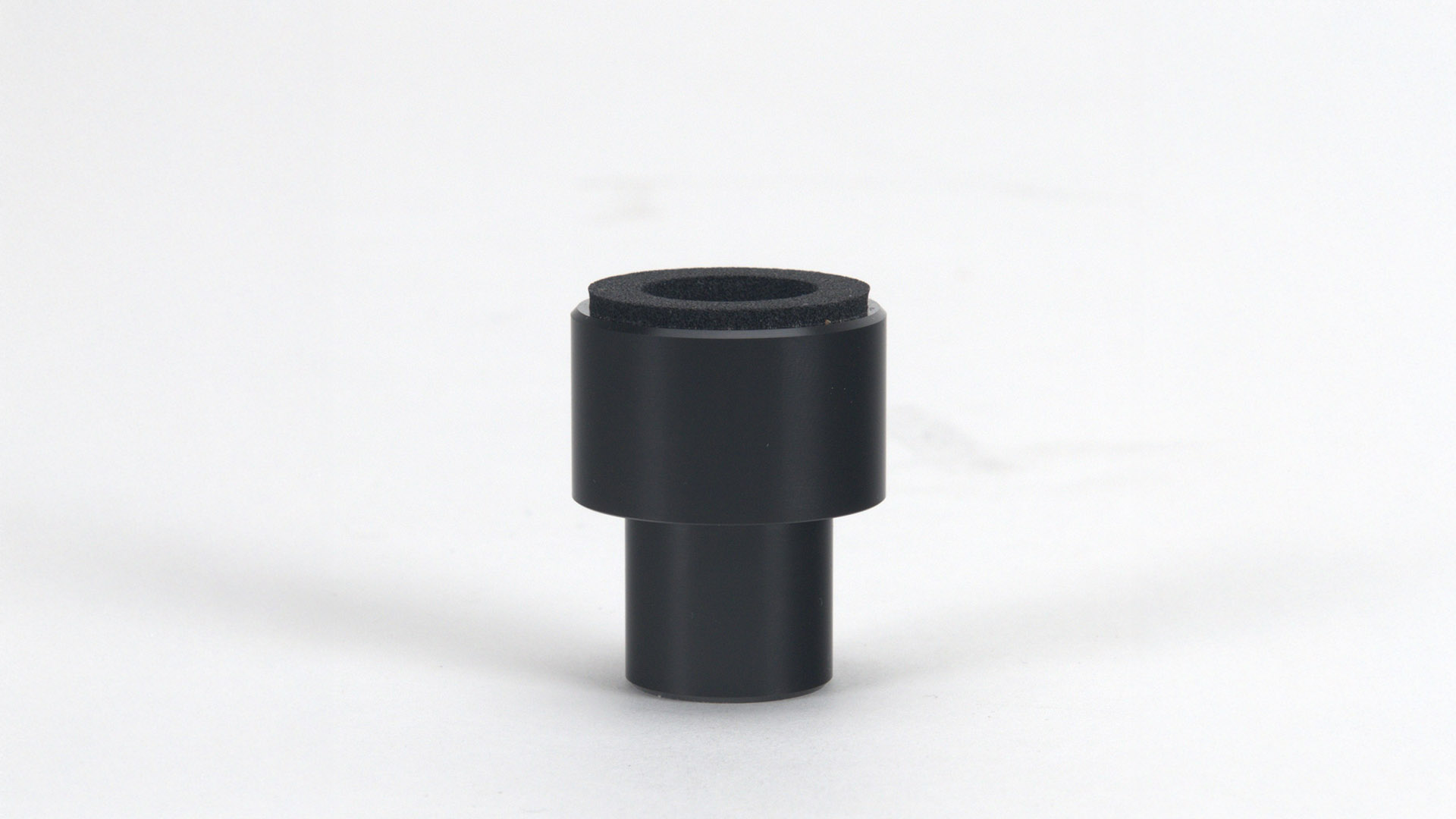
Black-anodized aluminum body with central 10 x 10 mm glass cuvette; for attachment of Measuring Heads and Miniature Magnetic Stirrer PHYTO-MS; additional ports for attachment of two additional measuring heads
750 g
Based on a device manufactures by h+p (type Variomag-Mini); featuring adapter to be mounted in the bottom port of the Optical Unit ED-101US/MD; powered and controlled by the Power-and-Control-Unit
3.7 mm Ø diffusing sphere coupled to integrated PAR sensor via 2 mm diameter fiber; compact amplifier unit and special holder for mounting on Optical Unit ED-101US/MD; to be connected tot the Power-and-Control Unit
Magnetic stirrer driven by a rotating magnetic field; the PHYTO-MS is connected to Power-and-Control Unit PHYTO-II-C; a special adapter plug allows the insertion in the bottom port of the Optical Unit ED-101US/MP
Power-and-Control Unit US-T/DR
Peltier Heat-Transfer Head US-T/DS
0.29 kg (including cable)
AC Adapter
100 V - 240 V AC 1.5 A 50-60 Hz
130 mm x 56 mm x 30 mm (L x W x H)
PamWin-4 Software
General Features and Graphical User Interface
PamWin-4, the software controlling both the MULTI-COLOR-PAM(-II) and the PAM-2500, was developed out of PamWin-3 and can handle all the new features of the MULTI-COLOR-PAM-II. The software runs on PCs with operating systems Windows 10 (32 and 64 bit) and 11.
The software consists of 3 parts: SP analysis, Fast Acquisition for PAM-applications (first 3 Tabs) and Single Turnover Kinetics (STK) for non-modulated flash analyses (last 2 Tabs).

The broad portfolio of applications also means a considerable number of sections on Tabs where particular applications can be defined. On the new ST Settings Tab single, double or multiple flash experiments can be defined (first example below), but also flash trains for the determination of period-4 oscillations (with or without pre-flashes) as shown in the second example below.
Simple menus to define flash experiments and flash trains with or without pre-flashes.

A simple menu allows the user to define a single or double (or multiple) flash experiment. The latter is particularly important for configuring pump-probe measurements

Tools for the analysis of period-4 oscillations are part of the software (see Applications).
For the Fast Acquisition data, the software offers two types of support. On the one hand measurement protocols in the form of trigger files and scripts, and on the other hand fit routines for the analysis of O-I1-transients to determine the antenna cross section Sigma(II), the exponential fluorescence decay following a single turnover flash, or following a period of illumination.
The script and trigger files that come with the software can also be used as examples on the basis of which other script and trigger files can be developed.

Trigger file for a 300 ms polyphasic rise with a single turnover flash after 1 ms.
In the case of a Trig-run the experimental protocol defined by a trigger file is executed on the basis of the settings defined in the General Settings page.

In the case of a script file, one or more trigger files are imbedded in a timeline defining as well, the timing of the different parts of the experiment. In a script the user can also define the intensities and/or wavelengths of the different light sources used; settings, which can be changed as a function of the timeline of the script. Here, an example of a script file for a Sigma(II) determination, allowing for example the measurement of the five different excitation wavelengths in one go.
Suspension and leaf configurations


In the schematic version of the stand-alone application (see above), the leaf is placed in a gas flow chamber.
For leaf fluorescence measurements with the Multi-Color Emitter a new leaf clip (MCP-II-BK) is available. The Multi-Color Emitter is placed in the center and the two detectors are placed under a 45° angle relative to the emitter as shown below. The leaf is kept in place with magnets located in the clip and the lid that is placed on the other side of the leaf. The old MCP-BK leaf clip is also compatible with the MULTI-COLOR-PAM-II.



Application
Example experiments from the three application domains
The software splits the applications of the MULTI-COLOR-PAM-II in 3 parts:
- Photosynthetic Activity related applications like induction (+ recovery) curves and light curves, but also manual measurements.
- Script-based experiments like O-I1-I2-P/OJIP transients, re-oxidation kinetics of QA- following a single turnover flash, Sigma(II) determinations.
- Flash-based experiments like period-4 oscillations, Car-triplet decay and induction kinetics, P680+
- The first two parts represent PAM-applications, and the last part represents Single Turnover Kinetics (STK) applications.
Example of a Light Curve/Quenching Analysis

Examples of Fast Kinetics (PAM) measurements
Two wavelength measurements of O-I1-I2-P transients
An example of a fast PAM-application is the simultaneous measurement of O-I1-I2-P transients in two different wavelength domains: < 710 nm and > 700 nm, where the fluorescence measured at wavelengths < 710 nm is mainly PS II fluorescence and the >700 nm fluorescence is a potential mix of PS II and PS I fluorescence. First a measurement of a dilute suspension of Chlorella cells (440 nm ML and MT) taken from Klughammer et al. (2024).

The O-I1 rise (curves normalized to I1) is the same for both wavelengths. A difference is observed between I2 and P: the I2-P rise is more pronounced at F>700 nm compared with F<710 nm.
Below, a barley leaf is measured using 440 nm measuring and actinic light using the two-wavelength configuration for leaves (see Configurations).

The two measurements were again normalized to I1 (all QA reduced). Again, the I2-P rise is more pronounced at F>700 nm compared with F<710 nm. The somewhat slower O-I1 rise kinetics reflect the fact that self-absorption at F<710 nm is higher than at F>700 nm and, therefore, F>700 nm originates from relatively deeper layers in the leaf, where the effective actinic light intensity is lower.
Sigma(II) determination
The parameter Sigma(II) reflects the effective cross section of the PS II antenna. The Sigma(II) determination (and its wavelength dependence) is another fast PAM-application. There are three criteria on the basis of which one can judge if the O-I1 fit used for the Sigma(II) determination was good: 1. The fit should describe the fluorescence rise well, 2. The obtained fit parameters should be physiologically relevant and 3. The obtained Sigma(II) values should be independent of the light intensity. Here, the Sigma(II) values were observed to increase with the age of the cultures used.


STK, single turnover flash kinetics, applications
Car-triplet decay
The next figure shows a set of measurements on the basis of which the Car-Triplet decay kinetics can be determined. The dataset illustrates the precision of the timing of the flashes and the ability of the flash lamp to give two equally strong flashes 1 µs apart.


Flash length and fluorescence induction
Another example is a double flash experiment in which the length of the first flash was varied and the second flash is given 40 µs after the first flash.


Flash trains and flash patterns can tell us something about the S-states, the redox states of the manganese cluster on the donor side. They can also tell us something about the effects of different intensities of far red.
Period-4 oscillations

Period-4 oscillations in either F0, FM or FV level can be derived automatically by the software (figure taken from Klughammer et al. 2024).

In coffee leaves, FR1 illumination already leads to a strong damping of the period-4 oscillations in the variable fluorescence. In such cases, the MULTI-COLOR-PAM-II allows a further reduction of the effective FR-intensity to 10% of FR1, which for this coffee leaf strongly reduced the effect on the S-states.
Combining STK and PAM measurements
In the next example it is shown how a mixing of STKs and PAM measuring light allows the combination of the precise, intense and short STKs and PAM measuring light allowing the monitoring of fluorescence decay in darkness.

3 µs STK flashes applied to a dilute Chlorella sample inhibited by DCMU (blue) or uninhibited (red) embedded in a PAM measurement. The ML-frequency declined logarithmically from 100 kHz to 10 kHz starting 100 µs after the flash (figure taken from Klughammer et al. 2024).
Usage
Highlights
- PAM fluorescence and highly time-resolved continuous fluorescence
- Advanced Photosystem II analysis
Downloads
- Software: PamWin 4 04c Software
- Manuals & Documentation: MULTI-COLOR-PAM-II Manual
- PAM Application Notes (PAN): PAN (2011) 1: 1-19