POROMETER
The Only Porometer with full PAM Chlorophyll Fluorescence Analysis
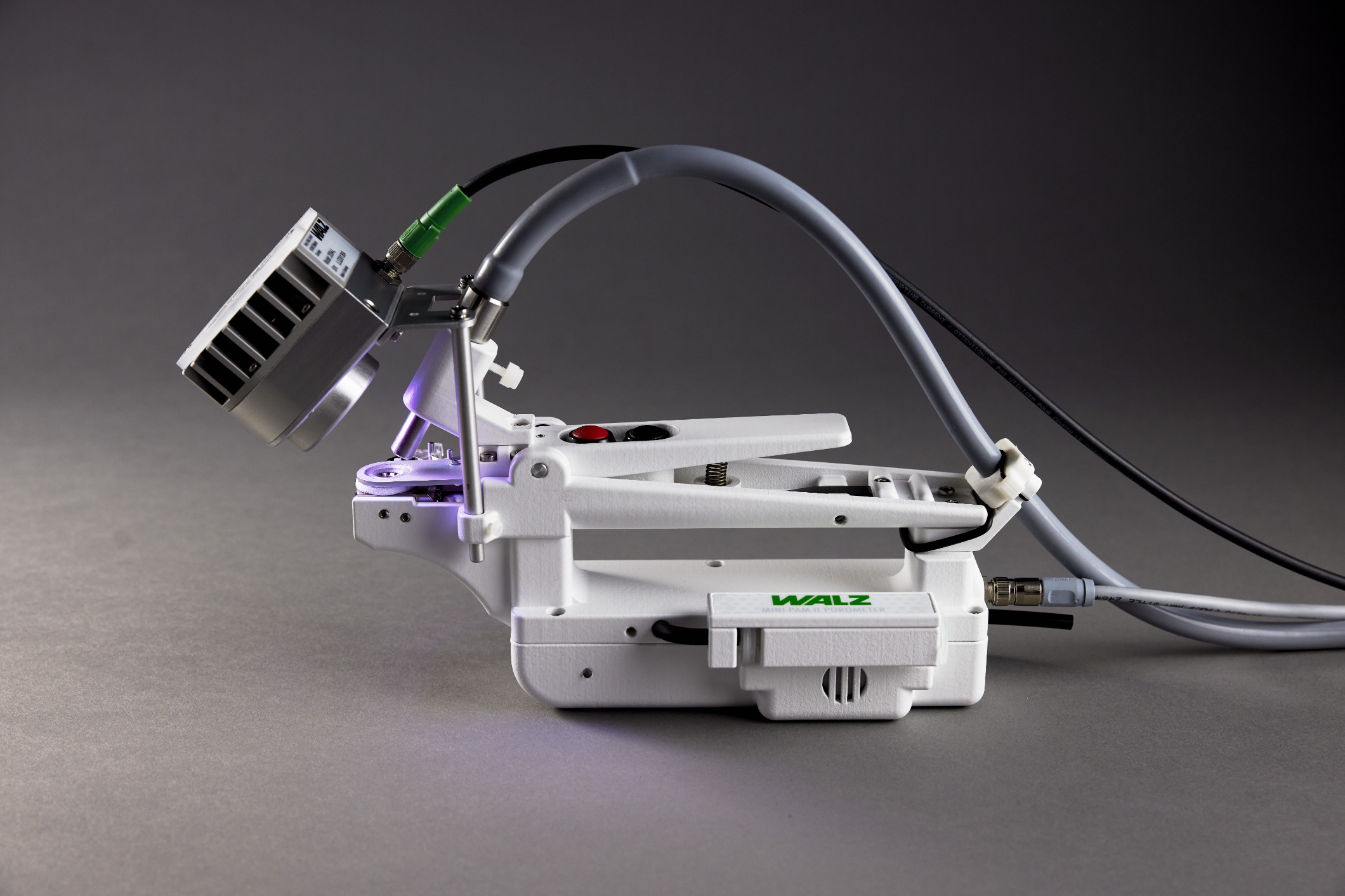
What is a porometer and what does stomatal conductance tell you?
A porometer measures how easily water vapour passes through the stomata of a leaf - a parameter known as stomatal conductance. Stomata are the small pores on the leaf surface that regulate gas exchange between the plant and the atmosphere. When stomata open, the leaf loses water through transpiration and takes up CO₂ for photosynthesis; when they close - under drought, heat, or other stress - water loss drops but photosynthesis slows. Measuring stomatal conductance with a leaf porometer therefore gives direct insight into how a plant responds to its environment, making it one of the most widely used parameters in plant stress physiology, irrigation management, phenotyping, and crop science.
Why Combine Porometry with Chlorophyll Fluorescence?
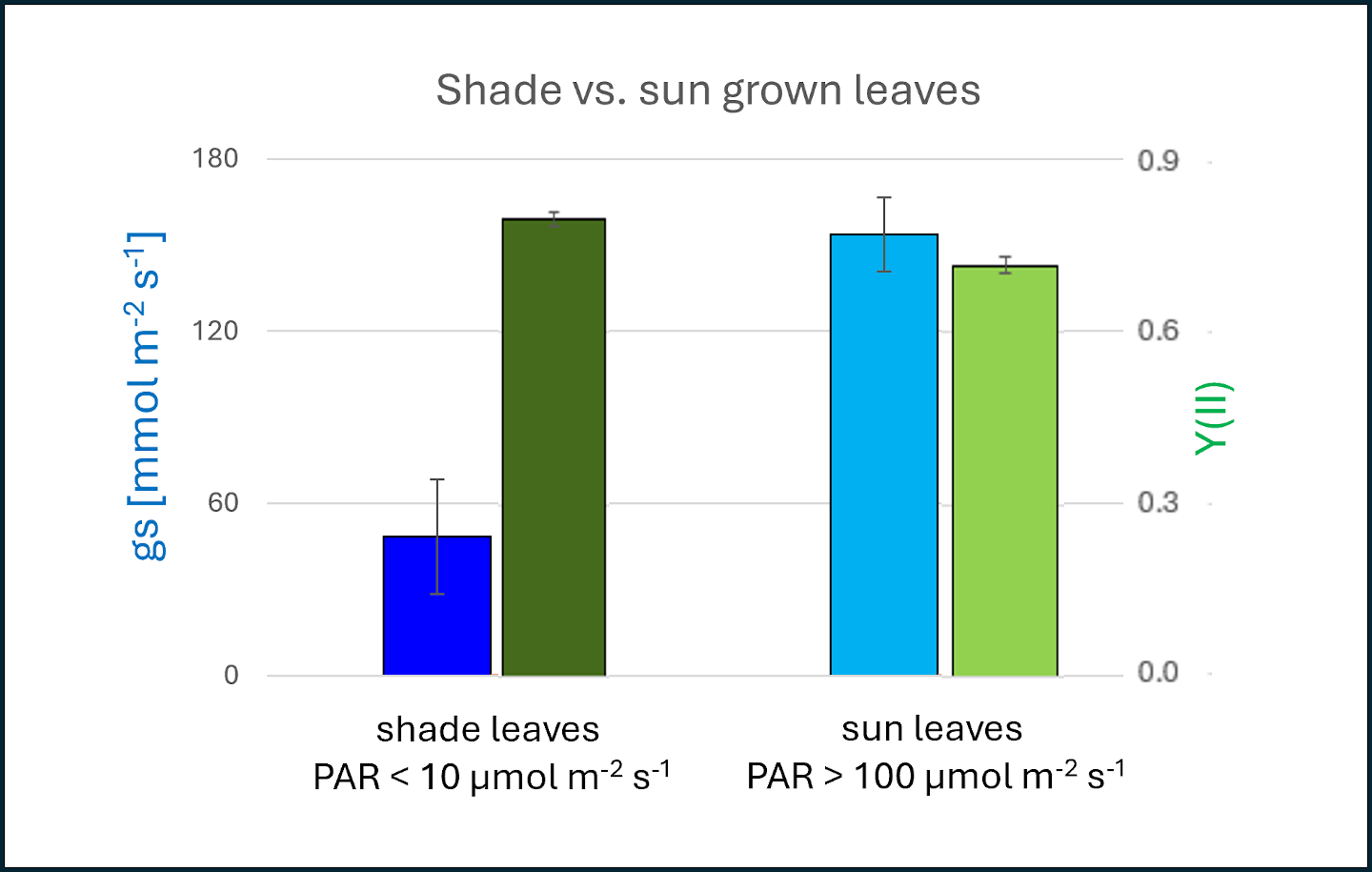
Conventional porometers measure stomatal conductance alone - they tell you whether stomata are open or closed, but not how well the photosynthetic machinery is performing. Our porometer is the only porometer/fluorometer that adds full PAM chlorophyll fluorescence analysis to every porometry measurement. You capture both sides of the equation at once: how much gas exchange the leaf allows (stomatal conductance) and how efficiently it uses absorbed light (PS II quantum yield). Because the system uses complete pulse-amplitude-modulated (PAM) fluorometry with saturating pulses - not just single-turnover fluorescence - it resolves the full quenching analysis. This is decisive for separating stomatal from non-stomatal limitations of photosynthesis, a central question in drought physiology, breeding for water use efficiency, and the study of plant stress responses.
Leaves are covered in thousands of microscopic pores called stomata, each one controlled by a pair of guard cells that act like a tiny valve, actively opening or closing the pore. These pores are the plant's main gateway to the outside world: opening them lets in the CO₂ needed for photosynthesis, but the same opening also lets water escape through transpiration (E). Stomatal conductance describes how open these pores are - and therefore how freely gas exchange can occur - at any given moment.
Guard cells respond within seconds to changing conditions. Light signals the stomata to open, since that's when photosynthesis can take place, while a rising vapor pressure deficit (VPD) - meaning drier air - heat, or drought trigger closure, often mediated by the stress hormone abscisic acid (ABA). This gives the plant a constant balancing act: open stomata maximize carbon gain, while closing them conserves water and protects against excessive water loss.
Because stomatal conductance sits at the intersection of photosynthesis, water relations, and stress physiology, it serves as an early and sensitive indicator of a plant's condition - often revealing drought, heat stress, or disease long before visible symptoms like wilting appear.
How the POROMETER measures stomatal conductance and transpiration
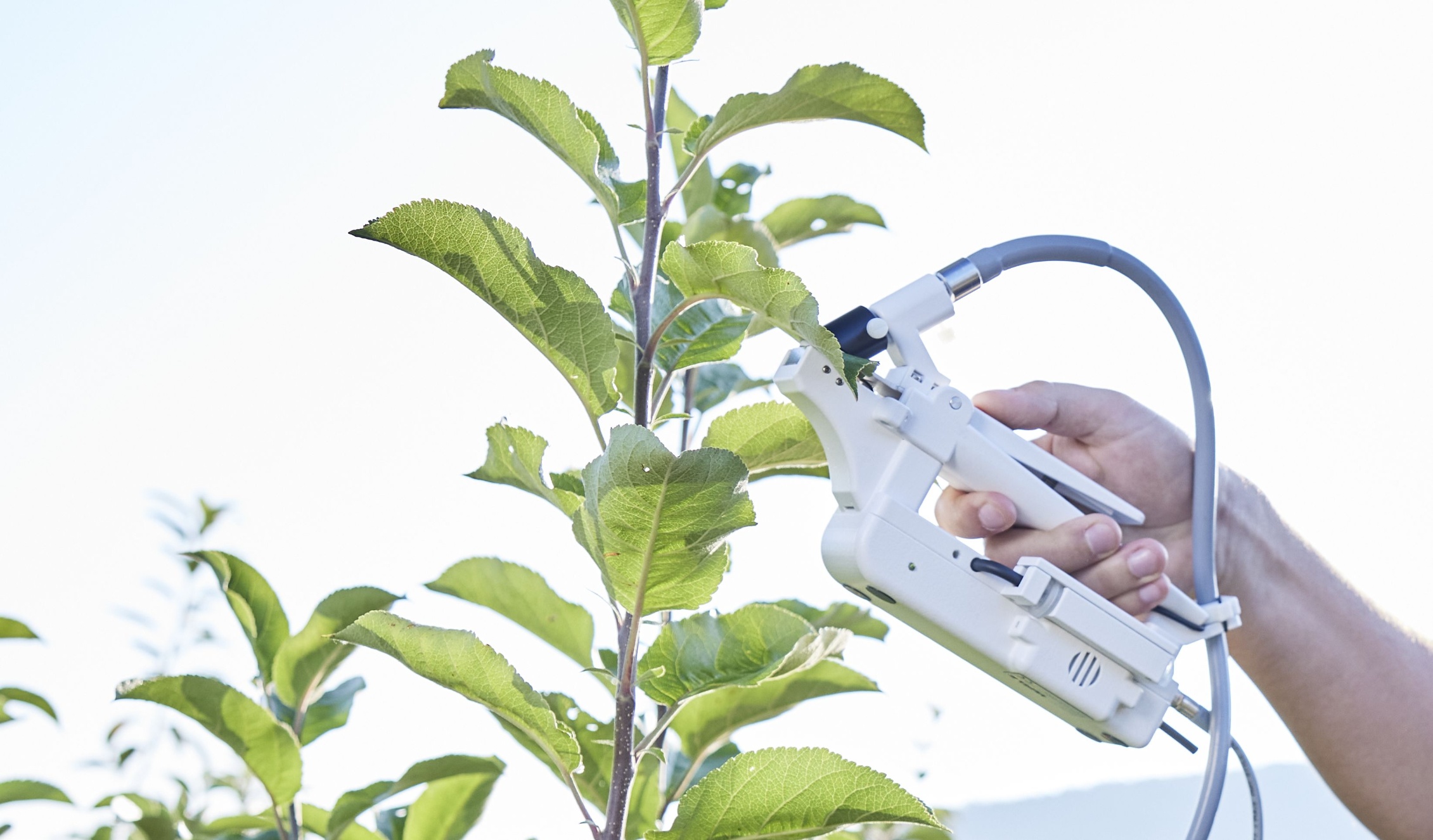
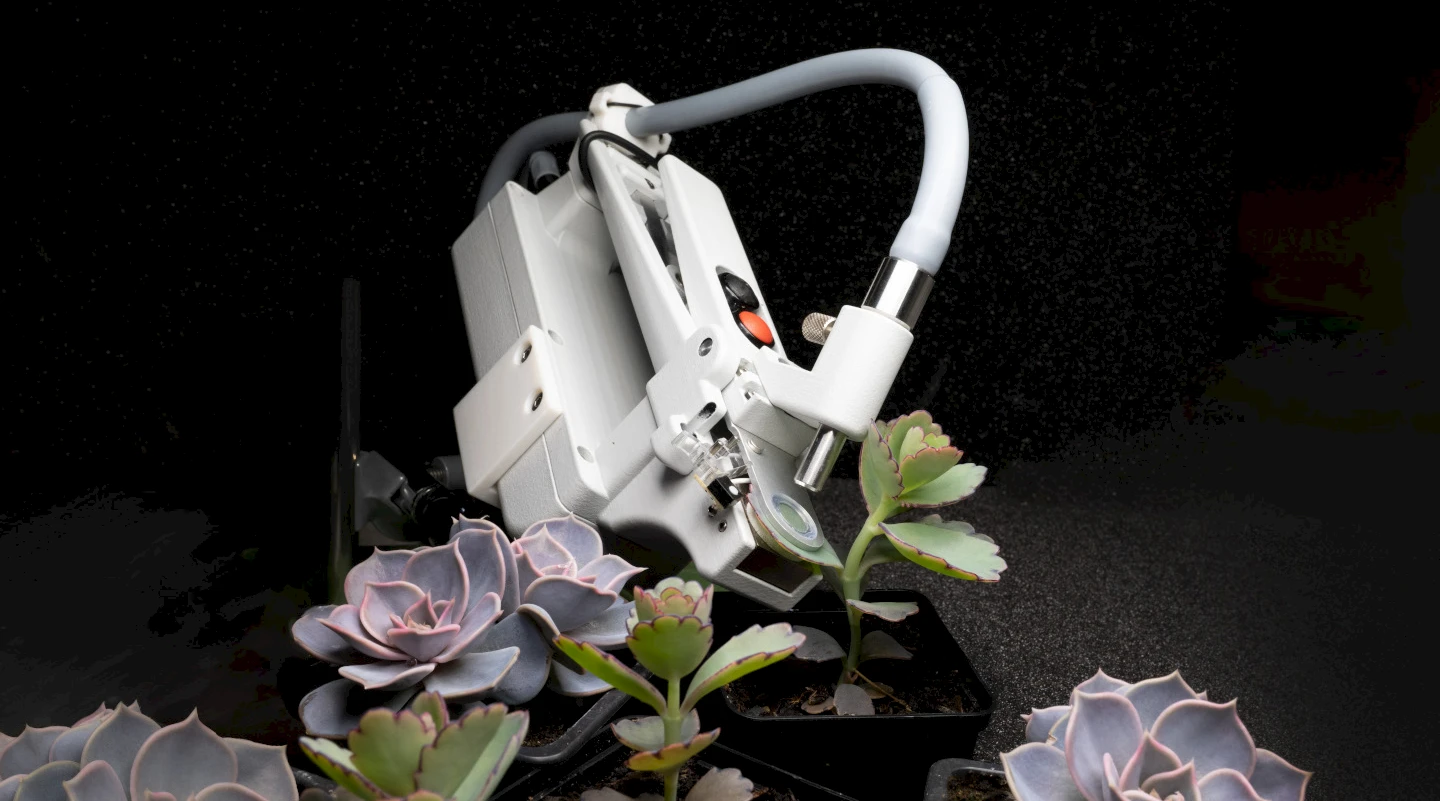
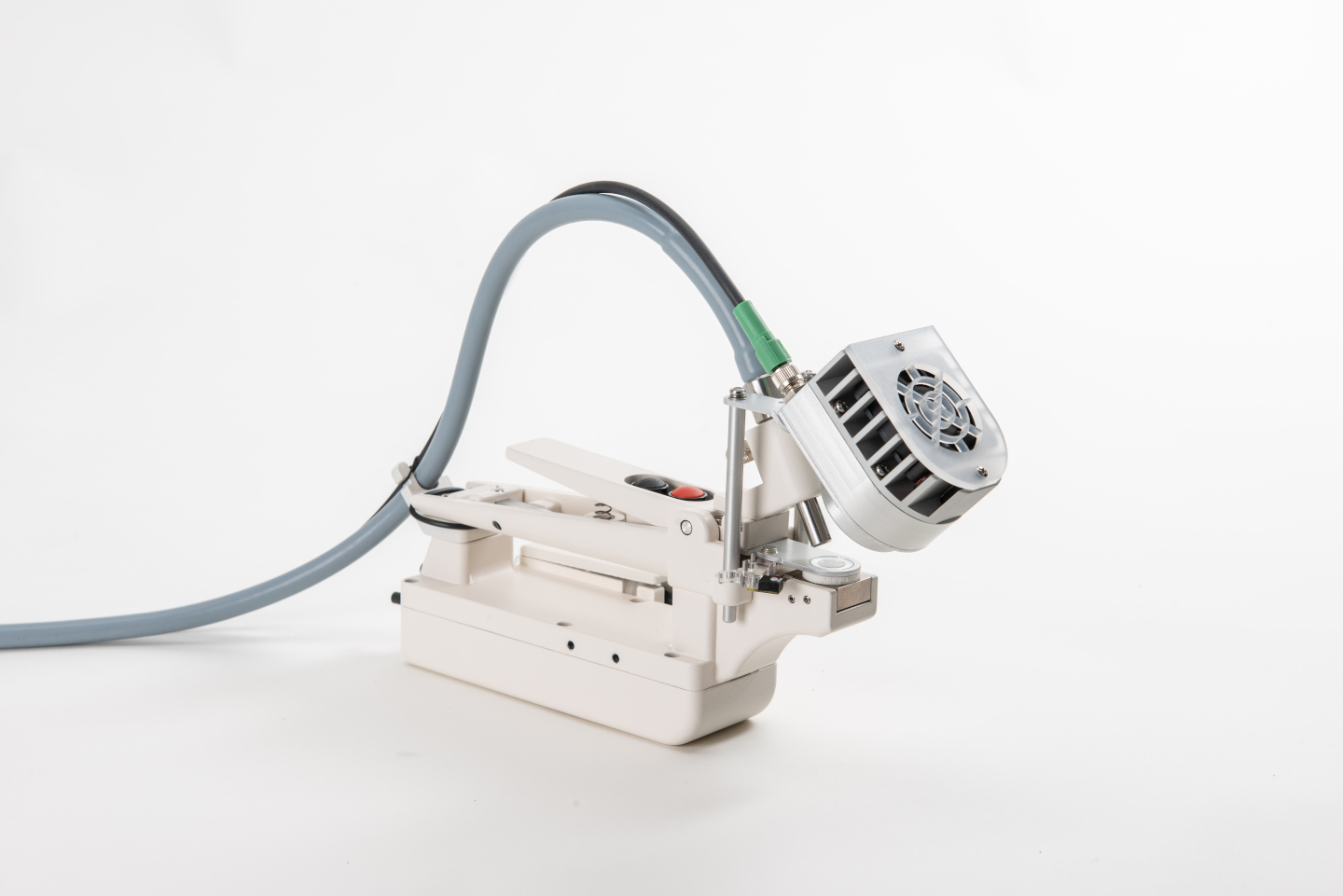
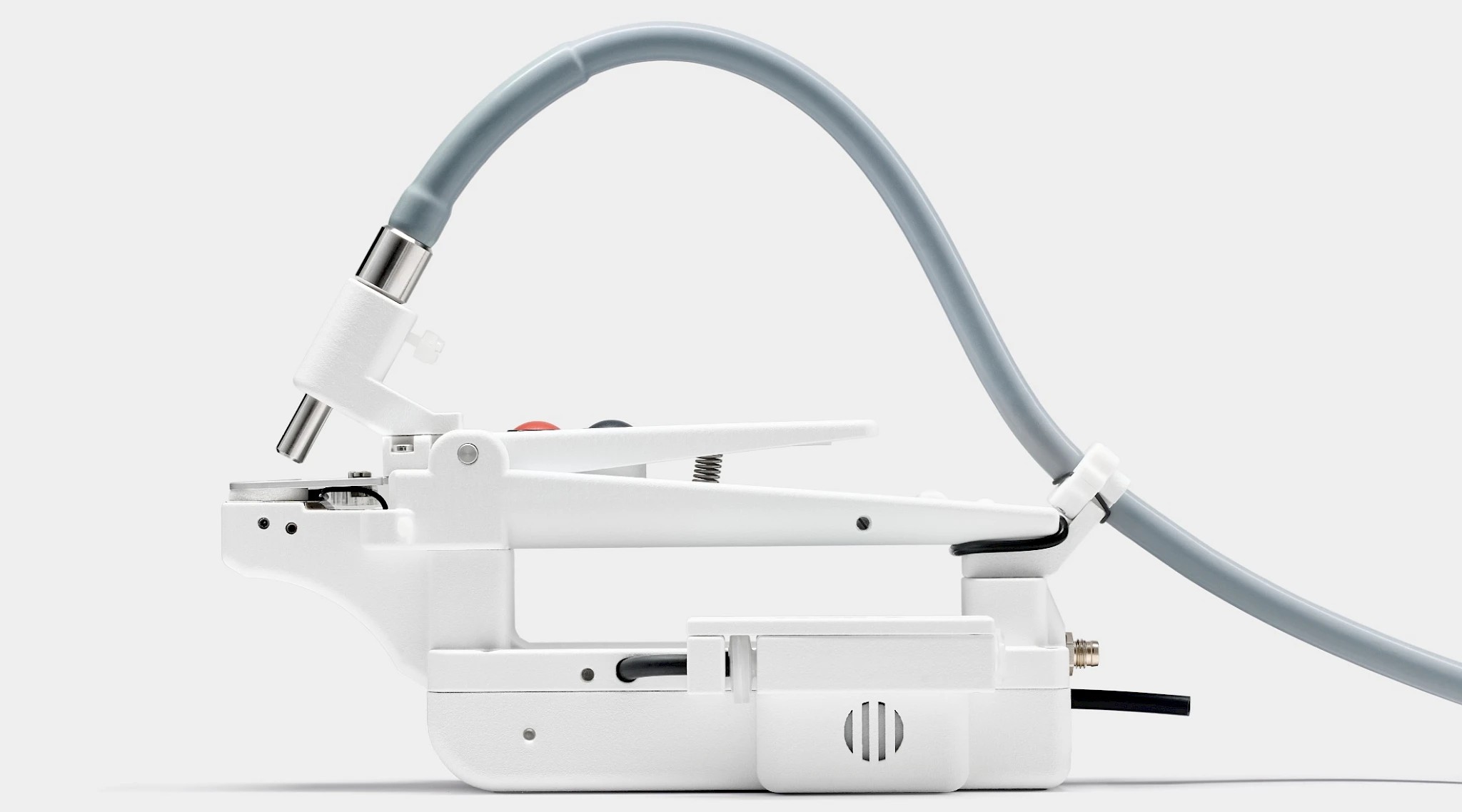
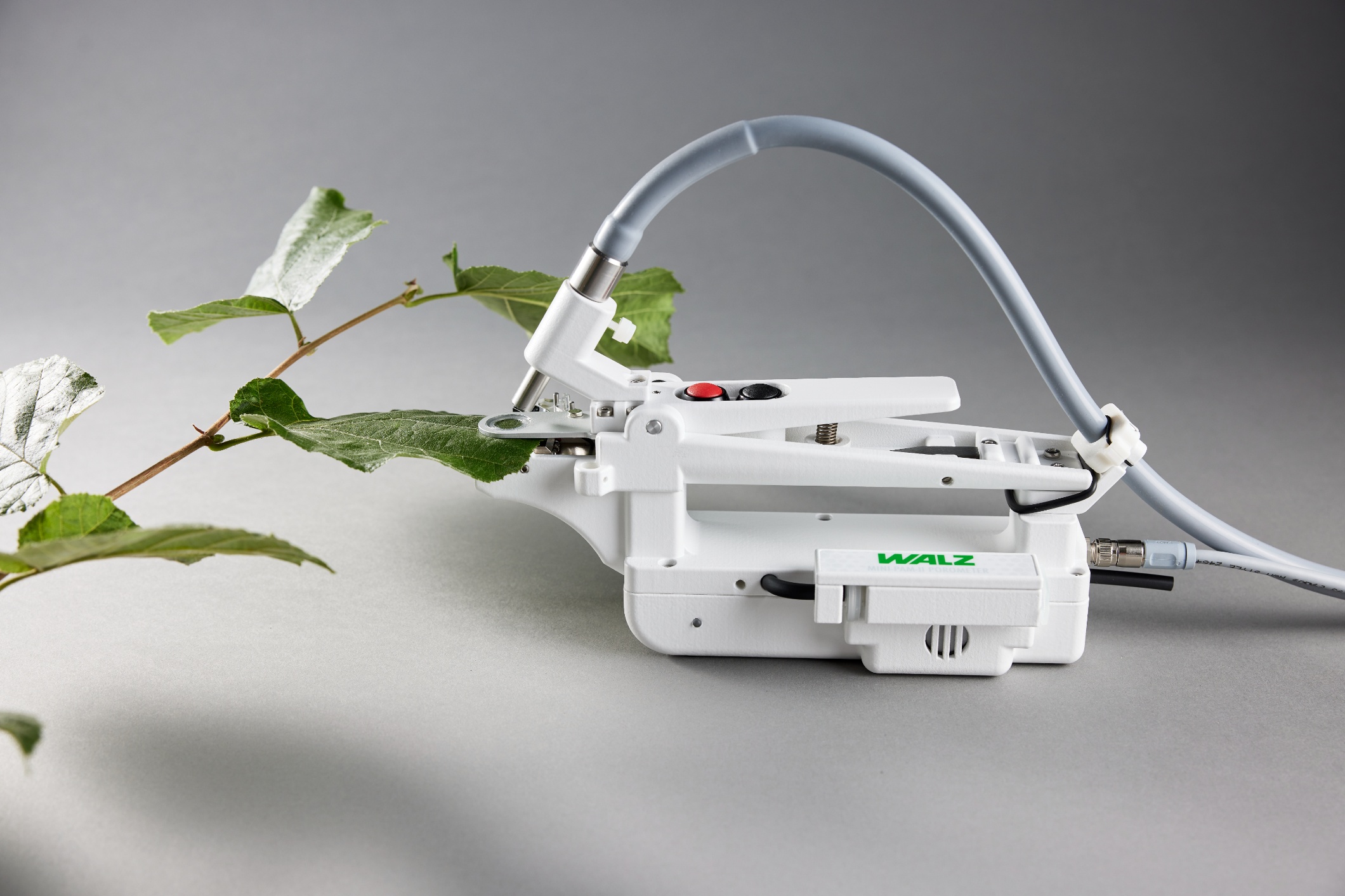
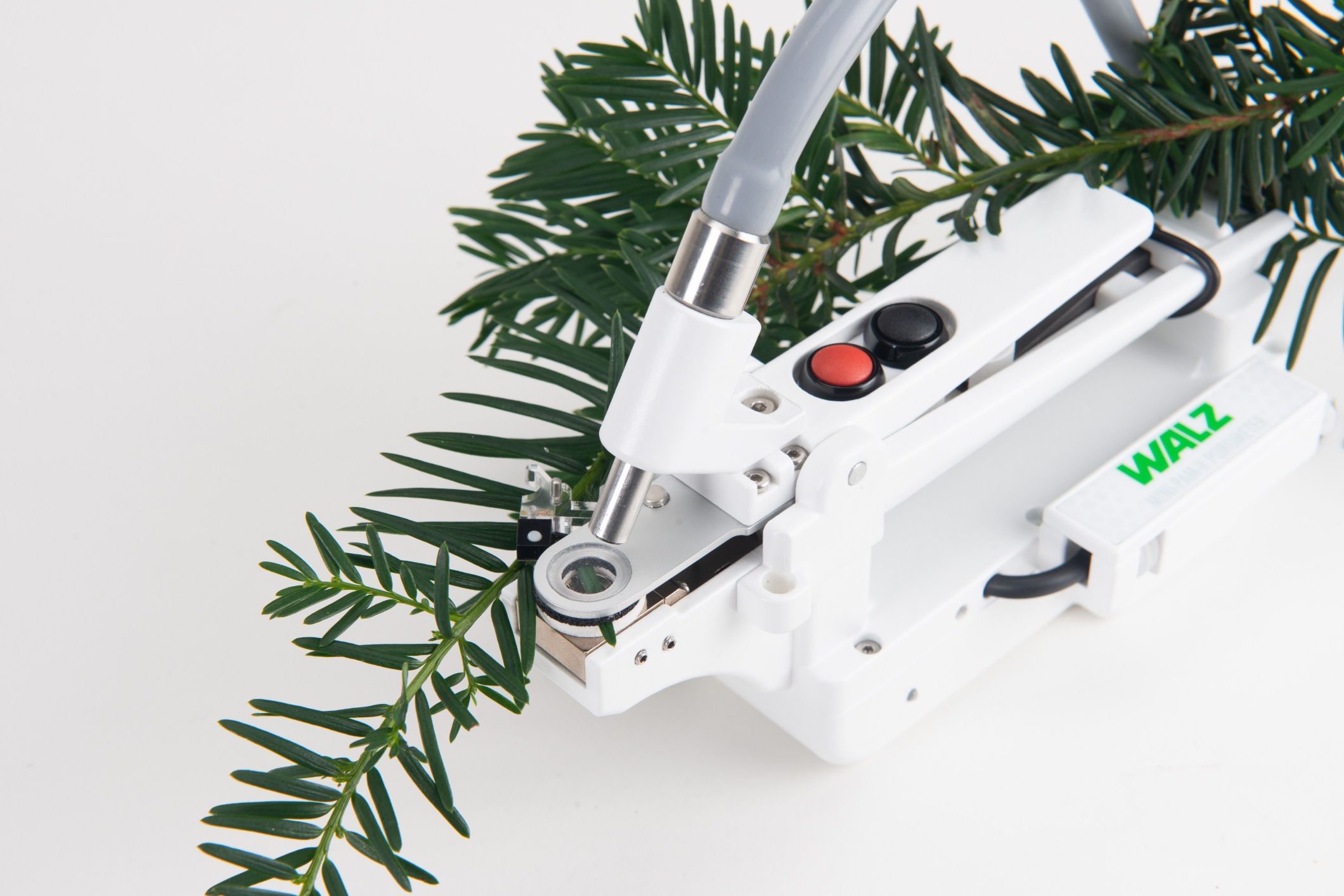
The MINI-PAM-II/POROMETER is a specialized leaf clip that attaches to the MINI-PAM-II portable chlorophyll fluorometer. The clip encloses a 1 cm diameter sample area and integrates humidity sensors, a leaf-temperature sensor, and a fiber-optic port for PAM fluorescence excitation and detection. During a measurement, a defined airflow passes through the chamber; the porometer derives stomatal conductance and transpiration from the humidity change caused by the enclosed leaf, while the PAM system simultaneously records chlorophyll fluorescence through the fiber optic. The entire measurement typically completes in 15 - 30 seconds.
Fast and Reliable Porometry: 15-30 seconds per leaf with automatic stability detection
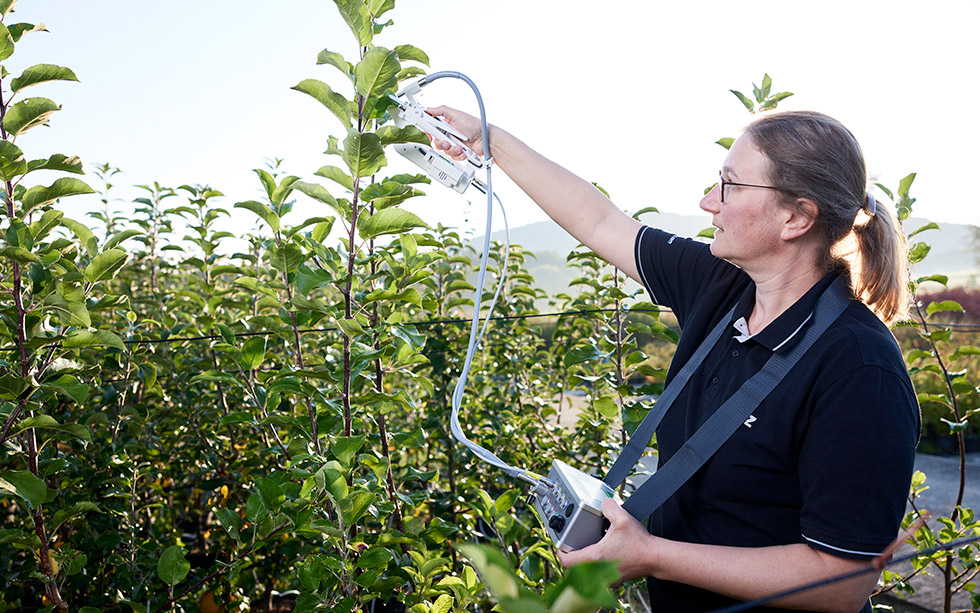
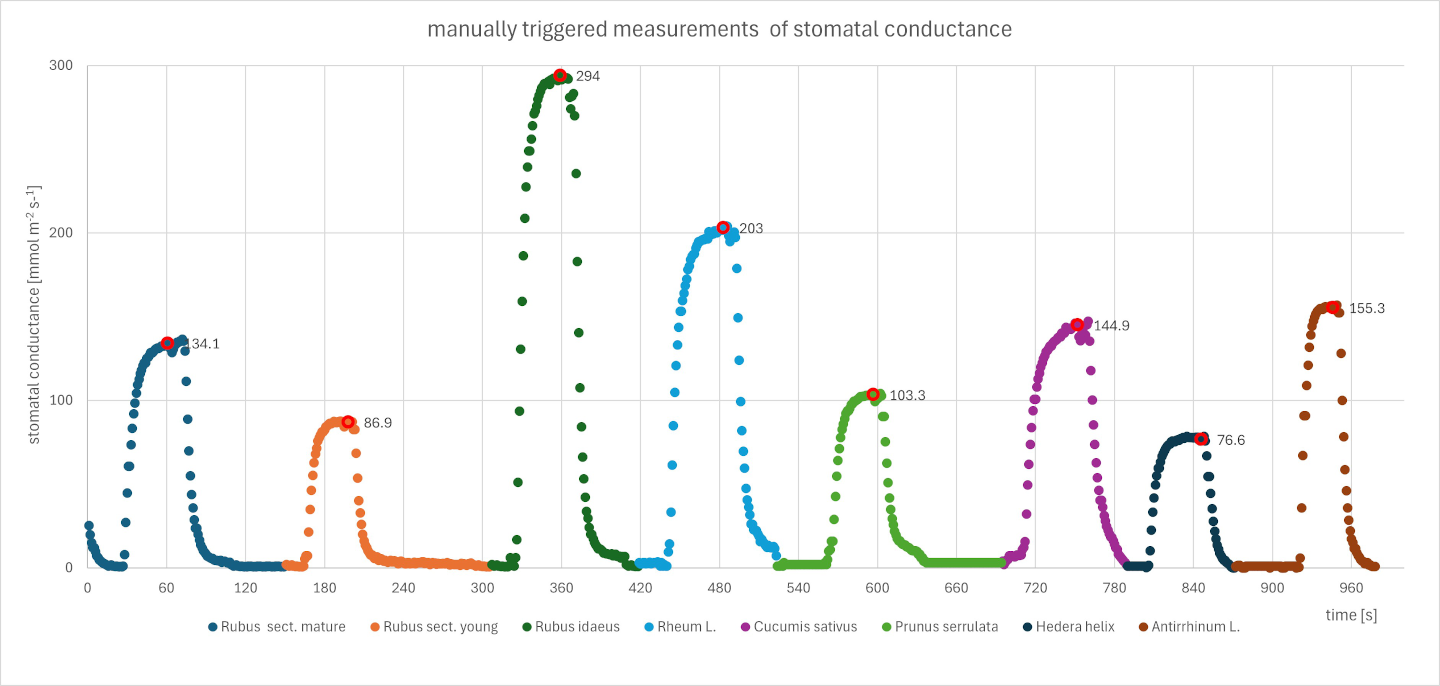
The porometer delivers data every second. At a standard flow rate of 100 µmol s⁻¹ and a typical stomatal conductance of 100 mmol m⁻² s⁻¹, a measurement finishes in 15 - 30 seconds. Automatic stability detection keeps results reliable - clip the leaf, wait for the stability criteria, and the measurement runs automatically with an optional acoustic signal. This makes the system ideal for rapid field screening of large sample sets.
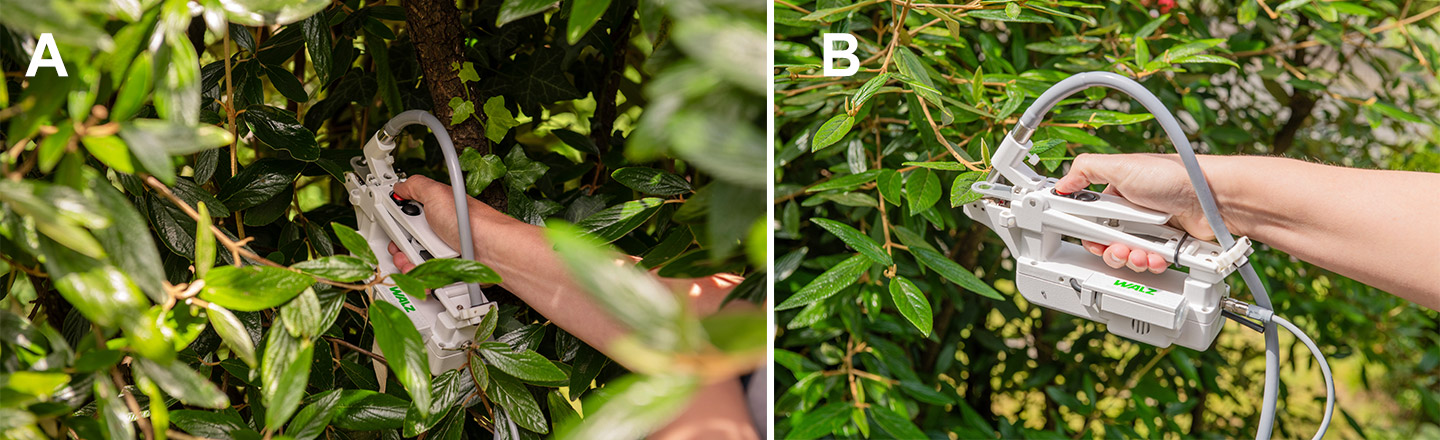
Broad leaves, grasses and conifer needles in a 1 cm measuring chamber
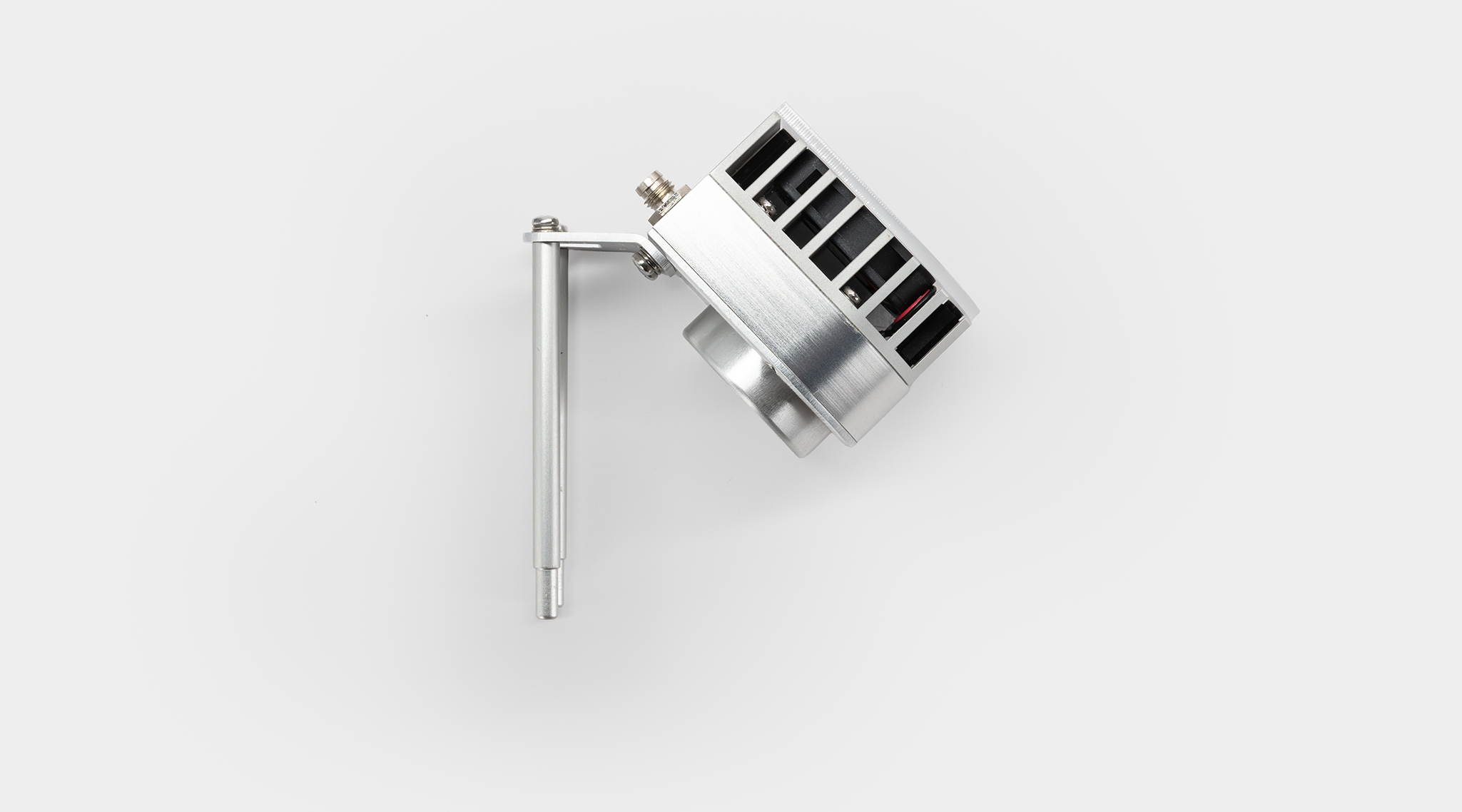
The 1 cm diameter measuring chamber accommodates broadleaves as well as grasses and conifer needles - a significant advantage over other commercially available porometers that struggle with narrow samples. The removable dark shield enables FV/FM measurements with controlled actinic light for dark-acclimated samples.
GPS, leaf angle and sun angle recorded with every measurement
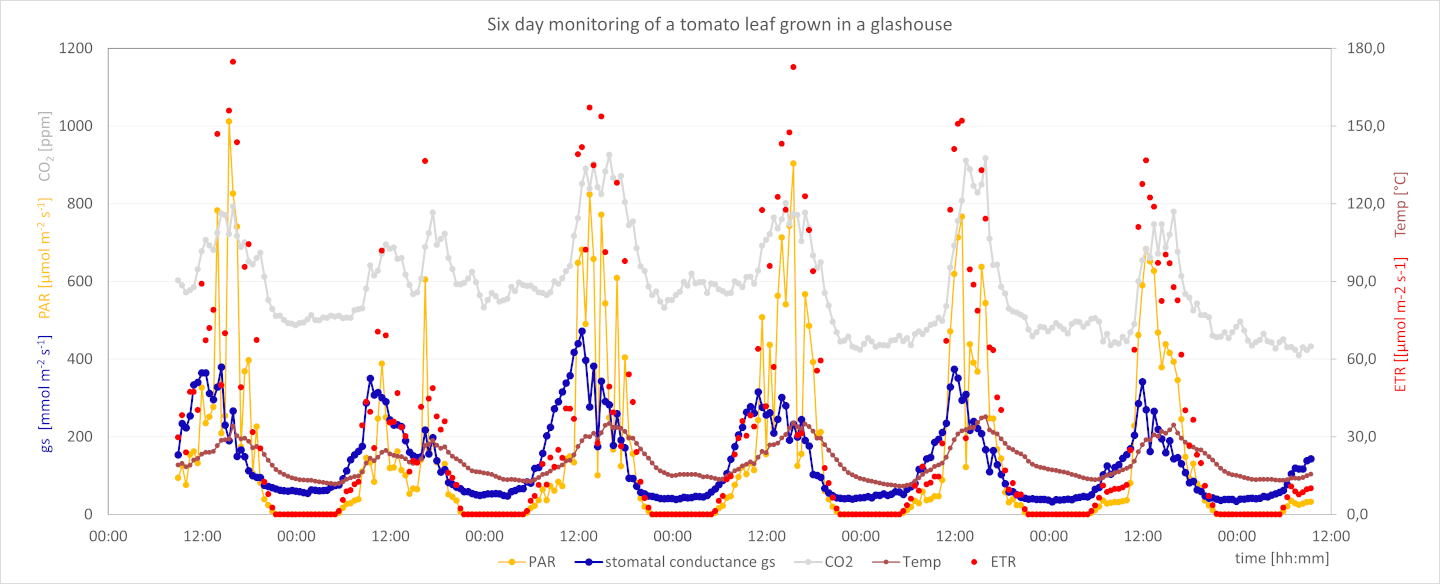
Every measurement automatically logs data from a built-in GPS, accelerometer, gyroscope, and magnetometer - providing geospatial coordinates, sun angle, and leaf angle with every data point. A cosine-corrected PAR sensor at sample level and a leaf-temperature thermocouple complete the environmental context. No other handheld porometer captures this depth of environmental metadata.
Established Measurement Protocols: induction and light curves track stomatal dynamics over time
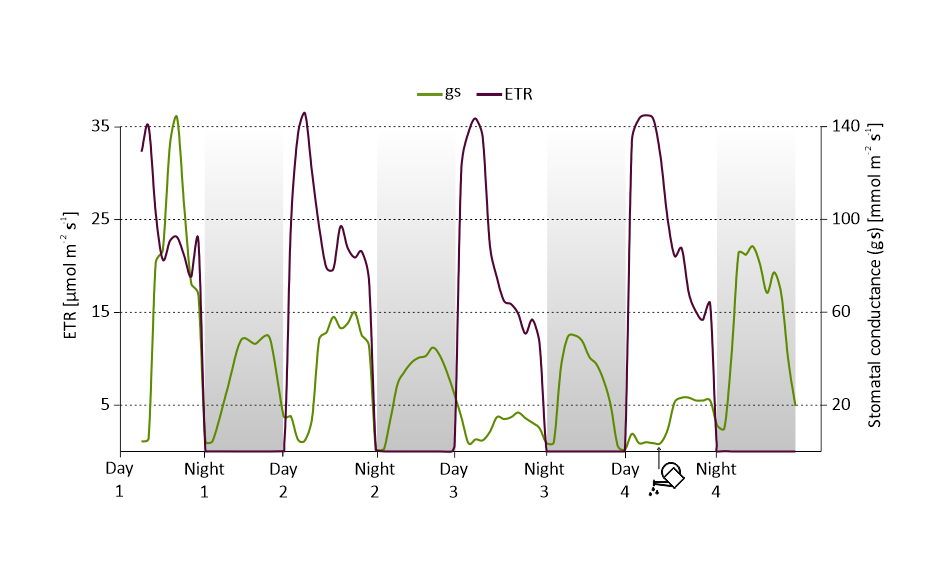
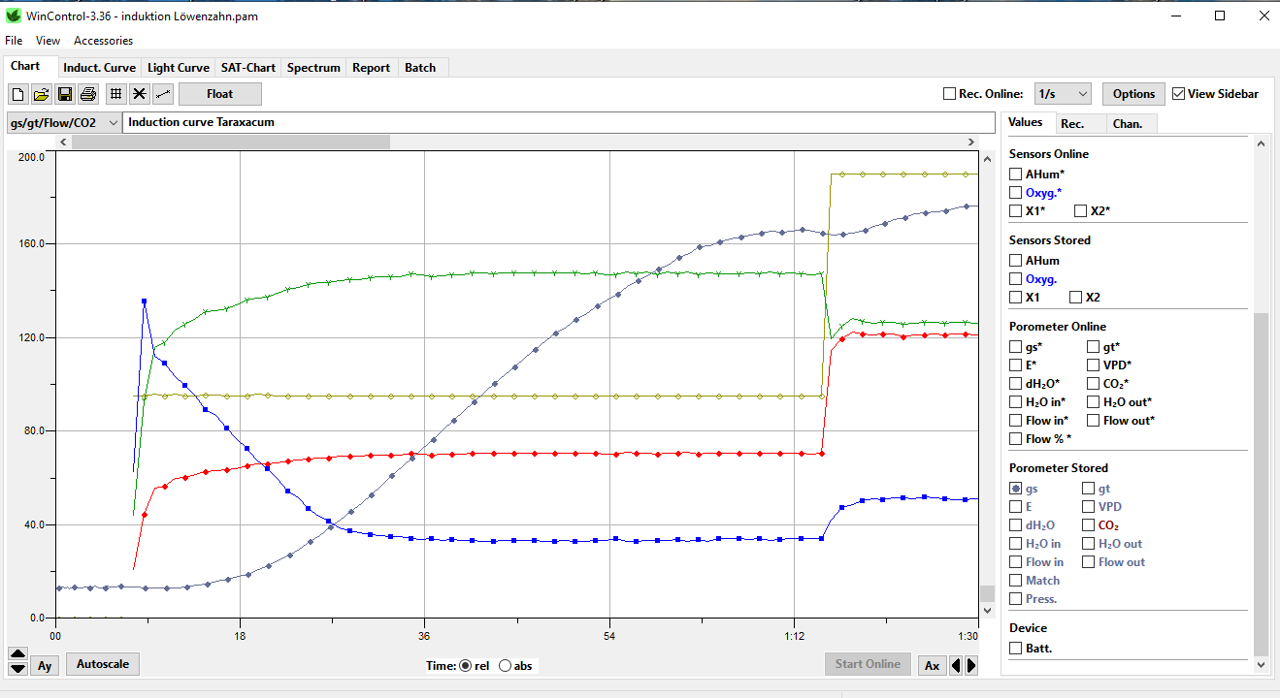
Beyond rapid single-point porometry, the system supports advanced protocols including induction curves and light curves, enabling detailed analysis of stomatal dynamics over time for example, tracking stomatal opening and closing in response to light transitions or drought onset.