MINI-PAM-II
Portable PAM Fluorometer for Field and Laboratory
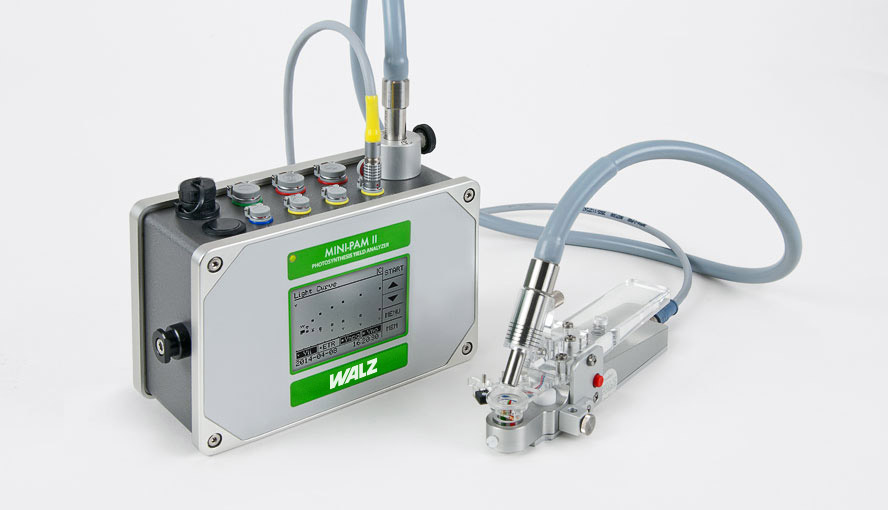
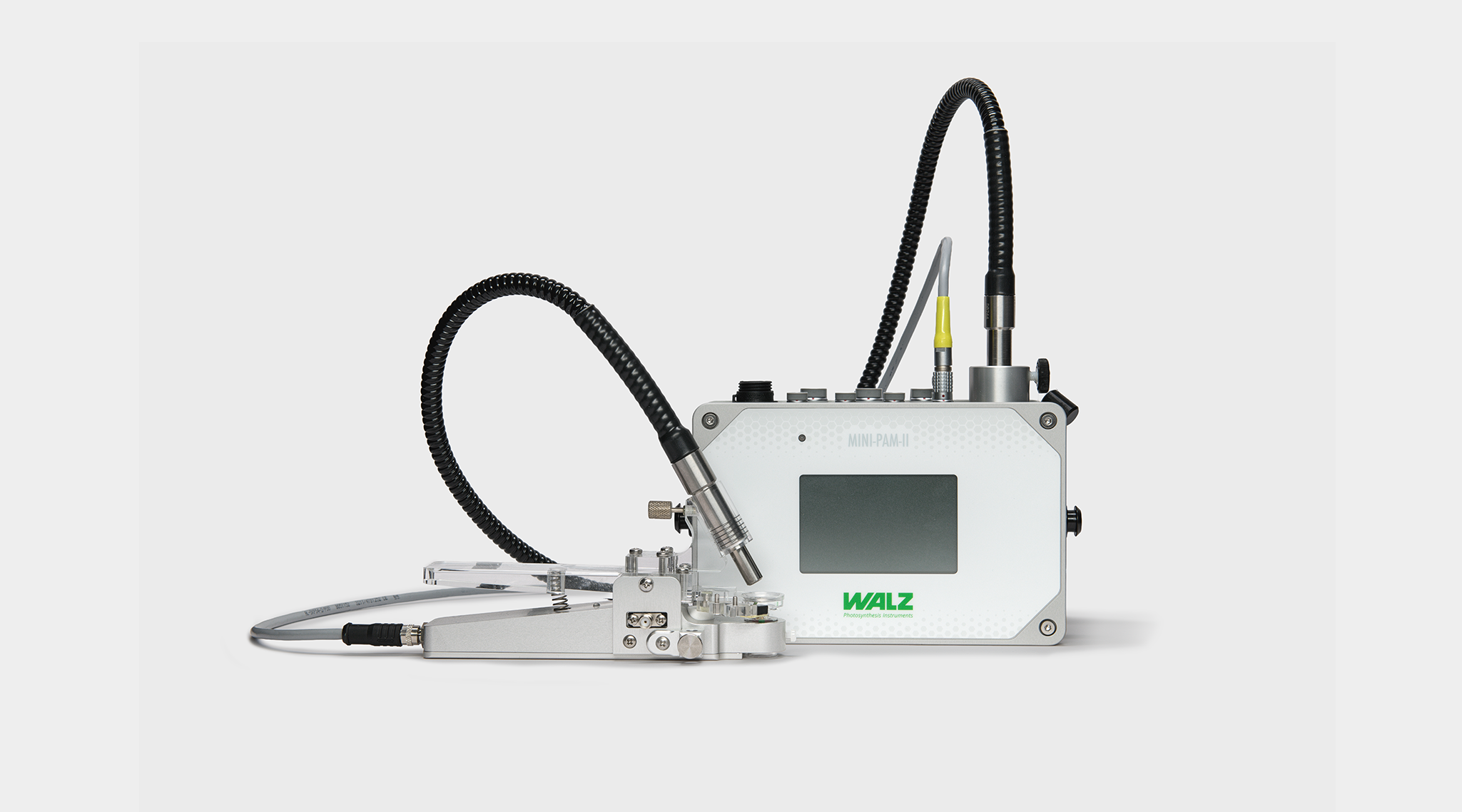


The Standard for PAM Fluorometry in Field Research
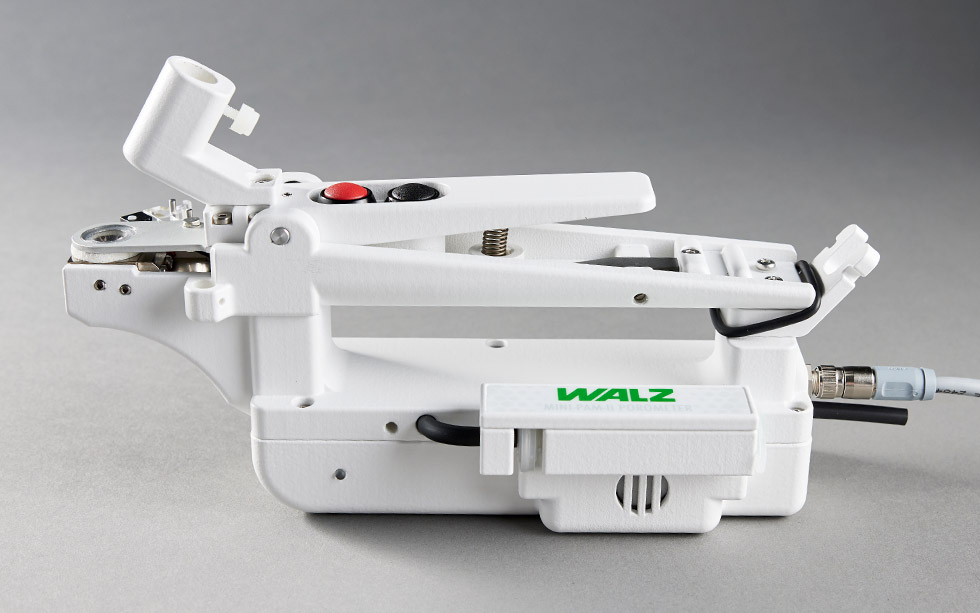
The MINI-PAM-II is a portable chlorophyll fluorometer based on the pulse-amplitude modulation (PAM) technique. It enables rapid, non-destructive assessment of photosystem II efficiency, electron transport rate, and plant stress responses directly at the site of interest. Energy-efficient LED sources and easy-to-replace batteries ensure extensive measurements in remote locations. Sensitivity, small dimensions, reliability under rugged conditions, and simple execution of fluorescence analysis make the MINI-PAM-II the standard for PAM fluorometry.
What is Chlorophyll a fluorescence?
When chlorophyll molecules absorb light during photosynthesis, a small fraction of that energy is re-emitted as fluorescence. Measuring this chlorophyll fluorescence signal provides a direct, non-invasive window into the photosynthetic performance of the plant without causing any damage. Chlorophyll fluorescence analysis is a well-established technique for detecting and quantifying environmental stress, photoinhibition, nutrient deficiency and acclimation processes in plants, algae, lichens and cyanobacteria. As the measurements are non-invasive, the same leaf or organism can be monitored repeatedly over time.
The MINI-PAM-II uses the pulse-amplitude modulation (PAM) technique - a technique that enables the detection of weak chlorophyll fluorescence signals even in full sunlight. The key principle is that the instrument emits rapidly pulsed measuring light at a defined modulation frequency. As the detector only responds to signals at this exact frequency, it can clearly distinguish the fluorescence emitted by the plant from the much stronger unmodulated ambient light. This separation allows reliable measurements to be taken in the field without the need to shield the leaf.
From these measurements the system automatically calculates many different parameters, namely FV/FM (maximum photochemical yield), Y(II) (effective photochemical yield) and its complementary yields Y(NPQ) and Y(NO), as well as parameters of photochemical (qL, qP) and non-photochemical quenching (NPQ, qN).
Ready for Fieldwork
Energy-efficient LED sources, storage capacity for 27,000 data sets, and easy replaceable off-the-shelf batteries permit extensive measurements in remote places. A sun-readable touchscreen serves as easy-to-use interface for field studies. The fluorometer automatically calculates and displays all relevant parameters of saturation pulse analysis.
The far-red light (735 nm LED) of the MINI-PAM-II preferably excites photosystem I. Low intensity far-red light induces nearly no charge separations in photosystem II. A special measuring routine uses this far-red light to determine the F0’ fluorescence level, which is important to correctly assess the redox state of photosystem II reaction centers.
Different versions for various applications
The MINI-PAM-II is available in a blue version (470 nm) and a red version (655 nm), optimized for different sample types. Blue excitation is standard for higher plants and green algae, while red excitation is preferred for cyanobacteria and samples where blue-light-induced responses should be avoided. For suspensions, the Suspension Version adds the KS-2500 cuvette and MKS-2500 stirring unit, allowing measurements in as little as 400 µl optionally with oxygen detection and water-bath temperature control.
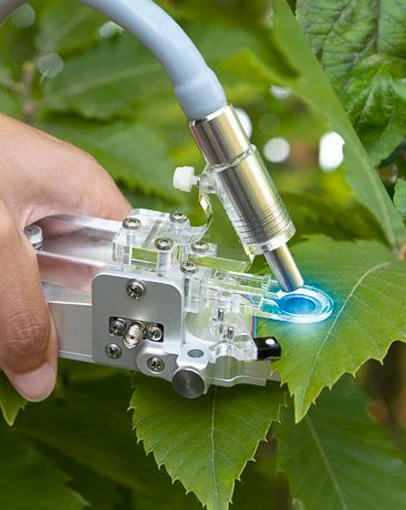
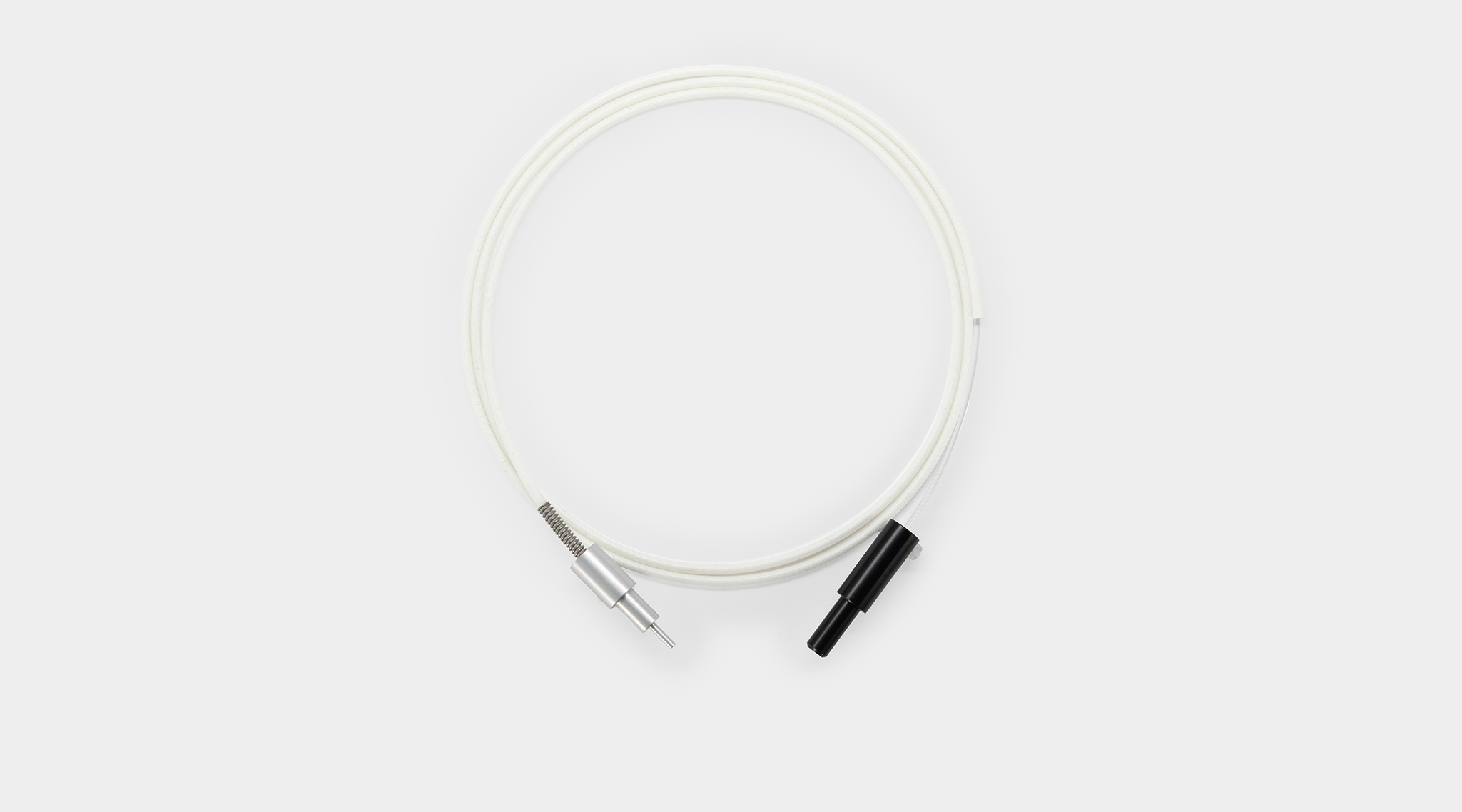
Blue measuring and actinic light at 470 nm, fluorescence detected above 630 nm. Matches the absorption of chlorophyll a/b and carotenoids and is the standard choice for higher plants, green algae, mosses and lichens.
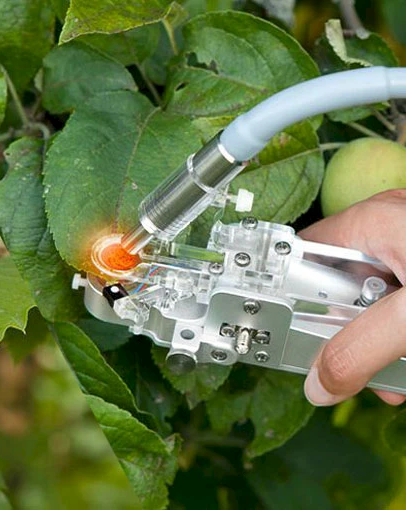
Red measuring and actinic light at 655 nm, fluorescence detected above 700 nm. Penetrates deeper into leaf tissue, excites phycobilin-containing organisms efficiently, and avoids blue-light-specific plant responses.
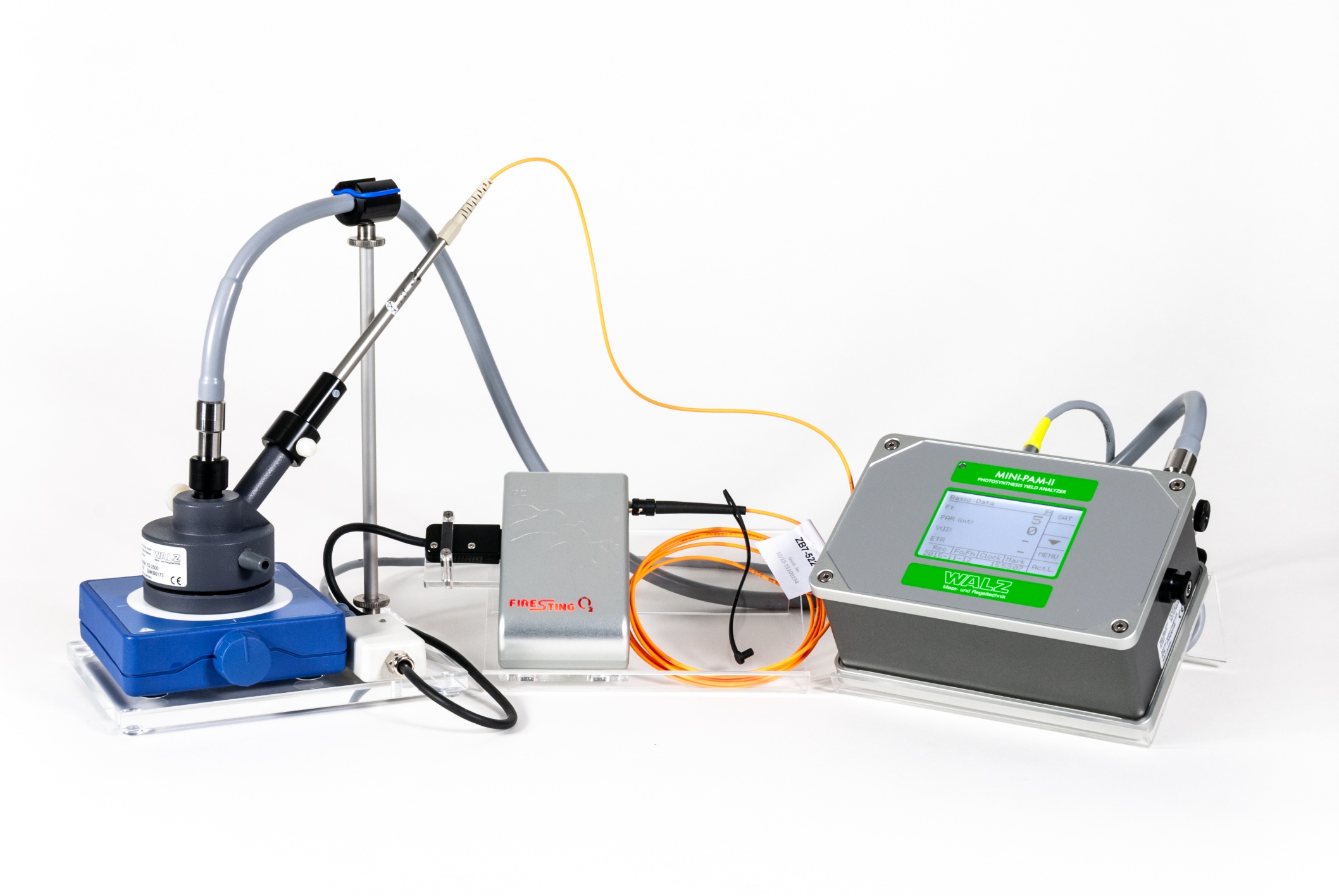
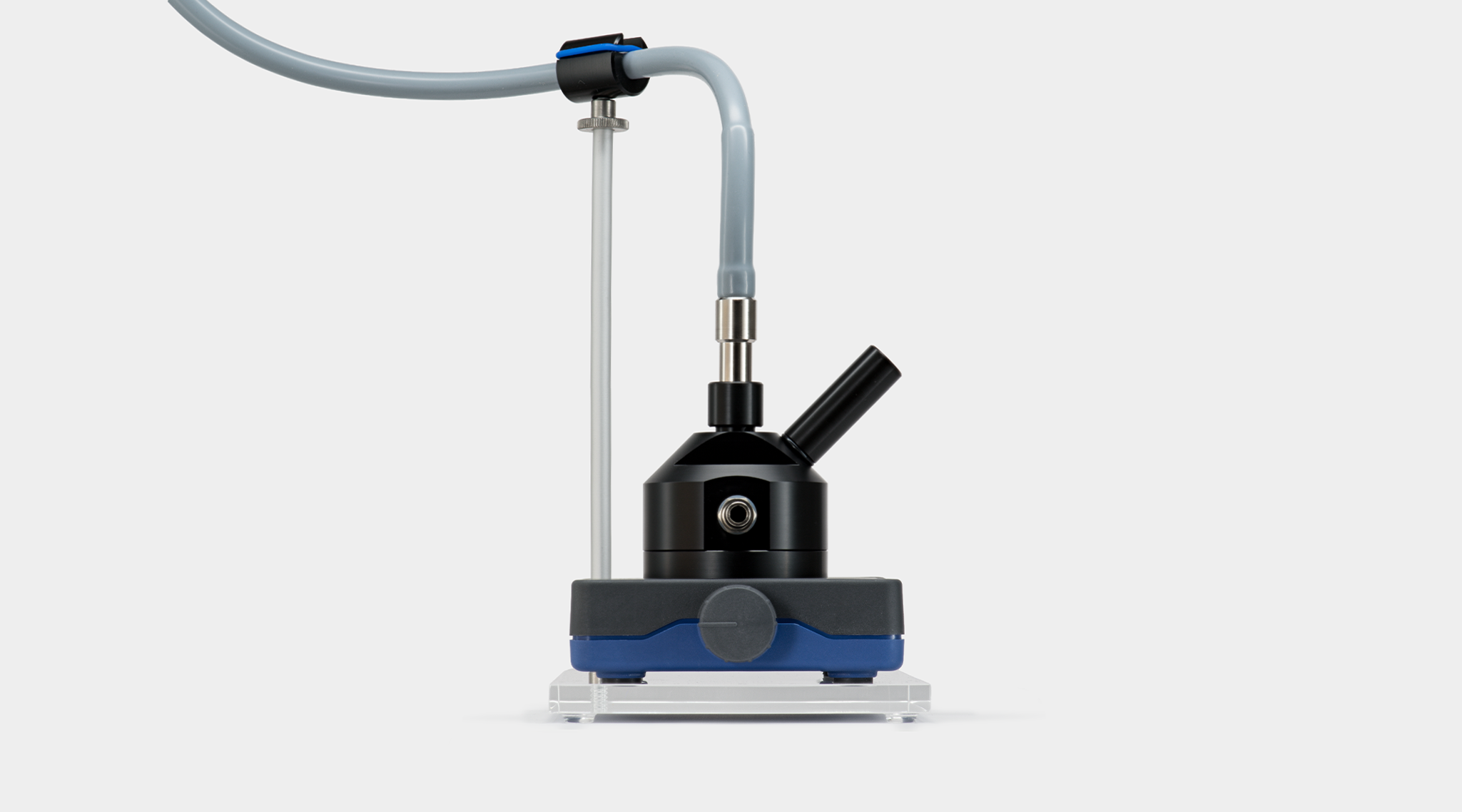
Configured for liquid samples: the KS-2500 cuvette with MKS-2500 stirring unit measures chlorophyll fluorescence in as little as 400 µl, optionally combined with oxygen detection and water-bath temperature control.
Expandable with porometer, spectrometer and oxygen sensor: leaves, needles and suspensions
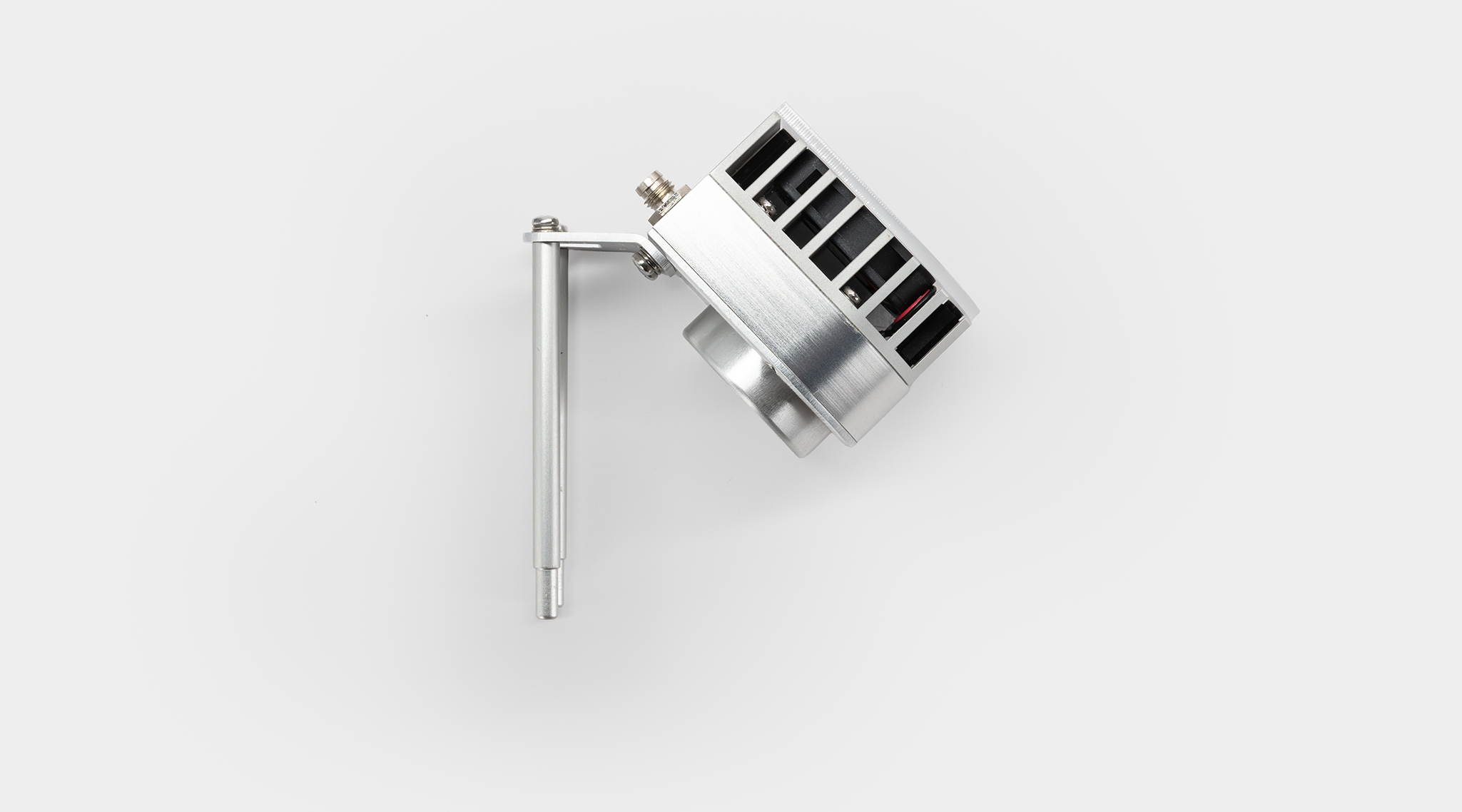
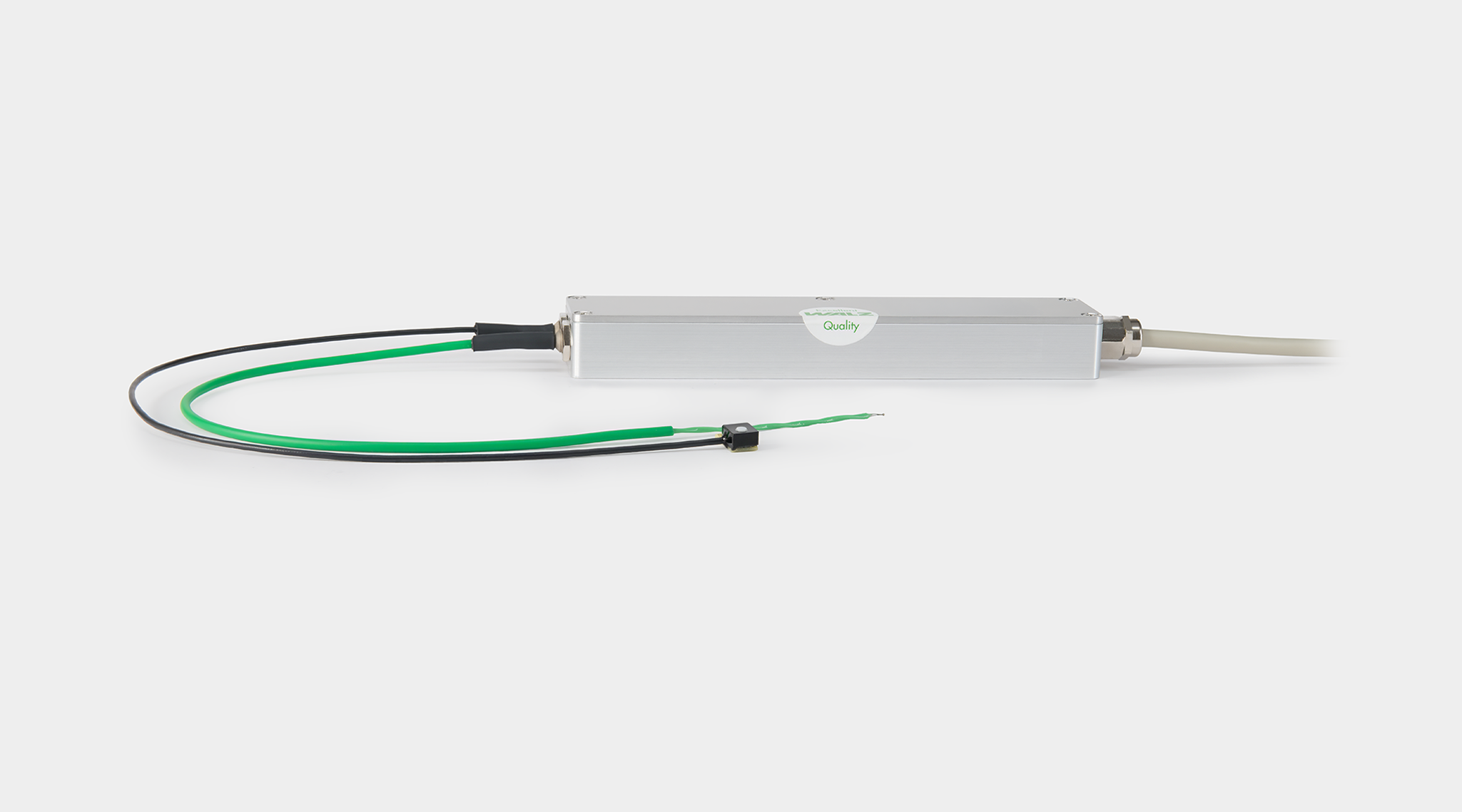
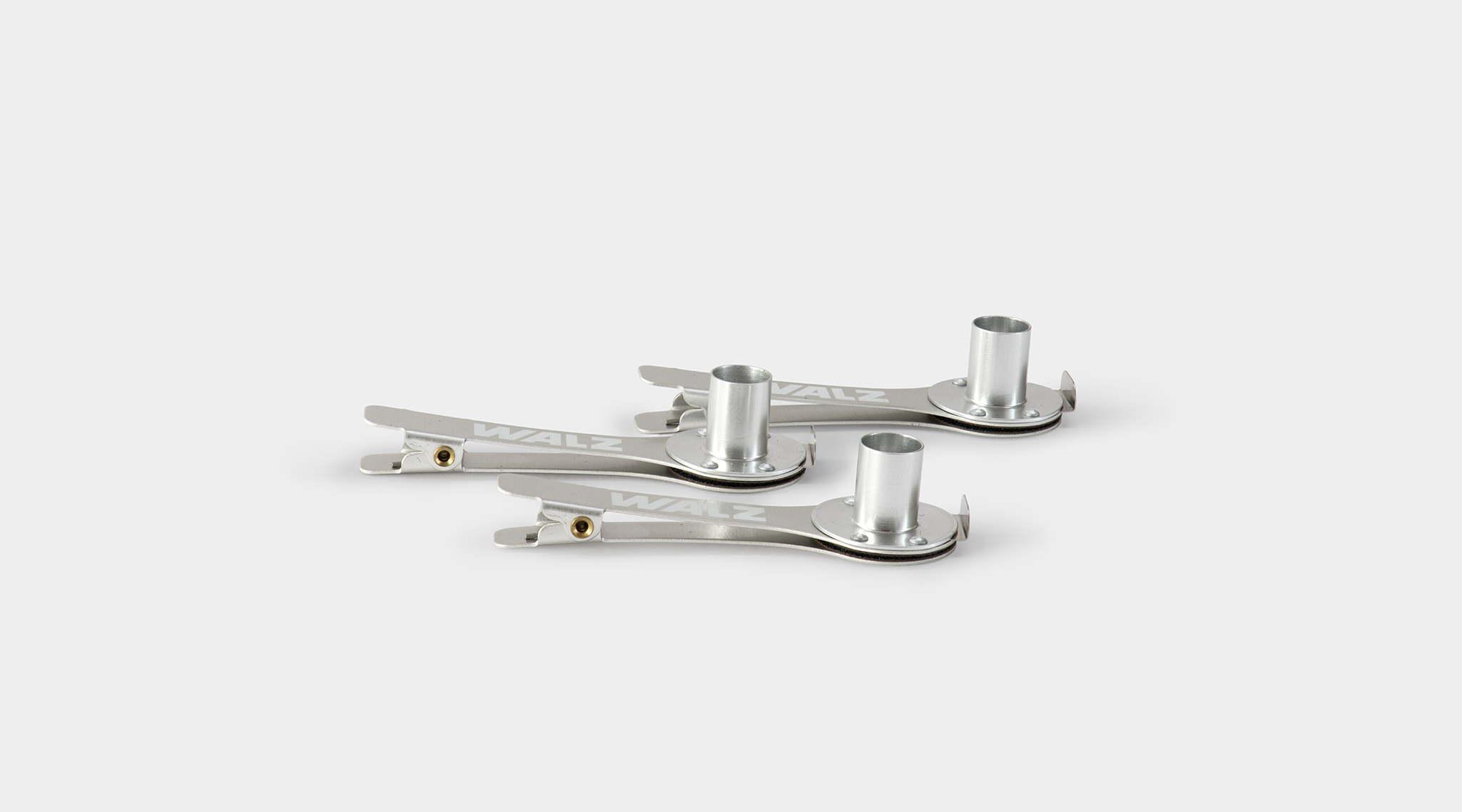
The MINI-PAM-II grows with your research. A wide range of accessories adapts the system to virtually any application. From leaf clips and miniature spectrometer to porometer, suspension cuvette with oxygen sensor, multi-color lamp, and barcode scanner.
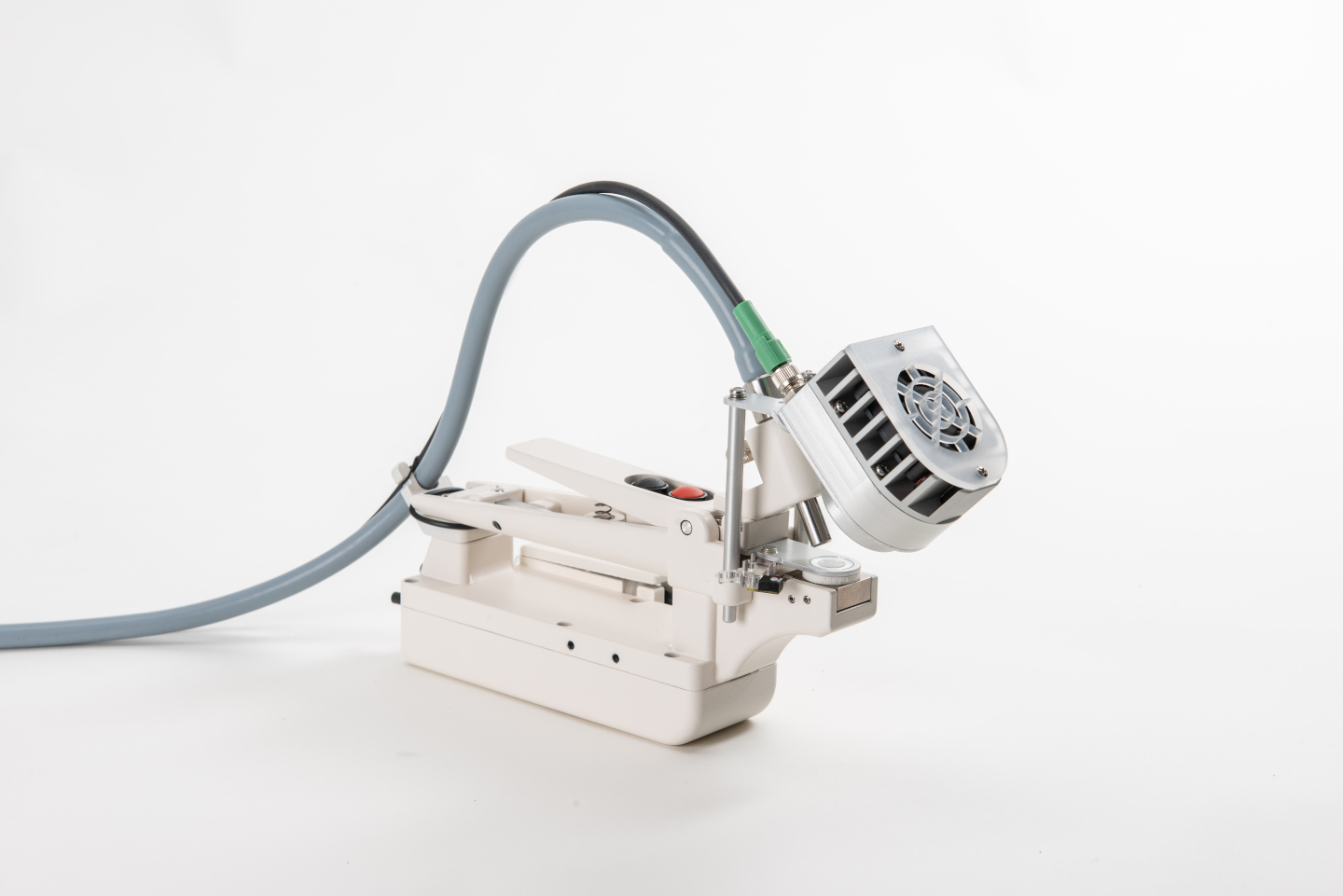
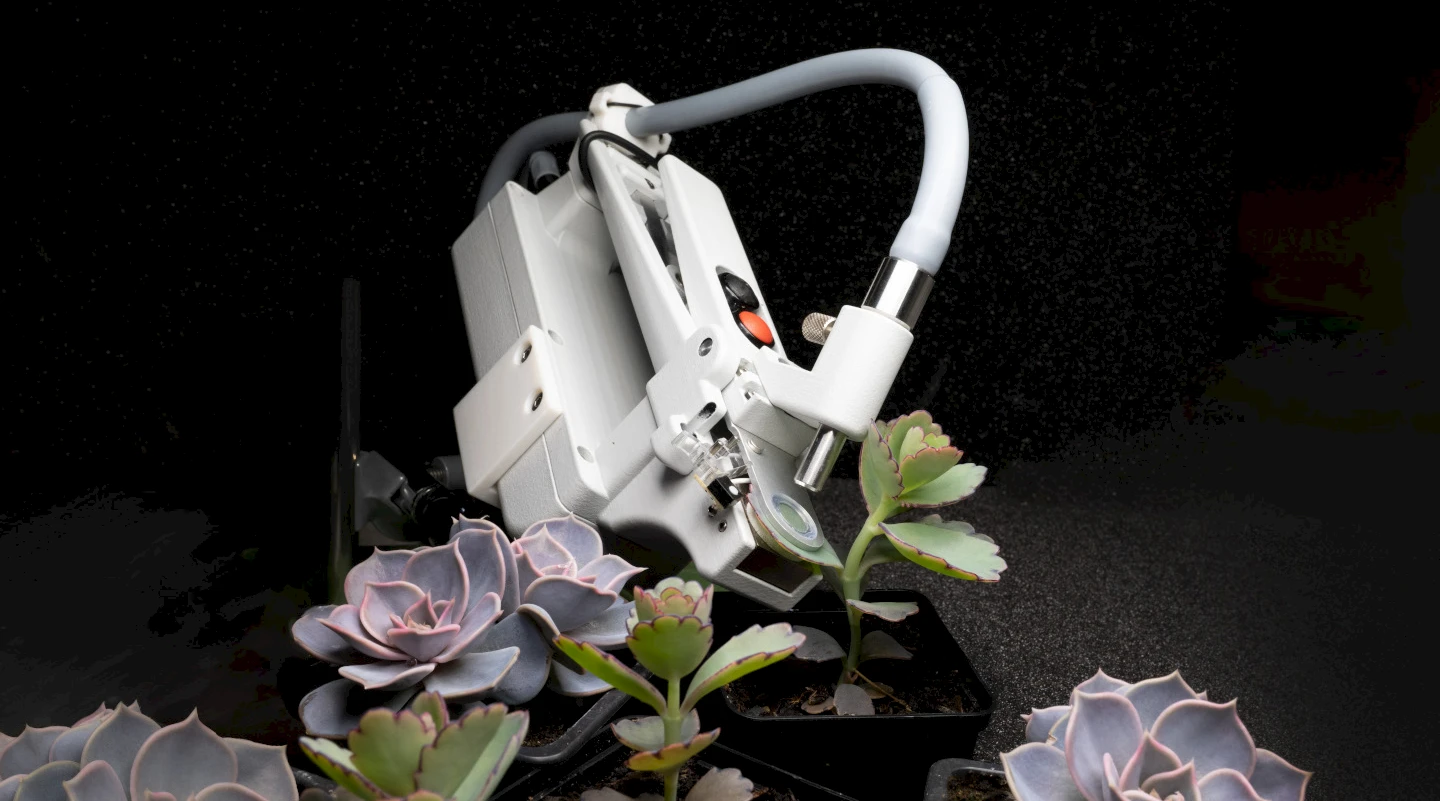
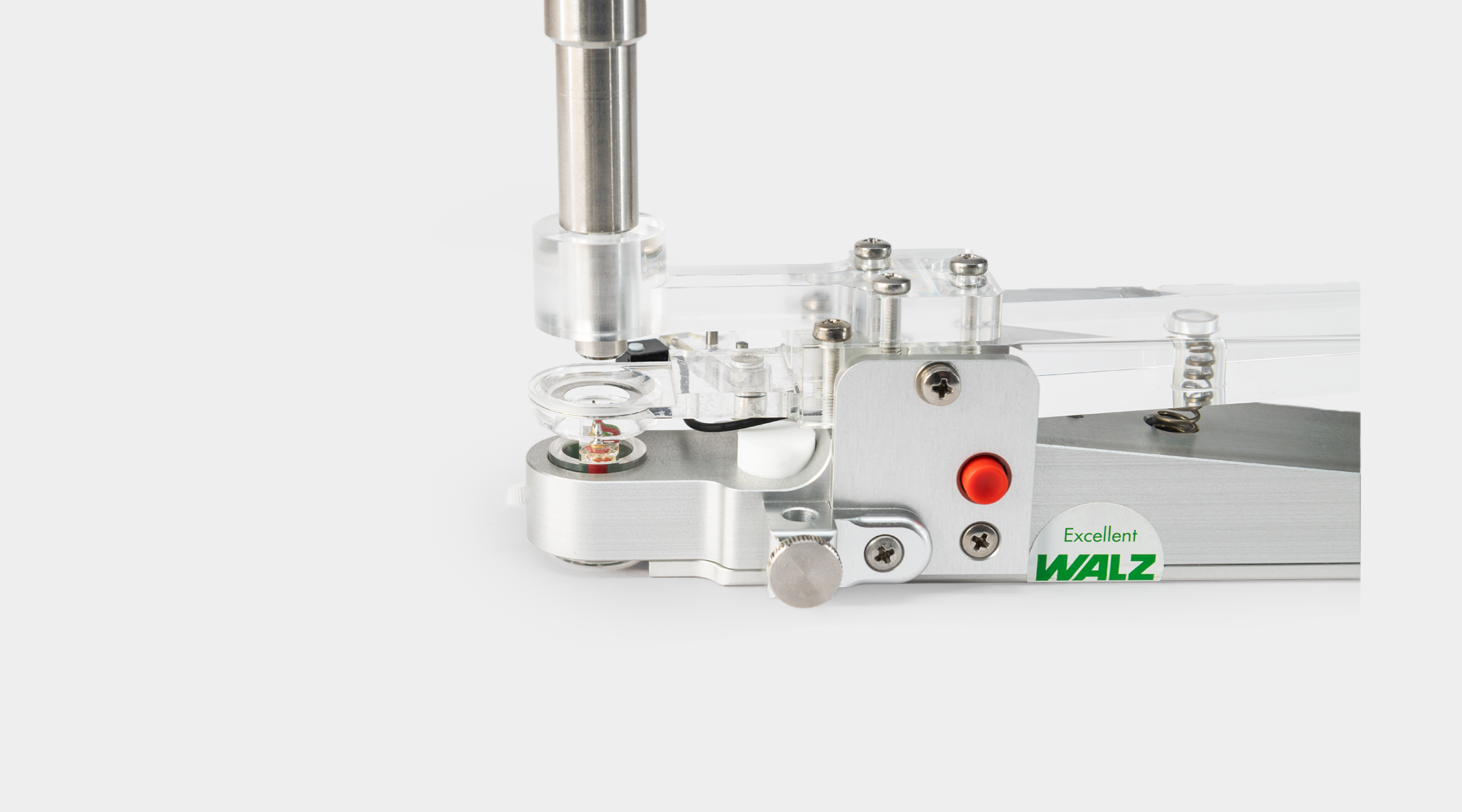
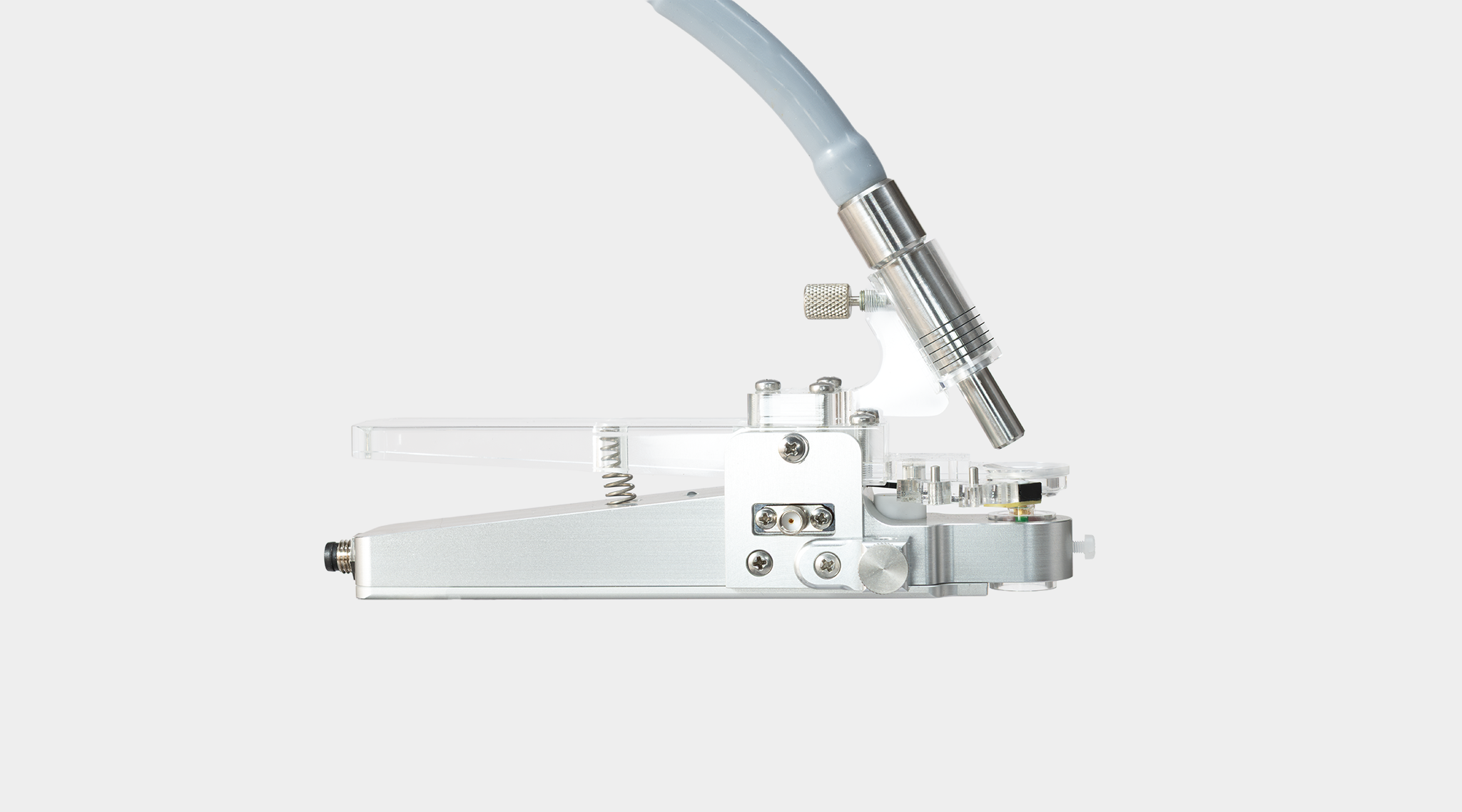
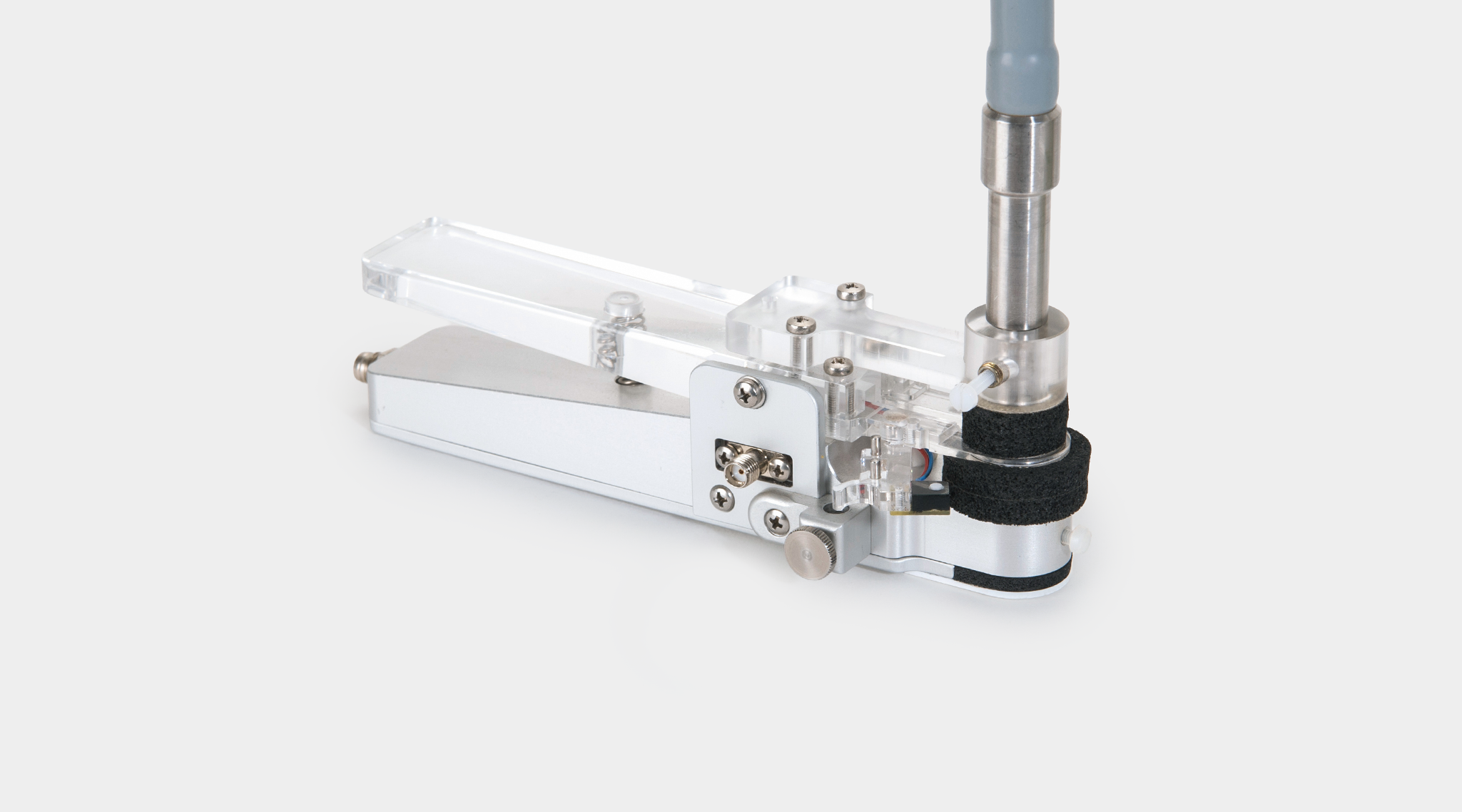
The POROMETER leaf-clip enables combined measurements of stomatal conductance and chlorophyll fluorescence, making it ideal for rapid stress screenings, field studies, and detailed plant analysis - all within a compact, GPS-equipped device. It is the only porometer on the market that combines porometry with full PAM chlorophyll fluorescence analysis, thereby suitable for broad leaves, grass blades and needles.
For suspension-based work, the Suspension version of the MINI-PAM-II using the KS-2500 cuvette paired with the MKS-2500 stirring unit allows simultaneous chlorophyll fluorescence and oxygen measurements in just 400 µl of sample, with optional temperature control via a connected water bath.
Learn more about the MINI-PAM-II
Measuring simultaneously PAM fluorescence, PAR, leaf temperature and relative humidity
The MINI-PAM-II combined with the digital leaf clip 2035-B measures simultaneously PAM fluorescence, photosynthetically active radiation (PAR), leaf temperature and air humidity.
The present experiment demonstrates how these parameters vary during a partly cloudy spring day. The photosynthetic sample was an attached leaf of Ilex aquifolia growing the garden of the Walz Company.


Simultaneous Recording of Fluorescence and Oxygen
Fluorescence measurements were carried out with a MINI-PAM/B fluorometer to which an FSO2-1 system (optode plus oxygen meter) was connected via an FSO2-AK interface. The sample in a KS-2500 cuvette was stirred by a MKS-2500 stirrer. Both, the fluorometer’s fiberoptics and the optode were connected to the suspension cuvette.
The light regime consisted of 5 min illumination periods alternating with 5 min of darkness: the PAR increased from the first to the last illumination interval (Fig. 1). Saturation pulse analysis was performed at the end of dark and light periods.
The slopes of light-driven oxygen increases were similar for all light intensities (Fig. 1 and 2). In comparison, the photosystem II yield Y(II) at the end of light periods decreased with light intensity (Fig. 1). The discrepancy can possibly be explained by the fact that Y(II) is related to the QA redox state, whereas the oxygen signal is related to the turnover of QA.


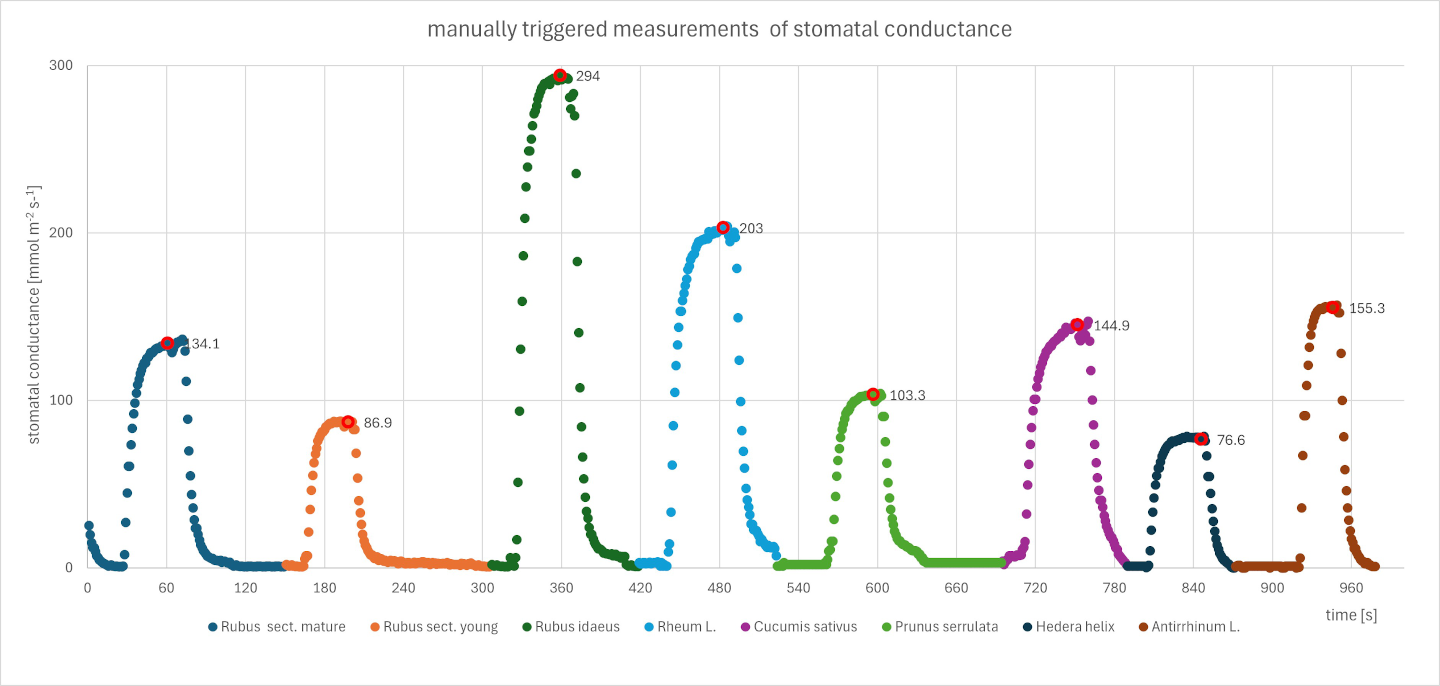
The MINI-PAM-II/POROMETER provides information on e.g. evaporation rate, VPD and stomatal conductance of the measured leaves. Measurements are easy to perform and provide accurate results within a typical sample measurement time of 15-30 seconds. To show typical measuring sequence, the datapoints were recorded every second using the WinControl-3 software. The dot circled in red marks a manual measurement triggering an additional saturation pulse analysis.
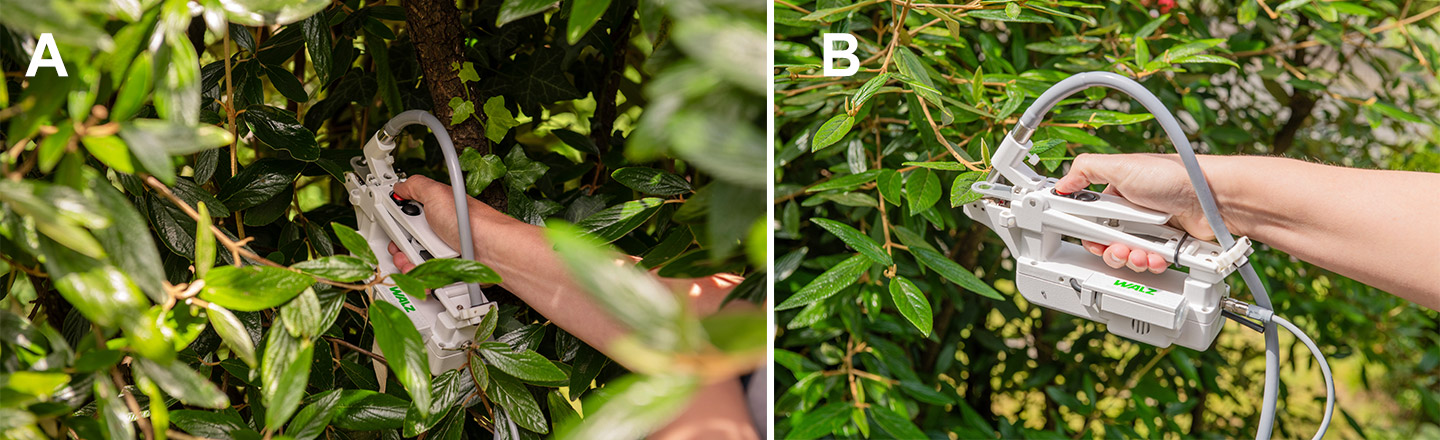
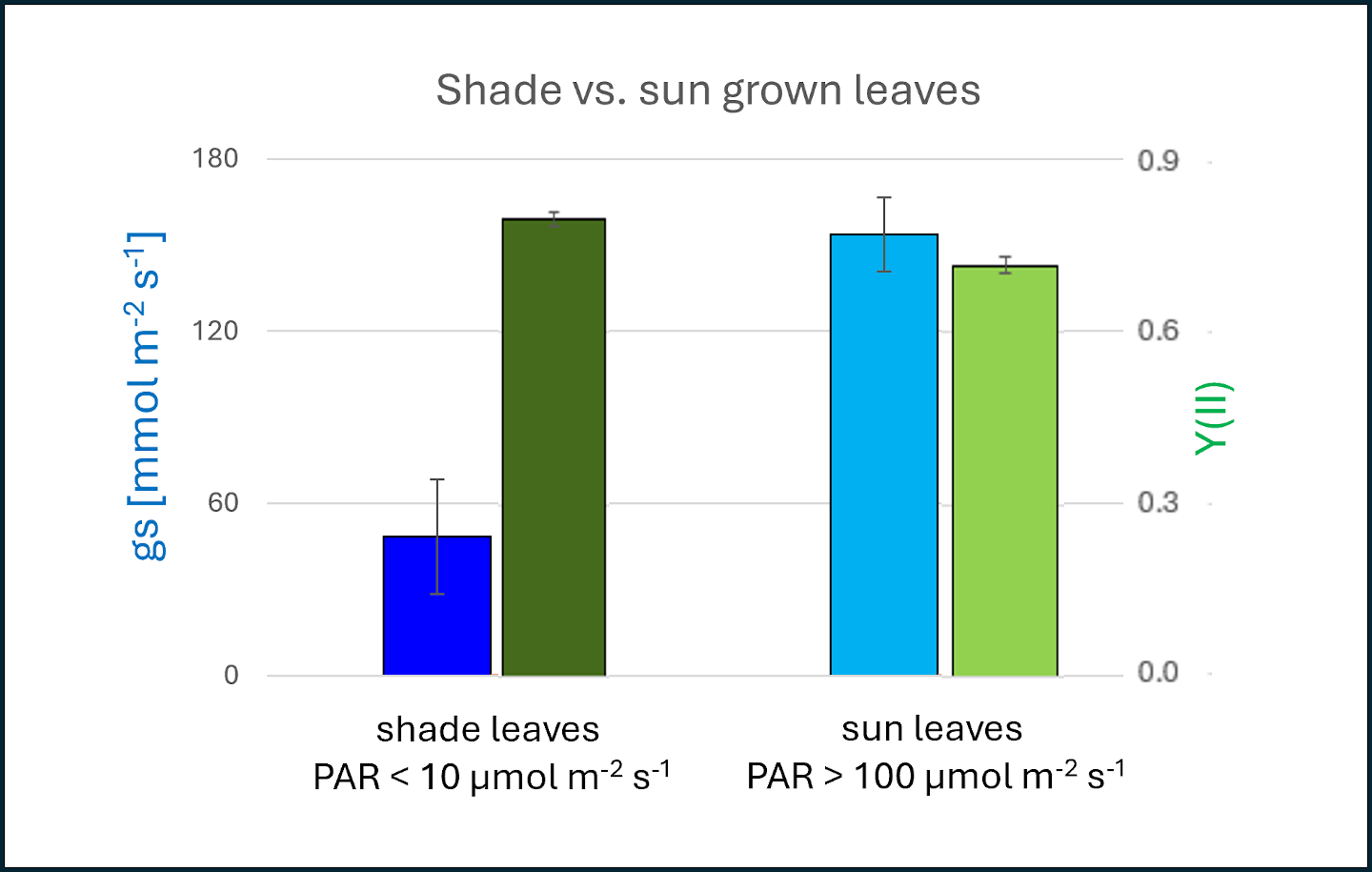
To optimize the workflow, the stability assessment can be performed automatically by the device. The change in conductance is then evaluated and the measurement is automatically triggered as soon as the stability criteria are met. The stability criteria are preset but can be customized to suit the individual requirements. The stability criteria can be applied to both types of data acquisition: either porometer data only or the combination of SAT pulse analysis and porometer data acquisition. The latter was used for the analysis on shaded-grown (A) vs. sun-exposed (B) Viburnum rhytidophyllum leaves.
These differently grown leaves show many differences in parameter of porometer and chlorophyll fluorescence analysis. The figure shows as an example the results of stomatal conductance (gs) and Y(II). Particularly interesting for field measurements: the Porometer logs GPS, leaf solid angle of the surface normal and the incident vector of sunlight with each dataset so that the sample´s geographical context can be documented precisely.
The MINI-PAM-II/POROMETER offers even more. This porometer allows MINI-PAM-II protocols to be combined with porometer data, adding an important aspect of gas exchange to these established tools for chlorophyll fluorescence analysis. This facilitates the measurement of evaporation, VPD, stomatal conductance and stomatal movement e.g. during light curves or induction curves. The figure shows stomal movement during an induction curve measured on a Taraxacum leaf.
The MINI-PAM-II/POROMETER can be operated with both MINI-PAM-II versions. Depending on the version, the actinic illumination is provided with red or blue actinic light. If you prefer a more flexible choice of light colors, you can use the External LED Source 2054-L for the actinic lighting with red, green, blue or white light, or mixtures of these four light qualities like it was done in this experiment:
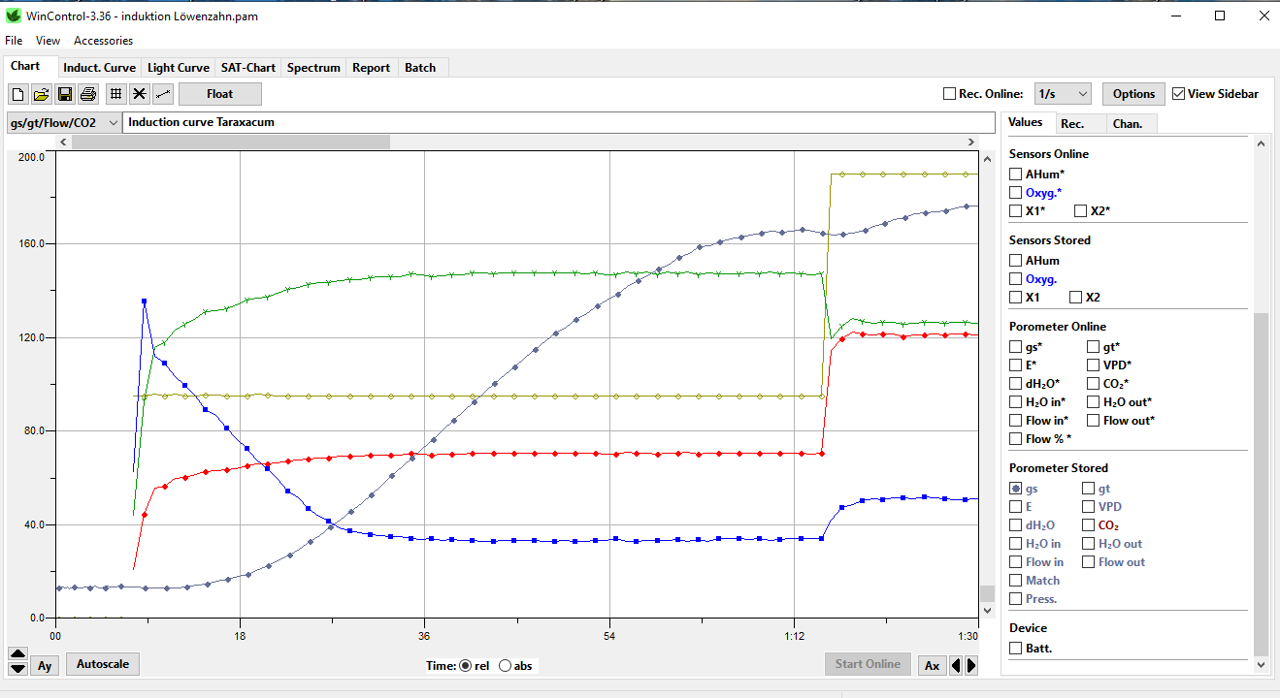
This is a screenshot of Taraxacum two-step induction curve with 10% blue, 10% green 10% red and 70% white at 190 µmol m-2 s-1, then 380 µmol m-2 s-1. Showing mainly the first part of this two-stage induction curve indicating Y(II) (green), PAR (yellow), ETR (red), NPQ (light blue) and stomatal conductance (dark blue). The Y-axis scaling refers to the stomatal conductance in mmol m-2 s-1.
A new clock feature the "Yield + Poro Only" gives the ability to trigger a saturation pulse, followed by a sequence of porometer-only measurements. This clock item is ideal for monitoring purposes if you want detailed information about stomatal conductance but less frequent saturation pulse measurements. In stand-alone operation, just supplied with some extra power, the MINI-PAM-II with porometer can monitor your sample for several days. You can capture PS(II) photosynthesis and the dynamics of stomata and their adaptation to changing conditions in a detailed and continuous manner as you can see here in two monitoring experiments:
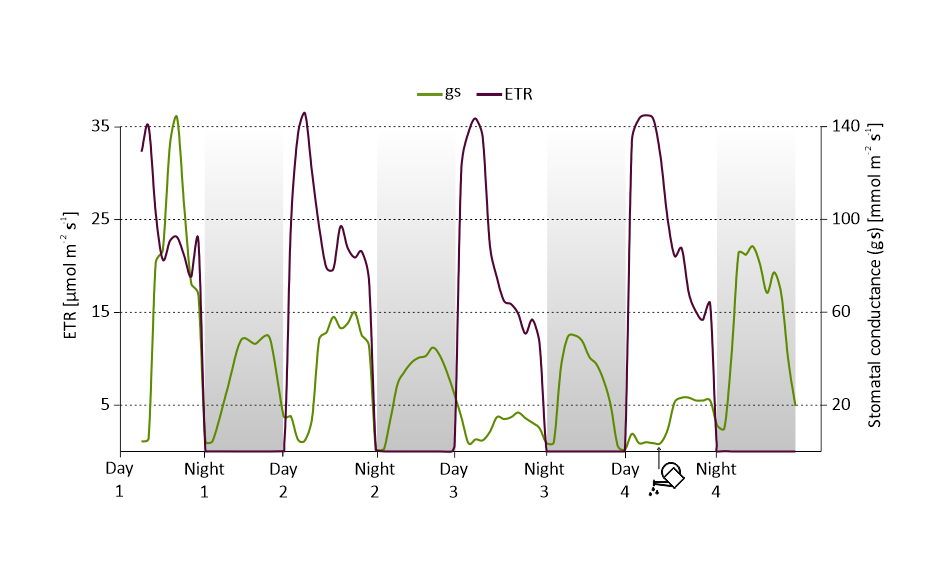
1. Diurnal and Nocturnal monitoring of a Kalanchoe laxiflora leaf:
The plant was cultivated under a 12-hour light (680 µmol m⁻² s⁻¹) and 12-hour dark cycle. As is typical for CAM plants, the porometer determines stomatal opening at night. As long as the plant was adequately watered, stomatal opening also occurred during the second half of the day e.g. to maintain photosynthetic efficiency. Initially well-watered, the data clearly show a decline in stomatal aperture during the second half of the day over the first three days. Following irrigation on the fourth day, there is a marked increase in nocturnal stomatal opening compared to the previous three nights.
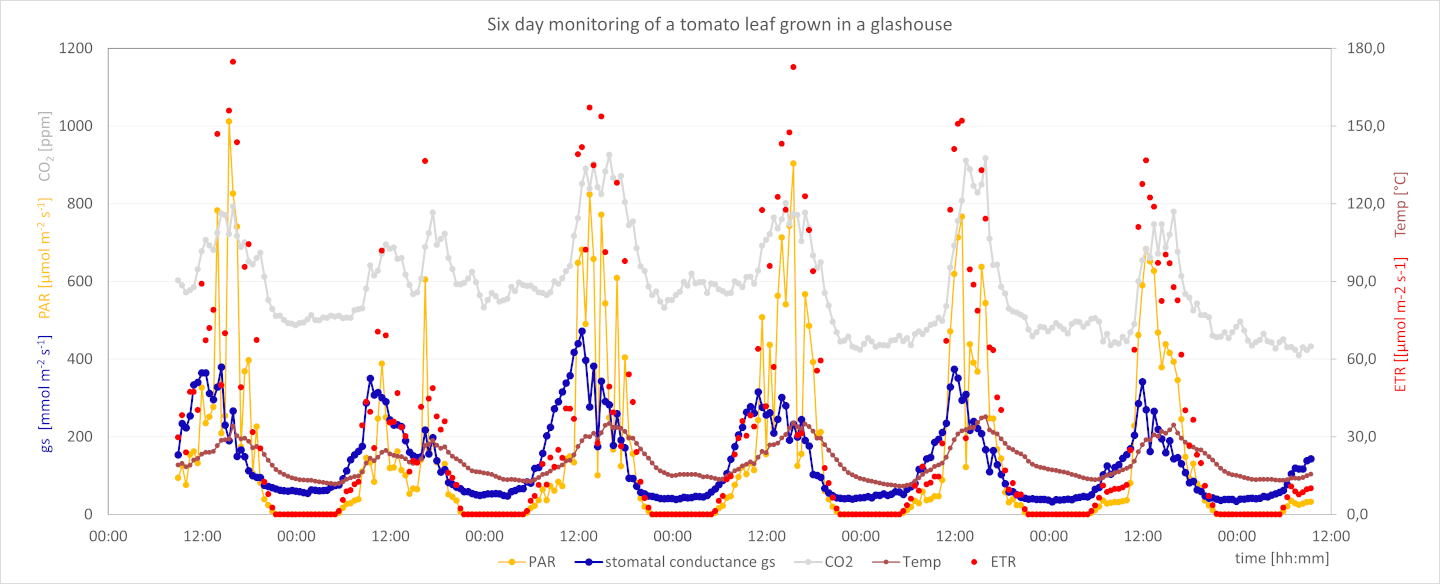
2. Six-day monitoring experiment of a tomato leaf grown a small glasshouse
In this experiment the instrument executed porometer and chlorophyll fluorescence measurements every half hour for monitoring a tomato leaf continuously for six days inside a small greenhouse. The figure displays some of the comprehensive data collected during this period. Daily cycles were well measured, and you can see the performance of the leaf under the fluctuating light conditions throughout the day.
The MINI-PAM-II/POROMETER allows for the simultaneous recording of environmental parameters, such as the CO₂ concentration within the greenhouse. Shown in grey is the CO2 concentration inside the greenhouse. It exhibits significant fluctuations with peak concentrations of more than 750 ppm CO2 during the day.
In accordance with M.A.Caird et al. (Funct Plant Biol. 2007 Apr;34(3):172-177. doi: 10.1071/FP06264) the tomato leaf measured in this experiment did not fully close the stomata and showed significant transpirational water loss throughout the night.
Experience precision and flexibility research with the MINI-PAM-II/Porometer.
Scientific Publications using Walz Devices
Source: Google Scholar.
Keywords: (Walz OR Waltz) Effeltrich.
Date: June 22, 2026.
Ʃ = 19642
Source: Google Scholar.
Keywords: (Walz OR Waltz) Effeltrich.
Date: June 22, 2026.
Ʃ = 19642
Selected Publications
Freeze-dependent physiological and transcriptional changes in Olea europaea L. cultivars with different cold resistances
International Journal of Molecular Sciences 26: 3934
Environmental stressors modulating seasonal and daily carbon dioxide assimilation and productivity in Lessonia spicata
Plants 14: 2341
Double-edged sword effect of jasmonoyl-isoleucine on the parasite-host interaction between field dodder and lentil
Food and Energy Security 14: e70035
Agrivoltaics shading enhanced the microclimate, photosynthesis, growth and yields of Vigna radiata genotypes in tropical Nigeria
Scientific Reports 15: 1190
Enhanced production by Terra-Sorb symbiotic biostimulant in two model species under nitrogen stress
Plants 14: 1087 [Porometer]
The entrainment of polyester microfibers modifies the structure and function of periphytic biofilms
Hydrobiologia 852: 545-560
Heat-induced F0-fluorescence rise is not an indicator of severe tissue necrosis in thermotolerance assays of young and mature leaves of a tropical tree species, Calophyllum inophyllum
Photosynthetica 63: 46-50
Combine photosynthetic characteristics and leaf hyperspectral reflectance for early detection of water stress
Frontiers in Plant Science 16: 1520304
Amino acid biostimulants enhance drought and heat stress tolerance of creeping bentgrass (Agrostis stoloniofera L.)
Horticulturae 11: 853
Developing a media formulation to sustain ex vivo chloroplast function
Frontiers in Bioengineering and Biotechnology 13: 1560200
Estimating tea plant physiological parameters using unmanned aerial vehicle imagery and machine learning algorithms
Sensors 25: 1966
Photodamage and excitation energy quenching in PSII: a time-resolved fluorescence study in Arabidopsis
BBA – Bioenergetics 1866: 149569
Biofeedback control of photosynthetic lighting using real-time monitoring of leaf chlorophyll fluorescence
Physiologia Plantarum 177: e70073
UV treatment of the digestive fluid of Nepenthes hemsleyana pitcher plants affects their digestive process, possibly via reducing microbial inquilines
Oecologia 207: 108
Remote diagnosis of tree vigor in national natural heritage using digital hyperspectral image analysis
The International Archives of the Photogrammetry, Remote Sensing and Spatial Information Sciences XLVIII-M-9-2025
Thermal safety margins and peak leaf temperatures predict vulnerabilities of diverse plant species to an experimental heatwave
Plant, Cell & Environment, in press
Time-resolved oxidative signal convergence across the algae-embryophyte divide
Nature Communications 16: 1780
Invasion amid the shadows: ecophysiological dissimilarity and microhabitat constraints on an exotic succulent in a mediterranean ecosystem
Physiologia Plantarum 177: e70455
Growth and physiology of seedlings of the tree species Copaifera langsdorffii desf. treated with haloxyfop-p-methyl
Brazilian Journal of Biology 85: e289835
Effects of water limitation on the production of key secondary metabolites with medicinal properties in Plantago lanceolata and Tanacetum parthenium
All Life 18: 2467653
Optimizing a protocol for salinity recovery during seedling stage in rice
Plant Production Science 28: 257-271
Silicon improves heat and drought stress tolerance associated with antioxidant enzyme activity and root viability in creeping bentgrass (Agrostis stolonifera L.).
Agronomy 14: 1176
Variations in ectomycorrhizal exploration types parallel seedling fine root traits of two temperate tree species under extreme drought and contrasting solar radiation treatments.
Plant, Cell & Environment 47: 5053-5066
Low light exacerbates effects of marine heatwaves on seaweeds.
Marine Ecology Progress Series 747: 49-59
Observation of significant photosynthesis in garden cress and cyanobacteria under simulated illumination from a K Dwarf star.
International Journal of Astrobiology 23: e18
Short-term effects of light quality, nutrient concentrations and emersion in Pyropia leucosticta (Rhodophyta).
Algal Research 81: 103555
Host starvation and in hospite degradation of algal symbionts shape the heat stress response of the Cassiopea-Symbiodiniaceae symbiosis.
Microbiome 12: 42
Possible roles of carbohydrate management and cytokinin in the process of defoliation-regrowth cycles in rice.
International Journal of Molecular Sciences 25: 5070
Pistacia vera and P. integerrima hybrids for pistachio rootstock: seed set, seedling survival and early growth evaluation under chilling temperature.
Journal of Nuts 15: 299-311
Exploring leaf anthocyanin concentrations and light effects on lettuce growth.
Horticulturae 10: 437
Differential photosynthetic yield across a wide range of temperatures for northern and invasive watermilfoils.
Journal of Freshwater Ecology 39: 2412157
Exogenous methylglyoxal alleviates drought-induced ‘plant diabetes’ and leaf senescence in maize.
Journal of Experimental Botany 75: 1982-1996
Sodium nitroprusside modulates oxidative and nitrosative processes in Lycopersicon esculentum L. under drought stress.
Plant Cell Reports 43: 152
Response of duckweed to different irrigation modes under different fertilizer types and rice varieties: unlocking the potential of duckweed (Lemna minor L.) in rice cultivation as ‘fertilizer capacitors’.
Agricultural Water Management 292: 108681
Expanding the toolbox for phycobiliprotein assembly: phycoerythrobilin biosynthesis in Synechocystis.
Physiologia Plantarum 176: e14137
Genetic diversity of chlorophyll fluorescence germplasms effects on dry matter of cassava.
SABRAO Journal of Breeding and Genetics 56: 1377-1386
Impact of dye treatment as management strategy on available light may favour a highly invasive alien aquatic plant.
Aquatic Botany 195: 103809
Salt-excluder rootstock improves physio-biochemical responses of grafted grapevine plants subjected to salinity stress.
Current Plant Biology 37: 100316
How tree stand phenology determines understorey senescence – a case study from boreal forests.
Agricultural and Forest Meteorology 344: 109807
Effects of extreme temperature and recovery potential of Gongolaria barbata from a coastal lagoon in the northern Adriatic Sea: an ex situ approach.
Annals of Botany 134: 415-426
Enhanced wheat productivity in saline soil through the combined application of poultry manure and beneficial microbes.
BMC Plant Biology 24: 423
Bioelectrogenesis in the root environment of leaf, fruit and root vegetable crops
Agricultural Biology 59: 893-909
Monitoring the photosynthetic performance of grape leaves using a hyperspectral-based machine learning model.
European Journal of Agronomy 140: 126589
Photo-oxidative stress leading to oxylipin accumulation may trigger drought-induced leaf abscission in olive trees.
Physiologia Plantarum
Effect of organic photovoltaic and red-foil transmittance on yield, growth and photosynthesis of two spinach genotypes under field and greenhouse conditions.
Photosynthesis Research 157: 103-118
Physiological and molecular responses of wheat to low light intensity.
Agronomy 13: 272
Effective control of harmful Microcystis blooms by paucibactin A, a novel macrocyclic tambjamine, isolated from Paucibacter aquatile DH15.
Journal of Cleaner Production 383: 135408
Water stress protection by the arbuscular mycorrhizal fungus Rhizoglomus irregulare involves physiological and hormonal responses in an organ-specific manner.
Physiologia Plantarum 175: e13854
Effect of biochar and compost addition on mitigating salinity stress and improving fruit quality of tomato.
Agronomy 13: 2197
Short-term pretreatment with melatonin increases the resistance of barley plants to the subsequent action of cadmium.
Russian Journal of Plant Physiology 70: 95
Manganese deficiency suppresses growth and photosynthetic processes but causes an increase in Scots pine seedlings.
Cells 11: 3814
Deoxygenation lowers the thermal threshold of coral bleaching.
Scientific Reports 12: 18273
Responses of symbiodiniaceae shuffling and microbial community assembly in thermally stressed Acropora hyacinthus.
Frontiers in Microbiology 13: 832081
Stable isotope signals provide seasonal climatic markers for moss functional groups.
Proceedings of the Royal Society B 289: 20212470
Continuous extraction and concentration of secreted metabolites from engineered microbes using membrane technology.
Green Chemistry 24: 5479-5489
Differential physiological response to heat and cold stress of tomato plants and its implication on fruit quality.
Journal of Plant Physiology 268: 153581
Drought stress recovery of hydraulic and photochemical processes in Neotropical tree saplings.
Tree Physiology 42: 114-129
Mix-cropping of rice and water mimosa (Neptunia oleracea Lour.) increases rice photosynthetic efficiency, yield, grain quality and soil available nutrients.
Journal of the Science of Food and Agriculture 102: 3972-3982
Contrasting seasonal abiotic stress and herbivory incidence in Cistus albidus L. plants growing in their natural habitat on a Mediterranean mountain.
Journal of Arid Environments 206: 104842
The impact of treated wastewater irrigation on the metabolism of barley grown in arid and semi-arid regions.
International Journal of Environmental Research and Public Health 19: 2345
Development of an efficiency criterion for the removal of pest organisms (ulvoid green algae and diatoms) from Neopyropia aquaculture using the acid wash (pH shock) method.
Aquaculture 548: 737677
Evaluating bloom potential of the green-tide forming alga Ulva ohnoi under ocean acidification and warming.
Science of the Total Environment 769: 144443
Broccoli seedling production in response to recognised organic inputs.
International Journal of Agricultural & Biology 26: 436-442
Symbiotic microalgae do not increase susceptibility of zooxanthellate medusa (Cassiopea xamachana) to herbicides.
Aquatic Toxicology 236: 105866
Exploring relations between plant photochemical quantum parameters and unsaturated soil water retention for biochars and pith amended soils.
Science of The Total Environment 804: 150251
Diurnal Fe(II)/Fe(III) cycling and enhanced O2 production in a simulated Archean marine oxygen oasis.
Nature Communications 12: 2069
Short-term detrimental impacts of increasing temperature and photosynthetically active radiation on the ecophysiology of selected bryophytes in Hong Kong, southern China.
Global Ecology and Conservation 31: e01868
Effect of daily light integral on cucumber plug seedlings in artificial light plant factory
Horticulturae 7: 139
Transcriptome analysis reveals effects of red and blue light-emitting diodes (LEDs) on the growth, chlorophyll fluorescence and endogenous plant hormones of potato (Solanum tuberosum L.) plantlets cultured in vitro.
Journal of integrative Agriculture 20: 2914-2931
Investigating minimal requirements for plants on textile substrates in low-cost hydroponic systems.
AIMS Bioengineering 8: 173-191
Comparative effect of inoculation of phosphorus-solubilizing bacteria and phosphorus as sustainable fertilizer on yield and quality of mung bean (Vigna radiata L.).
Plants 10: 2079
Summer activity patterns for a moss and lichen in the maritime Antarctic with respect to altitude
Polar Biology 44: 2117-2137
Differences in relative air humidity affect responses to soil salinity in freshwater and salt marsh populations of the dominant grass species Phragmites australis.
Hydrobiologia 848, 3353-3369
Seasonal photoacclimation and vulnerability patterns in the brown macroalga Lessonia spicata (Ochrophyta).
Water 13: 6
Short-term post-harvest stress that affects profiles of volatile organic compounds and gene expression in rocket salad during early post-harvest senescence.
Plants 9: 4
New insights into the harmful algae inhibition by Spartina alterniflora: cellular physiology and metabolism of extracellular secretion.
Science of the Total Environment 714: 136737
Seasonal facilitative and competitive trade-offs between shrub seedlings and coastal grasses.
Ecosphere 11: e02995
Chlorophyll fluorescence and biomass partitioning within light and nitrogen deficiency: an example of the use of the R programming language for teaching.
UNED Research Journal 12: e2629
Effective control against broadleaf weed species provided by biodegradable PBAT/PLA mulch film embedded with the herbicide 2-methyl-4-chlorophenoxyacetic acid (MCPA).
Sustainable Chemistry & Engineering 8: 5360-5370
Assessing plant performance in the Enviratron.
Plant Methods 15: 117
Physiological analysis and transcriptome sequencing reveal the effects of combined cold and drought on tomato leaf.
BMC Plant Biology 19: 377
Phytoglobin overexpression promotes barley growth in the presence of enhanced level of atmospheric nitric oxide.
Journal of Experimental Botany 70: 4521-4537
Leaf orientation as part of the leaf developmental program in the semi-deciduous shrub, Cistus albidus L.: diurnal, positional, and photoprotective effects during winter.
Frontiers in Plant Science 10: 767
So close, yet so different: divergence in resource use may help stabilize coexistence of phylogenetically-related species in a megadiverse grassland.
Flora 238: 72-78
Responses of tree seedlings near the alpine treeline to delayed snowmelt and reduced sky exposure.
Forests 9: 12
Interseasonal and interspecies diversities of Symbiodinium density and effective photochemical efficiency in five dominant reef coral species from Luhuitou fringing reef, northern South China Sea.
Coral Reefs 36: 477-487
Inhibition of putrescine biosynthesis enhanced salt stress sensitivity and decreased spermidine content in rice seedlings.
Biologia Plantarum 61: 385-388
Drought affects the heat-hardening capacity of alpine plants as indicated by changes in xanthophyll cycle pigments, singlet oxygen scavenging, α-tocopherol and plant hormones.
Environmental and Experimental Botany 133: 159-175
Responses of spinach to salinity and nutrient deficiency in growth, physiology, and nutritional value.
Journal of the Society for Horticultural Science 141: 12-21
The key regulator of submergence tolerance, SUB1A, promotes photosynthetic and metabolic recovery from submergence damage in rice leaves.
Plant Cell & Environment 39: 672-684
Sensitivity and acclimation of three canopy-forming seaweeds to UVB radiation and warming.
PLOS ONE 10: e0143031
Effects of atrazine on photosynthesis and defense response and the underlying mechanisms in Phaeodactylum tricornutum.
Environmental Science and Pollution Research 22: 17499-17507
Drought-induced changes in chlorophyll fluorescence, photosynthetic pigments, and thylakoid membrane proteins of Vigna radiata.
Journal of Plant Interactions 9: 712-721
Heat stress and recovery of photosystem II efficiency in wheat (Triticum aestivum L.) cultivars acclimated to different growth temperatures.
Environmental and Experimental Botany 99: 1-8
Developmentally-programmed division of labour in the clonal invader Carpobrotus edulis.
Biological Invasions 15: 1895-1905
Physiological conjunction of allelochemicals and desert plants.
PLoS ONE 8: e81580
Effects of temperature and irradiance on quantum yield of PS II photochemistry and xanthophyll cycle in a tropical and a temperate species.
Photosynthetica 51: 13-21
High but not dry: diverse epiphytic bromeliad adaptations to exposure within a seasonally dry tropical forest community.
New Phytologist 193: 745-754
Functional diversity of photosynthetic light use of 16 vascular epiphyte species under fluctuating irradiance in the canopy of a giant Virola michelii (Myristicaceae) tree in the tropical lowland forest of French Guyana.
Frontiers in Plant Science 2: 117
Selective suppression of harmful cyanobacteria in an entire lake with hydrogen peroxide.
Water Research 46: 1460-1472
Midday dew – an overlooked factor enhancing photosynthetic activity of corticolous epiphytes in a wet tropical rain forest.
New Phytology 194: 245-253
Clonal integration in Fragaria vesca growing in metal-polluted soils: parents face penalties for establishing their offspring in unsuitable environments.
Ecological Research 27: 95-106
Elevated seawater temperature causes a microbial shift on crustose coralline algae with implications for the recruitment of coral larvae.
The ISME Journal 5: 759-770
Do plants remember drought? Hints towards a drought-memory in grasses.
Environmental and Experimental Botany 71: 34-40
Intraspecific variation of physiological and molecular response to cadmium stress in Populus nigra L.
Tree Physiology 31: 1309-1318
Competitive ability and phytotoxic potential of four winter canola hybrids as affected by nitrogen supply.
Crop Science 50: 1011-1021
Survival potential and photosynthetic activity of lichens under Mars-like conditions: A laboratory study.
Astrobiology 10: 215-227
Hydraulic constraints on photosynthesis in subtropical evergreen broad leaf forest and pine woodland trees of the Florida Everglades.
Trees 24: 471-478
Impacts of a native parasitic plant on an introduced and a native host species: implications for the control of an invasive weed.
Annals of Botany 103: 107-115
Water deficits and heat shock effects on photosynthesis of a transgenic Arabidopsis thaliana constitutively expressing ABP9, a bZIP transcription factor.
Journal of Experimental Botany 59: 839-848
Effects of heat stress on gas exchange and photosystem II (PS II) photochemical activity of Phillyrea angustifolia exposed to elevated CO2 and subsaturating irradiance.
Botany 86: 435-441
To concentrate or ventilate? Carbon acquisition, isotope discrimination and physiological ecology of early land plant life forms.
Philosophical Transactions of the Royal Society B: Biological Sciences 363: 2767-2778.
Defence reactions in the apoplastic proteome of oilseed rape (Brassica napus var. napus) attenuate Verticillium longisporum growth but not disease symptoms.
BMC Plant Biology 8: 129
Drought-induced oxidative stress in Canarian laurel forest tree species growing under controlled conditions.
Tree Physiology 27: 1415-1422
Receptor-like protein kinase HvLysMR1 of barley (Hordeum vulgare L.) is induced during leaf senescence and heavy metal stress.
Journal of Experimental Botany 58: 1381-1396,
Conserved domain structure of pentatricopeptide repeat proteins involved in chloroplast RNA editing.
Proceeding of the National Academy of Science USA 104: 8178-8183
Physiological ecology of photosynthesis of five sympatric species of Velloziaceae in the rupestrian fields of Serra do Cipó, Minas Gerais, Brazil.
Flora 202: 637-646
Photoprotection, photosynthesis and growth of tropical tree seedlings under near-ambient and strongly reduced solar ultraviolet-B radiation.
Journal of Plant Physiology 164: 1311-1322
Crassulacean acid metabolism photosynthesis in columnar cactus seedlings during ontogeny: the effect of light on nocturnal acidity accumulation and chlorophyll.
American Journal of Botany 94: 1344-1351
Gene expression of metallothioneins in barley during senescence and heavy metal treatment.
Crop Science 47: 1111-1118
Distinct roles of electric and hydraulic signals on the reaction of leaf gas exchange upon re-irrigation in Zea mays L.
Plant, Cell & Environment 30: 79-84
Chronic ozone exposure affects leaf senescence of adult beech trees: a chlorophyll fluorescence approach.
Journal of Experimental Botany 58: 785-795
Early drought-induced changes to the needle proteome of Norway spruce.
Tree Physiology 27: 1423–1431
Leaf turnover and growth responses of shade-grown saplings of four Shorea rain forest species to a sudden increase in light.
Tree Physiology 26: 449-457
Enhanced ɑ-tocopherol quinone levels and xanthophyll cycle de-epoxidation in rosemary plants exposed to water deficit during a Mediterranean winter.
Journal of Plant Physiology 163: 601-606
Functional characteristics of corticolous lichens in the understory of a tropical lowland rain forest.
New Phytologist 172: 679–695
Effect of divalent cations on ion fluxes and leaf photochemistry in salinized barley leaves.
Journal of Experimental Botany 56: 1369-1378
Gap size effects on photoinhibition in understorey saplings in tropical rainforest.
Plant Ecology 179: 43-51
Altered photosynthetic performance of a natural Arabidopsis accession is associated with atrazine resistance.
Journal of Experimental Botany 56: 1625-1634
Slowly reversible de-epoxidation of lutein-epoxide in deep shade leaves of a tropical tree legume may ‘lock-in’ lutein-based photoprotection during acclimation to strong light.
Journal of Experimental Botany 56: 461-468
MINI-PAM-II
100 V to 240 V AC, 50 to 60 Hz
WinControl-3 System Control and Data Acquisition Program (Microsoft Windows 10 and 11) for operation of measuring system via PC, data acquisition and analysis. Not compatible with Windows 10 on ARM
Measured: Ft, F0, FM, F, F0’ (also calculated), FM’. Depending on the leaf clip connected, the software can record PAR, temperature and also humidity. [In the case of the MINI-PAM-II clip humidity can be measured, which the clip of the JUNIOR-PAM cannot.]
Calculated: F0’ (also measured), FV/FM and Y(II) (maximum and effective photochemical yield of PS II, respectively), qL, qP, qN, NPQ, Y(NPQ), Y(NO) and ETR (electron transport rate)
Two routines for determination of the cardinal points α, Ik and ETRmax of light curves
Automatic determination of signal offset for all light intensities and gain levels. Automatic calibration of internal PAR sensor against an external PAR sensor connected to the instrument
Processor: 0.8 GHz, RAM: 512 MB, screen resolution: 1024 x 600 pixels, interface: USB 2.0/3.0
USB
Accessories
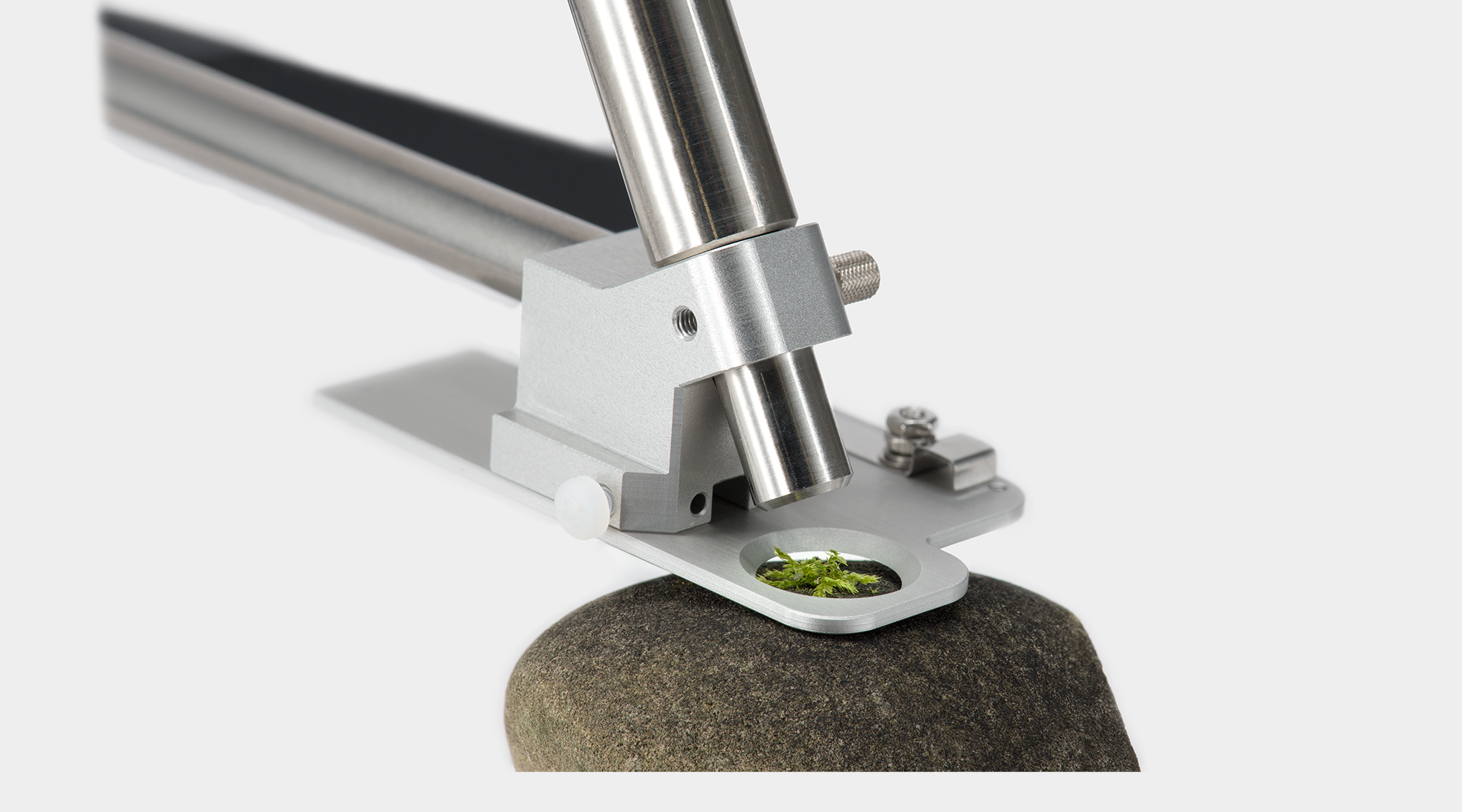
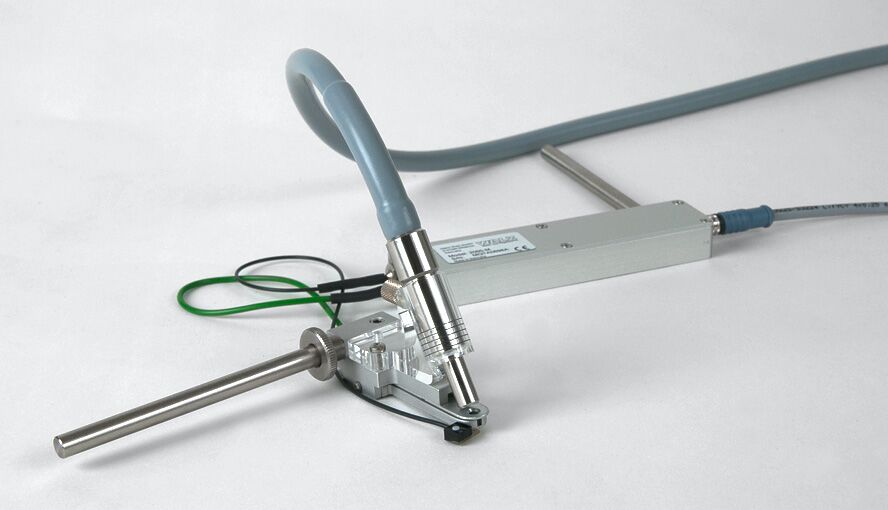
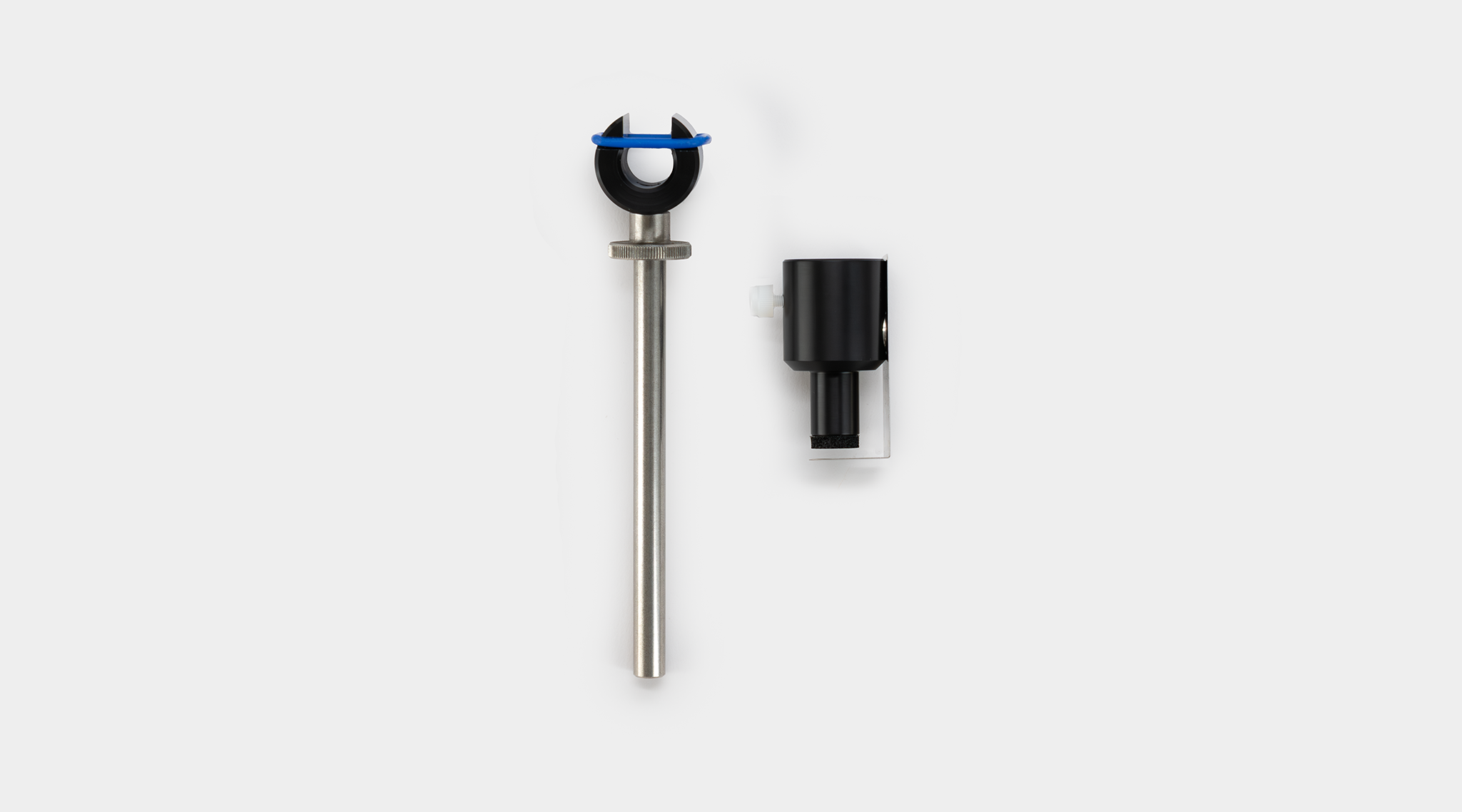
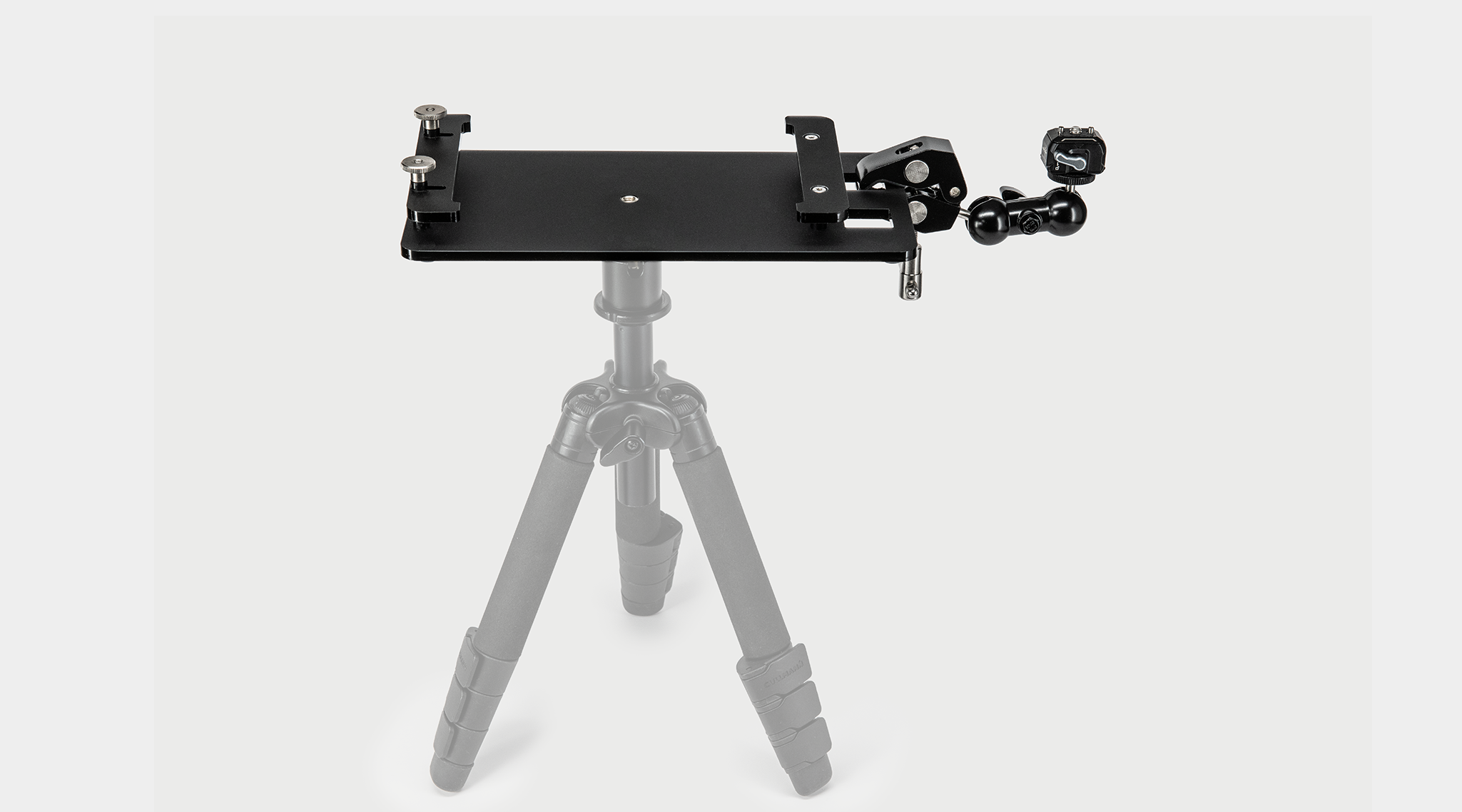
Aluminum plate (6.0 x 3.3 cm max.) with 11 mm diameter circular hole (measuring area) and aluminum port to position fiber at an angle of 60° relative to the aluminum plate. With port for temperature sensor of 2060-M unit to measure surface temperature and thread to mount the PAR sensor of the 2060-M unit. Connected to a 10 x 0.8 cm (L x Ø) steal rod with two lateral plastic supports (12 cm x 1 cm x 1 cm, L x W x H), which are lockable by knurled screws
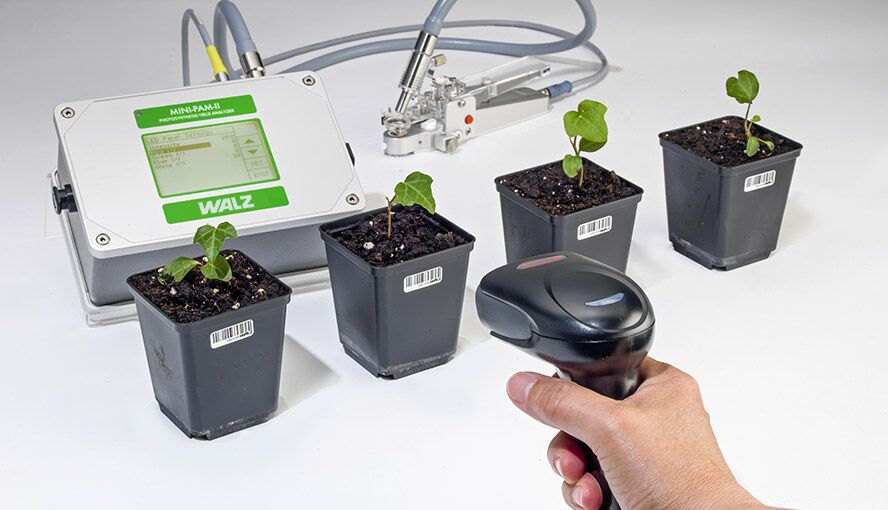
Single-line handheld laser scanner with trigger button and 1 m, partially coiled cord; to be connected to the Photosynthesis Yield Analyzer MINI-PAM-II or WATER-PAM-II. Bar codes are stored together with fluorescence data
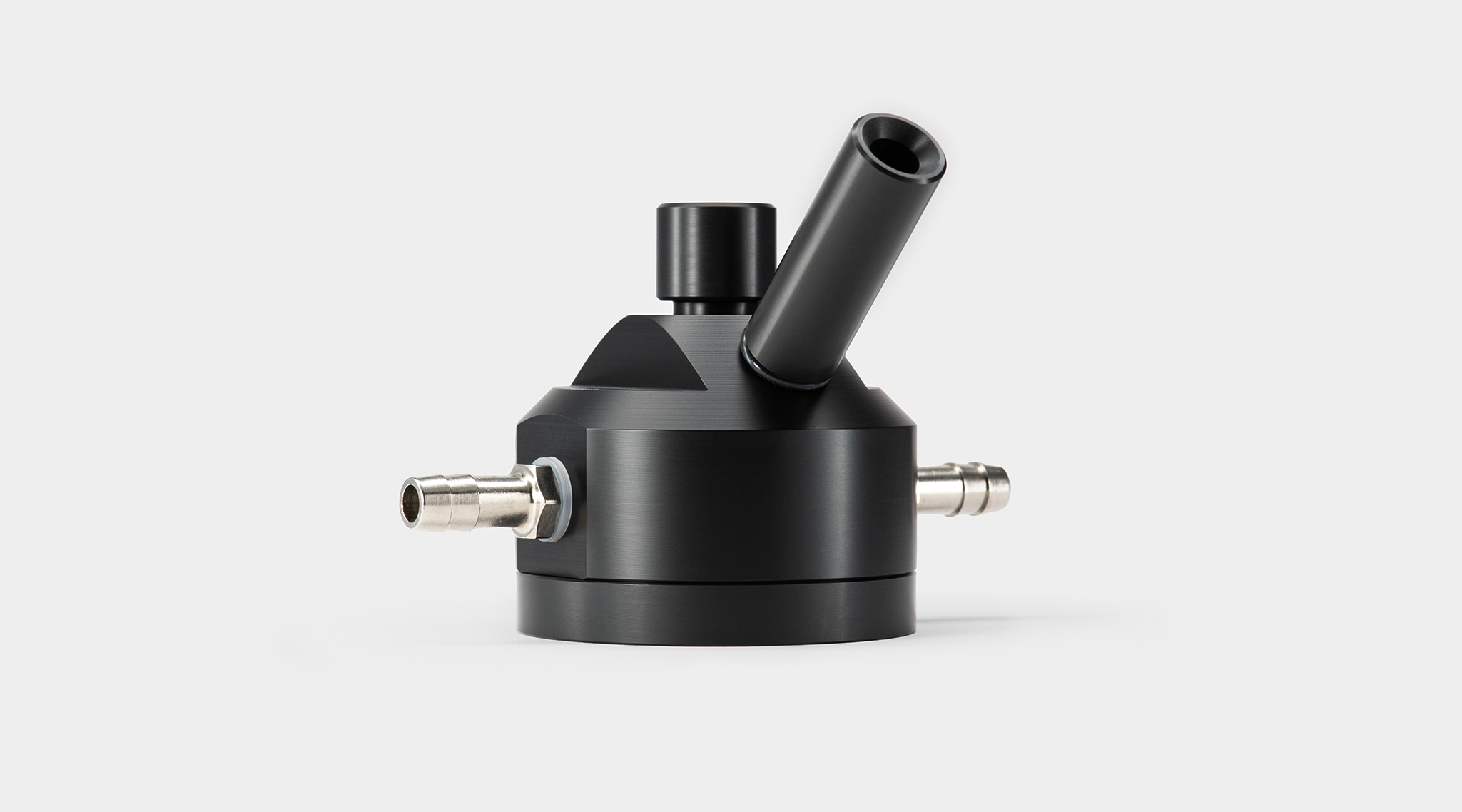
Round stainless steel cuvette (7.5 mm wide, 9.0 mm deep) with top window adapter for connecting the fiberoptics; embedded in PVC body with injection port for Hamilton syringes and hose nozzles for connecting an external flow-through water bath (not included). Including three 6.0 x 1.5 mm magnetic stir bars
5.5 cm x 3.0 cm x 2.0 cm
55 g
75 g
leaf chamber with a circular 1 cm diameter sample area. Ventilated on one side by air with adjustable flow rate. The amount of water vapor released to the air flow is determined with high precision humidity sensors. The leaf temperature is measured by an IR sensor located in the chamber bottom. GPS information is tracked by a built-in GPS receiver. A mini quantum sensor is positioned on the sample plane. Ambient CO2 values are monitored by a CO2 sensor facing the outside, at the lower left side of the porometer. For chlorophyll a fluorescence measurements, a fiberoptics port aligns the MINI-PAM/F Fiberoptics at an angle of 60° relative to the measuring plane. Including tripod-mount.
MINI-PAM-II leaf clip socket; The MINI-PAM-II: the 6 AA (Mignon) rechargeable batteries (Eneloop 1.2 V/2 Ah) provide power for more than 6 hours for typical experiments. The porometer alone can be operated for more than 9 hours at maximum flow. Easy battery swap possible.
1 cm diameter
40; 60; 80; 100; 120; 140; 160; 180 or 200 µmol s-1
typ. 20-70 %RH ±1.0 %RH; <20 %RH and >70 %RH ±1.5 %RH; ΔT = ±0.1 °C
± 0.1 kPa, noise 0.2 Pa
± 0.3 °C, emissivity adjustable 0.1-1.0
± (30 ppm, + 3 % of reading)
± (1.5 % RD + 0.15 % FS)
2.0 m CEP (circular error probable)
Sensor for selective PAR measurement with the spectral properties of the LS-C sensor, range 0 to 7000 µmol m-2 s-1, cosine corrected for light incident at an angle between -30° to +30° from surface normal, internal preamplifier
gs mmol m-2 s-1; gt mmol m-2 s-1; gb mmol m-2 s-1; H2Oin mmol mol-1;
dH2O mmol mol-1; H2Oout mmol mol-1; chamber pressure kPa, Temp (leaf) °C; Flow in/out µmol s-1; VPD Pa/kPa; E mmol m-2 s-1; PAR µmol m-2 s-1; GPS-location; GPS-orientation; sun-inclination
-5 to +45 °C; 0-90 %RH (non-condensing); 30-110 kPa
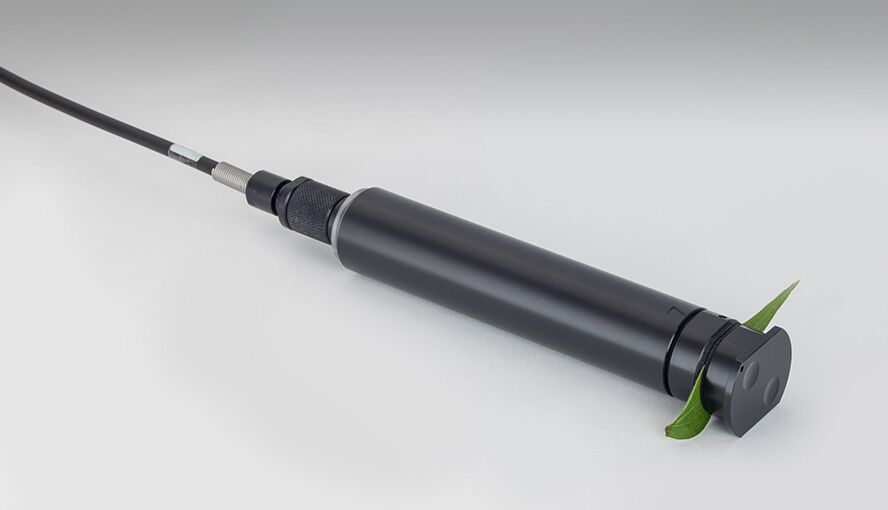
75 cm
24 cm x 7.5 cm x 14 cm (max L x W x H)
450 g (excluding cable)
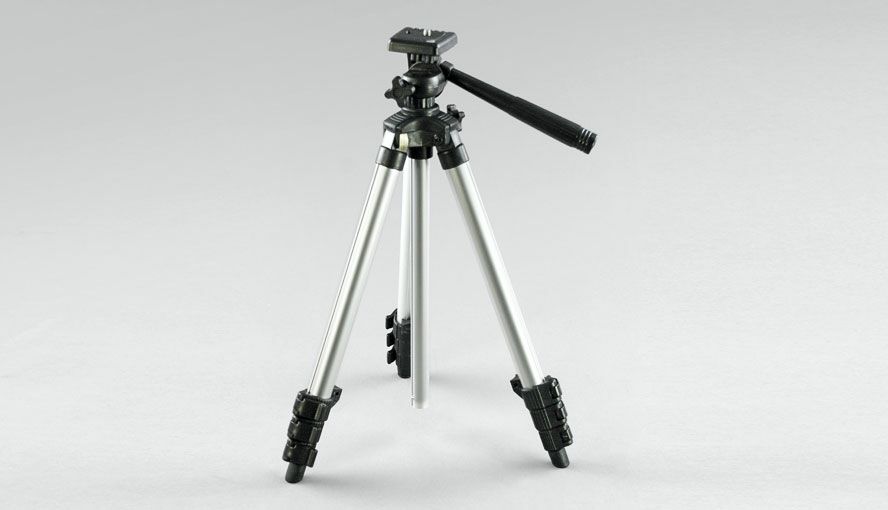
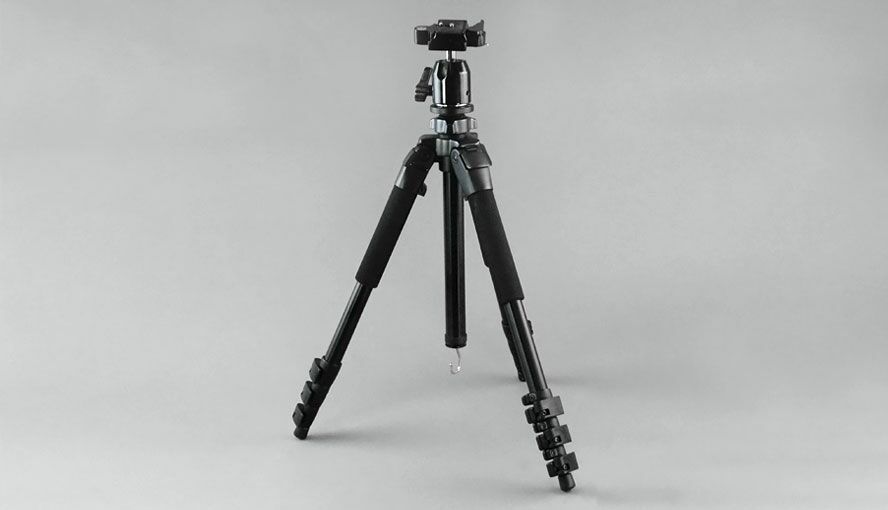
Lightweight tripod for mounting measuring units
Adjustable between 24 cm and 87 cm
42 cm x 7 cm x 7 cm (L x W x H)
550 g
Stable tripod for mounting the Standard Measuring Head 3010-S, the tripod fits into the GFS-3000 transport box
54 cm – 130 cm
55 cm x 12 cm x 8 cm (L x W x H)
1050 g
General Features and Graphical User Interface
In addition to the MINI-PAM-II, the WinControl-3 software operates the MICRO-PAM, MONITORING-PAM, DIVING-PAM-II and JUNIOR-PAM fluorometers, PAM-CONTROL operated instruments (MICROSCOPY-PAM, MICROFIBER-PAM and WATER-PAM Fiber Version) as well as the Universal Light Meter ULM-500.
Saturation pulse analysis and automated experimental protocols can be performed under control of the software WinControl-3 but also by the MINI-PAM-II internal software which is active when the MINI-PAM-II is operated autonomously. In the latter case, experimental parameters are entered using the transflective touchscreen. Continuous recording of fluorescence and fitting of light curves, however, requires WinControl-3.
We regulary update WinControl-3


Data Evaluation
Saturating pulse analysis with automatic detection and calculation of standard fluorescence parameters: F0, FM, F0’ (measured or calculated), FM’, F, FV/FM, qP, qL, qN, NPQ, Y(II), Y(NPQ), Y(NO), ETR.
Data Export
Export in Excel, CSV or TXT format of original fluorescence traces, saturating pulse analysis data and parameter estimates of light response curves.
Automated Routines
Repetitive triggering of many fluorometer functions (e.g., saturation pulse analysis, induction curves). Automatic execution of light and induction curves, offset correction and calibration of internal light sensor.
Customer-defined Measuring Protocols
Execution of customized experimental procedures using batch files.
Usage
Highlights
- The standard for PAM fluorometry in field research - compact, rugged, and battery-powered
- Sun-readable touchscreen for intuitive operation outdoors
- Expandable with porometer, suspension cuvette, miniature spectrometer, and more
- Storage for 27,000 data sets on AA batteries
Downloads
- Software: WinControl-3.41_Software
- Manuals & Documentation: MINI-PAM-II Manual
- Manuals & Documentation: MINI-PAM-II/POROMETER Manual