PAM-2500
High-performance Field and Laboratory Chlorophyll Fluorometer
The Fastest Portable PAM Fluorometer
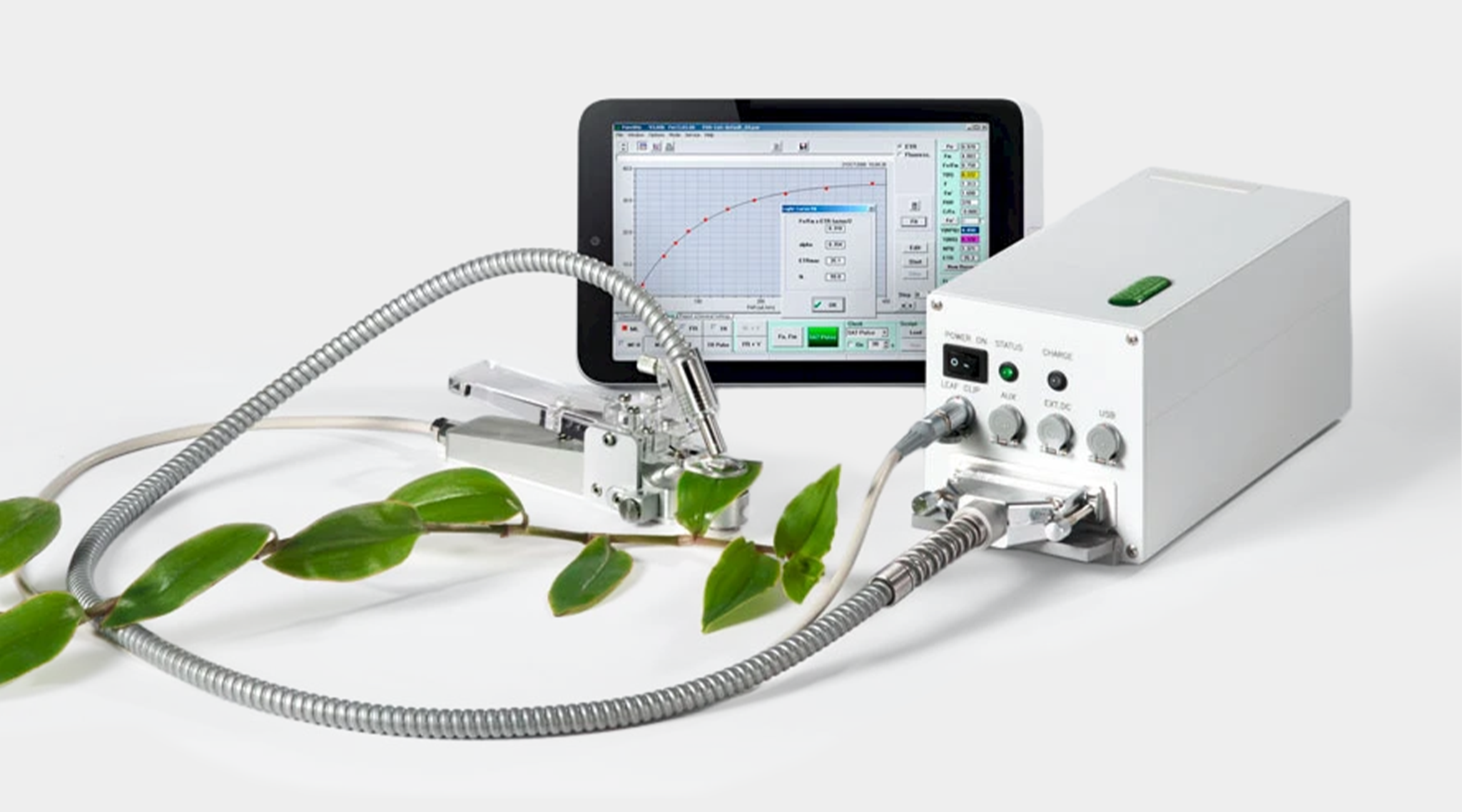
The PAM-2500 is a high-performance portable chlorophyll fluorometer that combines saturation pulse analysis with fast chlorophyll fluorescence kinetics in a single, compact instrument. Continuing the line of portable PAM fluorometers that started in the 1990s with the well-known PAM-2000/2100, the PAM-2500 has been completely newly developed using state-of-the-art technology. With a time resolution of 10 µs, it is the fastest portable PAM fluorometer available - capable of resolving the complete polyphasic fluorescence rise (OJIP) that occurs within the first second after onset of illumination.
This dual capability makes the PAM-2500 uniquely versatile: from standard FV/FM measurements and light response curves to detailed analysis of electron transport steps via OJIP fluorescence kinetics all in one field-portable device.
What is OJIP?
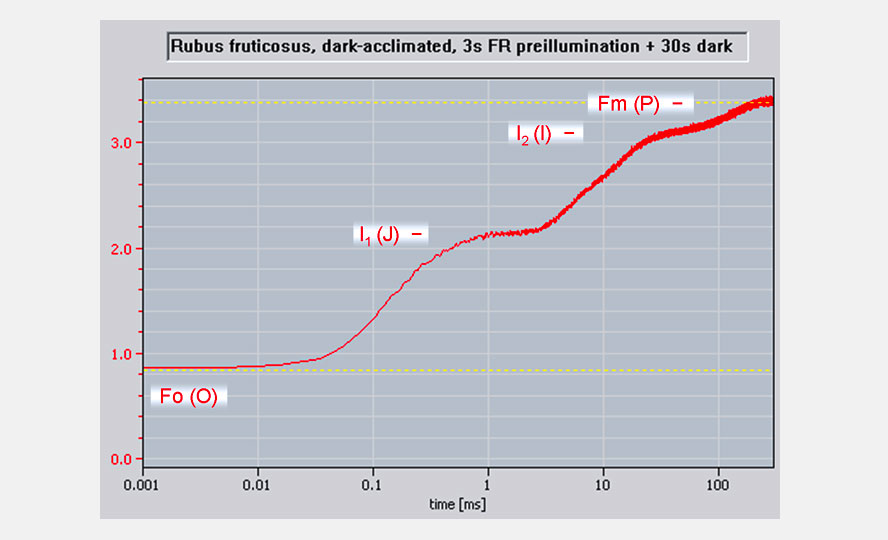
When a dark-adapted leaf is exposed to a strong light pulse, chlorophyll fluorescence rises from a minimum (Fo) to a maximum (Fm) within approximately one second. This rise is not smooth — it follows a characteristic pattern with distinct steps known as O, J, I, and P (also denoted Fo, I1, I2, and Fm):
O (F0) — the initial fluorescence level, all PSII reaction centers open
J (I1) — first inflection at ~2 ms, related to the reduction of the primary electron acceptor QA
I (I2) — second inflection at ~30 ms, related to the filling of the plastoquinone pool
P (Fm) — the peak, all PSII reaction centers closed
Each step reflects a specific stage in the photosynthetic electron transport chain. The shape and timing of the OJIP curve provide detailed information about the functional state of photosystem II, the electron transport capacity, and the overall vitality of the photosynthetic apparatus - going well beyond what a simple FV/FM measurement alone can reveal.
Powerful Optics in a Compact Housing
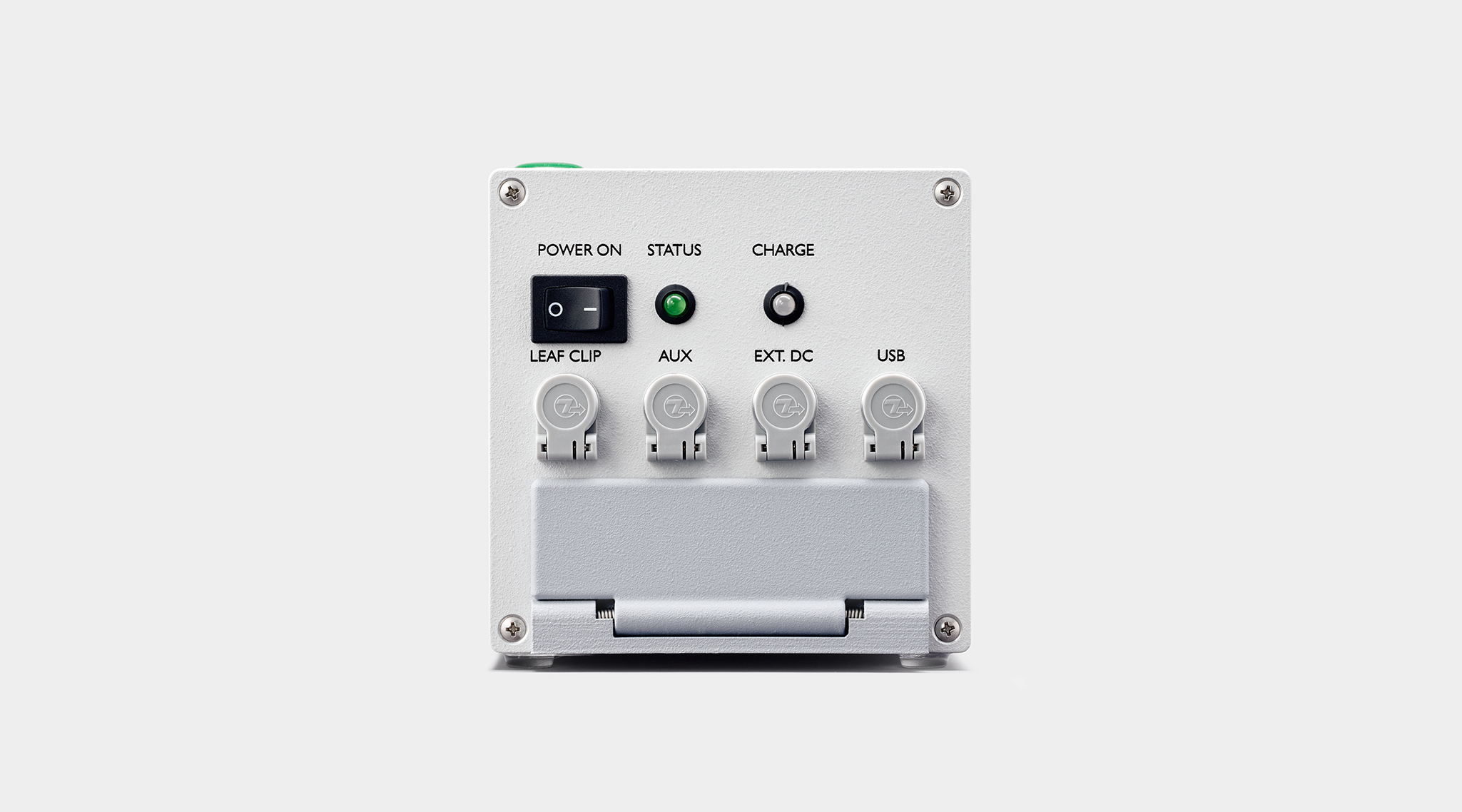
All optical and electronic components fit in a housing of just 23 × 10.5 × 10.5 cm. High-performance power LEDs deliver actinic light up to 4,000 µmol m⁻² s⁻¹ and single-turnover flashes up to 125,000 µmol m⁻² s⁻¹ enabling quasi-rectangular light pulses essential for accurate fast chlorophyll fluorescence kinetics. A strong far-red LED allows specific PSI excitation for F0' determination.
Leaves, Suspensions, and Everything in Between
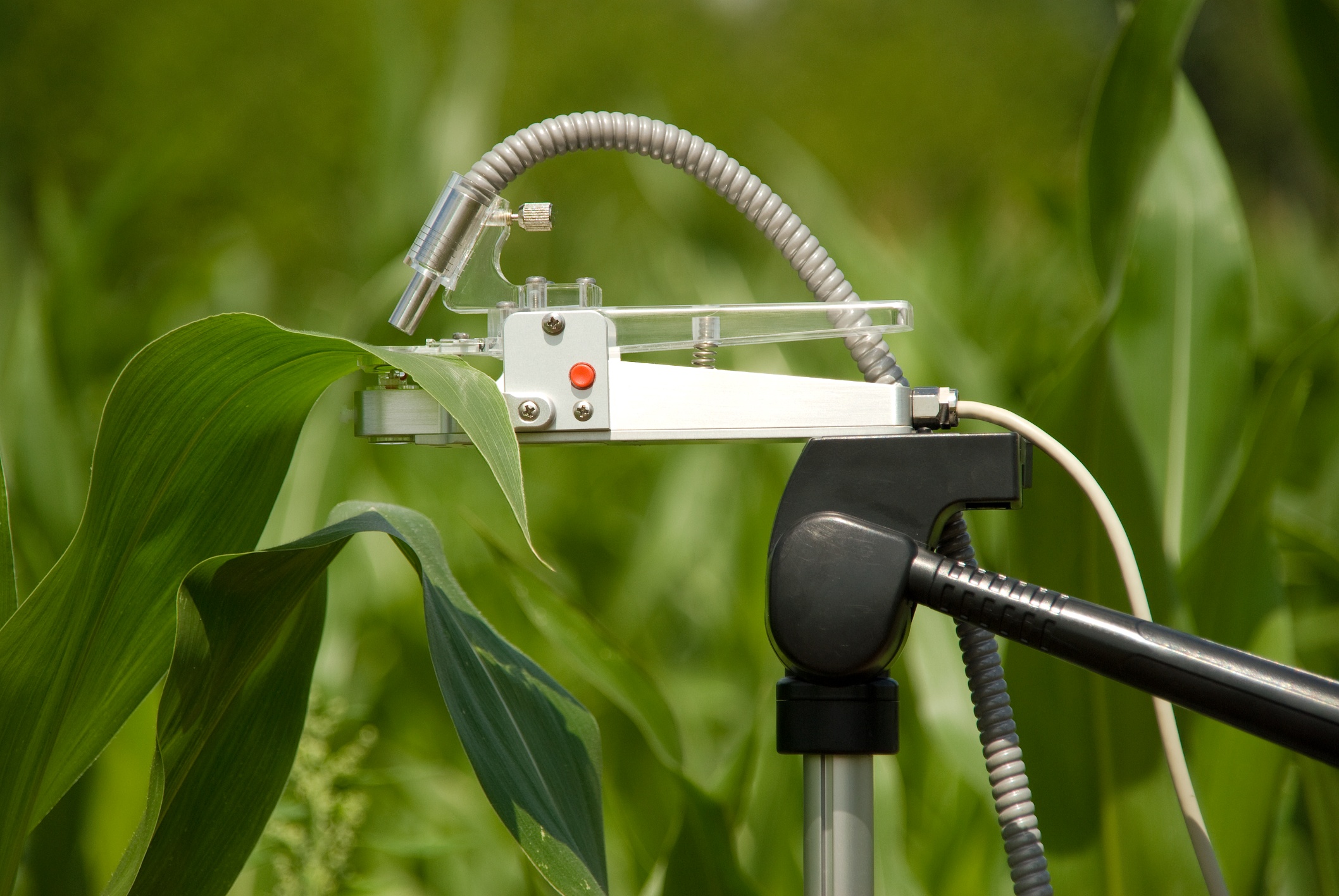
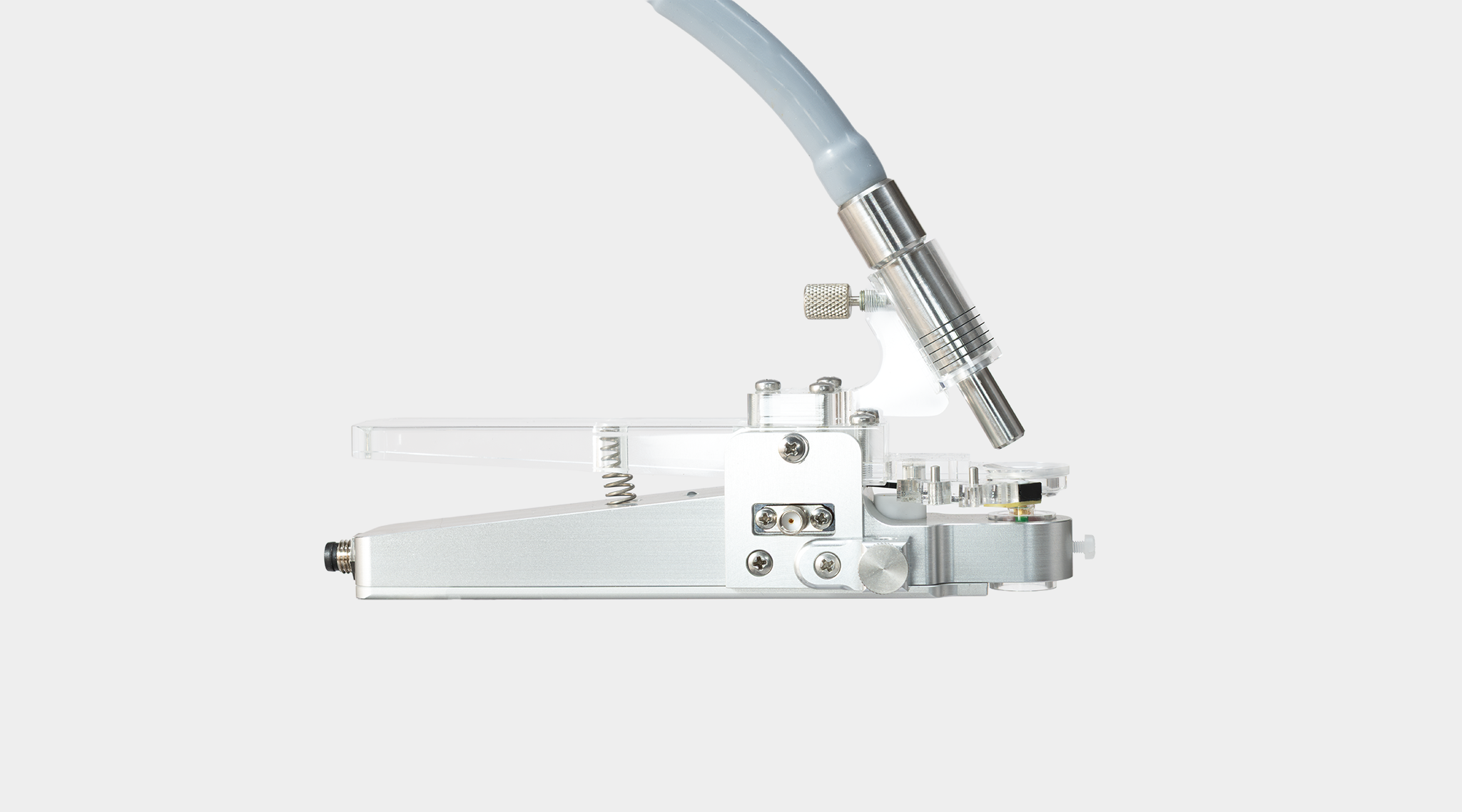
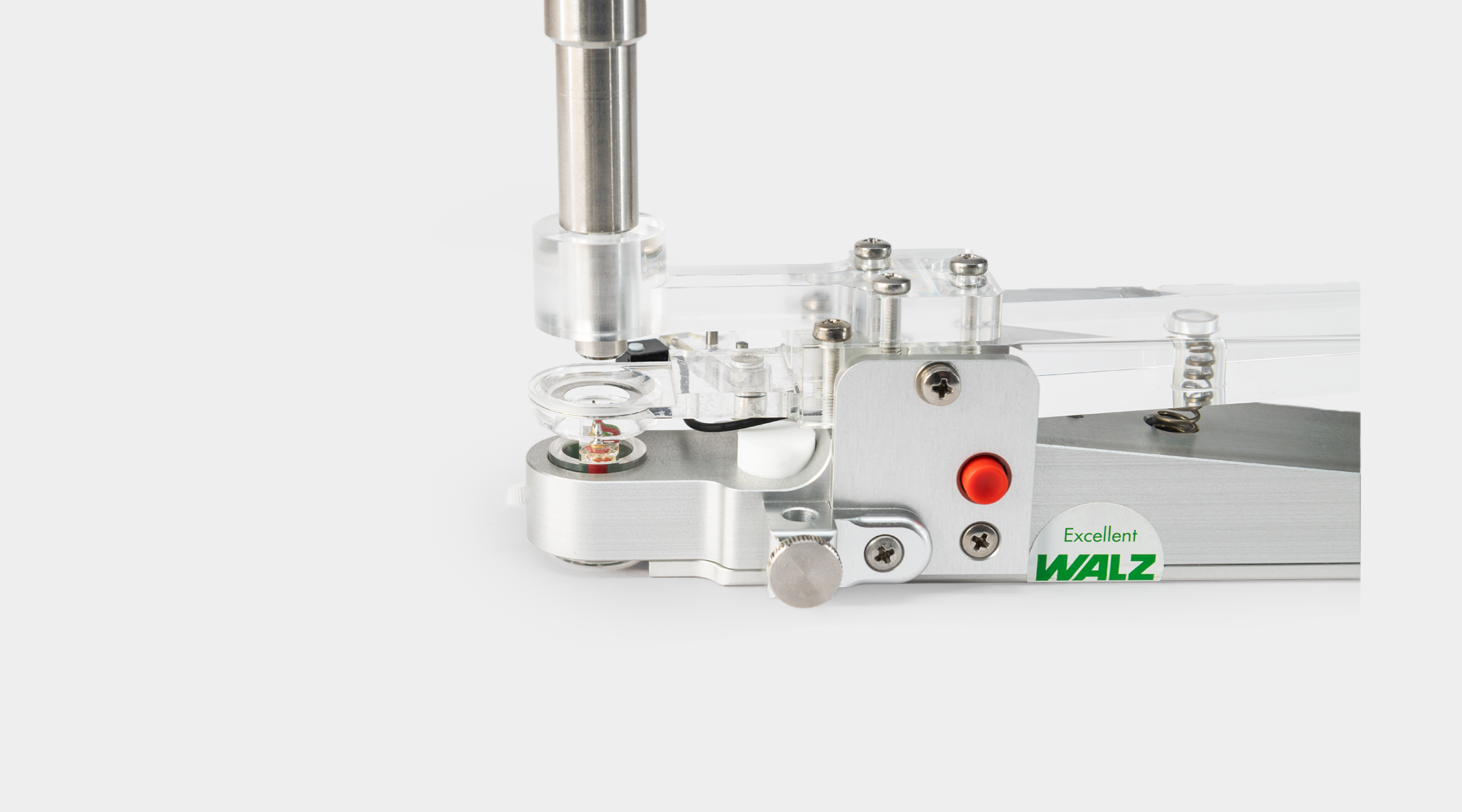
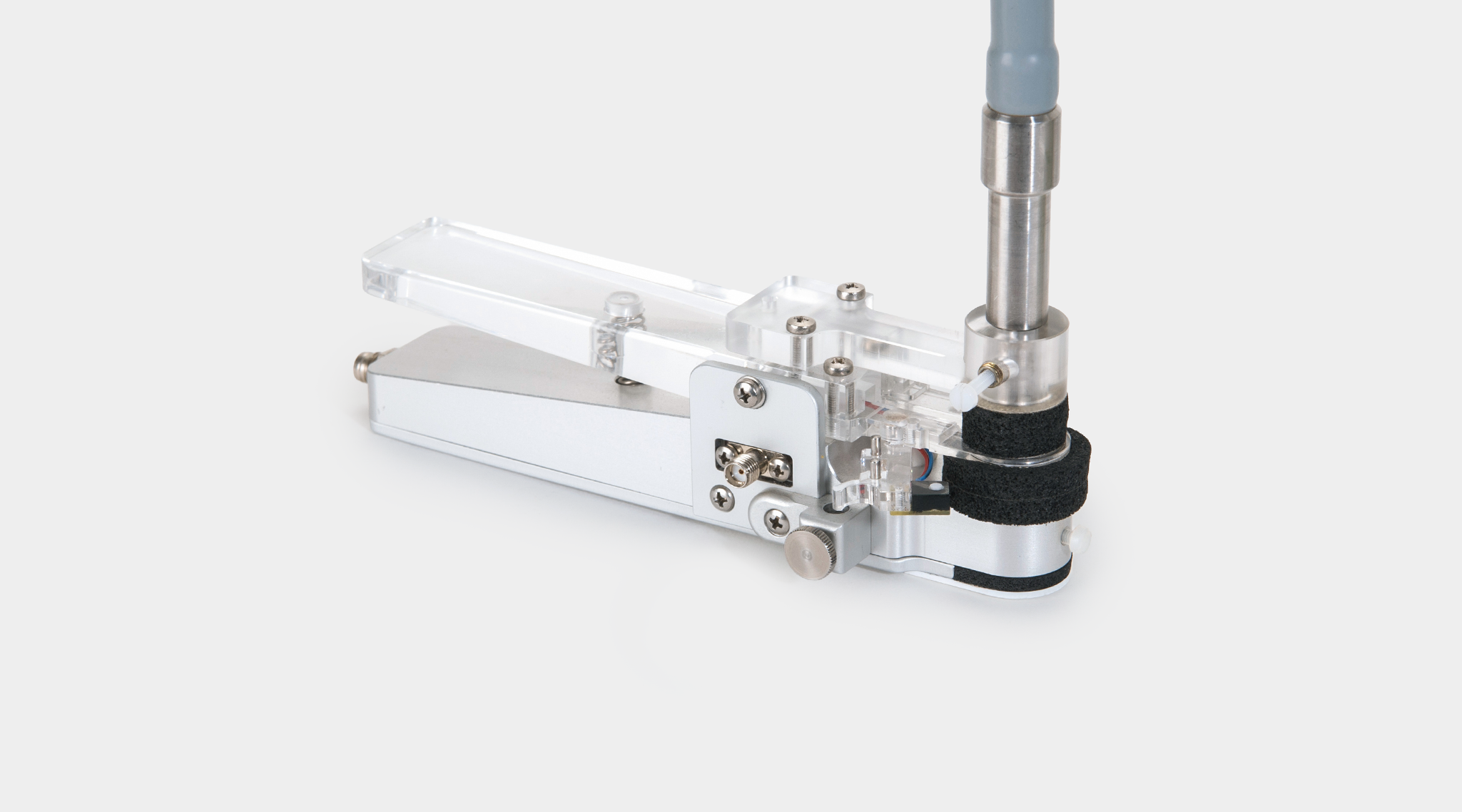
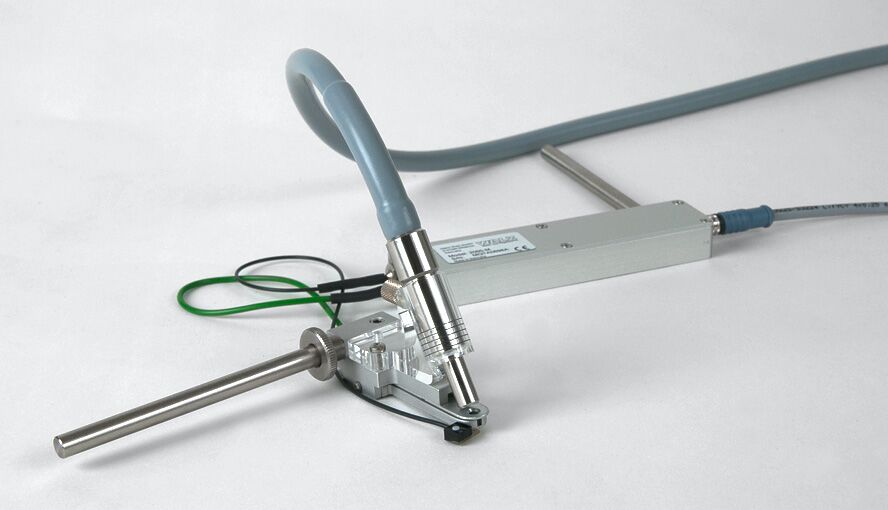
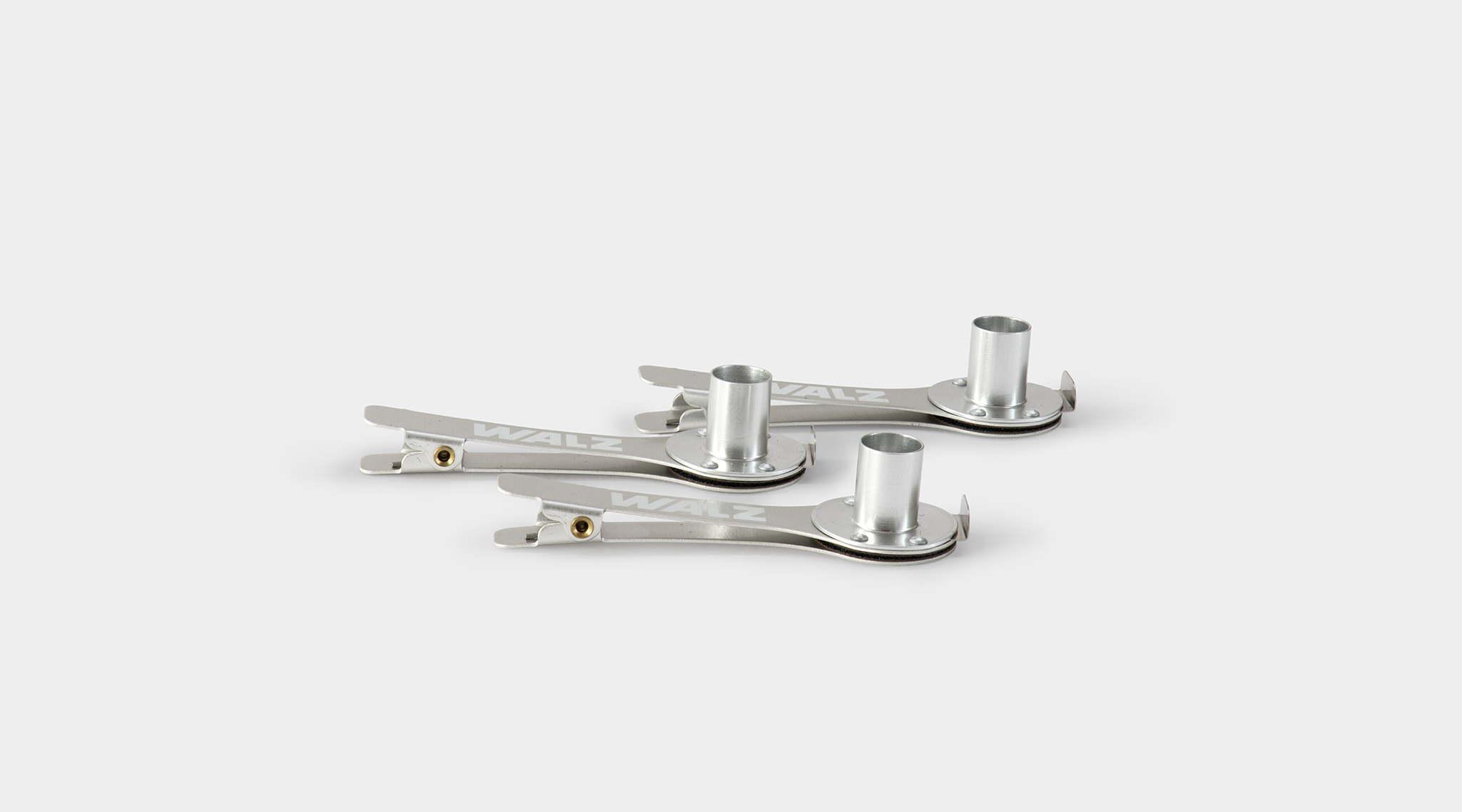
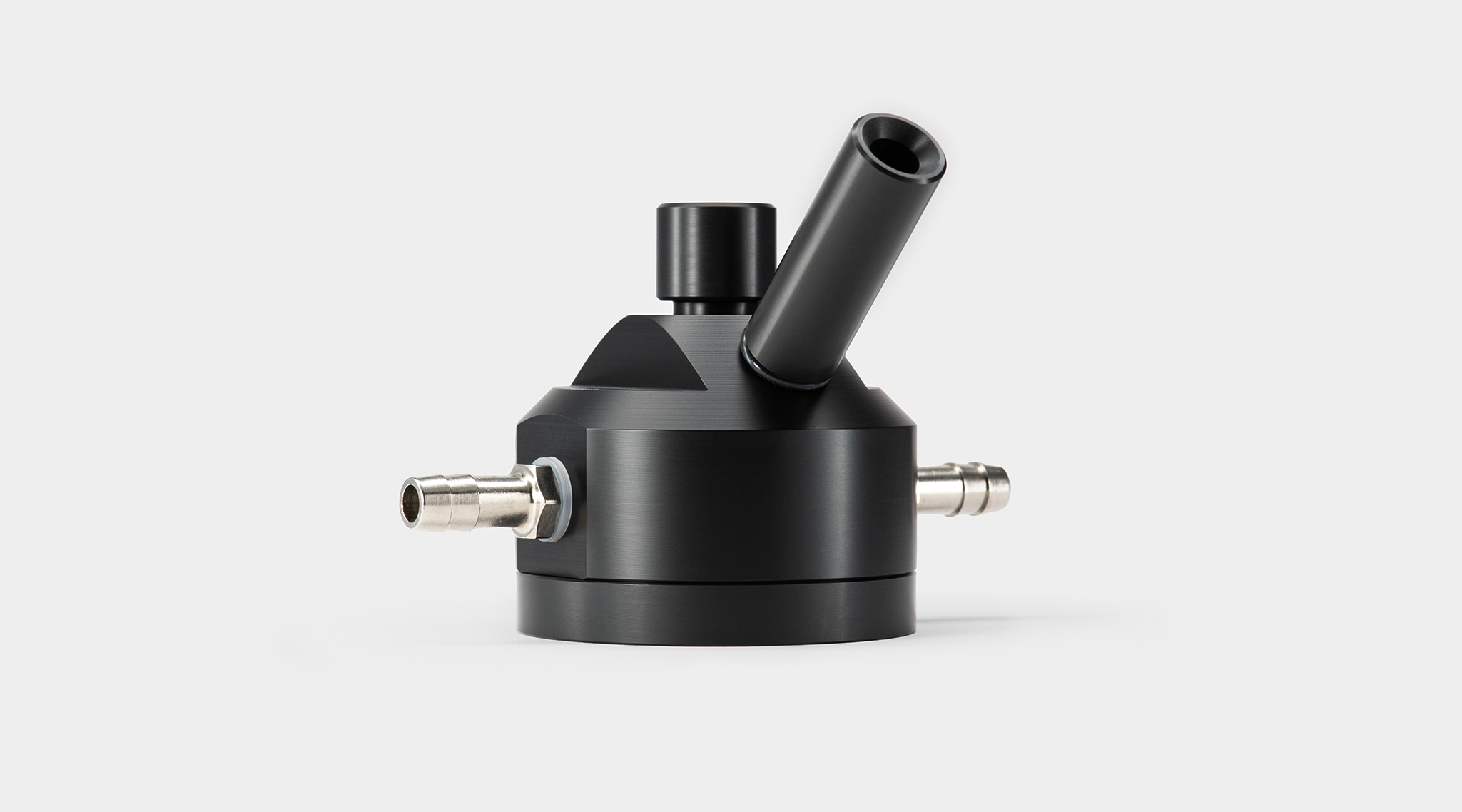
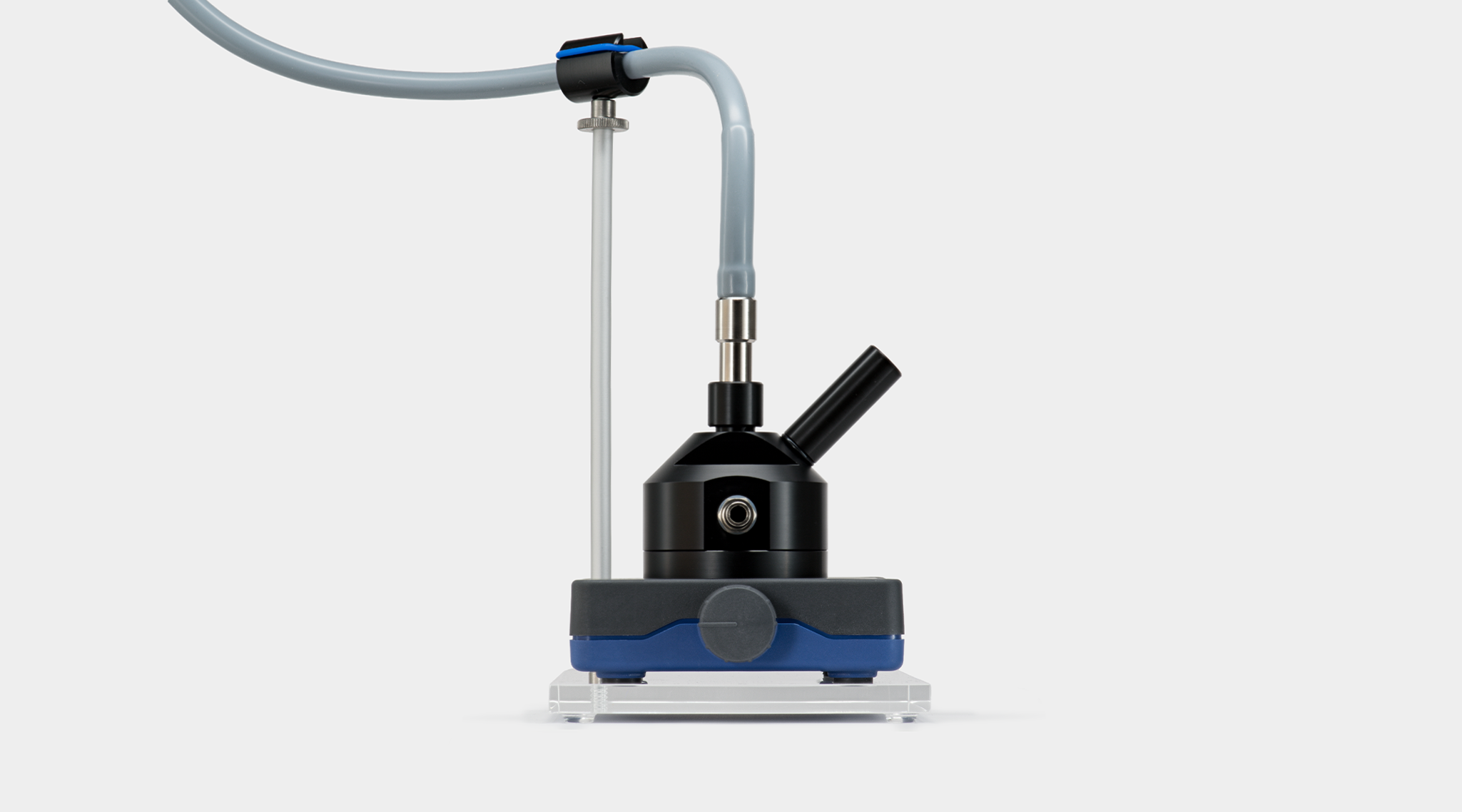
The PAM-2500 adapts to different sample types via a flexible fiberoptics system that guides modulated measuring light and actinic light to the sample, and collects the chlorophyll fluorescence. For leaf measurements, the 2030-B leaf clip provides simultaneous PAR and temperature sensing, permitting derivation of relative electron transport rates (ETR) from ambient PAR and PSII photochemical yield Y(II). For algae and cyanobacteria suspensions, the KS-2500 cuvette with magnetic stirrer and optional temperature control enables precise laboratory measurements. Blue actinic light up to 800 µmol m⁻² s⁻¹ is available for samples where blue excitation is preferred.
Software and Connectivity
The PamWin-4 software runs on Windows PCs or the ultra-mobile UMPC-8 tablet, connected via Bluetooth for cable-free field operation. A dedicated outdoor interface - derived from the proven PAM-2000/2100 software - provides streamlined controls for rapid measurements in the field, while the full software offers comprehensive analysis tools for saturation pulse analysis, light curves, induction curves, and OJIP fluorescence recordings.
What Sets the PAM-2500 Apart
Fastest Portable PAM Fluorometer: 10 µs time resolution for OJIP fast kinetics and saturation pulse analysis in one device.
From Leaves to Suspensions: Flexible fiberoptics system with leaf clips for field measurements and cuvette for algae and cyanobacteria in the lab.
Red, Blue, and Far-Red Light: Three independent LED sources for actinic illumination, single-turnover flashes up to 125,000 µmol m⁻² s⁻¹, and specific PSI excitation.
Combined OJIP and PAM Analysis: Full saturation pulse quenching analysis plus polyphasic fluorescence rise kinetics - both methods, one instrument.


Light Saturation Curves of the Apparent Electron Transport Rate
A major application of PAM-2500 fluorometers in ecophysiology is the fast and reliable analysis of the photosynthetic performance of plants.
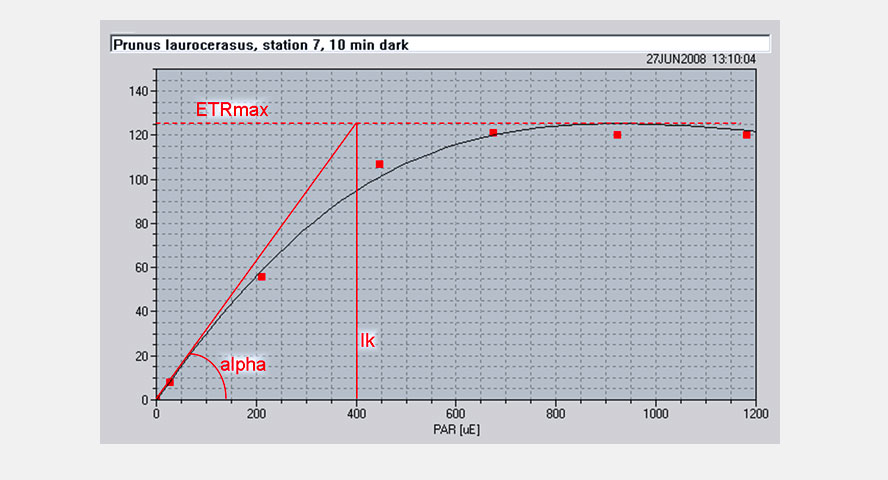
Two important parameters for characterizing photosynthesis are the maximum quantum yield for whole chain electron transport (“alpha”, at low light intensities) and the maximum electron transport capacity (“ETRmax”, at light saturation).
To evaluate the alpha and ETRmax, apparent electron transport rates (ETR) are derived from effective quantum yields of photosystem II (ΔF/Fm' or Y(II)) according to ETR = Y(II) x PAR x 0.42.
In this equation, the PAR corresponds to the quantum flux density of photosynthetically active radiation, and the 0.42 is the product of light absorptance by an average green leaf (0.84) times the fraction of absorbed quanta available for photosystem II (0.5).
Polyphasic Fluorescence Rise Upon Onset of Saturating Light
The fast acquisition mode of the PAM-2500 enables recording of rapid fluorescence kinetics with 10 µs time resolution. This high time resolution is achieved with pulse modulated signals.
This means that the fast kinetics of fluorescence yield is measured and, consequently, that signal amplitudes from different experiments can be directly compared irrespective of light intensity and sample geometry.
The same saturating light that serves for saturation pulses can also be used for measuring the polyphasic fluorescence rise kinetics. This type of kinetics provides valuable information on the properties of PS II and the state of its primary and secondary acceptor pools.
With a dark-acclimated sample, four characteristic levels of fluorescence yield can be distinguished in a plot with logarithmic time scale: Fo, I1, I2 and Fm (alternatively also denoted O, J, I and P).


Scientific Publications using Walz Devices
Source: Google Scholar.
Keywords: (Walz OR Waltz) Effeltrich.
Date: June 22, 2026.
Ʃ = 19642
Source: Google Scholar.
Keywords: (Walz OR Waltz) Effeltrich.
Date: June 22, 2026.
Ʃ = 19642
Selected Publications
Possible effects of pesticide washout on microalgae growth
Water 17: 2716
Across-rotation genetic analysis and multitrait selection in a cloned cross of Eucalyptus urophylla x E. terticornis
Frontiers in Plant Science 16: 1553819
Subtropical lichens from the Afromontane can display rapid photosynthetic acclimation to simulated climate change
Photosynthetica 63: 64-72
Influence of soil amendment application on growth and yield of Hedysarum scoparium Fisch. et Mey and Avena sativa L. under saline conditions in dry-land regions
Plants 14: 855
Selenium-coated chitosan nanoparticles (CTS-Se NPs) improve grapevine (Vitis vinifera cv. Sultana) performance grown under lead (Pb) toxicity
BMC Plant Biology 25: 1178
Silver nanoparticles priming for drought tolerance in wheat: insights from antioxidant system activation and stress memory
Chemical and Biological Technologies in Agriculture 12: 57
Rapid response of photosynthetic apparatus of Triticum aestivum L. and Beta vulgaris L. to He-Ne laser irradiation
Journal of Plant Growth Regulation 44: 2803-2822
Ex situ thermal precoditioning modulates coral physiology and enhances heat tolerance: multispecies perspective for active restoration
Environmental Science & Technology 59: 8527-8540
Optimizing row spacing and seeding rate for yield and quality of alfalfa in saline-alkali soils
Agronomy 5: 1828
Tribonema cf. minus cultivation in thin-layer raceway pond to uncover its biotechnological potential
Journal of Applied Phycology 37: 2231-2244
Cerium oxide nanoparticles alleviate drought stress in apple seedlings by regulating ion homeostasis, antioxidant defense, gene expression, and phytohormone balance
Scientific Reports 15: 11805
Nitrogen application and mowings improve chromium phytoextraction efficiency of Leersia hexandra Swartz
Environmental Sciences Europe 37: 63
Heterogeneity of photosynthetic light acclimation within single leaves of Fagus sylvatica
Trees 39: 104 [MAXI]
Extracellular polymeric substances protect Chlorella sp. against the cadmium stress
Ecologies 6: 65
Increasing microplastic concentrations have nonlinear impacts on the physiology of reef-builiding corals
Science of the Total Environment 960: 178318
Selecting habitats to reintroduce the endangered species Ardisia gigantifolia (Primulaceae) based on growth and physiological traits
Global Ecology and Conservation 57: e03388
The impact of epiphytic algae on the foliar traits of Potamogeton perfoliatus
Frontiers in Plant Science 16: 1561709
Heterotrophic feeding modulates the effects of microplastic on corals, but not when combined with heat stress
Science of the Total Environment 972: 170026
Photosynthetic traits of Phragmites australis along an exological gradient and developmental stages
Frontiers in Plant Science 15: 1476142
Hyperspectral imaging reveals differential carotenoid and chlorophyll temporal dynamics and spatial patterns in Scots pine under water stress
Plant, Cell & Environment 48: 1535-1554
Rhizophagus irregularis regulates RiCPSI and RiCARI expression to influence plant drought tolerance
Plant Physiology 197: kiae645
The long noncoding RNA LAL contributes to salinity tolerance by modulating LHCB1s’ expression in Medicago trunculata.
Communications Biology 7: 289
Psb28 protein is indispensable for stable accumulation of PS II core complexes in Arabidopsis.
The Plant Journal 119: 1226-1238
Exogenous calcium-alleviating effect on sodium salt-induced phytotoxicity associated with changes in photosynthetic characteristics of wheat seedlings.
Photosynthetica 62: 16-26
Contrasting heat tolerance of evergreen and deciduous urban woody species during heat waves.
Functional Ecology 38: 1649-1660
Application of AMF alleviates growth and physiological characteristics of Impatiens walleriana under sub-low temperature.
Horticulturae 10: 856
Analysis of photosynthetic characteristics and screening high light-efficiency germplasm in sugarcane.
Plants 13: 587
Transcriptomic profiling reveals the contribution of nitric oxide to maintaining photosynthesis and antioxidant ability in Hylotelephium erythrostictum leaves under salt stress.
Plant Stress 12: 100471
Effects of nitrogen addition and Bothriochloa ischaemum and Lespedeza davurica mixture on plant chlorophyll fluorescence and community production in semi-arid grassland.
Frontiers in Plant Science 15: 1400309
Tolerance of the Australian halophyte, beaded samphire, Sarcocornia quinqueflora, to Pb and Zn under glasshouse conditions: evaluating metal uptake and partitioning, photosynthetic performance, biomass, and growth.
Aquatic Toxicology 270: 106887
Expression pattern of Stlhcb gene family in potato and effects of overexpression of Stcp24 gene on potato photosynthesis.
PLoS One 19: e0305781
Modulation of morpho-physiological attributes and in situ analysis of secondary metabolites using Raman spectroscopy in response to red and blue exposure in Artemisia annua.
Environmental and Experimental Botany 217: 105563
Using chlorophyll fluorescence parameters and antioxidant enzyme activity to assess drought tolerance of spring wheat.
Photosynthetica 62: 147-157
Mechanisms underlying the differential sensitivity to mesotrione in sweet corn.
Agronomy 14: 555
The extremotolerant desert moss Syntrichia caninervis is a promising pioneer plant for colonizing extraterrestrial environments.
The Innovation 5: 100657
Multiple dimensions of functional traits in subtropical montane mosses.
Forests 15: 587
Antarctic benthic diatoms after 10 months of dark exposure: consequences for photosynthesis and cellular integrity.
Frontiers in Plant Science 15: 1326375
Improvement of physiological features and essential oil content of Thymus vulgaris after soil amendment with chitosan nanoparticles under chromium toxicity.
Horticulturae 10: 659
A mesophilic relative of common glacier algae, Ancylonema palustre sp. nov., provides insights into the induction of vacuolar pigments in zygnematophytes.
Environmental Microbiology 26: e16680
Plant responses to co-occurring heat and water deficit: a comparative study of tolerance mechanisms in old and modern wheat genotypes.
Plant Physiology and Biochemistry 210: 108595
Impact of dehydration on the physicochemical properties of Nostoc calcicola BOT1 and its untargeted metabolic profiling through UHPLC-HRMS.
Frontiers in Plant Science 14: 1147390
Exploring the sensitivity of solar-induced chlorophyll fluorescence at different wavelengths in response to drought.
Remote Sensing 15: 1077
Blue light enhances cadmium tolerance of the aquatic macrophyte Potamogeton crispus.
Plants 12: 2667
Limited trait responses of a tropical seagrass to the combination of increasing pCO2 and warming.
Journal of Experimental Botany 74: 472-488
The first cultivation of the glacier ice alga Ancylonema alaskanum (Zygnematophyceae, Streptophyta): differences in morphology and photophysiology of field vs laboratory strain cells.
Journal of Glaciology 69: 1080-1084
Different responses to water deficit of two common winter wheat varieties: physiological and biochemical characteristics.
Plants 12: 2239
Lichen substances are more important for photoprotection in sun than shade collections of lichens from the same species.
The Bryologist 126: 180-190
Acquistion of freezing tolerance of resurrection species from Gerneriaceae, a comparative study.
Plants 12: 1893
Sulfate supplementation affects nutrient and photosynthetic status of Arabidopsis thaliana and Nicotiana tabacum differently under prolonged exposure to cadmium.
Journal of Hazardous Materials 445: 1300527
Combining chlorophyll fluorescence and vegetation reflectance indices to estimate non-photochemical quenching (NPQ) of rice at the leaf scale.
Remote Sensing 15: 4222
Terrestrial Trentepohlia sp. (Ulvophyceae) from alpine and coastal collection sites show strong desiccation tolerance and broad light and temperature adaptation.
Protoplasma 260: 1539-1553
Brassinosteroids regulate the water deficit and latex yield of rubber trees.
International Journal of Molecular Sciences 24: 12857
Salt-induced modulation of ion transport and PS II photoprotection determine the salinity tolerance of amphidiploid brassicas.
Plants 12: 2590
Anatomical and physiological responses of Aechmea blanchetiana (Bromeliaceae) induced by silicon and sodium chloride stress during in vitro culture.
Peer Journal 11: e14624
Metabolome of cadmium stressed Gracilaria caudata (Rhodophyta).
Phycology 3: 255-269
Exogenously applied sodium nitroprusside alleviates nickel toxicity in maize by regulating antioxidant activities and defense-related gene expression.
Physiologia Plantarum 175: e13985
Genetic manipulation of bermudagrass photosynthetic biosynthesis using Agrobacterium-mediated transformation.
Physiologia Plantarum 174: e13710
Improving tea quality by balancing ROS and antioxidant system through appropriate ammonium nitrogen application.
Sustainability 14: 9354
Photosynthetic, respirational, and growth responses of six benthic diatoms from the Antarctic peninsula as functions of salinity and temperature variations.
Genes 13: 1264
Photophysiological investigations of the temperature stress responses of Zygnema spp (Zygnematophyceae) from subpolar and polar habitats (Iceland, Svalbard).
Phycologia 61: 299-311
Limiting steps and the contribution of alternative electron flow pathways in the recovery of the photosynthetic functions after freezing-induced desiccation of Haberlea rhodopensis.
Photosynthetica 60: 136-146
Using the diurnal variation characteristics of effective quantum yield of PS II photochemistry for drought stress detection in maize.
Ecological Indicators 138: 108842
Metabolite profiling in green microalgae with varying degrees of desiccation tolerance.
Microorganisms 10: 946
Order-of-magnitude enhancement in photocurrent generation of Synechocystis sp. PCC 6803 by outer membrane deprivation.
Nature Communications 13: 3067
Mixed population hypothesis of the active and inactive PS II complexes opens a new door for photoinhibition and fluorescence studies: an ecophysiological perspective.
Functional Plant Biology 49, 917-925
Functional study of BpPP2C1 revealed its role in salt stress in Betula platyphylla.
Frontiers in Plant Science 11: 617635
FaHSP17.8-CII orchestrates lead tolerance and accumulation in shoots via enhancing antioxidant enzymatic response and PS II activity in tall fescue.
Ecotoxicology and Environmental Safety 223: 112568
The ecophysiological performance and traits of genera within the Stichococcus-like clade (Trebouxiophyceae) under matric and osmotic stress.
Microorganisms 9: 1816
Unicellular versus filamentous: the glacial alga Ancylonema alaskana comb. et stat. nov. and its ecophysiological relatedness to Ancylonema nordenskioeldii (Zygnematophycae, Streptophyta).
Microorganisms 9: 1103
Ecophysiological, morphological, and biochemical traits of free-living Diplosphaera chodatii (Trebouxiophycaea) reveal adaptation to harsh environmental conditions.
Protoplasma 258: 187-1199
Exogenously spermidine alleviates damage from drought stress in the photosystem II of tall fescue.
Plant, Soil and Environment 67: 558-566
Does co-inoculation of mycorrhiza and Piriformospora indica fungi enhance the efficiency of chlorophyll fluorescence and essential oil composition in peppermint under irrigation with saline water from the Caspian Sea?
PLoS ONE 16: e0254076
Specific features of technogenic pollutants impact on photosynthetic activity of unicellular cyanobacteria.
Aquatic Toxicology 14: 94-103
Piriformospora indica augments arsenic tolerance in rice (Oryza sativa) by immobolizing arsenic in roots and improving iron translocation to shoots.
Ecotoxicology and Environmental Safety 209: 111793
Photosynthetic performance of rocket (Eruca sativa Mill.) grown under different regimes of light intensity, quality, and photoperiod.
PLoS ONE 16: e0257745
Terrestrial green algae show higher tolerance to dehydration than do their aquatic sister-species.
Physiology and Biotechnology 82: 770-782
Plant functional traits predict the drought response of native California plant species.
International Journal of Plant Sciences 181: 256-265
Spectral quality of monochromatic LED affects photosynthetic acclimation to high-intensity sunlight of Chrysanthemum and Spathiphyllum.
Physologia Plantarum 169: 10-26
Glycolytic shunts replenish the Calvin-Benson-Bassham cycle as anaplerotic reactions in cyanobacteria.
Molecular Plant 13: 471-482
Solar-induced chlorophyll fluorescence and short-term photosynthetic response to drought.
Ecological Applications 30: e02101
Role of Ca2+ as protectant under heat stress by regulation of photosynthesis and membrane saturation in Anabaena PCC 7120.
Protoplasma 256: 681-691
A strategy for boosting astaxanthin accumulation in green microalga Haematococcus pluvialis by using combined diethyl aminoethyl hexanoate and high light.
Journal of Applied Phycology 31: 171-181
Role of Ca2+ as protectant under heat stress by regulation of photosynthesis and membrane saturation in Anabaena PCC 7120.
Protoplasma 256: 681-691
Light and dehydration but not temperature drive photosynthetic adaptations of basal streptophytes (Hormidiella, Streptosarcina and Streptofilum) living in terrestrial habitats.
Microbial Ecology 77: 380-393
Unravelling metabolic mechanisms behind chloroplast desiccation tolerance: chlorophyllous fern spore as a new promising unicellular model.
Plant Science 281: 251-260
Nitric oxide is involved in abscisic acid-induced photosynthetesis and antioxidant system of tall fescue seedlings response to low-light stress.
Environmental and Experimental Botany 155: 226-238
Ecology, cytology and phylogeny of the snow alga Scotiella cryophila K-1 (Chlamydomonadales, Chlorophyta) from the Austrian Alps.
Phycologia 57: 581-592
Temperature effects on Zn-responses and Zn-reclamation capacity of two native Brazilian plant species: implications of climate change.
Environmental and Experimental Botany 155: 589-599
Chrysanthemum morphology, photosynthetic efficiency and antioxidant capacity are differentially modified by light quality.
Journal of Plant Physiology 213: 66-74
The responses of Scots pine seedlings to waterlogging in a fine-textured till soil.
New Forests 48: 51-65
Drought-responsive gene expression in sun and shade plants of Haberlea rhodopensis under controlled environment.
Plant Molecular Biology Reports 35: 313-322
Phytochrome A and B regulate primary metabolism in Arabidopsis leaves in response to light.
Frontiers in Plant Science 8: 1394
Seasonal variation in floating persistence of detached Durvillaea antarctica (Chamisso) Hariot thalli.
Botanica Marina 56: 3-14
Osmotic stress in Arctic and Antarctic strains of the green alga Zygnema (Zygnematales, Streptophyta): Effects on photosynthesis and ultrastructure.
Micron 44: 317-330
Effects of hematin and carbon monoxide on the salinity stress responses of Cassia obtusifolia L. seeds and seedlings.
Plant Soil 359: 85-105
Photosynthetic characterization of a rolled leaf mutant of rice (Oryza sativa L.).
African Journal of Biotechnology 11: 6839-6846
Desiccation-induced non-radiative dissipation in isolated green lichen algae.
Photosynthesis Research 113: 239-247
Photoacclimation of Phaeodactylum tricornutum (Bacillariophyceae) cultures grown outdoors in photobioreactors and open ponds.
European Journal of Phycology 47: 169-181
Phenotyping of wheat cultivars for heat tolerance using chlorophyll a fluorescence.
Functional Plant Biology 39: 936-947
Sll1466, a glycosyl transferase homolog involved in global cellular regulation and high-light tolerance of Synechocystis PCC6803.
Biochemical and Biophysical Research Communications 408: 674-679
Cross-talk between photomixotrophic growth and CO2-concentrating mechanism in Synechocystis sp. strain PCC 6803.
Environmental Microbiology 13: 1767-1777
Light-induced changes within Photosystem II protects Microcoleus sp. in biological desert sand crusts against excess light.
PLOS ONE 5: e11000
Why some stems are red: cauline anthocyanins shield photosystem II against high light stress.
Journal of Experimental Botany 61: 2707-2717
Plant physiological adaptations to the massive foreign protein synthesis occurring in recombinant chloroplasts.
Plant Physiology 150: 1474-1481
PAM-2500
Fitting routine for the fast fluorescence O-I1 to determine the functional absorption cross-section of the PS II antennae (Sigma) needed for the determination of PS II-specific electron transport rates
Fitting routine for exponential decay (e.g. QA– reoxidation after a single turnover flash) or rise of a signal with up to three exponentials
Choice of two fitting routines for light curves (determination of cardinal points α, Ik and ETRmax)
Ft, F0, FM, F, F0' (also calculated), FM'. Fast polyphasic rise and decay kinetics (time resolution up to 10 µs). PAR using Spherical Micro Quantum Sensor US-SQS/WB or Mini Quantum Sensor US-MQS/WB
F0' (also measured), Fv/Fm and Y(II) (maximum and effective photochemical yield of PS II, respectively), qL, qP, qN, NPQ, Y(NPQ), Y(NO) and ETR (electron transport rate), C/F0 (constant fraction of F0 that is assumed to originate from PS I)
Aluminum box with custom foam packing
-20 to +60 °C
Accessories
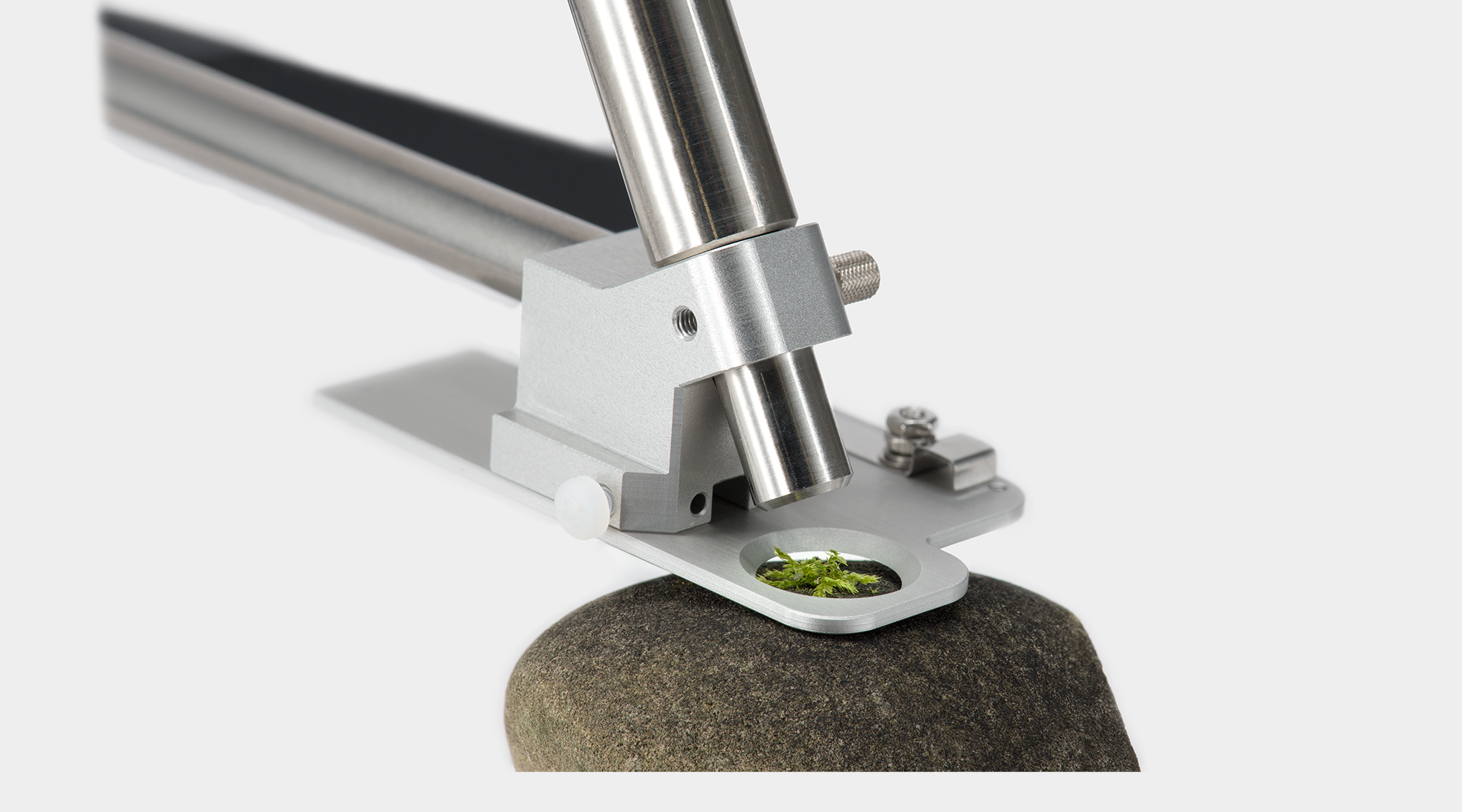
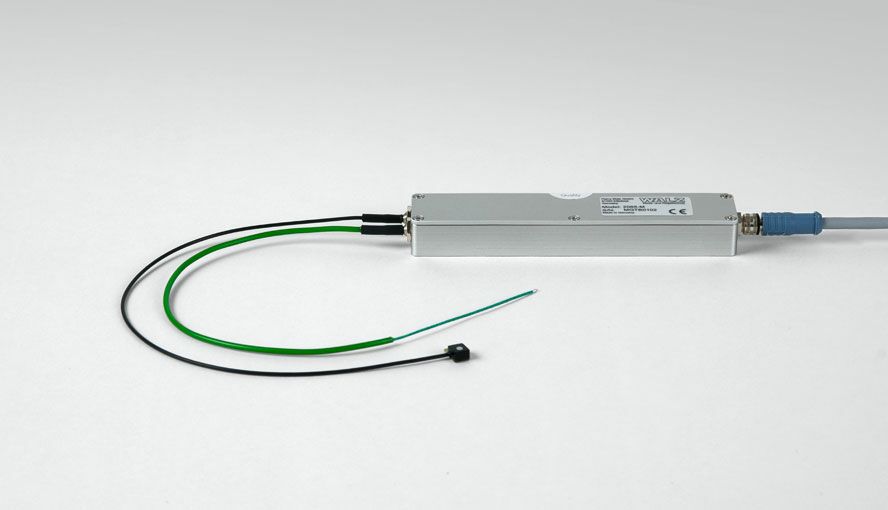
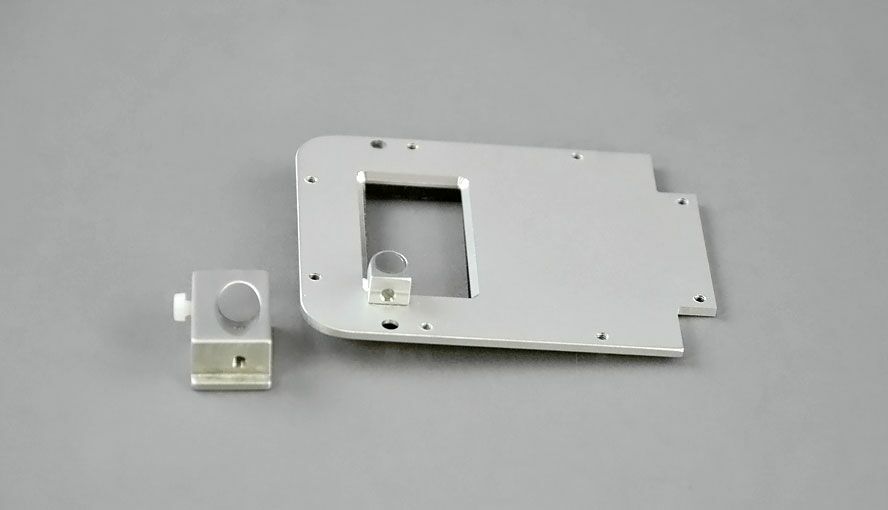
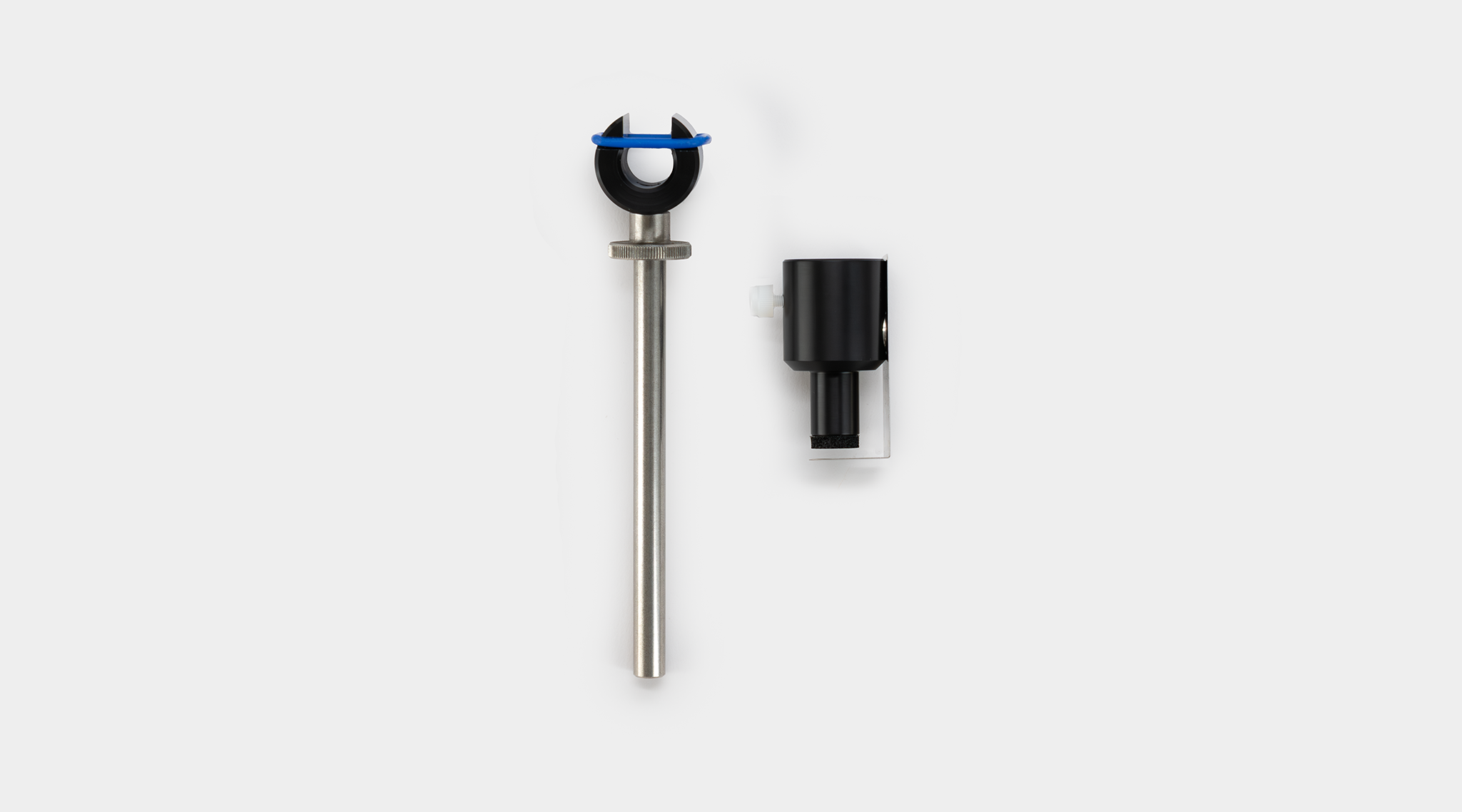
Aluminum plate (6.0 x 3.3 cm max.) with 11 mm diameter circular hole (measuring area) and aluminum port to position fiber at an angle of 60° relative to the aluminum plate. With port for temperature sensor of 2060-M unit to measure surface temperature and thread to mount the PAR sensor of the 2060-M unit. Connected to a 10 x 0.8 cm (L x Ø) steal rod with two lateral plastic supports (12 cm x 1 cm x 1 cm, L x W x H), which are lockable by knurled screws
Round stainless steel cuvette (7.5 mm wide, 9.0 mm deep) with top window adapter for connecting the fiberoptics; embedded in PVC body with injection port for Hamilton syringes and hose nozzles for connecting an external flow-through water bath (not included). Including three 6.0 x 1.5 mm magnetic stir bars
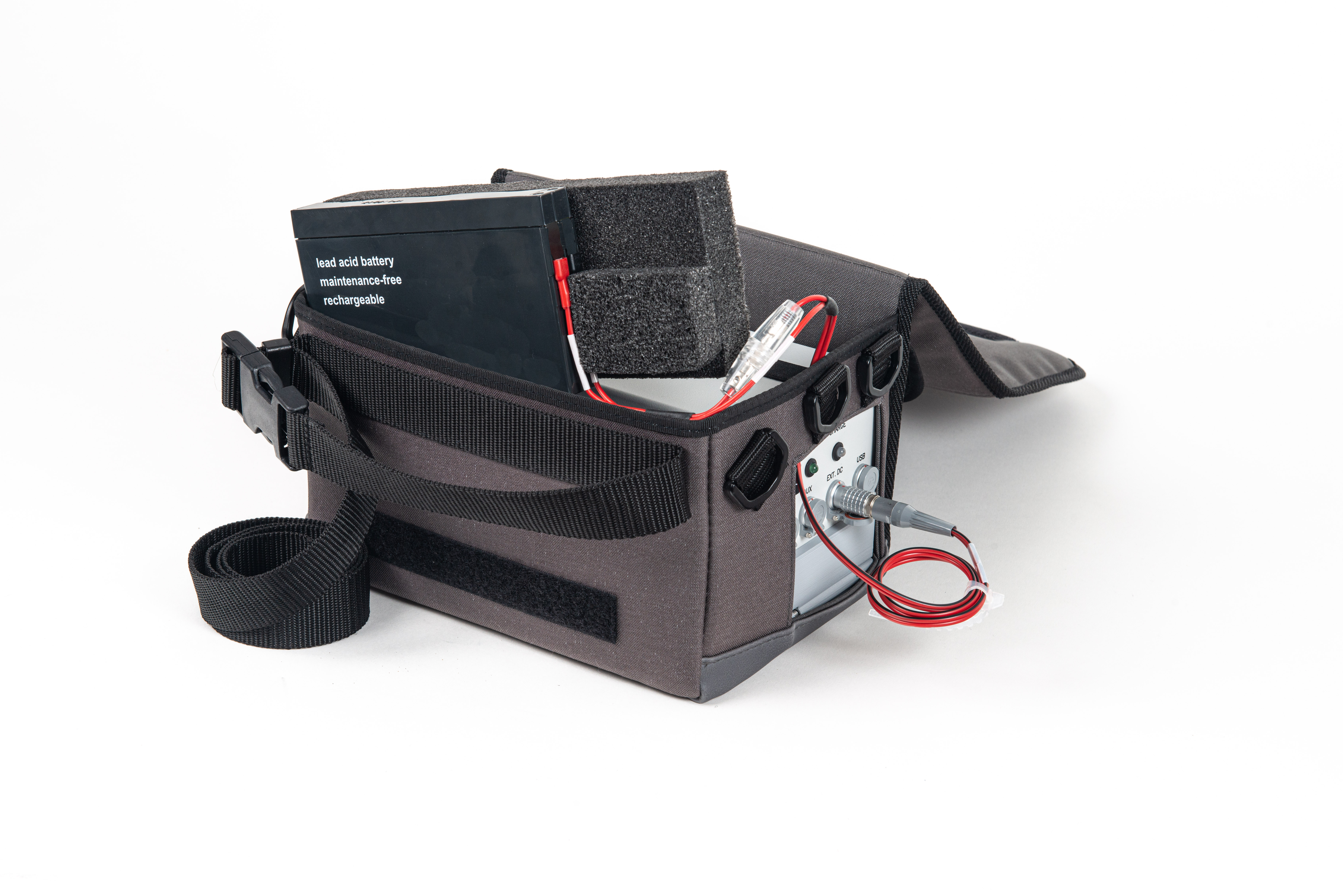
90 cm cable with fuse for over-current protection. The cable bypasses the internal battery of the PAM-2500 fluorometer and supplies voltage from an external 12 V battery directly to the electronics. External DC cable to connect 12 V battery. One red and one black (GND) blade receptacle at one end, the other end with special PAM-2500 EXT. DC plug.
90 cm
45 g
Lightweight tripod for mounting measuring units
Adjustable between 24 cm and 87 cm
42 cm x 7 cm x 7 cm (L x W x H)
550 g
Stable tripod for mounting the Standard Measuring Head 3010-S, the tripod fits into the GFS-3000 transport box
54 cm – 130 cm
55 cm x 12 cm x 8 cm (L x W x H)
1050 g
Tablet PC, dust tight and protected against powerful waterjets (IP66), Windows 11 Pro (64 Bit), PamWin-4 software installed, Intel® Pentium® Gold 8500 processor, 8 GB DDR4L RAM, 128 GB NVMe SSD; 8.0″ (1280 x 800 pixels) sunlight readable capacitive multi-touch LCD display, Li-Ion battery (3.8 V, 3600 mAh, 8 hours operating time)
USB 3.2 Gen 2, Wi-Fi 6E AX211 (802.11 ax), Bluetooth® V5.2
-20° C to +60° C, humidity up to 95% non-condensing
22.7 cm x 15.0 cm x 2.1 cm (L x W x H)
880 g
PamWin-4 Software
General Features and Graphical User Interface
The “field screen” of the PamWin-4 software serves mainly for outdoor operation where ease and simplicity of instrument control is important. The elements of the field screen are easily accessible via the touch screen display of an optional ultra-mobile PC. The “advanced” level interface gives the user full control of the instrument for more elaborate experiments.
Advanced Level User Interface
The advanced level user interface of the PamWin-4 software includes saturation pulse analysis, recording of µs fluorescence kinetics, and a wide range of graphical and analytical features. The parameters defining fluorescence induction curves and light curves can be easily programmed in a special settings window.
Programming
Using the script file feature of the PamWin-4 software, custom-designed experiments can be carried out by simply clicking the Start button. Script files can execute complex experimental protocols with a precision that cannot be achieved manually.
A special graphical user interface (fast trigger settings) is provided for fast kinetics programming. The interface permits switching of light sources with 2.5 μs time resolution. High signal quality can be obtained even with noisy signals by fast kinetics averaging.


Usage
Highlights
- The fastest portable chlorophyll fluorometer available - 10 µs time resolution
- Combined saturation pulse analysis and OJIP fluorescence in one instrument
- Blue and red actinic light plus strong far-red LED
- High sensitivity for leaves, lichen, algae suspensions, and cyanobacteria
Downloads
- Software: PamWin 4 04c Software
- Sample Data: SampleDataPam2500.zip
- Product Information: PAM-2500 Flyer