PHYTO-PAM-II
Multiple Excitation Wavelength Phytoplankton & Photosynthesis Analyzer


What Does the PHYTO-PAM-II Do?
Natural water contains a mixture of different algae. Standard fluorometers measure them all together as one signal. The PHYTO-PAM-II goes further: it separates the contribution of up to four algal groups within one sample and analyzes their photosynthetic performance individually.
This is possible because different algae groups have different light-harvesting pigments. By exciting the sample with five different wavelengths (440, 480, 540, 590, 625 nm), the PHYTO-PAM-II generates a fluorescence excitation spectrum that is unique to each group. The built-in software uses reference spectra from pure cultures to deconvolute the mixed signal - automatically, in real time.
Ultra-Sensitive Photomultiplier Detection
The PHYTO-PAM-II uses a photomultiplier detector that reaches sensitivity levels down to 0.1 µg Chl a/L, which is typical for oligotrophic lakes and open ocean water. This means the instrument works with natural, unprocessed water samples without the need for pre-concentration.
Different versions for various applications

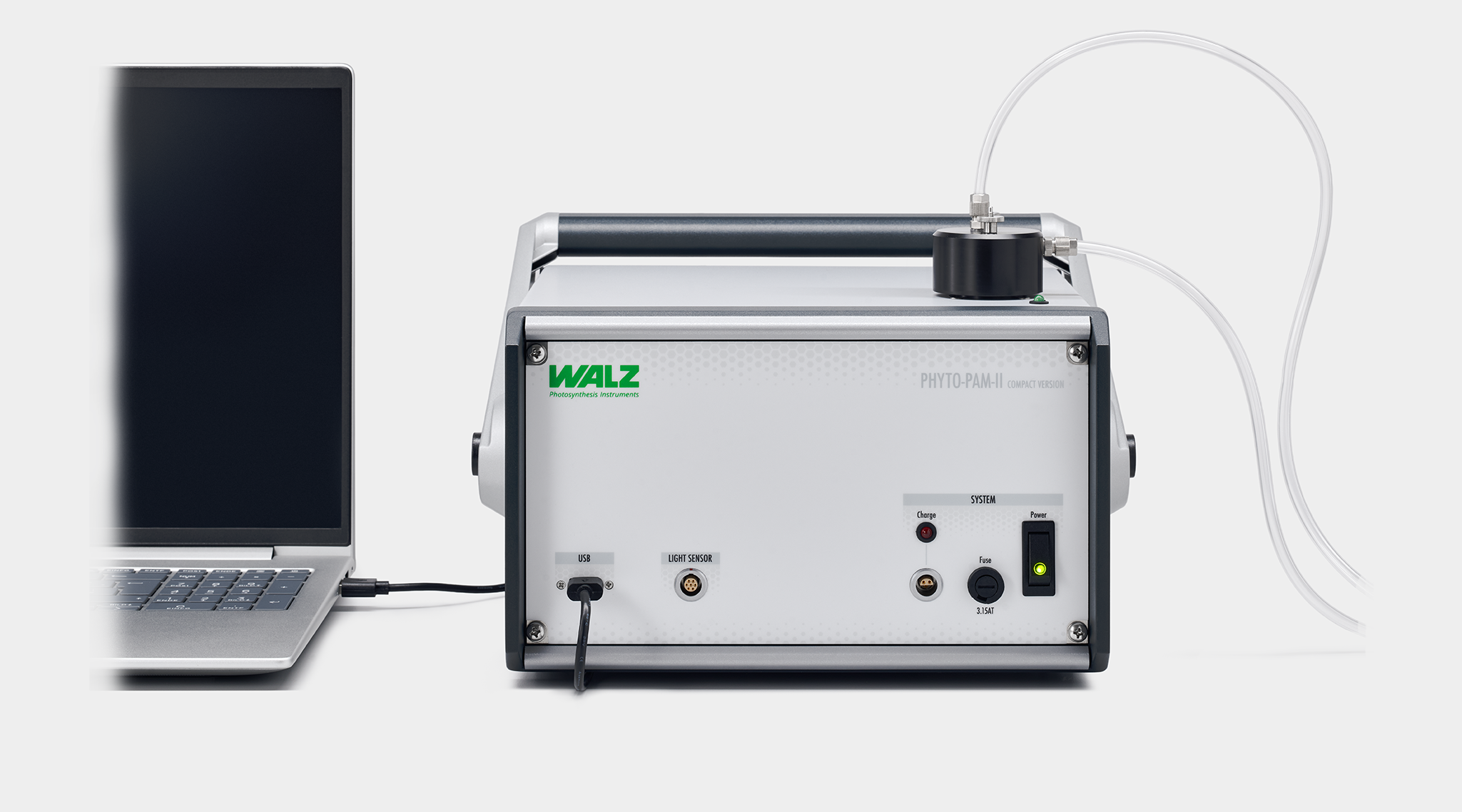
Integrates all components in a single housing. Lightweight, battery-powered, and ideal for fieldwork and on-deck use.
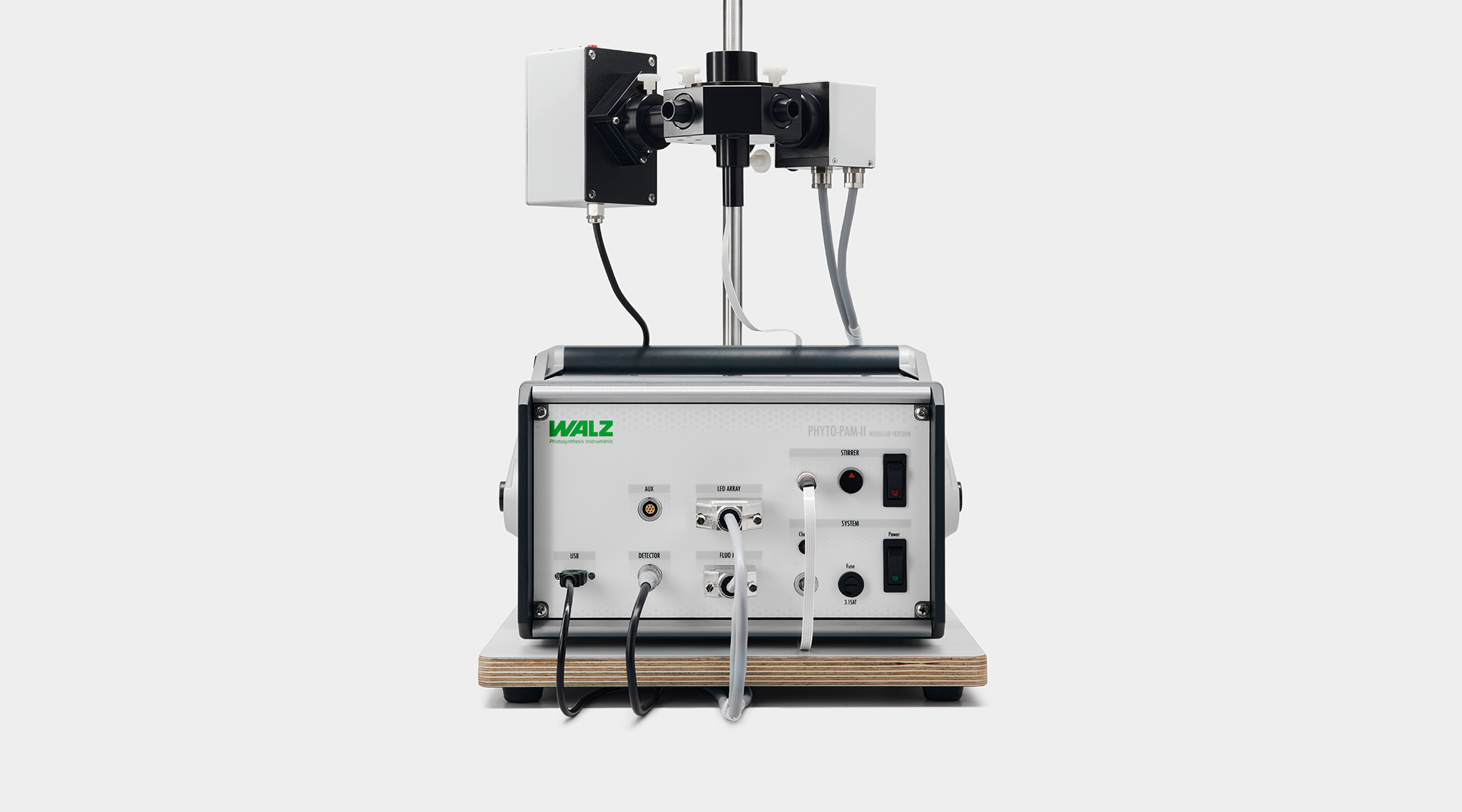
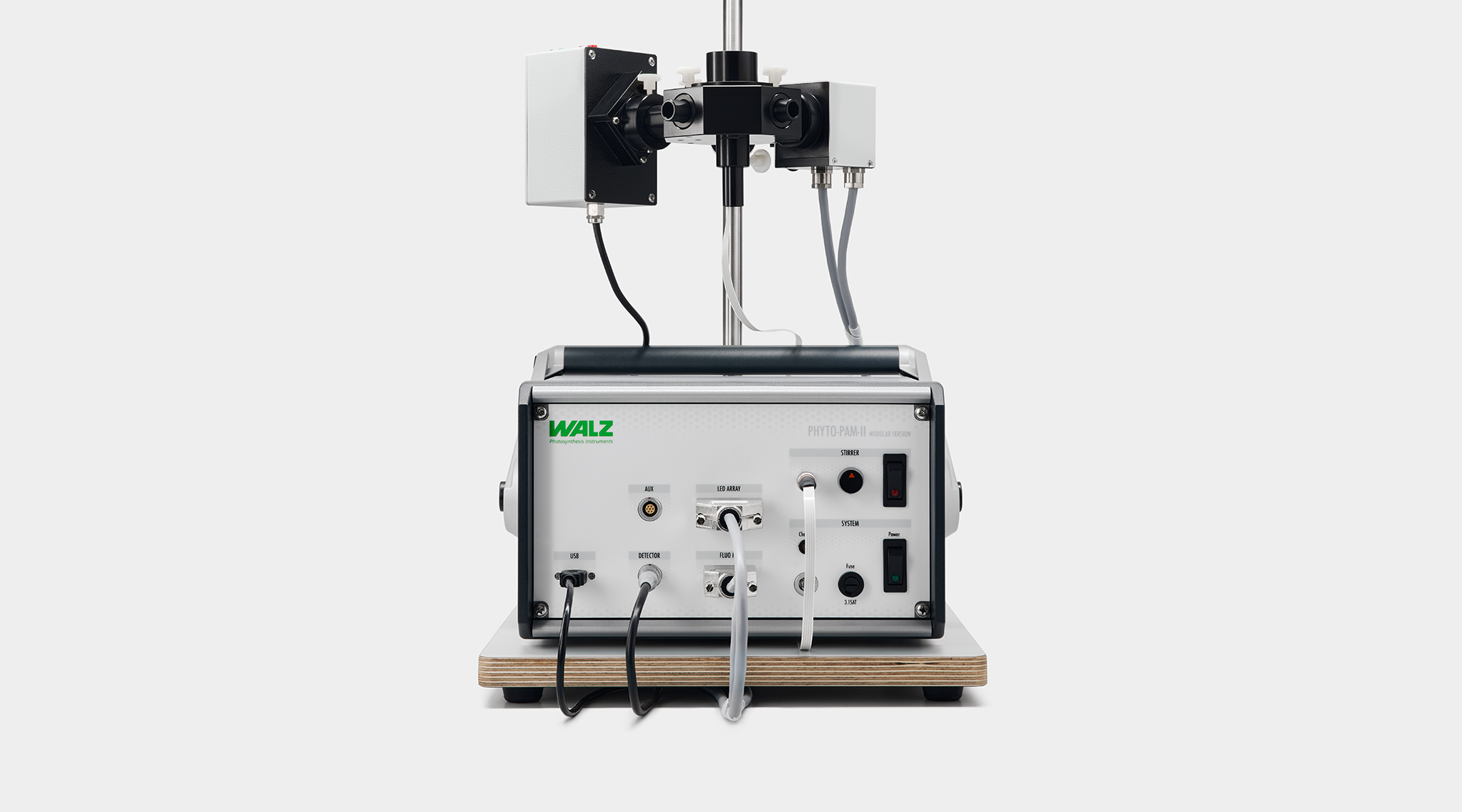
Separates emitter, detector, and control unit around an open optical unit. This allows custom filter sets, temperature control, and additional optical ports - designed for advanced laboratory applications.
Comprehensive Photosynthesis Analysis
Beyond composition, the PHYTO-PAM-II provides a full PAM fluorescence analysis for each algae group: saturation pulse quenching analysis, effective PSII quantum yield, light response curves, and induction curves. A fast kinetics mode also allows determination of the wavelength-dependent PSII absorption cross section (σII) for single cultures.


Scientific Publications using Walz Devices
Source: Google Scholar.
Keywords: (Walz OR Waltz) Effeltrich.
Date: June 22, 2026.
Ʃ = 19642
Source: Google Scholar.
Keywords: (Walz OR Waltz) Effeltrich.
Date: June 22, 2026.
Ʃ = 19642
Selected Publications
Influence of temperature and nutrients on the inhibitory effects of the submerged macrophyte Egeria densa on the growth and saxitoxin prouduction of the cyanobacterium Raphidiopsis raciborkii
Journal of Applied Phycology 37: 1967-1980
Homeostatic response of calcium and potassium ions in Microcystis spp. and Chlorella to MC-LR
Ecotoxicology and Environmental Safety 304: 119144
Study on the treatment of livestock and poultry wastewater using algae-bacteria symbiotic system: effect of inoculation proportion and performance
Environmental Technology 46: 2597-2614
Competition for light color between marine Synechococcus strains with fixed and variable pigmentation
Applied and Environmental Microbiology 91
The ability of hydrogen peroxide (H2O2) to degrade saxitoxin-, microcystin-, anatoxin-, and non-toxin-producing strains of the harmful cyanobacterium Dolichospermum
Journal of Environmental Management 387: 125696
Application of a dynamic energy budget model to the blood clam, Tegillarca granosa, reared in culture pond
Aquaculture Reports 40: 102602
Comparative analysis of microalgae's physiological responses to fibrous and layered clay minerals
Biology 14: 647
Nitrogen excess induces cytokinesis arrest and alters lipid metabolism in the bloom-forming desmid Cosmarium tinctum
Water Research X 28: 100394
The harmful cyanobacterium Microcystis aeruginosa differently affects the growth rate and photosynthetic efficiency of several species of marine phytoplankton
Environmental Microbiology Reports 17: e70091
Impact of nutritional history, prey quality, and quantity on grazing and photophysiological responses in the mixoplanktonic dinoflagellate Karenia brevis
Limnology and Oceanography 70: 2603-2617
The Great Lakes winter grab: limnological data from a multi-institutional winter sampling campaign on the Laurentian Great Lakes
Limnology and Oceanography Letters 10: 37-61
Eco-friendly novel algicidal efficiency of Streptomyces erocidicus JXJ-0089 against harmful algal bloom of Microcystis aeruginosa MDEG1
Egyptian Journal of Aquatic Biology & Fisheries 29: 945-961
Impact of thermal fluctuations on phytoplankton: an experimental multi-trait analysis across species
Journal of Plankton Research 47: fbaf021
The effects of temperature and sulfamethoxazole on the growth and photosynthetic characteristics of Phaeodactylum tricornutum.
Marine Pollution Bulletin 200: 116122
Phytoplankton diversity, spatial patterns, and photosynthetic characteristics under environmental gradients and anthropogenic influence in the Pearl River estuary.
Biology 13: 550
Targeted cultivation of diatoms in mariculture wastewater by nutrient regulation and UV-C irradiation.
Frontiers in Microbiology 15: 1371855
The carbonate system of Penzhina Bay and the Shelikhov Gulf in the sea of Okhotsk during extreme tides in summer.
Journal of Marine Science and Engineering 12: 517
Ecological investigations of giant Phaeocystis colonies in Vietnam: II. Photosynthesis – irradiance characteristics and nitrogen uptake.
Journal of Phycology 60: 1273-1284
Management of eutrophication using combined the ‘flock [&] sink’ mitigation technique and submerged plants restoration: a mesocosm study.
Environmental Research Communications 6: 055012
Ferric- and calcium-loaded red soil assist colonization of submerged macrophyte for the in-situ remediation of eutrophic shallow lake: from mesocosm experiment to field enclosure application.
Science of the Total Environment 924: 171730
Mesocosm study of PAC-modified clay effects on Karenia brevis cells and toxins, chemical dynamics, and benthic invertebrate physiology.
Harmful Algae 134: 102609
Transcriptomic insights into the shift of trophic strategies in mixotrophic dinoflagellate Lepidodinium in the warming ocean.
ISME Communications 4: ycae087
Time of day of infection shapes development of a eukaryotic algal-Nucleocytoviricota virocell.
FEMS Microbiology Ecology 100: fiae123
Temporal patterns of stream biofilm in a mountain catchment: one-year monthly samplings across streams of the Orobic Alps (Northern Italy).
Hydrobiologia 851: 2081-2097
Development of a fluorescence measurement system capable of rapid red tide monitoring.
Journal of Sensor Science and Technology 33: 30-33
Temperature-dependent mixotrophy in natural populations of the toxic dinoflagellate Karenia brevis.
Water 16: 1555
Discovery of a high-efficient algicidal bacterium against Microcystis aeruginosa based on examinations toward culture strains and natural bloom samples.
Toxins 15: 220
Ocean acidification alters the benthic biofilm communities in intertidal soft sediments.
Frontiers in Marine Science 10: 1117826
Effects of dissolved organic matter from sediment and soil samples on the growth and physiology of four bloom-forming algal species.
Ecotoxicology and Environmental Safety 263: 115266
Assessing the potential of Chlorella sp. phycoremediation liquid digestates from brewery wastes mixture integrated with bioproduct production.
Frontiers in Bioengineering and Biotechnology
In situ H2O2 treatment of blue green algae contaminated reservoirs causes significant improvement in drinking water treatability.
Chemosphere 333: 138895
Summer phytoplankton photosynthetic characteristics in the Changjiang river estuary and the adjacent East China Sea.
Frontiers in Marine Science 10: 1111557
Statewide assessment reveals spatiotemporal variability of iron in Iowa lakes.
Journal of Contemporary Water Research & Education 177: 2-16
Heatwaves, elevated temperatures, and a pesticide cause interactive effects on multi-trophic levels of a freshwater ecosystem.
Environmental Pollution 327: 121498
Acclimation to various temperature and pCO2 levels does not impact the competitive ability of two strains of Skeletonema marinoi in natural communities.
Frontiers in Marine Science 10: 1197570
Comparative assessment of algaecide performance on freshwater phytoplankton: understanding differential sensitivities to frame cyanobacteria management.
Water Research 234: 119811
In hot water: interactions of temperature, nitrogen form and availability and photosynthetic and nitrogen uptake responses in natural Karenia brevis populations.
Harmful Algae 129: 102519
Morphological, physiological, and transcriptional responses of the freshwater diatom Fragilaria crotonensis to elevated pH conditions.
Frontiers in Microbiology 13: 1044464
Seasonal phytoplankton and geochemical shifts in the subsurface chlorophyll maximum layer of a dimictic ferruginous lake.
MicrobiologyOpen 11: e1287
Antarctic lake phytoplankton and bacteria from near-surface waters exhibit high sensitivity to climate driven disturbance.
Environmental Microbiology 12: 6017-6032
Chlorophyll and phycocyanin in-situ fluorescence in mixed cyanobacterial species assemblages: Effects of morphology, cell size and growth phase.
Water Research 212: 118127
Photosynthesis and pigment production: elucidation of the interactive effects of nutrients and light on Chlamydomonas reinhardtii.
Bioprocess and Biosystems Enigineering 4: 187-201
Microalgal treatment of the effluent from the hydrothermal carbonization of microalgal biomass.
Journal of Water Process Engineering 49: 102976
Synergistic promoting effect of increasing aquatic ammonium and CO2 on Microcystis aeruginosa.
Chemosphere 301: 134553
Repeated hydrogen peroxide dosing briefly reduces cyanobacterial blooms and microcystin while increasing fecal bacteria indicators in a eutrophic pond.
Journal of Environmental Sciences 124: 522-543
Efeito da luz de LED branca, vermelha, azule e verde em parâmetros da fisiologia da cianobactéria Aphanocapsa holsatica: taxa de crescimento, producão de biomoléculas e biofixação do CO2.
Thesis Federal University of Sao Carlos
Algicidal mechanism of Raoultella ornithinolytica against Microcystis aeruginosa: antioxidant response, photosynthetic system damage and microcystin degradation.
Environmental Pollution 287:117644
Physiological responses of chlorophyta microalgae under environmentally relevant copper concentrations: biomolecules, oxidative stress and photosynthesis.
Thesis Federal University of Sao Carlos
Hydrolysis of organophosphorus by diatom purple acid phosphatase and sequential regulation of cell metabolism.
Journal of Experimental Botany 72: 2918-2932
Effect of hydrogen peroxide on natural phytoplankton and bacterioplankton in a drinking water reservoir: mesocosm-scale study.
Water Research 197: 117069
A comparison of decimeter scale variations of physical and photobiological parameters in a late winter first-year sea ice in Southwest Greenland.
Journal of Marine Science and Engineering 9: 60
In-situ rapid monitoring of phytoplankton community to investigate role of iron during cyanobacterial dominance.
PhD-thesis Iowa State University 288651060
Iron availability allows sustained cyanobacterial blooms: a dual-lake case study.
Inland Waters 11: 417-429
Absorption and speciation of arsenic by microalgae under arsenic-copper co-exposure.
Ecotoxicology and Environmental Safety 213: 112024
GPCR genes as activators of surface colonization pathways in a model marine diatom.
iScience 23: 101424
Assessment of anammox, microalgae and white-rot fungi-based processes for the treatment of textile wastewater.
PLoS ONE 16: e0247452
Interactions between microalgae and bacteria in the treatment of wastewater from milk whey processing.
Water 12: 297
Photosynthetic efficiency and nutrient physiology of the diatom Thalassiosira pseudonana at three growth temperatures.
Marine Biology 167: 124
Assessing disinfection byproduct risks for algal impacted surface waters and the effects of peracetic acid pre-oxidation.
Environmental Science: Water Research & Technology 6: 2365-2381
Rapid and positive effect of bicarbonate addition on growth and photosynthetic efficiency of the green microalgae Chlorella sorokiniana (Chlorophyta, Trebouxiophyceae).
Applied Sciences 10: 4515
Optimization of combined submerged macrophyte planting conditions for inhibiting algae by response surface methodology.
Water 12: 2093
Different ecological mechanisms lead to similar grazer controls on the functioning of periphyton Antarctic and sub-Antarctic communities.
Progress in Oceanography 174: 7-16
Cyanobacteria in eutrophic waters benefit from rising atmospheric CO2 concentrations.
Science of the Total Environment 691: 1144-1154
Mixotrophy with multiple prey species measured with a multiwavelength-excitation PAM fluorometer: case study of Karlodinium veneficium.
Journal of Plankton Research 41: 46-62
Harmful algae in Chesapeake Bay: A study focused on Karlodinium veneficum applying time series, physiological, and modeling approaches.
PhD-thesis, University of Maryland, USA
Remote sensing of albedo-reducing snow algae and impurities in the Maritime Antarctica.
ISPRS Journal of Photogrammetry and Remote Sensing 146: 507-517
Effects of sediment deposition on periphytic biomass, photosynthetic activity and algal community structure.
Science of The Total Environment 407: 5694-5700
Community-level microalgal toxicity assessment by multiwavelength-excitation PAM fluorometry.
Aquatic Toxicology 86: 49-58
Chlorophyll content and fluorescence responses cannot be used to gauge reliably phytoplankton biomass, nutrient status or growth rate.
New Phytologist 169: 525-536
Estimation of chlorophyll content and daily primary production of the major algal groups by means of multiwavelength-excitation PAM chlorophyll fluorometry: performance and methodological limits.
Photosynthesis Research 83: 343-361
Phosphate regime structures species composition in cultured phototrophic biofilms.
Freshwater Biology 49: 369-381
F0-spectra of chlorophyll fluorescence for the determination of zooplankton grazing.
Hydrobiologia 491: 145-157
Allelopathic growth inhibition of selected phytoplankton species by submerged macrophytes.
Journal of Phycology 38: 862-871
Estimation of primary production with Phyto-PAM-fluorometry.
Annual Report of the Institute of Freshwater Ecology and Inland Fisheries Berlin 13: 47-60
Chlorophyll fluorescence: New instruments for special applications
Photosynthesis: Mechanisms and Effects (Garab G. ed) Vol. V, pp. 4253-4258
Chlorophyll fluorescence analysis of cyanobacterial photosynthesis and acclimation.
Microbiology and Molecular Biology Reviews 62: 667-683
Computer-controlled phytoplankton analyzer based on 4-wavelengths PAM chlorophyll fluorometer.
Photosynthesis: From Light to Biosphere.(Mathis P. ed.), Vol. V, pp. 825-828
PHYTO-PAM-II
Photomultiplier detector
Basic operation 1.5 W, ML +AL at maximum output 4.5 W. Saturation Pulse at maximum intensity, 7 W
Base plate, 40 cm x 30 cm
73.5 cm, diameter 1.5 cm
2.8 kg
Power-and-Control Unit US-T/DR
Peltier Heat-Transfer Head US-T/DS
0.29 kg (including cable)
AC Adapter
100 V - 240 V AC 1.5 A 50-60 Hz
130 mm x 56 mm x 30 mm (L x W x H)
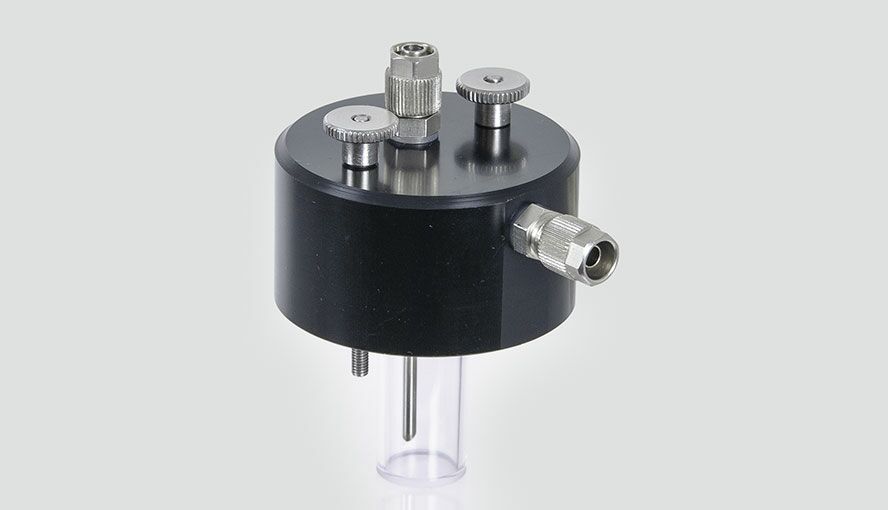
Black-anodized aluminum body with central 10 x 10 mm glass cuvette; for attachment of Measuring Heads and Miniature Magnetic Stirrer PHYTO-MS; additional ports for attachment of two additional measuring heads
750 g
Based on a device manufactures by h+p (type Variomag-Mini); featuring adapter to be mounted in the bottom port of the Optical Unit ED-101US/MD; powered and controlled by the Power-and-Control-Unit
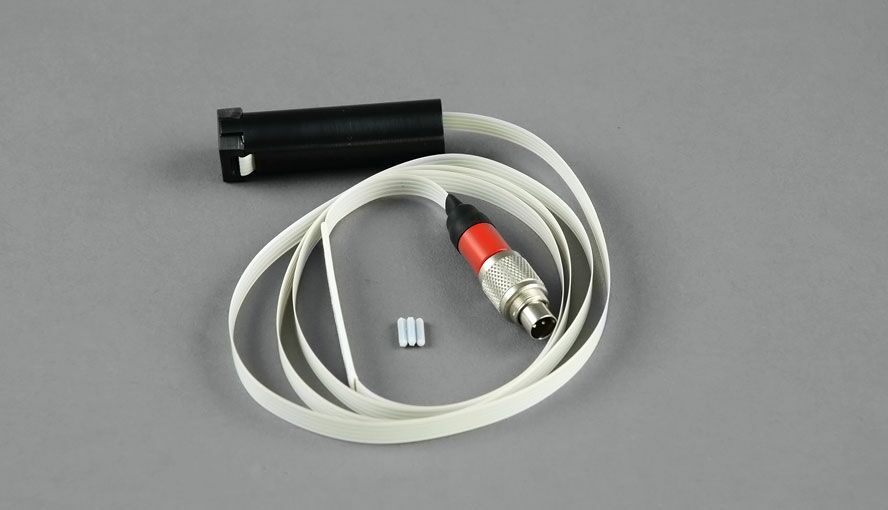
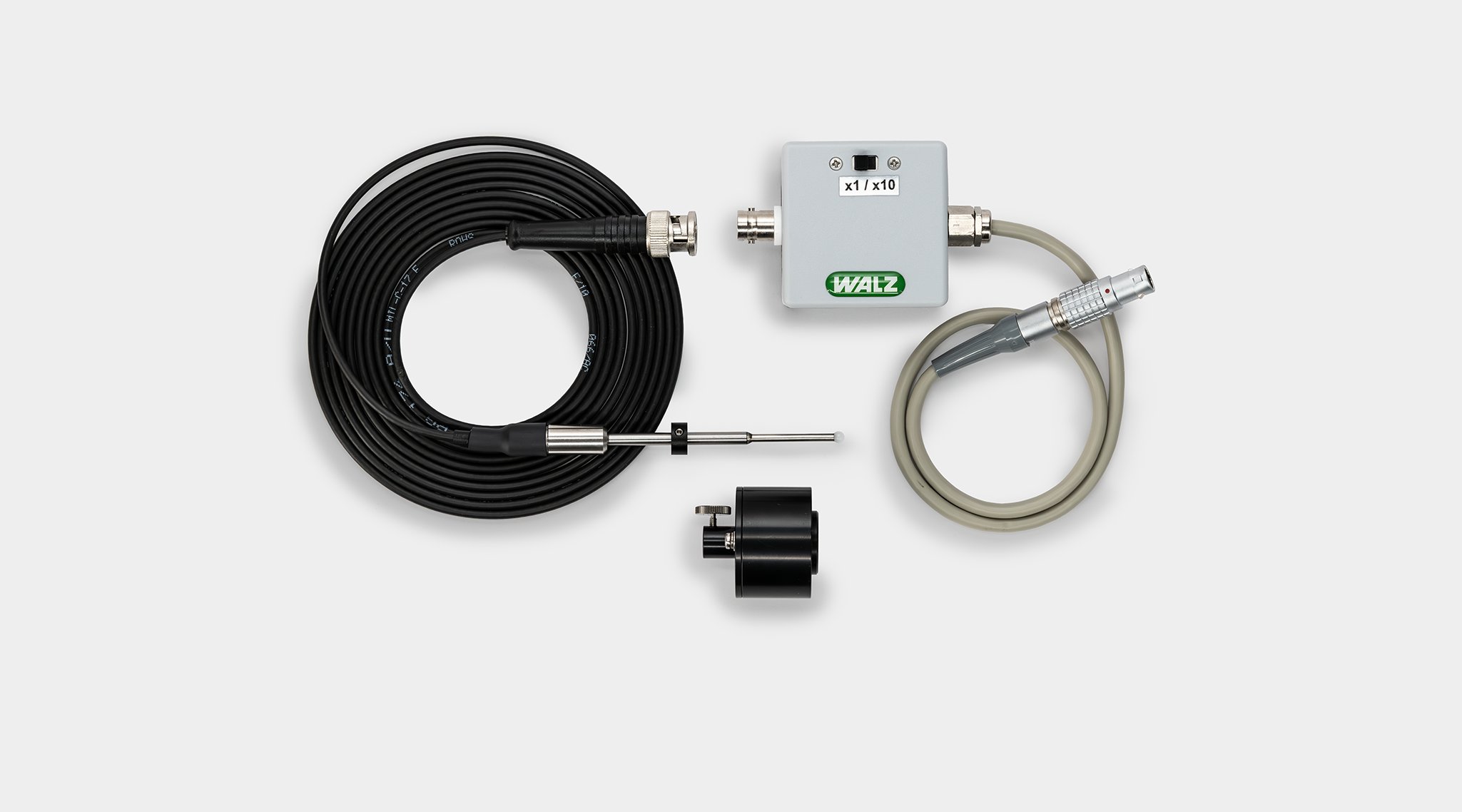
3.7 mm Ø diffusing sphere coupled to integrated PAR sensor via 2 mm diameter fiber; compact amplifier unit and special holder for mounting on Optical Unit ED-101US/MD; to be connected tot the Power-and-Control Unit
Aluminium box with custom foam packing for PHYTO-PAM-II and accessories
60 cm x 40 cm x 35 cm (l x w x h)
5 kg
Aluminium box with custom foam packing for PHYTO-PAM-II and accessories
60 cm x 40 cm x 35 cm (l x w x h)
6 kg
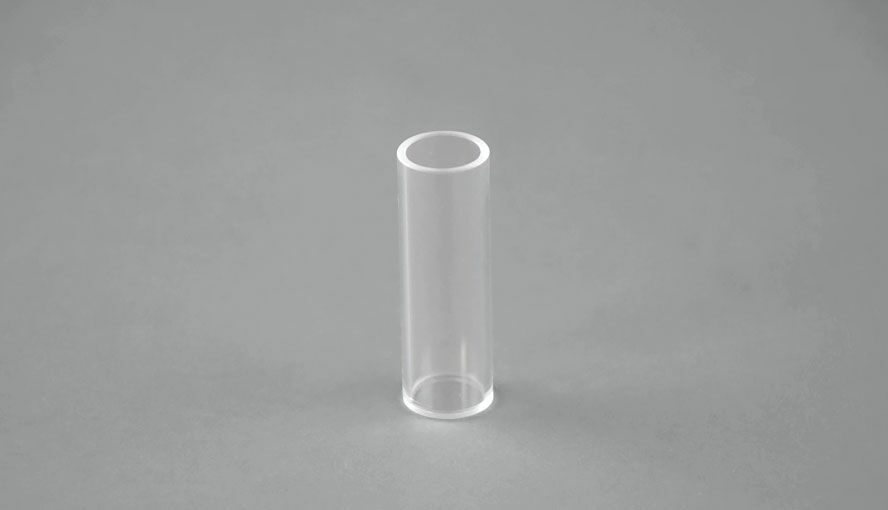
Suspension cuvette
WATER-PAM, DUAL-PAM-100,
ULM-500 (AUX), PAM-2500 and MINI-PAM (instead of Leaf Clip Holder 2030-B or 2060 M)
Same as Leaf Clip Holder 2030-B Includes hood for suspension cuvette, amplifier for aux input of PAM Control
0…2.5 V DC / 0…1000 μmol m-2 s-1 or 0…2.5 V DC / 0…20.000 μmol m-2 s-1 Power
Provided by connected instrument
Sensor: Diameter 1 cm
Length: 11 cm
Hood: Diameter 3.4 cm height: 3.2 cm
Amplifier: 5 x 5 x 5 cm (W x L x H)
175 g
Accessories
Magnetic stirrer driven by a rotating magnetic field; the PHYTO-MS is connected to Power-and-Control Unit PHYTO-II-C; a special adapter plug allows the insertion in the bottom port of the Optical Unit ED-101US/MP
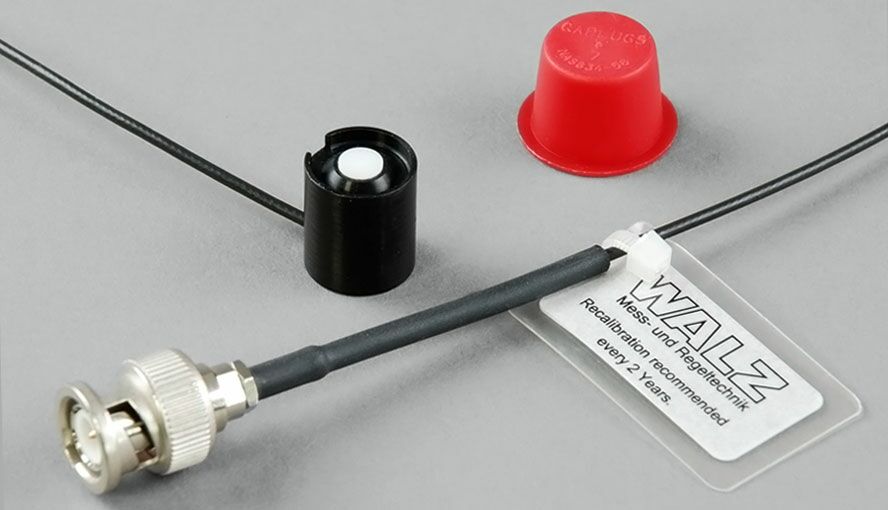
Cylindrical housing with 14 mm diameter, height 16 mm. Diffuser diameter: 5 mm, 3 m cable and BNC connector
PhytoWin-3 Software
PHYTO-PAM-II Operation Software
General Features and Graphical User Interface
PhytoWin-3 is the dedicated control and data analysis software for PHYTO-PAM-II instruments. Designed to run on Windows PCs, it provides full operational control of the instrument and supports the setup, execution, and analysis of various fluorescence measurement protocols.


The nine software tabs are:
Channels: Raw data, fluorescence data at 5 different excitation wavelengths
Settings: Control tab for settings such as measuring pulse frequency, actinic intensity, saturation pulse width and intensity, clock interval, etc.
Algae: Deconvoluted fluorescence data for cyanobacteria, green algae, diatoms/dinoflagellates and phycoerythrin-containing organisms (e.g. cryptophytes) based on reference excitation spectra; user interface for Chl a determination
Light Curve: Graphic display of light response curves; effective quantum yield and relative electron transport rate (ETR) as a function of PAR, Curve fitting based on a modified Eilers & Peeters (1988) or Platt (1980) model
Slow Kinetics: Graphic display of slow kinetics recorded in the SP-analysis mode
Report: Shows all the measured data and instrument settings stored, export of data for other programs
Reference: Recording and display of reference excitation spectra of cyanobacteria, green algae, diatoms/dinoflagellates and phycoerythrin-containing organisms
Fluo Spec: Display of measuring light characteristics and non-normalized reference excitation spectra
Fast Kinetics: Control and graphical display of fast kinetics analysis providing information on the wavelength-dependent absorption cross-section of PS II, σII(λ)
Free software updates will keep your instrument always up-to date on latest developments.
PhytoWin-3 cannot be used to operate first generation PHYTO-PAM instruments.
PhytoWin Software
Operation Software for the FIBER Version of the PHYTO-PAM
FIBER Version instruments belong to the first generation PHYTO-PAM, which are controlled by PhytoWin software on a Windows PC. Please note that these four-wavelength PHYTO-PAM models are not compatible with PhytoWin-3 software.
PhytoWin provides a user-friendly interface with seven dedicated tabs—Channels, Algae, Report, Light Curve, Settings, Reference, and Delta F—that support both the visualization and analysis of raw and processed fluorescence data. These modules allow for a comprehensive evaluation of photosynthetic parameters and phytoplankton group composition of up to three algal groups.


Usage
Highlights
- Detailed differential analysis of photosynthetic performance across four algal groups
- Five measuring light wavelengths, six actinic light colors, and FR illumination
- High sensitivity fluorescence detection for even extremely dilute phytoplankton suspensions such as natural water samples
- Sample specific determination of the functional antenna size of PS II
Downloads
- Manuals & Documentation: PHYTO-PAM-II Manual
- Software: PhytoWin V3 t99q Software
- Product Information: PHYTO-PAM-II Brochure