GFS-3000
Portable gas exchange fluorescence system
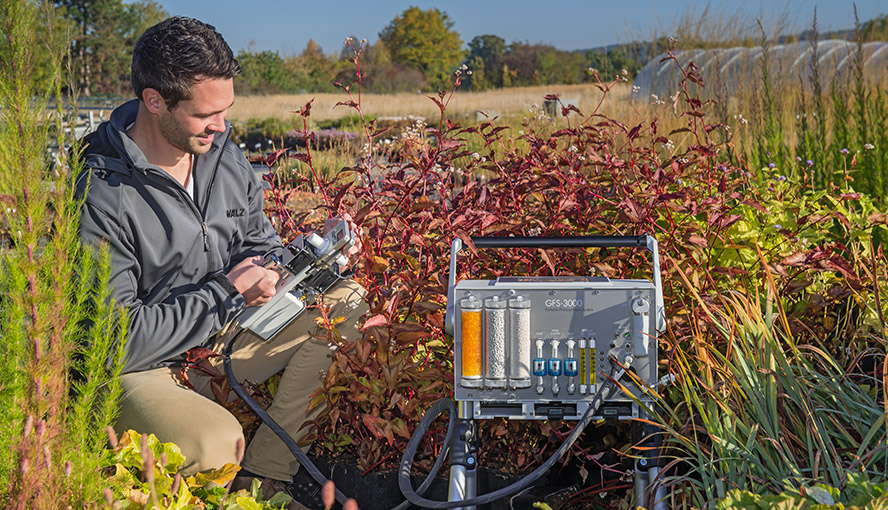

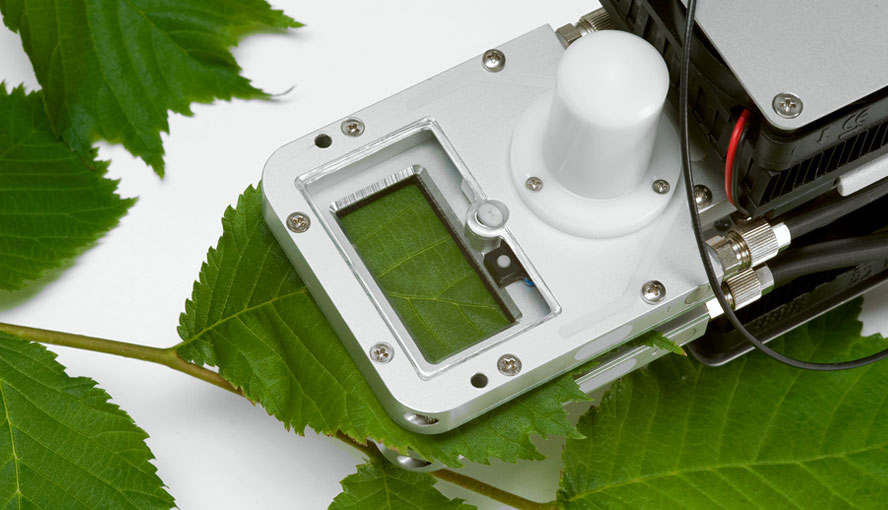
Gas exchange measurements rely on the basic principle that changes in CO2 and H2O concentrations are determined when air passes through a climate controlled chamber containing a plant sample. The GFS-3000 is suitable for controlled laboratory settings as well as demanding field conditions. The GFS-3000 perfectly complements with other Walz systems giving access to numerous aspects of photosynthesis research.
The Portable Gas-Exchange and Fluorescence System GFS-3000 enables wide range climate control. All environmental parameters relevant for plant photosynthesis (CO2, H2O, temperature, light, ventilation and flow) can be controlled automatically and over the full physiological range. Optional fluorescence modules further expand the system’s capability. Experimental protocols for automatic light-curves or automatic CO2-curves can be easily programmed.
Main Components of the Basic System Package GFS-3000
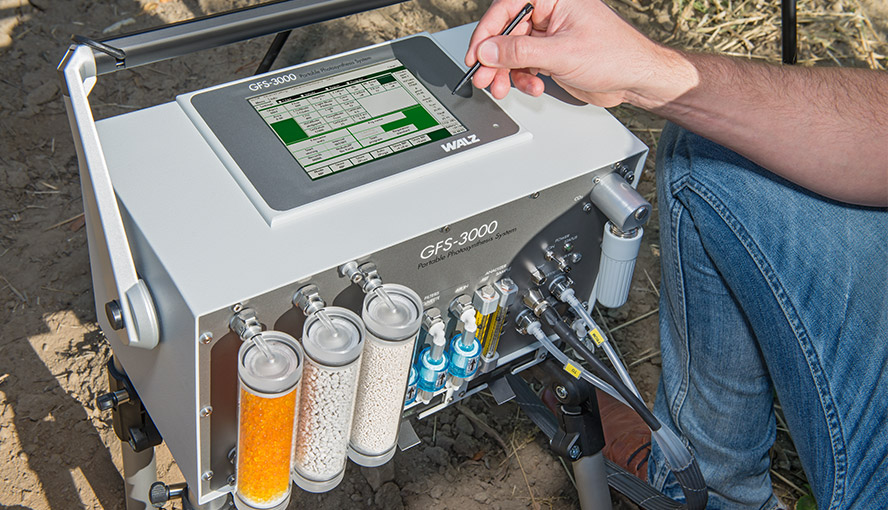
- Control Unit 3200‐C containing the CO2 and H2O analyzer, as well as all components required for the CO2, H2O and flow control
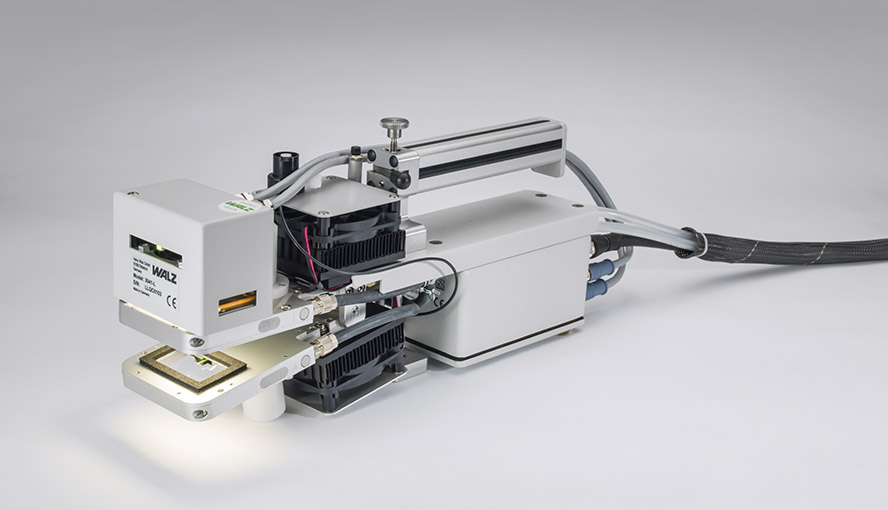
- Standard Measuring Head 3010‐S featuring high application flexibility containing the ventilation system, temperature and light control
- LED Light Source 3041-L with warm white LED array providing up to 10 cm2 homogenous illumination
- AC Power Supply 3200‐N for laboratory use
- Four Li-ion eSMART Batteries 98 Wh for field work. Li-ion eSMART Quad Charger for simultaneous recharging of up to four eSMART batteries.
Optional Components and Accessories of the GFS-3000
- LED‐Array/PAM‐Fluorometer 3057‐FL for illumination of the leaf area and fluorescence measurements
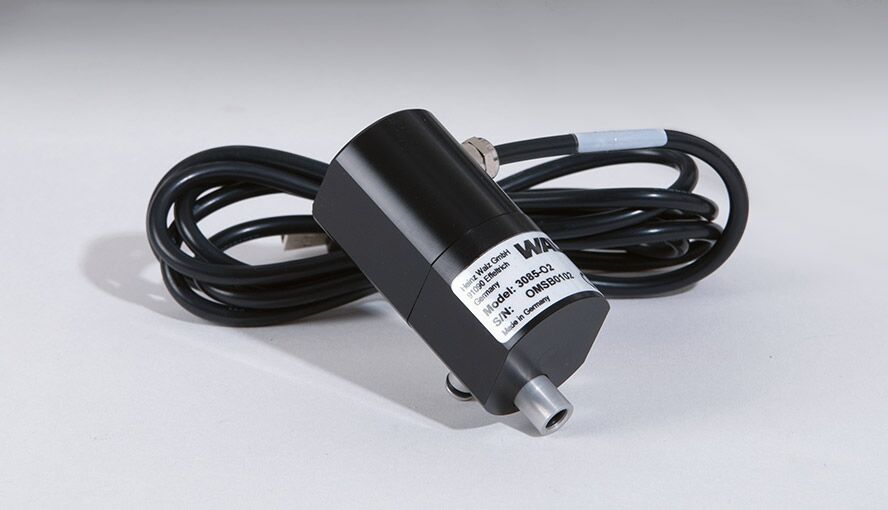
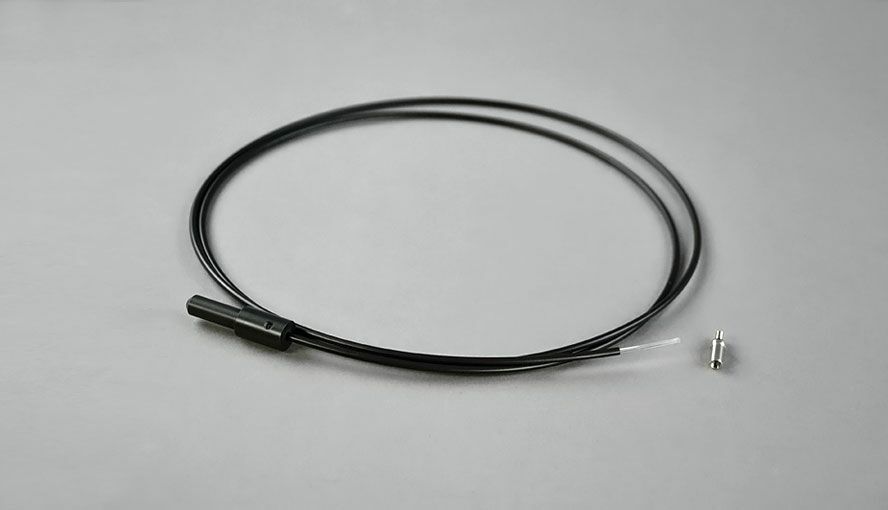
- Fiberoptics PAM‐Fluorometer 3050‐F to analyze fluorescence in sunlight
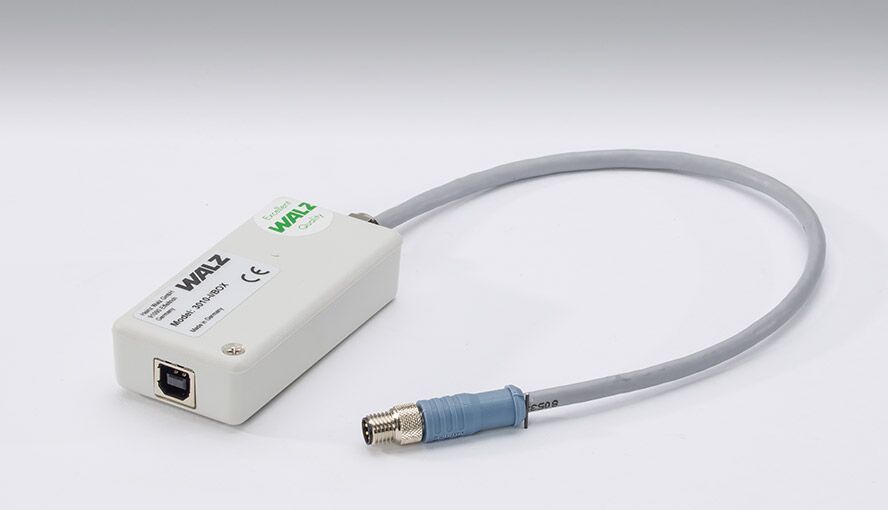
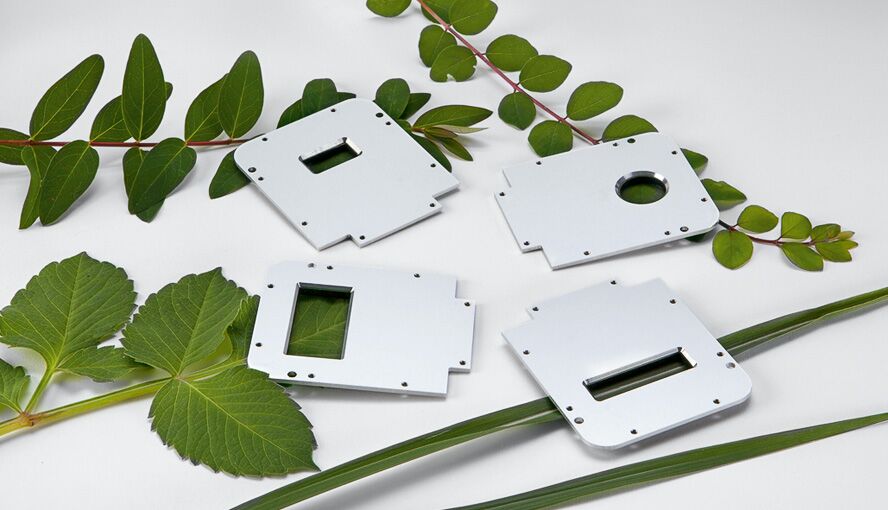
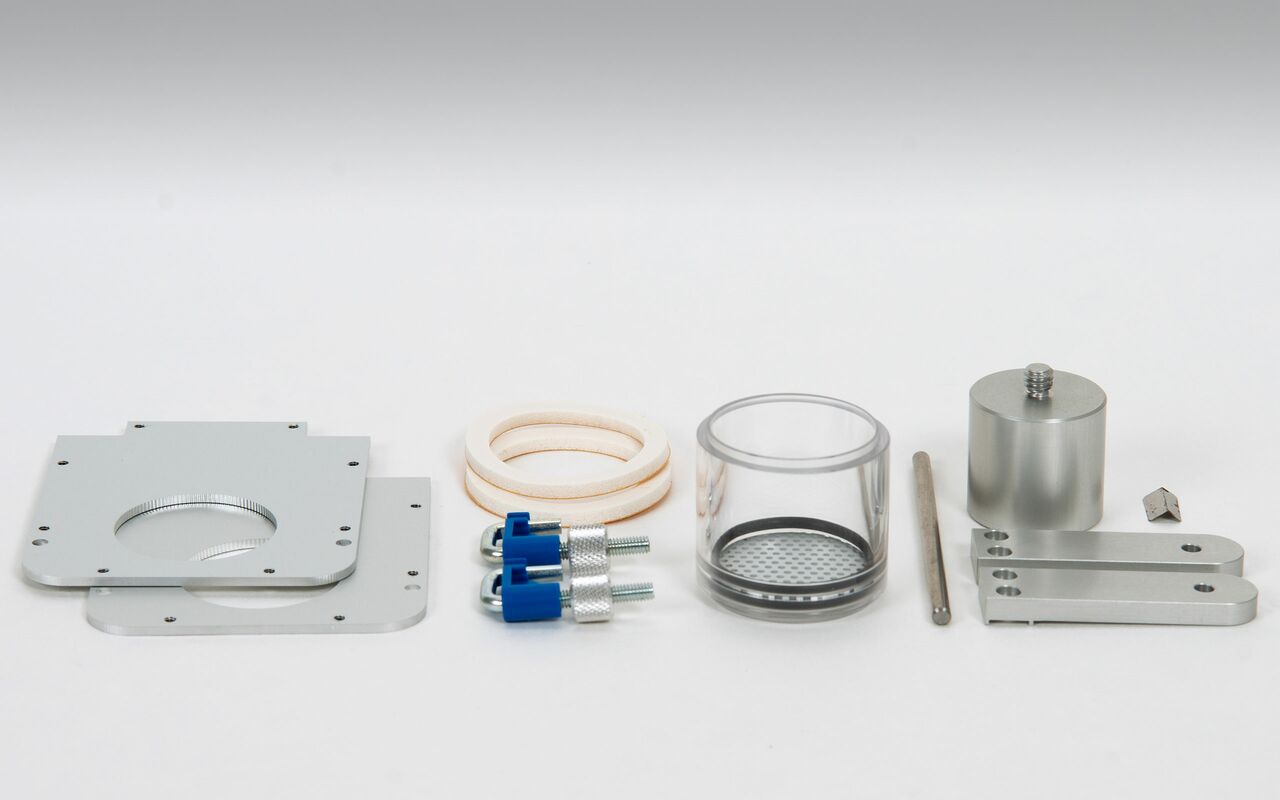
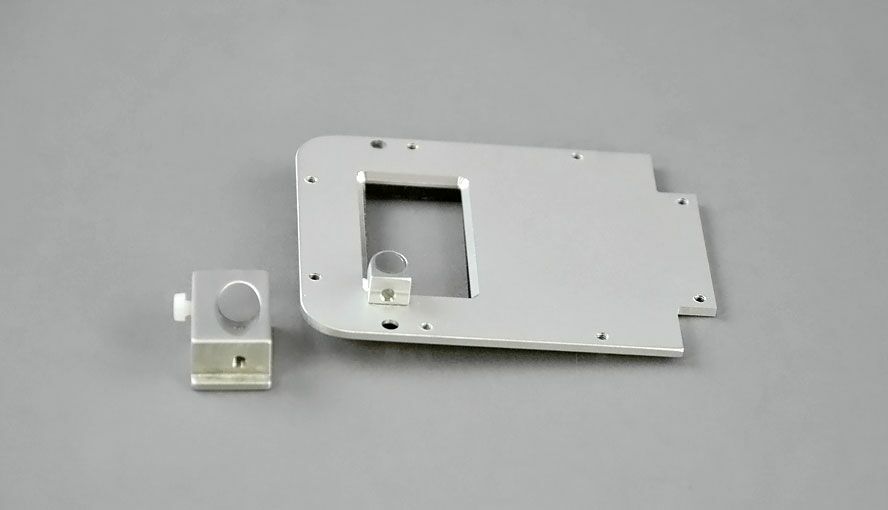
- Miscellaneous accessories such as cuvettes and adapter plates offering user‐specific application options
- Accessories for product combinations with other Walz systems
- Modifications on customer request
Modified System Package GFS-3000FL
The modified system package GFS‐3000FL contains the LEDArray/PAM‐Fluorometer 3057‐FL instead of the LED Light Source 3041‐L. All other components remain the same as in the basic system package GFS‐3000. In terms of price, GFS‐3000FL offers an interesting option to combine gas exchange and fluorescence measurements.
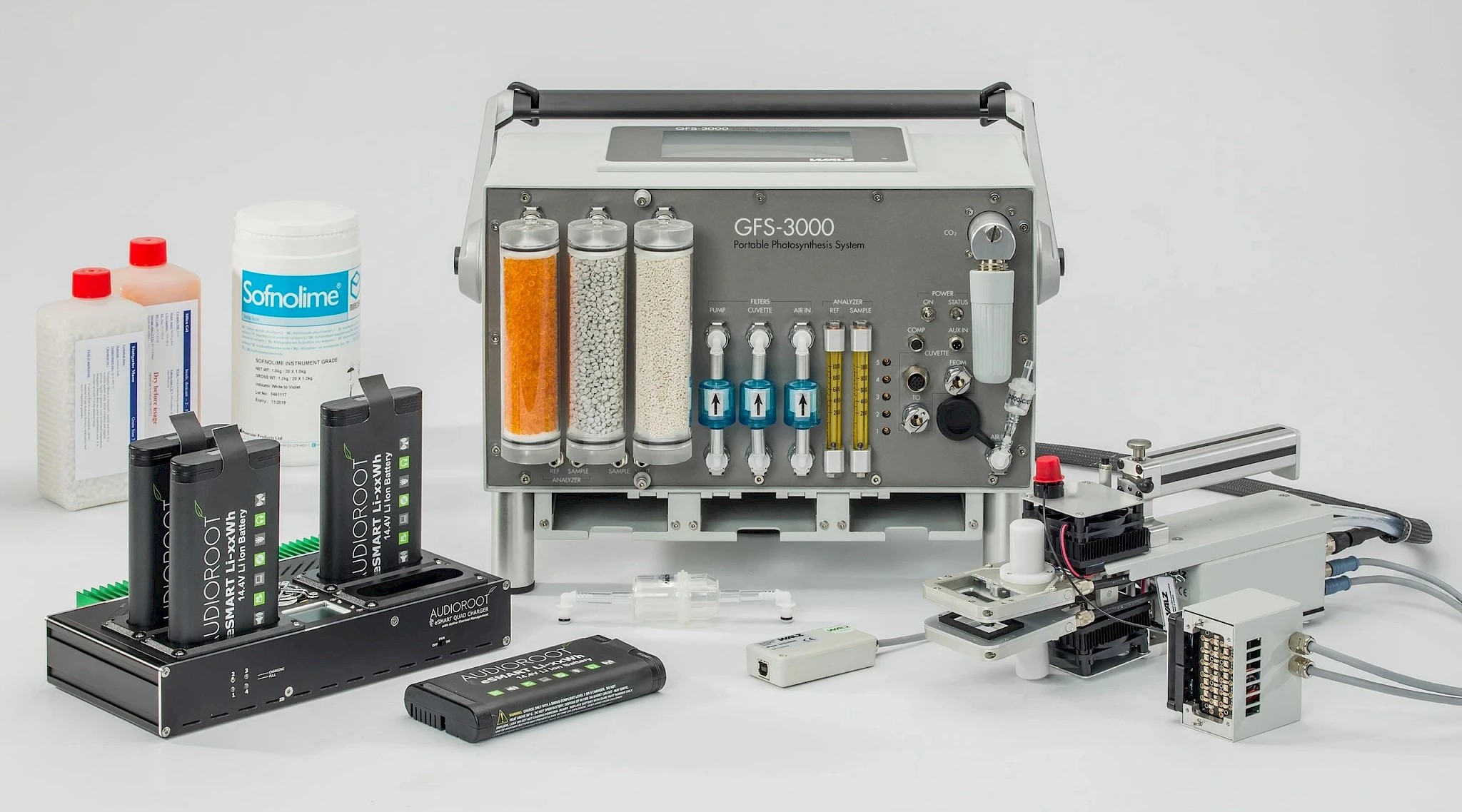
GFS-3000: Control-Unit 3200-C
The Control-Unit 3200-C contains the CO2 and H2O analyzer, as well as all components required for the CO2, H2O and flow control.
Gas Analyzer
The Control Unit 3200-C of the GFS-3000 contains a high accuracy non-dispersive 4-channel infrared gas analyzer for the determination of CO2 (0-3000 ppm) and H2O (0-75000 ppm) with 20 cm optical path length, 6 ml gold plated cells. The specially developed dualfrequency chopper technology allows simultaneous assessment of differential and absolute signal. The analyzer is optimized for a very stable and accurate differential signal. The differential zero is indicated, allowing clear information about the stability of the measurement. Due to the separation of analyzer and measuring head, the measuring head temperature does not influence the analyzer.


CO₂ Control
The integrated CO2 control ranges from 0 to 2000 ppm CO2. The CO2 supply can be filled from cartridges. One cartridge contains 8 g, and provides CO2 (340 ppm, standard flow rate) continuously for more than 48 hours. The actual CO2-reserve is indicated. Alternatively an external CO2-cylinder equipped with pressure reducer (6 bar) can be directly attached to the control unit.
Flow Control
Air flow through the cuvette is exactly adjusted between 300-1400 μmol s-1 by a membrane pump controlled by a high precision electronic mass flow-meter. The mechanical flow indicators directly show flow balance and cuvette tightness.
Humidity Control
The humidity control for drying and humidifying ranges from 0 to nearly 100% r.h. It consists of a drying and humidifying column and an automatic valve.
Power
The Control Unit 3200‐C can be operated using various power solutions such as as Li-ion eSMART Battery 98 Wh, AC Power Supply 3200-N or car batteries (12-24 V; 3200-C/BC) The new lightweight Li-ion eSMART Battery 98 Wh provides trouble free shipment combined with the advantages of a high performance battery. Four eSMART batteries can be charged simultaniously in the provided Li-ion eSMART Quad Charger.
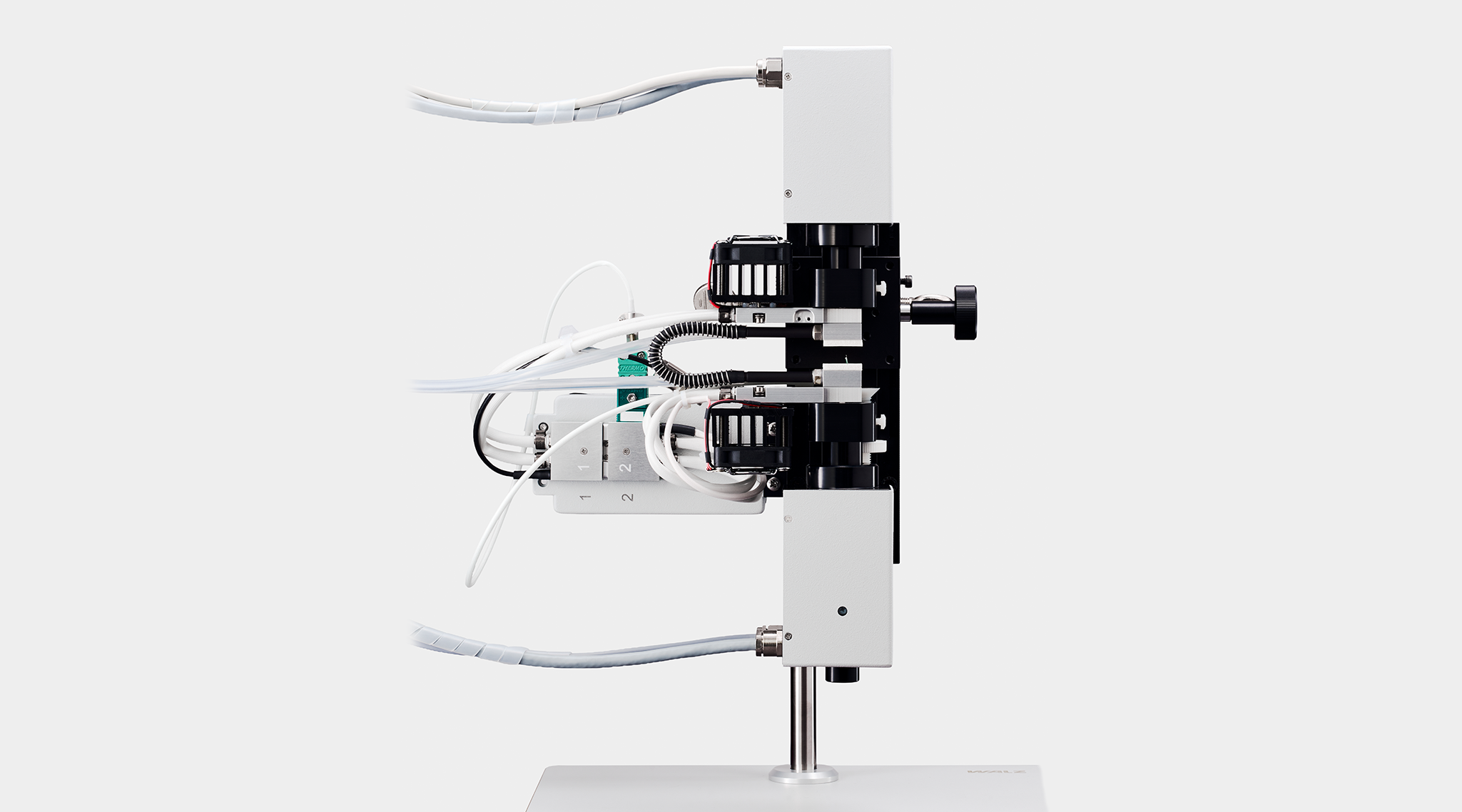
Standard Measuring Head 3010-S
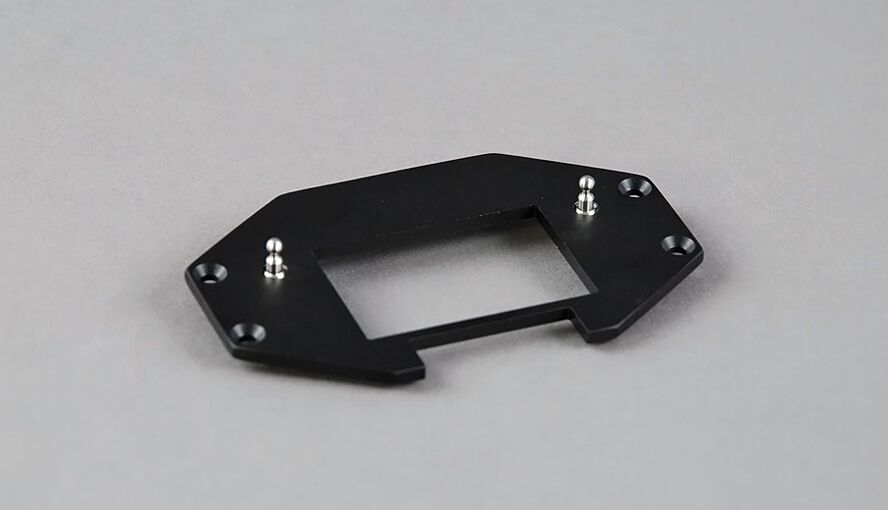
The design of the 3010-S offers maximum flexibility. The measuring area can be adapted with special plates; the cuvette can be modified for conifers, lichens, Arabidopsis plants or specific requirements.
General Features
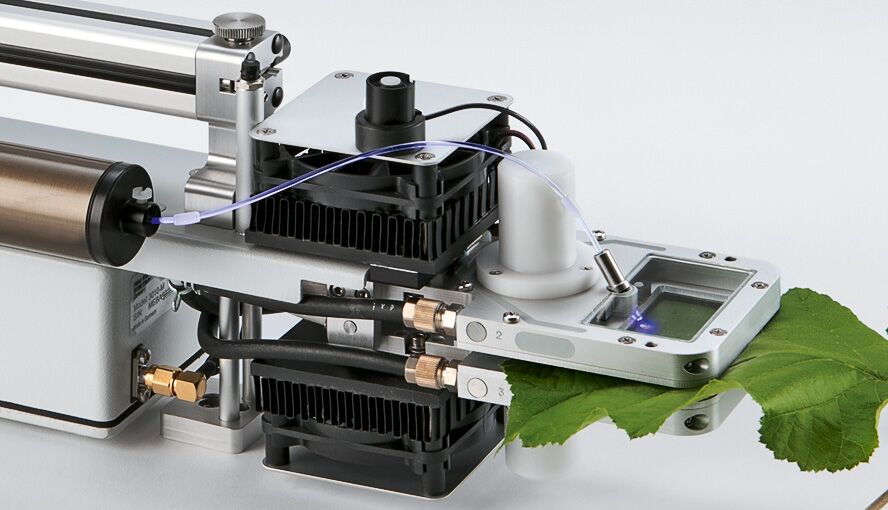
The Standard Measuring Head 3010-S features a clamp-on cuvette with a large measuring area of up to 10 cm2 and a convenient closing mechanism. The symmetrical construction allows separate assessment of upper and lower leaf surface. 3010-S provides wide temperature-, light- and ventilation-control as well as a trigger button for the manual start of a user program.
Flexibility
The configuration of 3010-S can be changed easily requiring only a few accessories. The measuring area can easily be modified with area adapter plates. Additional flexibility is provided by various cuvettes e.g. for conifers or lichens/ mosses or a small chamber for the analysis of the complete above‐ground part of Arabidopsis plants. The circuitry for the temperature and light control, the ventilation system and the sensor electronics are located in a detachable electronics box and can be used for self‐built measuring chambers.


Temperature
The 3010-S has four temperature sensors: One Pt100 sensor per each cuvette half, a thermocouple for leaf temperature and a Pt100 for the external temperature.
The temperature control can be switched between three modes: Constant cuvette temperature, constant leaf temperature, or temperature variation parallel to ambient temperature regime with an adjustable offset. The last mode is especially well suited to assess plant responses in future temperature regimes. Due to the high performance elements of temperature control, the cuvette temperature can be decreased by up to 10 K. Maximum temperature reached is 50 °C.
Ventilation
Both sides of the 3010-S feature a high-speed impeller for effective ventilation of the air surrounding the leaf.
Ease of Interchangeability
Each measuring head contains its own calibration data, and can be freely exchanged between systems.
Light
The 3010-S has three sensors for photosynthetic active radiation (PAR): One cosine corrected Mini Quantum Sensor MQS-B/GFS, located on top of the measuring head, and two additional sensors located inside each cuvette half. Light can be provided with the LED Light Source 3041-L to the upper or lower side of the cuvette. The light control can be either set to a constant PAR level from 0 up to ca. 3000 μmol m-2 s-1 or to track the ambient PAR. Additional PAM measurement-options are supplied by the LED-Array/PAM-Fluorometer 3057-FL.
Data Storage
The trigger-button serves to store measuring points or starts a user program, while holding the measuring head.
Accessory: Dark Leaf Clips 3010-DLC
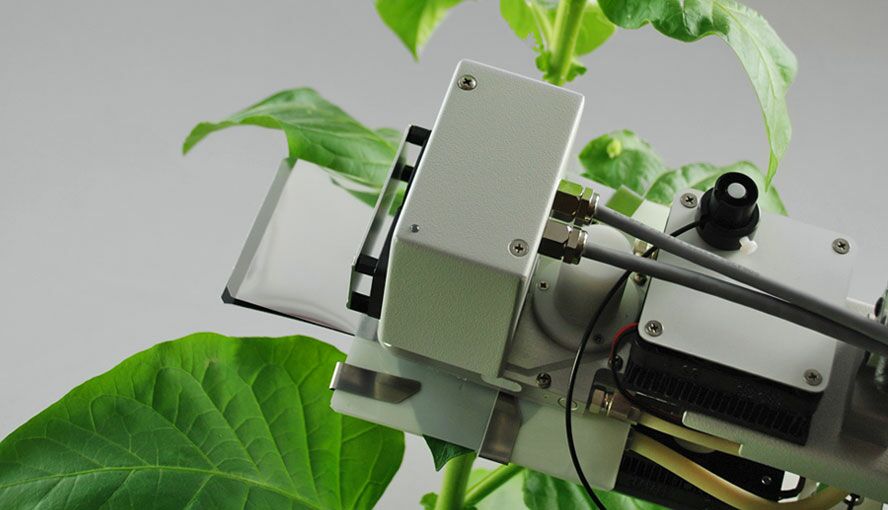
For the determination of the maximum fluorescence signal (Fm), the leaf needs to be dark acclimated. The additional light-weight Dark Leaf Clips 3010-DLC, with positioning aid and sliding shutters, made from sun reflecting material, fit to the measuring area of the 3010-S.
LED-Light Source 3041-L
The light source was designed for extremely homogenous illumination of the leaf area. The deviation from the mean value is at most ±7% over 90% of the area. It can illuminate up to 10 cm². The light control can either be set to a constant PAR level ranging from 0 up to 3000 µmol m-2 s-1 or to track the ambient PAR.


The warm white LEDs provide a peak of blue light at 457 nm (16% between 400 and 500 nm) and the rest between 500 and 700 nm peaking at 625 nm. The LED-Light Source 3041-L is only included in the system package GFS-3000; in the system package GFS-3000FL it is replaced by the LED-Array/PAM-Fluorometer 3057-FL.
Typical applications of the GFS-3000 are the assessment of CO2-asssimilation, H2O-conductance or CO2-respiration in dependence on CO2-concentration, intercellular CO2-concentration, light, temperature, humidity or time of day.
The following graphics show some examples measured with the GFS-3000.




Scientific Publications using Walz Devices
Source: Google Scholar.
Keywords: (Walz OR Waltz) Effeltrich.
Date: June 22, 2026.
Ʃ = 19642
Source: Google Scholar.
Keywords: (Walz OR Waltz) Effeltrich.
Date: June 22, 2026.
Ʃ = 19642
Selected Publications
Molybdonenum supply increases 15N-nitrate uptake by maize
Frontiers in Plant Science 16: 1546132
Chloride application enhances photosynthesis and facilitates nitrate translocation while driving chloride translocation into roots
Food and Energy Security 14: e70095
Estimating the photorespiratory CO2 compensation point and CO2 release in the light using the Laisk method combined with photosynthetic theory
Plant, Cell & Environment 49: 80-93
Impacts of nitrogen fertilization and planting date on the physiology and yield of purple sweet potato at the extreme northern edge of cultivation
PLOS One 20: e0318531
Multigenerational effects of elevated CO2 and N supply on leaf gas exchange traits in wheat plants.
Journal of Agronomy and Crop Science 210: e12722
Stomata-photosynthesis synergy mediates combined heat and salt stress tolerance in sugarcane mutant M4209
Plant, Cell & Environment 48: 4668-4684
Moderate shading can mitigate the negative impacts on the growth of tea plants and quality components caused by nitrogen reduction in northern tea plantations
Beverage Plant Research 5: e029
The influence of heavy metals contained in sludge used as fertilizer for the Dahlia variabilis plant on photosynthetic traits
WSEAS Transactions on Environment and Development 21: 417-425
The trade-off between photosynthetic rate and thallus moisture-demand explains lichen habitat association with the temperate rainforest
Oecologia 207: 48
Increased growth temperature alter arctic plant responses to heat wave and drought
Global Change Biology 31: e70187
Plant photosynthesis in basil (C3) and maize (C4) under different light conditions as basis of an AI-based model for PAM fluorescence/gas-exchange correlation
Frontiers in Plant Science 16: 1590884
Methyl jasmonate as an attenuator of salt stress on the morphological aspects of red rice
Brazilian Journal of Agriculture and Environmental Engineering 29: e293063
Canopy management effects on temperature and CO2 dynamics in Garnacha grapes under mediterranean conditions
Physiology and Management of Sustainable Crops
Early detection of water stress in kauri seedlings using multitemportal hyperspectral indices and inverted plant traits
Remote Sensing 17: 463
Evaluation of the efficient propagation of Rhizophagus intradices and its inoculation effects on rice
Applied and Environmental Microbiology 91: 7
Phenotypic plasticity in wild Camellia japonica across climatic zones: responses to variations in soil moisture and light intensity
BMC Plant Biology 25: 1179
Morphological, physiological and biochemical changes in the grape variety "Hotan Red" caused by the occurrence of stress under the influence of saline-alkaline growing conditions
Horticulturae 11: 69
Continuous cropping duration alters green pepper root exudate composition and triggers rhizosphere feedback inhibition
Agronomy 15: 2010
Synergistic effects of Fe nanocomplex and nitrophenolate-based biostimulant on growth and physiological performance of tomato seedlings
BMC Plant Biology 25: 905
Synergistic effect of exogenous application of proline and boric acid on the growth, physiological aspects, and postharvest quality of radish under salt stress
ACS Omega 10: 31801-31811
The novel disease Vicia unijuga caused by Colletotrichum tofieldiae in China: implications for host growth, photosynthesis, and nutritional quality
Journal of Fungi 11: 567
The effect of nitrogen dose and plant density interactions on potato yield and quality in dry cultivation: the role of photosynthesis and C-N metabolism
Agriculture 15: 2065
Photosynthetic characteristics and leaf structure of yellow-leafed Lilium davidii var. unicolor
HortScience 60: 587-600
Multigenerational effects of elevated CO2 and N supply on leaf gas exchange traits in wheat plants.
Journal of Agronomy and Crop Science 210: e12722
Seasonal dynamics and punctuated carbon sink reduction suggest photosynthetic capacity of boreal silver birch is reduced by the accumulation of hexose.
New Phytologist 243: 894-908
Exogenous melatonin alleviates sodium chloride stress and increases vegetative growth in Lonicera japonica seedlings via gene regulation.
BMC Plant Biology 24: 790
Sex-specific strategies of resource utilization and determining mechanisms of Hippophae rhamnoides in response to community succession.
Journal of Plant Ecology 17: rtae053
Uncoupling of stomatal conductance and photosynthesis at high temperature: mechanistic insights from online stable isotope techniques.
New Phytologist 241: 2366-2378
Dry inside: progressive unsaturation within leaves with increasing vapour pressure deficit affects estimation of key leaf gas exchange parameters.
New Phytologist 244: 1275-1287
Adaptive responses to elevated CO2 in fruit species with different phloem loading mechanisms.
Frontiers in Plant Science 15: 1356272
Transcriptomic and physiological analyses of Trichoderma citrinoviride HT-1 assisted phytoremediation of Cd contaminated water by Phragmites australis.
BMC Microbiology 24: 93
Glycine betaine enhances poplar cultivar (Populus deltoides x Populus euramericana) tolerance to confront NaCl stress.
Forests 15:1295
Water exchange between the chlorenchyma and the hydrenchyma and its physiological role in leaves with crassulacean acid metabolism.
Physiologia Plantarum 176: e14221
Chloroplasts lacking class I glutaredoxins are functional but show a delayed recovery of protein cysteinyl redox state after oxidative challenge.
Redox Biology 69: 103015
Flavonol synthase gene MsFLS13 regulates saline-alkali stress tolerance in alfalfa.
The Crop Journal 11: 1218-1229
Interacting effects of CO2, temperature, and nitrogen supply on photosynthetic, root growth, and nitrogen allocation of strawberry at the fruiting stage.
Agronomy 13: 1353
Effect of duration of LED lighting on growth, photosynthesis and respiration in lettuce.
Plants 12: 442
Diverse virulence attributes of Pantoea alfalfa sp. nov. CQ10 responsible for bacterial leaf blight in alfalfa revealed by genomic analysis.
International Journal of Molecular Sciences 24: 8138
Species-specific stomatal ABA responses in juvenile ferns grown from spores.
bioRxiv
Peak photosynthesis at summer midday in Acacia trees growing in hyper-arid habitat.
Trees 37: 255-267
Frozen mountain pine needles: the endodermis discriminates between the ice-containing central tissue and the ice-free fully functional mesophyll.
Physiologia Plantarum 175: e13865
Drivers of intra-seasonal δ13C signal in tree-rings of Pinus sylvestris as indicated by compound-specific and laser ablation isotope analysis.
Plant Cell & Environment 46: 2649-2666
Development of modified Farquhar-von Caemmerer-Berry model describing photodamage of photosynthetic electron transport in C3 plants under different temperatures.
Plants 12: 3211
The photosynthetic response of spectral chlorophyll fluorescence differs across species and light environments in a boreal forest ecosystem.
Agricultural and Forest Meteorology 334: 109434
Two types of Europium-based photoconversion covers for greenhouse farming with different effects on plants.
Horticulturae 9: 846
Contrasting stem water uptake and storage dynamics of water-saver and water-spender species during drought and recovery.
Tree Physiology 43: 1290-1306
Exploring environmental and physiological drivers of the annual carbon budget of biocrusts from various climatic zones with a mechanistic data-driven model.
Biogeosciences 20: 2553-2572
The impact of increased CO2 and drought stress on the secondary metabolites of cauliflower (Brassica oleracea var. botrytis) and cabbage (Brassica oleracea var. capitata).
Plants 12: 3098
Downregulated expression of TaDeg7 inhibits photosynthetic activity in bread wheat (Triticum aestivum L.).
Photosynthetica 61: 97-107
Contrasting response of water use efficiency to soil moisture availability: from leaf to ecosystem in an arid oasis.
Ecological Indicators 147: 109964
Effects of strontium on the morphological and photosynthetic physiological characteristics of Vicia faba seedlings.
International Journal of Phytoremediation 25: 811-821
Sub-artic mosses and lichens show idiosyncratic responses to combinations of winter heatwaves, freezing and nitrogen deposition.
Physiologia Plantarum 175: e13882
Physiological plasticity as a strategy to cope with harsh climatic conditions: ecophysiological meta-analysis of the cosmopolitan moss Ceratodon purpureus in the southern hemisphere.
Plants 12: 499
On the hybrid origin of the C2 Salsola divaricata agg. (Amaranthaceae) from C3 and C4 parental lineages.
New Phytologist 234: 1876-1890
Growth and nutrition of rice seedlings when phosphorus or silicon was applied to a soil heavily contaminated with both arsenic and cadmium.
Journal of Plant Nutrition 45: 1849-1865
Growth regulation by air stream-based mechanical stimulation in tomato (Solanum lycopersicon L.) – Part II: phenotypic and physiological responses.
Scientia Horticulturae
Diurnal and seasonal gas exchange characteristics of Jatropha curcas leaves.
Vegetos 35: 465-473
The influence of elevated CO2 on volatile emissions, photosynthetic characteristics, and pigment content in Brassicaceae plant species and varieties.
Plants 11: 973
Exogenous application of melatonin improves salt tolerance of sugar beet (Beta vulgaris L.) seedlings.
Acta Physiologiae Plantarum 44: 57
Transcriptome analysis revealed the molecular response mechanism of high-resistant and low-resistant alfalfa varieties to Verticillium wilt.
Frontiers in Plant Science 13: 931001
Cloning and function analysis of a Saussurea involucrate LEA4 gene
Frontiers in Plant Science 13: 957133
Physiological drought resistance mechanisms in wild species vs. rootstocks of almond and plum.
Trees: 36: 669-683
Targeted introduction of heritable point mutations into the plant mitochondrial genome.
Nature Plants: 8: 245-256
ABA-inducible DEEPER ROOTING 1 improves adaptation of maize to water deficiency.
Plant Biotechnology Journal 20: 2077-2088
Antagonistic temperature variation affects the photosynthetic parameters and secondary metabolites of Ocimum basilicum L. and Salvia officinalis L.
Plants 11: 1806
Non-invasive assessment of the physiological role of leaf aerenchyma in Hippeastrum Herb. and its relation to plant water status.
Planta 256: 19
Elevated CO2 improves the physiology but not the final yield in spring wheat genotypes subjected to heat and drought stress during anthesis.
Frontiers in Plant Science 13: 824476
Improving plant drought tolerance and growth under water limitations through combinatorial engineering of signalling networks.
Plant Biotechnology Journal 19: 74-86
Exogenous salicylic acid improves chilling tolerance in maize seedlings by improving plant growth and physiological characteristics.
Agronomy 11: 1341
Mg deficiency induces photo-oxidative stress primarily by limiting CO2 assimilation and not by limiting photosynthetic light utilization.
Plant Science 302: 110751
Minimizing VPD fluctuations maintains higher stomatal conductance and photosynthesis, resulting in improvement of plant growth in lettuce.
Frontiers in Plant Science 12: 646144
Reactions of three European oak species (Q. robur, Q. petraea and Q. ilex) to repetitive summer drought in sandy soil.
Trees, Forests and People 5: 100093
OsPDCD5 negatively regulates plant architecture and grain yield in rice.
Proceedings of the National Academy of Sciences USA 118: e2018799118
Nighttime transpiration represents a negligible part of water loss and does not increase the risk if water stress in grapevine.
Plant, Cell & Environment 44: 387–398
The effect of antagonist abiotic stress on bioactive compounds from Basil (Ocimum basilicum).
Applied Sciences 11: 9282
Driving factors of community-level plant functional traits and species distributions in the desert-wetland ecosystem of the Shule river basin, China.
Land Degradation & Development 32: 323–337
Photosynthesis and crop productivity are enhanced by glucose-functionalised carbon dots.
New Phytologist 229: 783-790
Rapid starch degradation in the wood of olive trees under heat and drought is permitted by three stress-specific beta amylases.
New Phytologist 229: 1398-1414
Contributions of cryptochromes and phototropins to stomatal opening through the day.
Functional Plant Biology 47: 226-238
Using hyperspectral plant traits linked to photosynthetic efficiency to assess N and P partition.
ISPRS Journal of Photogrammetry and Remote Sensing 169: 406-420
Effects of potassium nutrition and water availability on iron toxicity of rice seedlings.
Journal of Plant Nutrition 43: 2350-2367
Leaf hydraulic conductance is linked to leaf symmetry in bifacial, amphistomatic leaves of sunflower.
Journal of Experimental Botany 71: 2808-2816
Over-accumulation of abscisic acid in transgenic tomato plants increases the risk of hydraulic failure.
Plant, Cell & Environment 43: 548-562
Expected impacts of mixing European beech with silver fir on regional air quality and radiation balance.
Climate 8: 105
Chloride is beneficial for growth of the xerophyte Pugionium cornutum by enhancing osmotic adjustment capacity under salt and drought stresses.
Journal of Experimental Botany 71: 4215-4231
Highly resolved systems biology to dissect the etioplast-to-chloroplast transition in tobacco leaves.
Plant Physiology 180: 654-681
Effect of Vapor Pressure Deficit on Gas Exchange in Wild-Type and Abscisic Acid–Insensitive Plants.
Plant Physiology 181(4): 1573–1586
Minimum magnesium concentrations for photosynthetic efficiency in wheat and sunflower seedlings.
Plant Physiology and Biochemistry 144: 234-243
A novel approach for real-time monitoring of leaf wounding responses demonstrates unprecedently fast and high emissions of volatiles from cut leaves.
Plant Science 283: 256-265
Role of stomatal conductance in modifying the dose response of stress-volatile emissions in methyl jasmonate treated leaves of cucumber (Cucumis sativa).
International Journal of Molecular Sciences 21: 1018
C4-like photosynthesis and the effects of leaf senescence on C4-like physiology in Sesuvium sesuvioides (Aizoaceae).
Journal of Experimental Botany 70: 1553-1565
Effect of vapor pressure deficit on gas exchange in wild-type and abscisic acid–insensitive plants.
Plant Physiology 181: 1573–1586
Ecophysiological properties of three biological soil crust types and their photoautotrophs from the succulent Karoo, South Africa.
Plant and Soil 429: 127-146
Ecophysiological characterization of early successional biological soil crusts in heavily human-impacted areas.
Biogeosciences 15: 1919-1931
Estimating net photosynthesis of biological soil crusts in the Atacama using hyperspectral remote sensing.
Remote Sensing 10: 891
Leaf, canopy and agronomic water-use efficiency of field-grown sugar beet in response to potassium fertization.
Journal of Agronomy and Crop Science 204: 99-110
The accumulation of miRNAs differentially modulated by drought stress is affected by grafting in grapevine.
Plant Physiology 173: 2180-2195
A spatially hierarchical integration of close-range remote sensing, leaf structure and physiology assists in diagnosing spatiotemporal dimensions of field-scale ecosystem photosynthetic productivity.
Agricultural and Forest Meteorology 247: 503-519
Extremely thick cell walls and low mesophyll conductance: welcome to the world of ancient living!
Journal of Experimental Botany 68: 1639-1653
Connecting active to passive fluorescence with photosynthesis: a method for evaluating remote sensing measurements of Chl fluorescence.
New Phytologist 215: 1594-1608
Impact of leaf traits on temporal dynamics of transpired oxygen isotope signatures and its impact on atmospheric vapor.
Frontiers in Plant Science 8: 5
Investigating the mechanisms of glyphosate resistance in goosegrass (Eleusine indica (L.) Gaertn.) by RNA sequencing technology.
The Plant Journal 89: 407-415
Identification of differentially regulated maize proteins conditioning sugarcane mosaic virus systemic infection.
New Phytologist 215: 1156-1172
Persistent reduction of segment growth and photosynthesis in a widespread and important sub-Arctic moss species after cessation of three years of experimental winter warming.
Functional Ecology 31: 127-134
Low levels of strigolactones in roots as a component of the systemic signal of drought stress in tomato.
New Phytologist 212: 954-963
Novel functional microRNAs from virus-free and infected Vitis vinifera plants under water stress.
Scientific Reports 6: 20167
High C3 photosynthetic capacity and high intrinsic water use efficiency underlies the high productivity of the bioenergy grass Arundo donax.
Scientific Reports 6: 20694
Enhanced stomatal conductance by a spontaneous Arabidopsis tretraploid, Me-0, results from increased stomatal size and greater stomatal aperture.
Plant Physiology 170: 1435-1444
Effects of heat and drought stress on post-illumination bursts of volatile organic compounds in isoprene-emitting and non-emitting poplar.
Plant, Cell & Environment 39: 1204-1215
Salicylic acid mitigates physiological and proteomic changes induced by the SPCP1 strain of Potato virus X in tomato plants.
Physiological and Molecular Plant Pathology 93: 1-11
Acclimation to heat and drought – lessons to learn from the date palm (Phoenix dactylifera).
Environmental and Experimental Botany 125: 20-30
Photosynthetic light responses may explain vertical distribution of Hymenophyllaceae species in a temperate rainforest of Southern Chile.
PLoS ONE 10: e0145475
Chloroplast protrusions in leaves of Ranunculus glacialis L. respond significantly to different ambient conditions, but are not related to temperature stress.
Plant, Cell & Environment 38: 1347-1356
Photosynthetic, hydraulic and biomass properties in closely related C3 and C4 species.
Physiology Plantarum 153: 454-466
Growth, yield and fruit quality of grapevines under organic and biodynamic management.
PLoS ONE 10: e0138445
Polyphenol oxidase-mediated protection against oxidative stress is not associated with enhanced photosynthetic efficiency.
Annals of Botany 116: 529-540
RNAi-mediated downregulation of poplar plasma membrane intrinsic proteins (PIPs) changes plasma membrane proteome composition and affects leaf physiology.
Journal of Proteomics 128: 321-332
Drought response of mesophyll conductance in forest understory species – impacts on water‐use efficiency and interactions with leaf water movement
Physiologia Plantarum 152: 98-114
Habitat stress initiates changes in composition, CO2 gas exchange and C-allocation as life traits in biological soil crusts
ISME Journal 8: 2104-2115
Rootstock control of scion response to water stress in grapevine.
Environmental and Experimental Botany 93: 20-26
Flavescence dorée phytoplasma deregulates stomatal control of photosynthesis in Vitis vinifera.
Annals of Applied Biology 162: 335-346
SlERF36, an EAR-motif-containing ERF gene from tomato, alters stomatal density and modulates photosynthesis and growth.
Journal of Experimental Botany 64: 3237–3247
Importance of leaf anatomy in determining mesophyll diffusion conductance to CO2 across species: quantitative limitations and scaling up by models.
Journal of Experimental Botany 64: 2269-2281
Enhancement of leaf photosynthetic capacity through increased stomatal density in Arabidopsis.
New Phytologist 198: 757–764
Functional characteristics of a fruticose type of lichen, Stereocaulon foliolosum Nyl. in response to light and water stress.
Acta Physiologiae Plantarum 35: 1605-1615
Adaptation of maize source leaf metabolism to stress related disturbances in carbon, nitrogen and phosphorus balance.
BMC Genomics 14: 442
Antioxidant and photoprotective responses to elevated CO2 and heat stress during holm oak regeneration by resprouting, evaluated with NIRS (near-infrared reflectance spectroscopy).
Plant Biology 15: 5-17
Isoprene function in two contrasting poplars under salt and sunflecks.
Tree Physiology 33: 562-78
The diversification of terpene emissions in Mediterranean oaks: lessons from a study of Quercus suber, Quercus canariensis and its hybrid Quercus afares.
Tree Physiology 32: 1082-1091
Photosynthetic characteristics and the response of stomata to environmental determinants and ABA in Selaginella bryopteris, a resurrection spike moss species.
Plant Science 191: 43-52
Photosynthetic performance of Jatropha curcas fruits.
Plant Physiology and Biochemistry 52: 66-76
Influence of light and salt on the growth of alien invasive tropical weed Ageratum conyzoides.
Australian Journal of Crop Science 6: 739-748
Efficient acclimation of the chloroplast antioxidant defence of Arabidopsis thaliana leaves in response to a 10-or 100-fold light increment and the possible involvement of retrograde signals.
Journal of Experimental Botany 63: 1297-1313
Increased leaf photosynthesis caused by elevated stomatal conductance in a rice mutant deficient in SLAC1, a guard cell anion channel protein.
Journal of Experimental Botany 63: 5635-5644
Salt stress induces the formation of a novel type of “pressure wood” in two Populus species.
New Phytologist 194: 129-141
The photoprotective protein PsbS exerts control over CO2 assimilation rate in fluctuating light in rice.
The Plant Journal 71: 402-412
Effects of glyphosate on photosynthesis, chlorophyll fluorescence and physicochemical properties of cogongrass (Imperata cylindrical L.).
Plants Omics Journal 5: 177-183
Species-specific differences in temporal and spatial variation in δ13C of plant carbon pools and dark-respired CO2 under changing environmental conditions.
Photosynthesis Research 113: 297-309
Photosynthetic responses of a C3 and three C4 species of the genus Panicum (s.l.) with different metabolic subtypes to drought stress.
Photosynthesis Research 112: 175-191
LCAA, a Novel Factor Required for Magnesium Protoporphyrin Monomethylester Cyclase Accumulation and Feedback Control of Aminolevulinic Acid Biosynthesis in Tobacco.
Plant Physiology 160: 1923-1939
Responses of gas exchange, cellular membrane integrity, and antioxidant enzymes activities of salinity-stressed winter wheat to ozone pollution.
Photosynthetica 49: 389-396
Cyclic electron flow around photosystem I via chloroplast NAD(P)H dehydrogenase (NDH) complex performs a significant physiological role during photosynthesis and plant growth at low temperature in rice.
The Plant Journal 68: 966-976
Whole lichen thalli survive exposure to space conditions: results of Lithopanspermia experiment with Aspicilia fruticulosa.
Astrobiology 11: 281-292
Identification of virulence genes in the corn pathogen Colletotrichum graminicola by Agrobacterium tumefaciens-mediated transformation.
Molecular Plant Pathology 12: 43-55
Environmental regulation of stomatal response in the Arabidopsis Cvi-0 ecotype.
Planta 234: 555–563
Barley leaf transcriptome and metabolite analysis reveals new aspects of compatibility and Piriformospora indica-mediated systemic induced resistance to powdery mildew.
Molecular Plant-Microbe Interactions 24: 1427-1439
Sphagnum growth and ecophysiology during mire succession.
Oecologia 167: 1115-1125
AtHsp70-15-deficient Arabidopsis plants are characterized by reduced growth, a constitutive cytosolic protein response and enhanced resistance to TuMV.
The Plant Journal 66: 983–995
Photosynthetic properties of Quercus x hispanica Lam. and Q. suber L. under harsh Central European winter conditions.
Photosynthetica 49: 459-465
Contrasting sensitivity to extreme winter warming events of dominant sub-Arctic heathland bryophyte and lichen species.
Journal of Ecology 99: 1481-1488
Leaf rust induced volatile organic compounds signalling in willow during the infection.
Planta 232: 235–243
Photosynthetic response of pepper plants to wilt induced by Verticillium dahliae and soil water deficit.
Journal of Plant Physiology 167: 701-708
Modeling the temporal dynamics of monoterpene emission by isotopic labeling in Quercus ilex leaves.
Atmospheric Environment 44: 392-399
High within-canopy variation in isoprene emission potentials in temperate trees: Implications for predicting canopy-scale isoprene fluxes.
Journal of Geophysical Research: Biogeosciences 115: G04029
Ustilago maydis infection strongly alters organic nitrogen allocation in maize and stimulates productivity of systemic source leaves.
Plant Physiology 152: 293-308
Determination of de novo and pool emissions of terpenes from four common boreal/alpine trees by 13CO2 labelling and PTR-MS analysis.
Plant, Cell & Environment 33: 781-792
Impacts of extreme winter warming events on plant physiology in a sub-Arctic heath community.
Physiologia Plantarum 140: 128-140
Relationship between photosynthetic capacity, nitrogen assimilation and nodule metabolism in alfalfa (Medicago sativa) grown with sewage sludge.
Journal of Hazardous Materials 182: 210-216
Effects of shade treatments on the photosynthetic capacity, chlorophyll fluorescence, and chlorophyll content of Tetrastigma hemsleyanum Diels et Gilg.
Environmental and Experimental Botany 65: 177-182
Growth, yield and physiology of Verticillium-inoculated pepper plants treated with ATAD and composted sewage sludge.
Plant and Soil 319: 291-306
Leaf-level plasticity of Salix gordejevii in fixed dunes compared with lowlands in Hunshandake Sandland, North China.
Journal of Plant Research 122: 611-622
Phragmites australis and Typha orientalis in removal of pollutant in Taihu Lake, China.
Journal of Environmental Sciences 21: 440-446
Imaging chlorophyll fluorescence with an airborne narrow-band multispectral camera for vegetation stress detection.
Remote Sensing of Environment 113: 1262-1275
Differential Response of Gray Poplar Leaves and Roots Underpins Stress Adaptation during Hypoxia.
Plant Physiology 149: 461-473
Genotypic differences in leaf biochemical, physiological and growth responses to ozone in 20 winter wheat cultivars released over the past 60 years.
Global Change Biology 14: 46-59
Ice encapsulation protects rather than disturbs the freezing lichen.
Plant Biology 11: 227-235
Impacts of extreme winter warming in the sub-Arctic: growing season responses of dwarf shrub heathland.
Global Change Biology 14: 2603-2612
Effect of Thrips tabaci on anatomical features, photosynthetic characteristics and chlorophyll fluorescence of Hypericum sampsonii leaves.
Crop Science 28: 327-332.
Transpiration, CO2 assimilation, WUE, and stomatal aperture in leaves of Viscum album (L.): Effect of abscisic acid (ABA) in the xylem sap of its host (Populus x euamericana).
Plant Physiology and Biochemistry 46: 64-70.
Infection of maize leaves with Ustilago maydis prevents establishment of C4 photosynthesis.
Journal of Plant Physiology 165: 19-28
Cell wall-bound invertase limits sucrose export and is involved in symptom development and inhibition of photosynthesis during compatible interaction between tomato and Xanthomonas campestris pv. vesicatoria.
Plant Physiology 148: 1523-1536
Loss of the vacuolar cation channel, AtTPC1, does not impair Ca2+ signals induced by abiotic and biotic stresses.
The Plant Journal 53: 287-299
Early pathogen detection under different water status and the assessment of spray application in vineyards through the use of thermal imagery.
Precision Agriculture 9: 407-417
Transgenic, non-isoprene emitting poplars don’t like it hot.
The Plant Journal 51: 485-499
Evaporative enrichment and time lags between δ18O of leaf water and organic pools in a pine stand.
Plant, Cell & Environment 30: 539-550
Photosynthesis and yield responses of ozone-polluted winter wheat to drought.
Photosynthetica 45: 582-588
GFS-3000
CO2/H2O Gas Analyzer
Simultaneous absolute and differential measurements, absolute range: 0 to 5000 ppm, cuvette length 20 cm, cuvette volume of one cell 6 cm3, gas-filled detector
Max. error between 0 and 600 ppm: 12 ppm, between 600 and 3000 ppm: 2% of measured value
Typ. less than 0.5 ppm
Max. error between 0 and 15000 ppm: 330 ppm, above 15000 ppm: 2% of measured value
Typ. less than 150 ppm
Recalculation of stored data with other parameters is possible.
ca. 40 ml, 3 cm x 5 cm x 2.7 cm (L x W x H)
diameter: 10 cm
diameter: 4 cm
diameter: 5.5 to 7 cm
Adapter IMAG‐MAX/GWK1 for IMAGING-PAM (MAXI-Version) on Gas Exchange Chamber (3010-GWK1)
Adapter Plate with legs and eye protection for positioning IMAG-MAXI Head on 3010-GWK1
With 4l volume, dark: 10 K below ambient temperature and 25 K above ambient temperature.
With flat lid, dark: 20 K below ambient temperature and 35 K above ambient temperature.
Range of extended version: -10 to 75°C
LED-Panel fitting to the gas exchange chamber 3010-GWK1: Illuminated area 14 cm x 12 cm.
LED Colors: red, green, blue and white; maximum output (all colors together): 2000 μmol m-2 s-1 or better.
Air cooled; with separate power supply. Colors can be mixed with red, green, blue, and white in steps of intensity 0 to 100 or more; total intensity can be chosen in steps of 0.1%; operation with GFS-Win software via RS485 connector.
Blue: 455 ±10 nm, HBW (half bandwidth) 440 - 460 nm
Green: 525 ±10 nm, HBW 500 - 545 nm
Red: 625 ±5 nm, HBW 620 - 640 nm
White: 450 ±10 nm, HBW 435 - 460 nm; second peak at 590 ±25 nm, HBW 510 - 640 nm with tail up to 800 nm
± 10% within the 14x12 cm area or ± 3 μmol m-2 s-1 (whatever is bigger).
PAR sensors with multiplier between -50 and -800 μmol m-2 s-1 per μA result in a range of 0 to 6400 μmol m-2 s-1, resolution: 1 μmol m-2 s-1
10 A slow-blow fuse, 5x20 mm
16 V, 8 A
AC Power Supply 3020-N for laboratory operation
± 10% within the 14x12 cm area or ± 3 μmol m-2 s-1 (whatever is bigger).
27 cm x 19 cm x 13 cm L x W x H
2 Aluminum boxes with individual foam lining for GFS-3000 and accessories
60 cm x 40 cm x 35 cm (L x W x H)
5 kg (each)
2 Aluminum boxes with individual foam lining for GFS-3000 and accessories
60 cm x 40 cm x 35 cm (L x W x H)
5 kg (each)
Accessories
(±0.02% O2 at 1%O2; ±0.5%O2 at 20%O2)
with rolled-up cable: 8 cm x 15 cm x 5 cm
diameter: 1.5 mm
diameter: 3 cm
Adapter IMAG‐MIN/GFS for IMAGING-PAM (MINI-Version) on Gas Exchange Standard Measuring Head (3010-S)
Pneumatically separated upper and lower cuvette halves. Controlled by a regulator unit with sockets for cable connections to the Control Unit 3000 C of the GFS-3000 and a trigger input line.
Stable tripod for mounting the Standard Measuring Head 3010-S, the tripod fits into the GFS-3000 transport box
54 cm – 130 cm
55 cm x 12 cm x 8 cm (L x W x H)
1050 g
Operation & GFS-Win Software
The GFS-3000 can be controlled via the integrated panel-PC or an USB connected external-PC, featuring the same user-friendly GFS-Win software.
The integrated panel-PC features a large color display (10 cm x 13 cm) with touch screen and background illumination, which is clearly readable in direct sunlight.
Beginners are able to operate the GFS-Win software with minimal training. The well thought-out software structure allows comfortable adjustment of measuring conditions as well as demonstrative data display.


Users are guided with illustrated tutorials in more sophisticated procedures e.g. calibrations. The control of the instrument from an external PC allows descriptive demonstrations of on-time experiments in classes or lectures.
Settings window: serves to enter measuring conditions.
Chart window: each magnitude can be displayed, the mouse curser indicates the given measured value.
Values window: shows all current values, and stability.
Report window: displays the stored values and recalculates data with a new leaf area or weight.
Program window: easy programming of user-defined protocols, e.g. CO2-curves or light-curves.
Quickview column: always visible for user defined display of present values.
Free software updates will keep your instrument always up-to date on latest developments.
IMAGING-PAM
Images of fluorescence parameters and PAR absorptivity reveal heterogeneities in the leaf function that cannot be detected by gas exchange measurements.In return, most physiological heterogeneities, or differences in genotypes, only become clearly visible in fluorescence images under changing CO2, O2 or temperature conditions, or under extreme conditions, all of which can be easily applied with a gas exchange system.
The IMAGING-PAM M-Series MINI version can be equipped with the Adapter IMAG-MIN/GFS, so that it connects to the Standard Measuring Head 3010-S with a simple but firm snap-on mount. This connection even enables imaging of objects located in various specialized cuvettes.
On the larger scale, imaging can be carried out using an IMAGING-PAM M-Series MAXI version in combination with the large-spaced Gas-Exchange Chamber 3010-GWK1. This facilitates climate controlled imaging over an area of 10 x 13 cm2 supplemented by gas exchange analysis. The software of both systems (GFS-Win and ImagingWin) operate in synchrony on one laptop exchanging data between each other. This allows automatic imaging during light curves or CO2-curves controlled by GFS-Win.


DUAL-PAM-100
The most sophisticated combination of Walz instruments is the GFS-3000, together with the P700 & Chlorophyll Fluorescence Measuring System DUAL-PAM-100, using the specially designed DUAL-PAM Gas-Exchange Cuvette 3010-DUAL. This novel setup is the first commercially available system allowing simultaneous analysis of PS I and PS II photochemistry simultaneously with CO2 gas exchange. The cuvette 3010-DUAL enables control of temperature and gas composition. Hence, the wide range of information provided by the DUAL-PAM-100 can be obtained under climate-controlled conditions concurrent with gas exchange data.
The small area of the cuvette 3010-DUAL (1.3 cm2), makes it very suitable for experiments on single Arabidopsis leaves. Also the P515/535 Emitter and Detector, which enable the DUAL-PAM-100 to measure the electro-chromic carotenoid shift and “light scattering”, are compatible with the cuvette 3010-DUAL. With the development of the DUAL-KLAS-NIR, the gas exchange cuvette 3010-DUAL was further adapted, so that the DUAL-KLAS-NIR can also be used together with the GFS-3000.


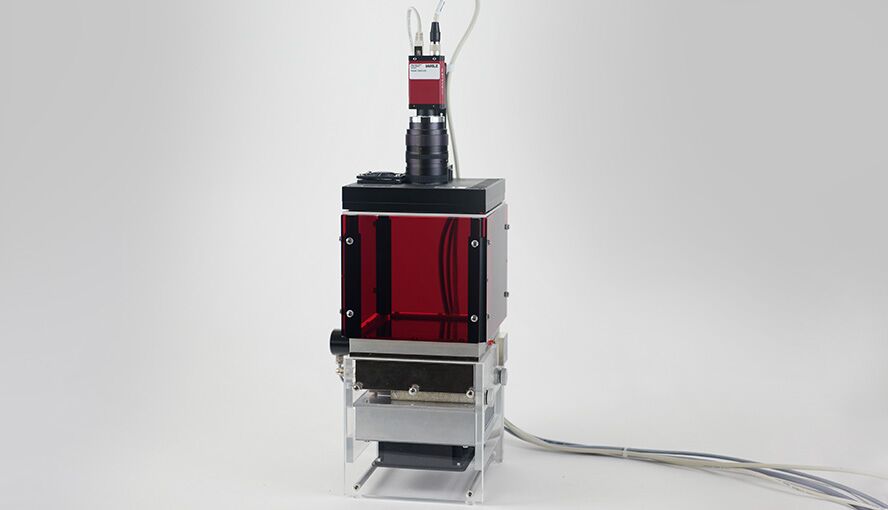
Gas-Exchange Chamber 3010-GWK1
The Gas-Exchange Chamber 3010-GWK1 can be operated with the GFS-3000, replacing the Standard Measuring Head 3010-S. The top of the chamber can be designed according to customer request. The gas-exchange chamber provides a big range in temperature control: More than 10 K below ambient temperature and up to 50°C.
The area of the Gas-Exchange Chamber 3010-GWK1 is designed to match the imaging area of the IMAGING-PAM M-Series Maxi version. Please consider using 3010-GWK1 in combination with the GFS-3000, that the maximum flow of the GFS-3000 is 1.9 l/min. Leaf samples producing too much humidity can limit the systems capabilities.
The LED-Panel RGBW-L084 complements the Gas-Exchange Chamber 3010-GWK1. Individually adjustable colors red, green, blue and white with high power LEDs illuminate together with a maximum output of 2000 μmol m-2 s-1 PAR or better.


Usage
Highlights
- Control ranges: 0-2000 ppm CO2, 0-nearly 100% humidity, 10 K below ambient temperature to 60°C, 1- 3000 µmol m-2 s-1 homogenous light illumination
- Various cuvette options and leaf area adapters
- Easy to combine with IMAGING-PAM or P700 analysis
- For field and laboratory usage with intuitive software and automated experiments
Downloads
- Software: GFS-Win_v3.83
- Manuals & Documentation: Gas-Exchange Chamber 3010 Manual
- Manuals & Documentation: GFS-3000 Manual