DIVING-PAM-II
Underwater Fluorometer with Miniature Spectrometer

Measuring Photosynthesis Underwater
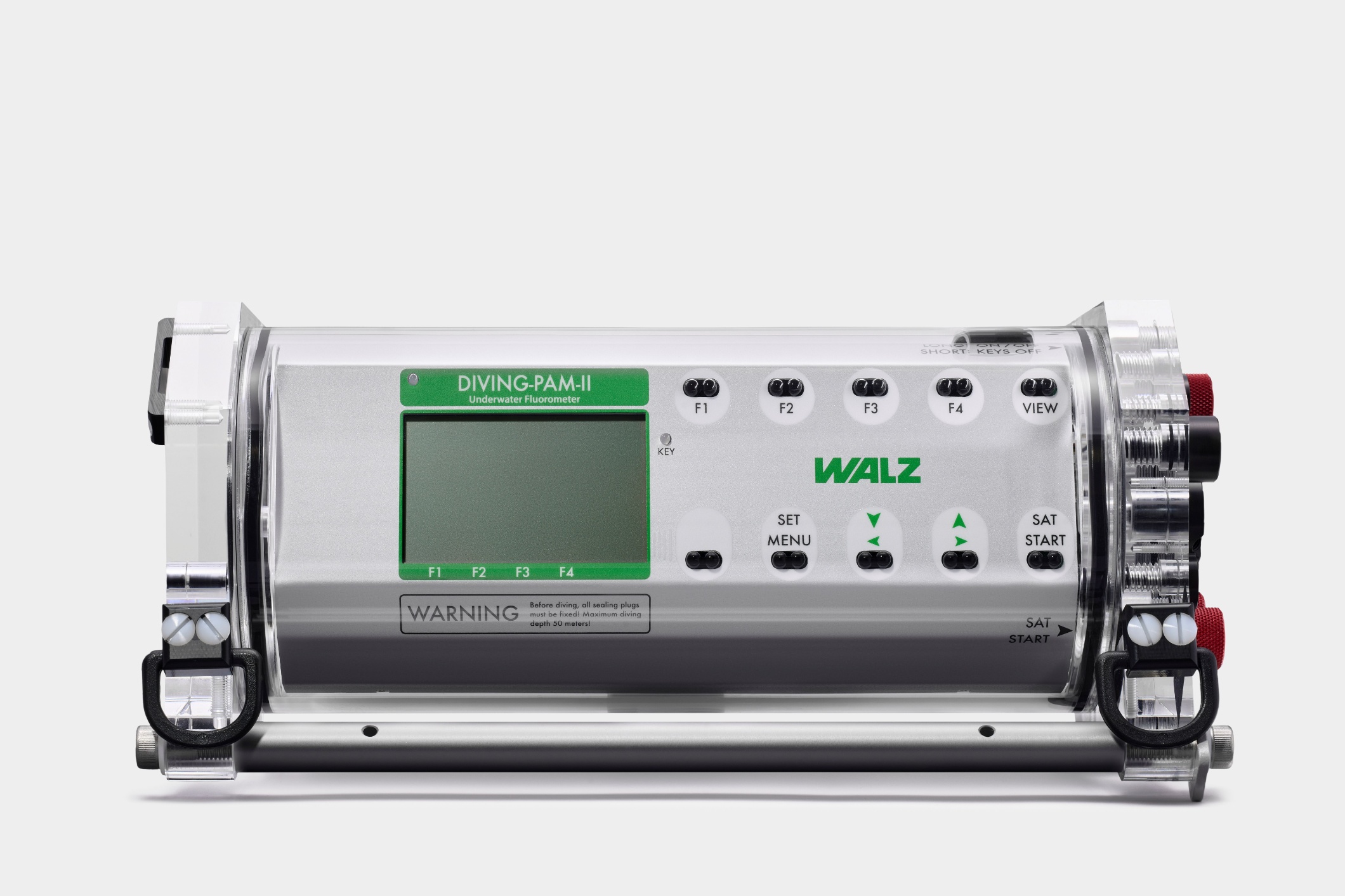
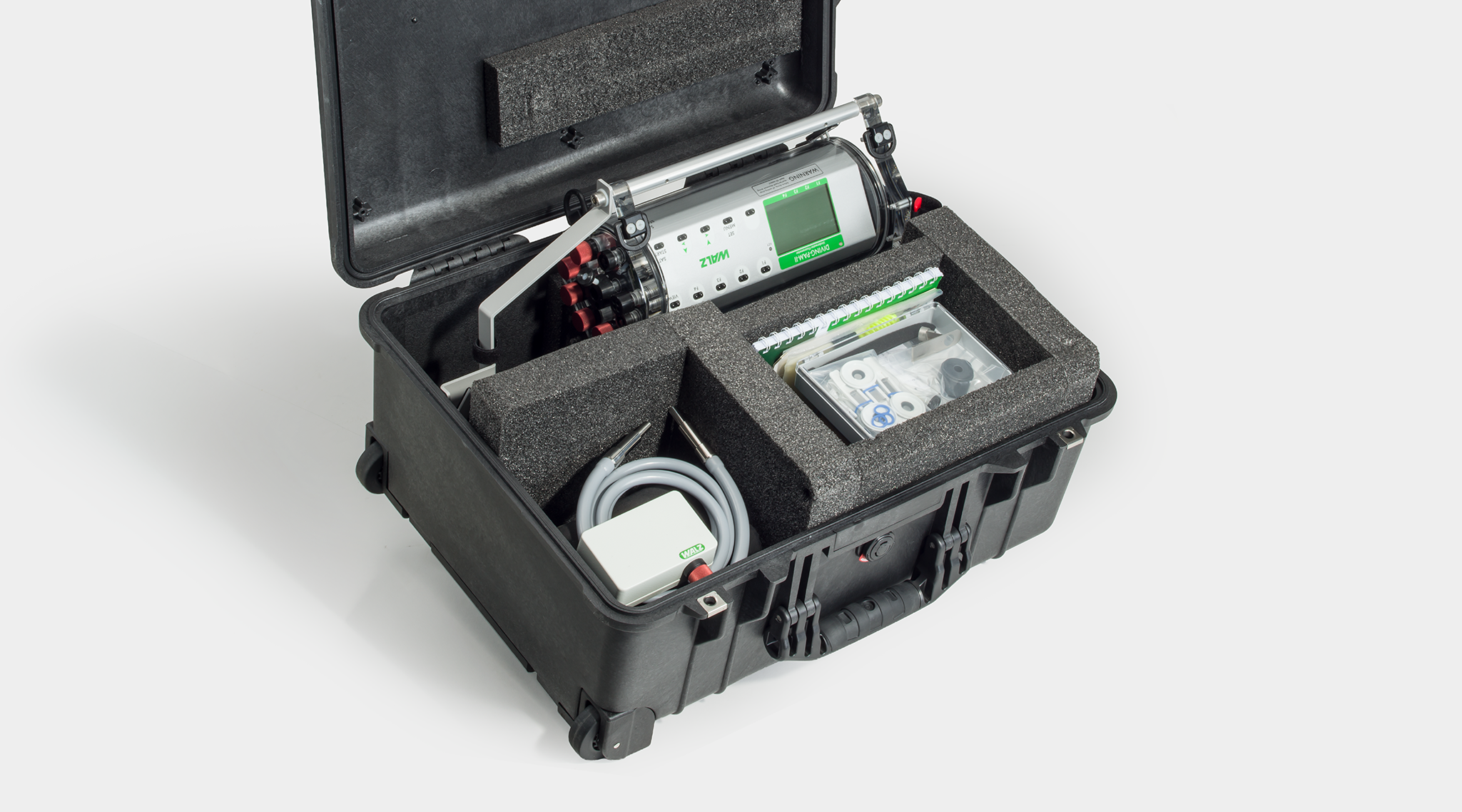
The DIVING-PAM-II is a submersible chlorophyll fluorometer designed for in situ measurements of photosynthetic performance in aquatic environments. Based on the pulse-amplitude modulation (PAM) principle, the system measures chlorophyll fluorescence directly underwater, preserving natural conditions and eliminating the need for sample collection.
Key fluorescence parameters are automatically determined from saturation pulse analysis such as maximum quantum yield (FV/FM) and non-photochemical quenching (NPQ). A far-red LED enables specific excitation of photosystem I (PSI). Built for demanding marine and freshwater fieldwork, the DIVING-PAM-II is the instrument of choice for coral reef monitoring, seagrass ecology, aquaculture, and underwater photosynthesis research.
Integrated Miniature Spectrometer for Spectral Analysis
A defining feature of the DIVING-PAM-II is its integrated miniature spectrometer, the MINI-SPEC. It measures the spectral composition of photosynthetically active radiation (PAR) at the measurement site and automatically calculates total external PAR. This is of critical importance given that the light quality changes significantly with water depth. The miniature spectrometer also enables spectral analysis of fluorescence emission and reflectance for species identification and physiological characterization.
Blue or Red Version: Choosing the Right Measuring Light
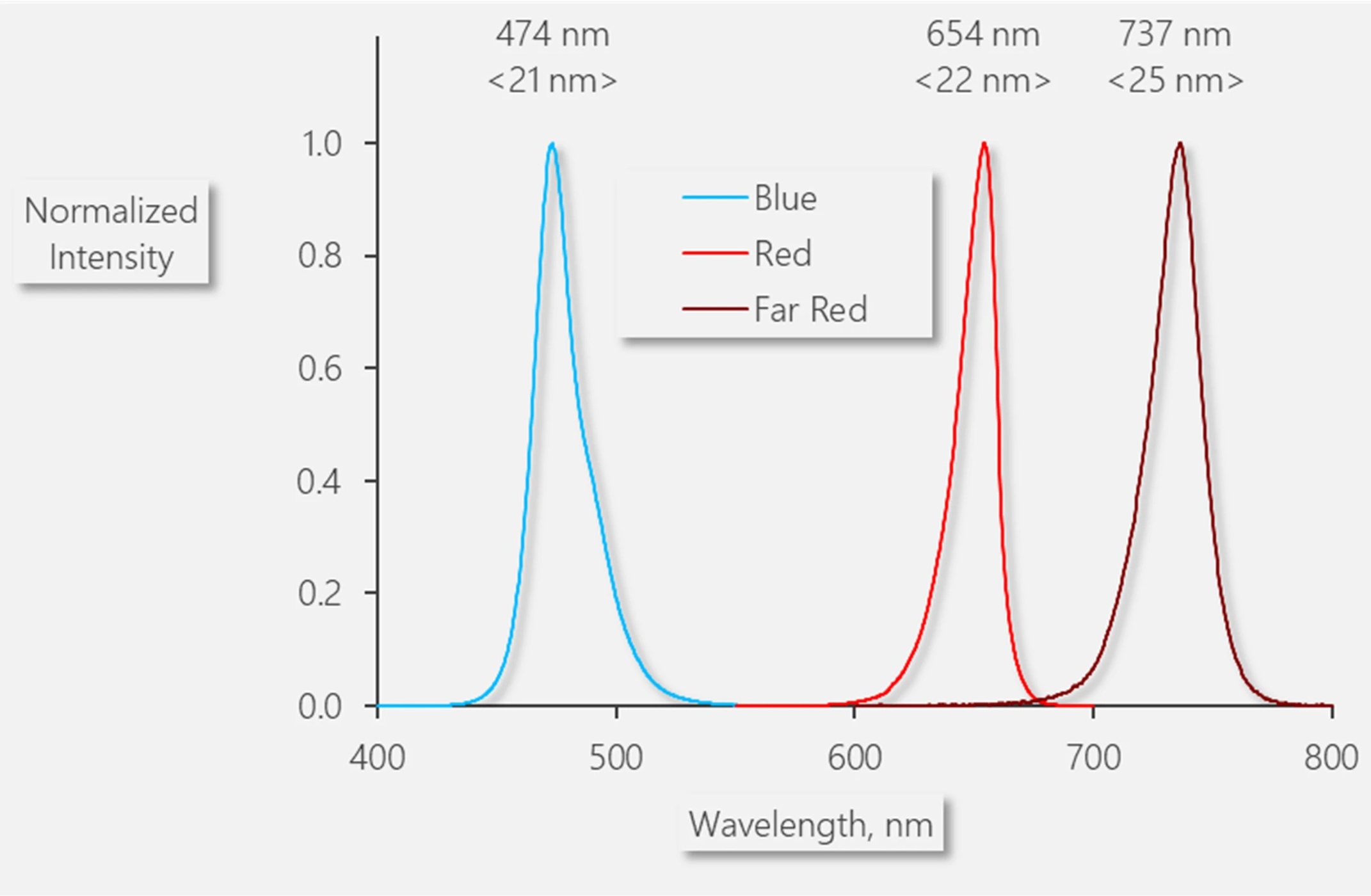
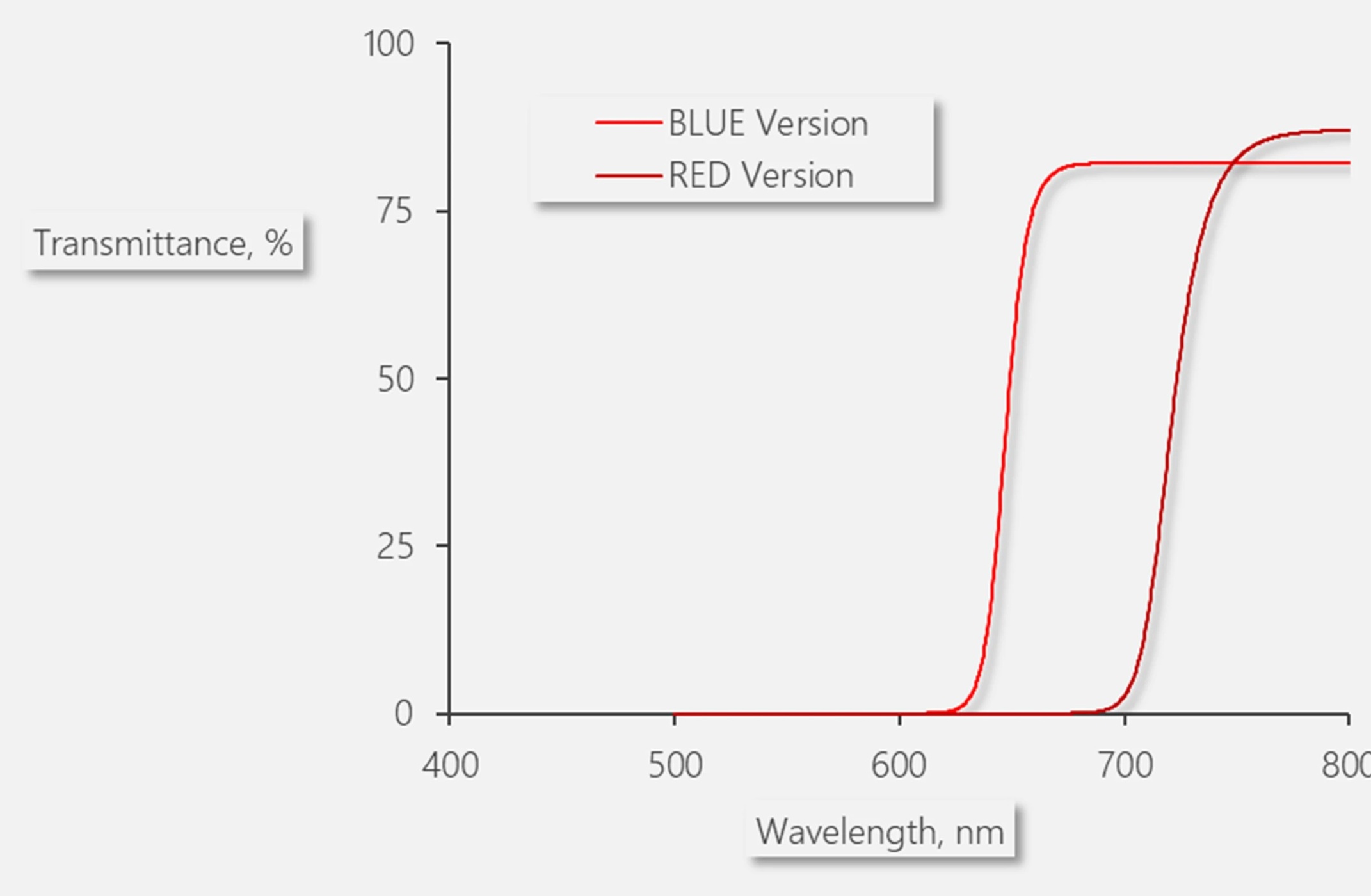
The DIVING-PAM-II is available with blue or red measuring light. Both versions are identical in housing, spectrometer, data storage and software, and differ only in the excitation wavelength and the fluorescence detection window. This determines which sample types each version measures best.
Designed for Underwater Field Research
The depth-rated, fully submersible housing is designed for reliable SCUBA-based fieldwork. Ten waterproof infrared reflection switches and a transflective display allow SCUBA divers to operate the instrument intuitively at depth. Built-in sensors log depth and temperature with every measurement, while a proven fiberoptics system allows precise positioning on corals, macroalgae, and seagrass leaves.
Data Management and Versatile Use
The internal flash memory stores over 27,000 measurements, with convenient data download via WIFI. For long-term monitoring, underwater cables connect the DIVING-PAM-II to a Windows computer running the WinControl-3 software. In dry environments, the system also operates accessories of the MINI-PAM-II fluorometer.
Applications of the DIVING-PAM-II
The DIVING-PAM-II is widely used by marine biologists, coral reef ecologists, and environmental scientists to study photosynthetic performance in aquatic ecosystems. Typical applications include, for example:
Coral Reef Research
In situ assessment of coral photosynthesis, bleaching stress, and symbiont photophysiology.
Seagrass and Macroalgae Ecology
Non-invasive measurement of photosynthetic capacity and light acclimation in seagrass beds and kelp forests.
Aquaculture Scale-Up and Optimization
Assessing photosynthetic health of cultivated algae, corals, and aquatic plants to optimize mariculture production.
Environmental Stress Monitoring
Quantifying photosynthetic responses to temperature extremes, ocean acidification, UV radiation, and pollution.
Intertidal and Extreme Environment Studies
Field measurements in Arctic waters, tropical beachrock platforms, and rapidly changing tidal habitats.
Benthic Community Analysis
Reflectance and fluorescence characterization of biofilms, microphytobenthos, and cyanobacterial communities.
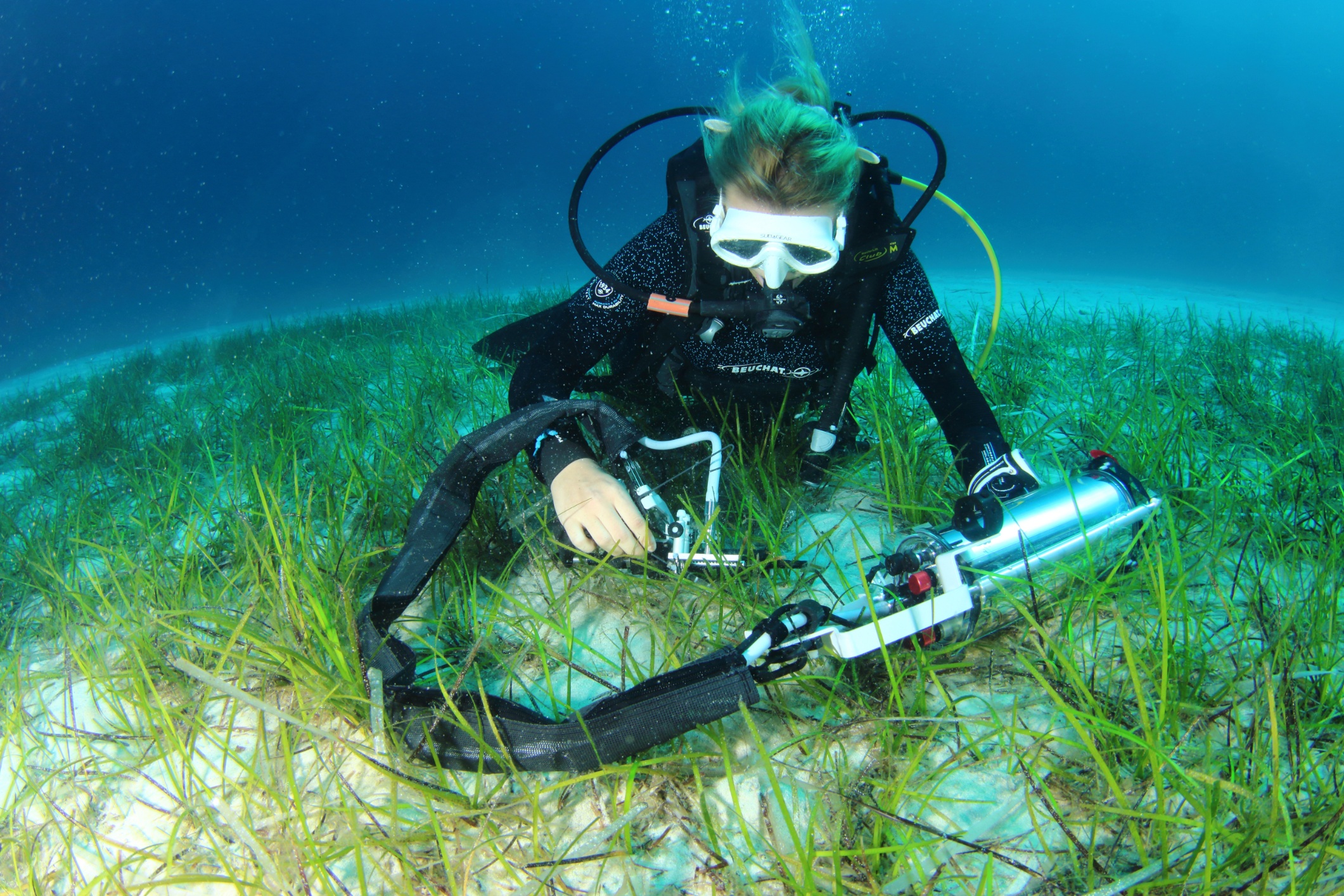
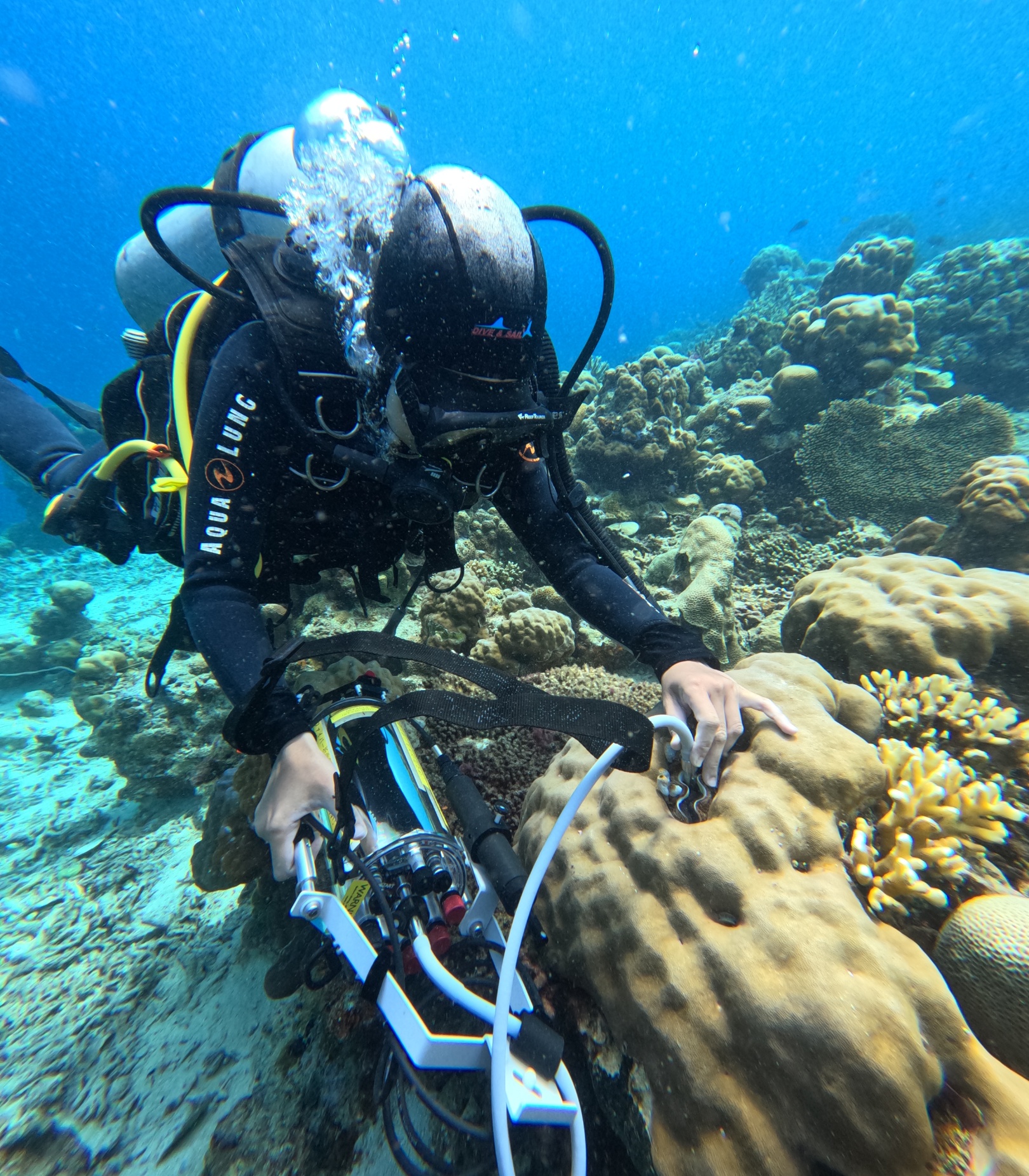
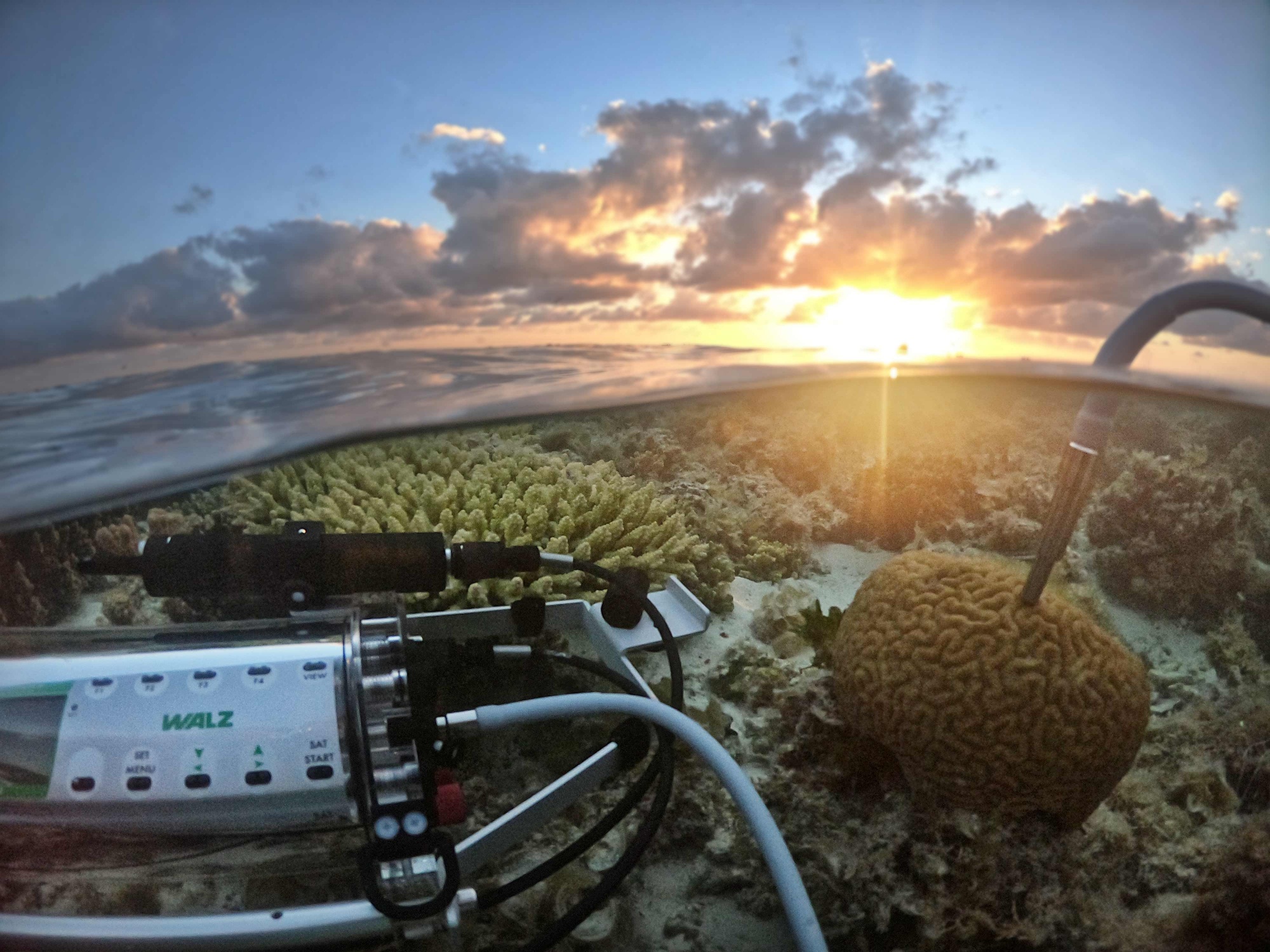
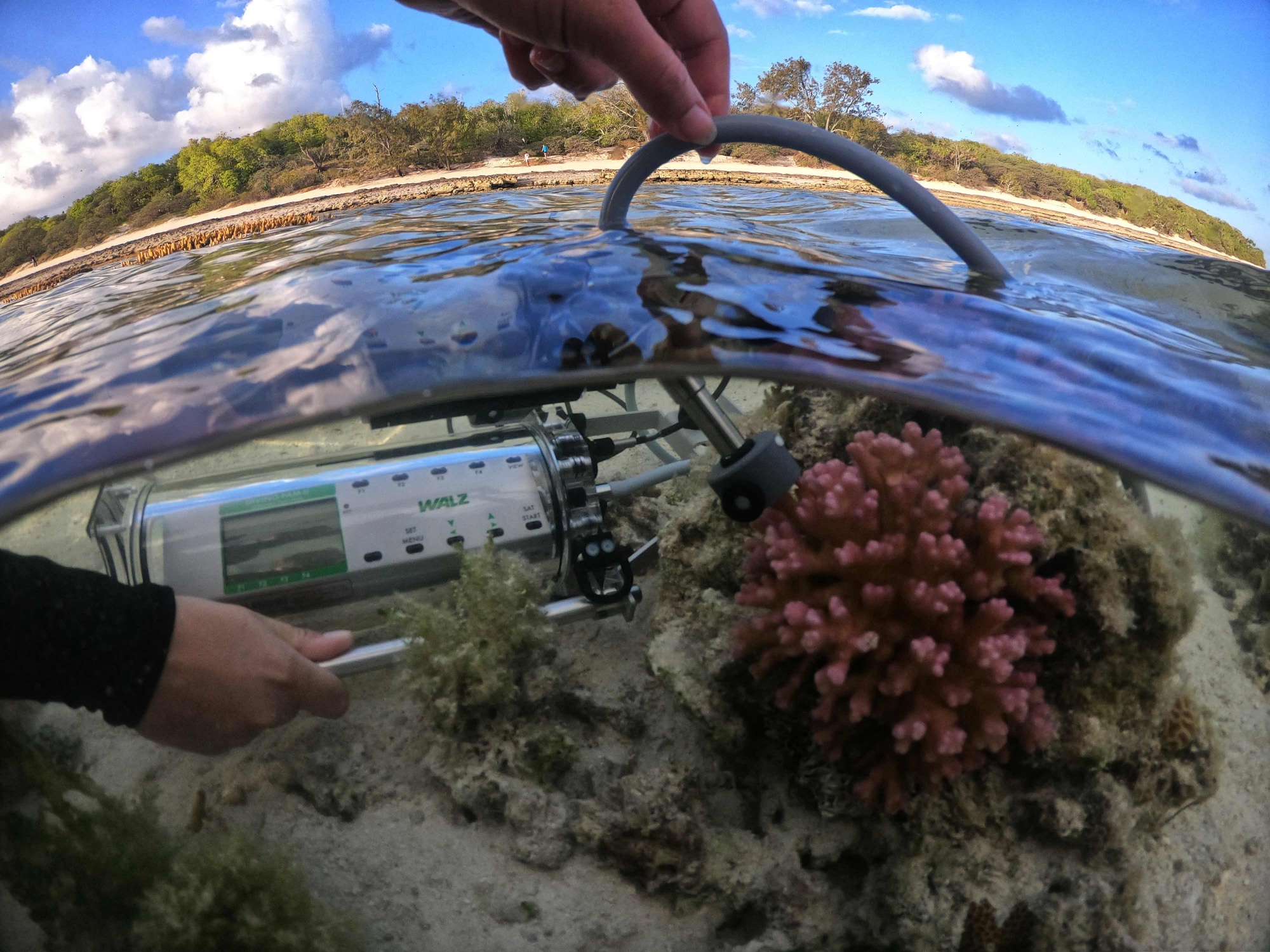
Photosynthesis under Extreme Conditions (Heron Island, Great Barrier Reef, Australia)
The DIVING-PAM-II was applied for the very first in situ measurements of spectral reflectance and photosynthetic activity of cyanobacterial biofilms colonizing the intertidal beachrock platform of Heron Island, Great Barrier Reef.
This is an extreme environment undergoing large changes in temperature (28->50 degrees Celsius), light exposure (high UV and PAR levels of > 2000 µmol photons m-2 s-1), salinity (freshwater to >50 ppt salinity) and water status (dry to fully submersed) on a daily basis, as driven by the local tides on Heron Island.
The spectrometer of the DIVING PAMII enabled us to study the distribution of different cyanobacteria via measurements of reflectance spectra on different locations on the beachrock in combination with measurements of light acclimation of the beachrock cyanobacteria under different tidal conditions, which are impossible to simulate in the lab.
Our spectral reflectance measurements showed that the beachrock harbors a dense cyanobacterial biofilm community, which is shielded against UV and bright sunlight via high levels of protective sunscreens (scytonemin and carotenoids). This enables efficient photosynthesis even under extreme conditions, as quantified via in situ measurements of rapid light curves on the beachrock platform.
Professor Michael Kuhl, University of Copenhagen


Assessing Photosynthesis of Marine Macro Algea
Kongsfjord, Spitsbergen Island
A prototype of the DIVING-PAM was tested on the Spitsbergen Island under arctic conditions. The chlorophyll fluorometer was used in the Kongsfjord and exposed to water depths down to 30 m, at a temperature of 0 °C. Despite of these somewhat unusual conditions, it functioned without any problems.
For the first time, the saturation-pulse method was applied with simultaneous light measurement for an assessment of the effective quantum yield of photosystem II (ΔF/Fm') in macroalgae in their natural underwater habitat. The aspect of quantum yield regulation as a function of the light adaptation state at low temperatures was a central subject of this investigation.
The brown alga Alaria esculenta was chosen as object of investigation. In Kongsfjord, this alga can reach a height of up to 5 m. This plant takes root in the rocky sea bed and is characterized by an upright stalk, with the top "leaf-region" reaching the water surface.
Measurements proved a clear correlation between the photosynthetic performance of individual "leaf-regions" and their distance from the surface. The most important differences (by about a factor of 3) were measured in the area between the surface (lowest quantum yield) and a depth of 60 cm, where almost maximum quantum yield was observed.
As expected, the relative suppression of photosynthesis reached its highest level at the time of the most intensive solar radiation at noon (the so-called midday depression). This phenomenon seems to reflect an important protection mechanism against damaging effects of excess light energy (heat dissipation). This is especially important when the enzymatic dark reactions are slowed down at low temperatures.


Southern Atlantic Coast of Spain
Similar underwater measurements were made with the DIVING-PAM at the southern Atlantic coast of Spain. The relative electron transport rate (ΔF/Fm' x PAR) of Halopteris scoparia, a brown alga of only 3 cm height growing in the uppermost coastal zone, was determined at different times of the day, under natural conditions of solar radiation.
Even the algae growing near the water surface did not show any symptoms of an increased dissipation of excess light energy. Contrary to the arctic algae, no significant saturation of electron transport rate was observed under high irradiance.
This leads to the conclusion that Halopteris was not exposed to any light stress during the natural course of the day. Consequently, it was able to make optimal use of the available solar energy at any time. This is typical of a plant acclimated to high light conditions. In this context, a sufficiently high ambient temperature seems to be an important precondition for acclimation of the dark reactions to the high rates of quantum absorption.
Prof. Dr. Dieter Hanelt, Universität Hamburg, Hamburg, Germany
Measuring Spectra of PAR, Reflectance and Fluorescence
The Miniature Spectrometer MINI-SPEC is a compact and robust outdoor instrument for gathering spectral information of the light environment and the sample.
Figures 1 to 4 illustrate types and signal quality of PAR spectra as well as of reflectance and fluorescence spectra.




Scientific Publications using Walz Devices
Source: Google Scholar.
Keywords: (Walz OR Waltz) Effeltrich.
Date: June 22, 2026.
Ʃ = 19642
Source: Google Scholar.
Keywords: (Walz OR Waltz) Effeltrich.
Date: June 22, 2026.
Ʃ = 19642
Selected Publications
Symbiotic symbiodiniaceae mediate coral-associated bacterial communities along a natural thermal gradient
Environmental Microbiome 20: 72
Influence of network connectivity on benthic and pelagic algal communities in a Danube floodplain system (Austria)
Conférence internationale I.S. Rivers, Lyon, France
Resolving coral temperature vulnerability through heat and cold bleaching thresholds
Research Square
Physiological and symbiotic flexibility of reef-building corals to new habitats: insights from clonal colony transplants
Journal of Applied Ecology 62: 207-219
Reefs at risk: conservation strategies, species responses, and education for sustainable coastal ecosystems
PhD-thesis Texas A&M University-Corpus Christi, Corpus Christi, Texas
Tolerance of organisms composing arctic kelp community to ocean warming and marine heatwaves
Journal of Ecology 113: 1938-1954
Evaluating stress antagonists for enhanced coral recovery after natural heat exposure
Scientific Reports 15: 35235
Heat-responsive dynamic shifts in alternate splicing of the coral Acropora cervicornis
bioRxiv-3
Photobiological and biochemical characterization of conchocelis and blade phases from Porphyra linearis (Rhodophyta, Bangiales)
Phycology 5: 9
Effects of seawater polyphenols from Gongolaria usneoides on photosynthesis and biochemical compounds of the invasive alien species Rugulopteryx okamurae (Phaeophyceae, Heterokontophyta)
Plants 14: 2594
Key benthic species are affected by predicted warming in winter but show resistance to ocean acidification.
Ecology and Evolution 14: e70308
Light exposure induces phenotypic plasticity of the upside-down jellyfish Cassiopea and its endosymbiotic dinoflagellates.
bioRxiv
Advancing Porphyra linearis (Rhodophyta, Bangiales) culture: low cost artificial seawater, nitrate supply, photosynthetic activity and energy dissipation.
Journal of Applied Phycology 36: 3509-3523
Plant growth regulators improve the growth and physiology of transplanted Thalassia hemprichii fragments.
Frontiers in Marine Science 11: 1334937
Ecological interruption on food web dynamics by eutrophic water discharge from the world’s longest dike at Saemangeum, Yellow Sea.
Environment International 184: 108468
Photosynthetic characteristics of benthic microalgae measured by HPLC and diving pulse amplitude modulated (PAM) fluorometry on the Nakdong river estuary of the Korean peninsula.
KJEE 57: 61-74
The role of coralliths in coral reef recovery and expansion.
PhD-thesis University of Edinburgh
Linking coral fluorescence phenotypes to thermal bleaching in the reef-building Galaxea fascicularis from the northern South China.
Marine Life Science & Technology 6: 155-167
Probiotics reshape the coral microbiome in situ without detectable off-target effects in the surrounding environment.
Communications Biology 7: 434
Seasonal changes in coral thermal threshold suggest species-specific strategies for coping with temperature variations.
Communications Biology 7: 1680
Environmental characterization of an Amazonian lake for Isoëtes cangae translocation.
Plant Ecology 224: 831-840
The resilience of the aquatic Isoëtes cangae to terrestrial environment: insights into molecular and ecophysiological adaptations.
Aquatic Botany 189: 103704
Investigation of water quality and aquatic ecological succession of a newly constructed river replenished by reclaimed water.
Heliyon 9: e17045
Day-night cycle as a key environmental factor affecting coral-Symbiodininaceae symbiosis.
Ecological Indicators 146: 109890
Wild and nursery-raised corals: comparative physiology of two framework coral species.
Coral Reefs 42: 299-310
Effects of global warming on the growth and proliferation of attached Sargassum horneri in the aquaculture area near Gouqi Island, China.
Journal of Marine Science and Engineering 11: 9
Diurnal fluctuations in seawater pCO2 amplify the negative effects of ocean acidification on the biotic performance of the calcifying macroalga Halimeda opuntia.
Frontiers in Marine Sciences 9: 968740
Clonal integration affects growth and sediment properties of the first ramet generation, but not later ramet generations under severe light stress.
Journal of Plant Ecology 15: 1080-1090
Acclimation to elevated temperatures in Acropora cervicornis: effects of host genotype and symbiont shuffling.
Marine Ecology Progress Series 701: 41-65
Predicting selection-response gradients of heat tolerance in a widespread reef-building coral.
Journal of Experimental Biology 225: jeb243344
Performance and mechanism of the in-situ restoration effect on VHCs in the polluted river water based on the orthogonal experiment: photosynthetic fluorescence characteristics and microbial community analysis.
Environmental Science and Pollution Research 29: 43004-43018
Effect of sea lice chemotherapeutant hydrogen peroxide on the photosynthetic characteristics and bleaching of the coralline alga Lithothamnion soriferum.
Aquatic Toxicology 247: 106173
Photoacclimation and light thresholds for cold temperate seagrasses.
Frontiers in Plant Science 13: 805065
Monitoring photosynthetic activity using in vivo chlorophyll a fluorescence in microalgae and cyanobacteria biofilms in the Nerja Cave (Malaga, Spain).
International Journal of Speleology 51: 29-42
High-latitude calcified coralline algae exhibit seasonal vulnerability to acidification despite physical proximity to non-calcified alga.
Climate Change Ecology 3: 100049
Growth and photoacclimation strategies of three Zostera species along a vertical gradient: implications for seagrass zonation patterns.
Science of the Total Environment 769: 144443
Highly competitive native aquatic species could suppress the growth of invasive aquatic species with similar traits.
Biological Invasions 23: 267-280
Emersion-associated responses of an intertidal coral and its suitability for transplantation to ecologically engineer seawalls.
Journal of Marine Science and Engineering 9: 1096
Increased light availability modulates carbon and nitrogen accumulation in the macroalga Gracilariopsis lemaneiformis (Rhodophyta) om response to ocean acidification.
Environmental and Experimental Botany 187: 104492
The influence of small-scale resource heterogeneity caused by human activities on the growth phenotype of invasive aquatic plants.
Ecological Indicators 125: 107504
Chemical management strategies for starry stonewort: a mesocosm study.
Engineer Research and Development Center EL TR-21-10
Synthetic algal-bacteria consortia for space-efficient microalgal growth in a simple hydrogel system.
bioRxiv
A novel thin-film technique to improve accuracy of fluorescence-based estimates for periphytic biofilms.
Water 13: 1464
Host genotype and stable differences in algal symbiont communities explain patterns of thermal stress response of Montipora capitata following thermal pre-exposure and across multiple bleaching events.
bioRxiv
Adding insult to injury: effects of chronic oxybenzone exposure and elevated temperature on two reef-building corals.
Science of the Total Environment 733: 139030
Increased light availability enhances tolerances against ocean acidification stress in Halimeda opuntia.
bioRxiv
Influence of experimental in situ shading on Posidonia oceanica (L.) Delile biology.
PhD thesis Université catholique de Louvain
Photosynthesis and mineralogy of Jania rubens at low pH/high pCO2: a future perspective.
Science of the Total Environment 628-629: 375-383
13C metabolomics reveals widespread change in carbon fate during coral bleaching.
Metabolomics 14: 12
Use of glucose biosensors to measure extracellular glucose exudation by intertidal microphytobenthos in southern Tasmania.
Journal of Phycology 54: 410-418
Physiological and biochemical analyses shed light on the response of Sargassum vulgare to ocean acidification at different time scales.
Frontiers in Plant Science 8: 570
Adjustment of photoprotection to tidal conditions in intertidal seagrasses.
Journal of the Marine Biology Association of the United Kingdom 97: 571-579
Metabolite profiling of symbiont and host during thermal stress and bleaching in the coral Acropora aspera.
Coral Reefs 36: 105-118
Environmental sensitivity of Neogoniolithon brassica-florida associated with vermetid reefs in the Mediterranean Sea.
ICES Journal of Marine Science 74: 1074-1082
Photophysiology and hydrogen peroxide generation of the dinoflagellate and chlorophyte symbionts of the sea anemone Anthopleura elegantissima.
Journal of Experimental Marine Biology and Ecology 489: 43-47
Contrasting NPQ dynamics and xanthophyll cycling in motile and a non-motile intertidal benthic diatom.
Limnology and Oceanography 62: 1466-1479
Long-term salinity tolerance is accompanied by major restructuring of the coral bacterial microbiome.
Molecular Ecology 25: 1308-1323
Impact of air exposure on the photobiology and biochemical profile of an aggressive intertidal competitor, the zoanthid Palythoa caribaeorum.
Marine Biology 163: 222
Combined ocean acidification and low temperature stressors cause coral mortality.
Coral Reefs 35: 903-907
Effects of lead on two green microalgae Chlorella and Scenedesmus: photosystem II activity and heterogeneity.
Algal Research 16: 150-159
Influence of local environmental conditions and bleaching histories on the diversity and distribution of Symbiodinium in reef-building corals in Tanzania.
African Journal of Marine Science 38: 57-64
Niche acclimatization in Red Sea corals is dependent on flexibility of host-symbiont association.
Marine Ecology Progress Series 533: 149-161
Macroalgal responses to ocean acidification depend on nutrient and light levels.
Frontiers in Marine Science 2: 26
Fluctuations in coral health of four common inshore reef corals in response to seasonal and anthropogenic changes in water quality.
Marine Environmental Research 105: 39-52
Chronic light reduction reduces overall resilience to additional shading stress in the seagrass Halophila ovalis.
Marine Pollution Bulletin 83: 467-474
Community dynamics and physiology of Symbiodinium spp. before, during, and after a coral bleaching event.
Limnology and Oceanography 59: 788-797
Antagonist effect between violaxanthin and de-epoxidated pigments in nonphotochemical quenching induction in the qE deficient brown alga Macrocystis pyrifera.
Biochimica et Biophysica Acta (BBA) - Bioenergetics 1827: 427-437
Concentration boundary layers around complex assemblages of macroalgae: Implications for the effects of ocean acidification on understory coralline algae.
Limnology and Oceanography 58: 121-130
Gene expression patterns of the coral Acropora millepora in response to contact with macroalgae.
Coral Reefs 31: 1177-1192
Responses of the macroalgae Hypnea musciformis after in vitro exposure to UV-B.
Aquatic Botany 100: 8-17
Influences of cadmium on fine structure and metabolism of Hypnea musciformis (Rhodophyta, Gigartinales) cultivated in vitro.
Protoplasma 249: 637-650
Impact of feeding and short-term temperature stress on the content and isotopic signature of fatty acids, sterols, and alcohols in the scleractinian coral Turbinaria reniformis.
Coral Reefs 30: 763-774
Warmer more acidic conditions cause decreased productivity and calcification in subtropical coral reef sediment-dwelling calcifiers.
Limnology and Oceanography 56: 1200-1212
The physiological response of reef corals to diel fluctuations in seawater temperature.
Journal of Experimental Marine Biology and Ecology 396: 216-223
Herbicides increase the vulnerability of corals to rising sea surface temperature.
Limnology and Oceanography 56: 471-485
Physiological versus behavioral photoprotection in intertidal epipelic and epipsammic benthic diatom communities.
Journal of Experimental Marine Biology and Ecology 620: 163-172
Diurnal variation in relative photosynthetic performance in giant kelp Macrocystis pyrifera (Phaeophyceae, Laminariales) at different depths as estimated using PAM fluorometry.
Aquatic Botany 92: 119-128
Effect of salinity on growth and nutrient uptake of Ulva pertusa (Chlorophyta) from an eelgrass bed.
Algae 25: 17-26
Seagrass photosynthesis controls rates of calcification and photosynthesis of calcareous macroalgae in a tropical seagrass meadow.
Marine Ecology Progress Series 382: 41-47
Sensitivity of Antarctic Urospora penicilliformis (Ulotrichales, Chlorophyta) to ultraviolet radiation is life-stage dependent.
Journal of Phycology 45: 600-609
The effects of UV radiation on photosynthesis estimated as chlorophyll fluorescence in Zygnemopsis decussata (Chlorophyta) growing in a high mountain lake (Sierra Nevada, Southern Spain).
Journal of Limnology 68: 206-216
In vivo and in vitro differences in chloroplast functionality in the two north Atlantic sacoglossans (Gastropoda, Ophistobranchia) Placida dendritica and Elysia viridis
Marine Biology 156: 847-859
Spatio-temporal variability of intertidal benthic primary production and respiration in the western part of the Mont Saint-Michel Bay (Western English Channel, France).
Hydrobiologia 620: 163-172
Long-term changes in the chlorophyll fluorescence of bleached and recovering corals from Hawaii.
Journal of Experimental Biology 211: 2502-2509
Photosynthetic response of the Mediterranean zooxanthellate coral Cladocora caespitosa to the natural range of light and temperature.
Journal of Experimental Biology 211, 1579-1586
Diurnal variability in turbidity and coral fluorescence on a fringing reef flat: Southern Molokai, Hawaii.
Estuarine, Coastal and Shelf Science 77: 56-64
Rate of O2 production derived from pulse-amplitude-modulated fluorescence: testing three biooptical approaches against measured O2-production rate.
Journal of Phycology 44: 803-813
Temperature effects on microalgal photosynthesis - light responses measured by O2 production, pulse-amplitude-modulated fluorescence, and 14C assimilation.
Journal of Phycology 44: 501-514
In situ study of relative electron transport rates in the marine macroalga Fucus vesiculosus in the Baltic Sea at different depths and times of year.
Journal of Applied Phycology 20: 751-756
Photosynthetic activity of intertidal microphytobenthic communities during emersion: in situ measurements of chlorophyll fluorescence (PAM) and CO2 flux (IRGA).
Journal of Phycology 43: 864-873
Water flow influences the distribution of photosynthetic efficiency within colonies of the scleractinian coral Montastrea annularis (Ellis and Solander, 1786); implications for coral bleaching.
Journal of Experimental Marine Biology and Ecology 351: 10-26
A comparative study of the photosynthetic activity among three temperate seagrass species in Northern Japan.
Marine Ecology 27: 388-396
Increased mortality and photoinhibition in the symbiotic dinoflagellates of the Indo–Pacific coral Stylophora pistillata (Esper) after summer bleaching.
Marine Biology 149: 633-642
Tolerance of endolithic algae to elevated temperature and light in the coral Montipora monasteriata from the southern Great Barrier Reef.
Journal of Experimental Biology 208: 75-81
Repair machinery of symbiotic photosynthesis as the primary target of heat stress for reef-building corals.
Plant and Cell Physiology 45: 251-255
The effects of Produced Formation Water (PFW) on coral and isolated symbiotic dinoflagellates of coral.
Marine and Freshwater Research 54: 153-162
Photosynthetic performance and resource utilization of two mangrove species coexisting in a hypersaline scrub forest.
Oecologia 134: 455-462
A laboratory study on O2 dynamics and photosynthesis in ice algal communities: quantification by microsensors, O2 exchange rates, 14C incubations and a PAM fluorometer.
Marine Ecology Progress Series 27: 301-311
Photosynthetic response of Amphibolis antarctica and Posidonia australis to temperature and desiccation using chlorophyll fluorescence.
Marine Ecology Progress Series 220: 119-130
Biomass, production, and horizontal patchiness of sea ice algae in a high-Arctic fjord (Young Sound, NE-Greenland).
Marine Ecology Progress Series 223:15-26
Responses of microphytobenthos to light: primary production and carbohydrate allocation over an emersion period.
Marine Ecology Progress Series 223: 101-112
Zooxanthellae expelled from bleached corals at 33°C are photosynthetically competent.
Marine Ecology Progress Series 220: 163-168
Photosynthetic performance of surface associated algae below sea ice as measured with a pulse amplitude modulated (PAM) fluorometer and O2 microsensors.
Marine Ecology Progress Series 223: 1-14
Diurnal changes in the photochemical efficiency of the symbiotic dinoflagellates (Dinophyceae) of corals: photoprotection, photoinactivation and the relationship to coral bleaching.
Plant, Cell & Environment 24: 89-99
Measuring photosynthetic rates in seagrasses by pulse amplitude modulated (PAM) fluorometry.
Marine Ecology Progress Series 174: 293-300
In situ measurements of photosynthetic irradiance responses of two Red Sea sponges growing under dim light conditions.
Marine Biology 131: 613-617
Use of pulse modulated (PAM) fluorometry for in situ measurements of photosynthesis in two Red Sea faviid corals.
Marine Biology 131: 607-612
Photosynthetic capacity of coral reef systems: Investigations into ecological application of the underwater PAM fluorometer.
In JG Greenwood and NJ Hall, eds, Proceedings of the Australian Coral Reef Society 75th Anniversary Conference, Heron Island October 1997. Australian Coral Reef Society, Brisbane. pp. 105-118
DIVING-PAM-II
Design: Hard-anodized aluminum rod of 10 mm diameter and 50 mm length, at one end with lateral light entrance through a 5 mm diameter diffusor and the opposite end inserted in a mounting plate (diameter 33 mm, height 5 mm). Aluminum rod with internal light guide
100 V to 240 V AC, 50 to 60 Hz
Some DIVING-PAM-II fluorometers (up to S/N UWFD0110) contain a lithium manganese oxide battery requiring the following safety measures for shipping:
Discharge battery to 30%. Use original DIVING-PAM-II/T transport case for shipping.
Download from Walz website the testing protocol for the DIVING-PAM-II battery. Print entire protocol (6 pages) and enclose it in transport case.
Visibly label transport case with lithium battery label.

Accessories
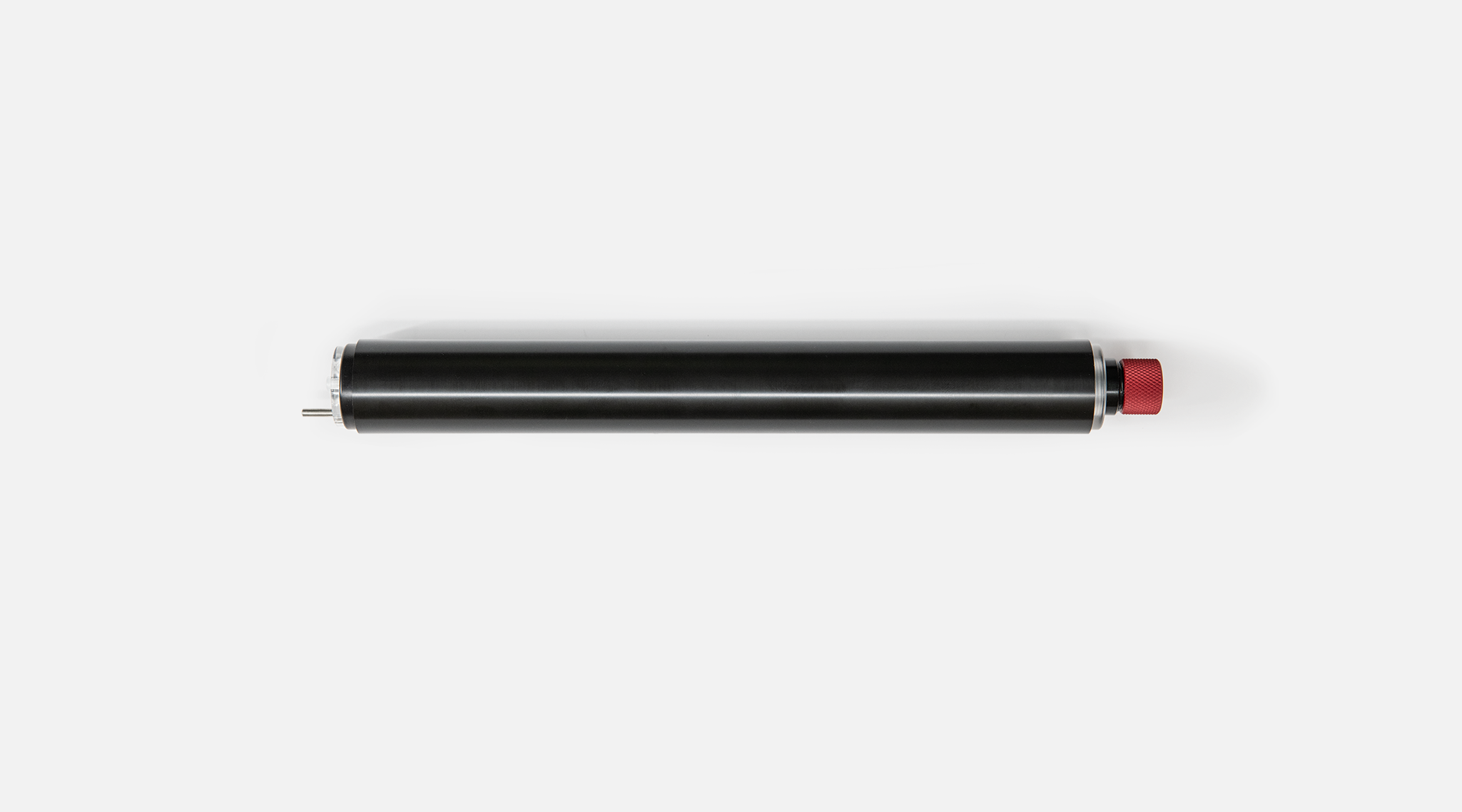
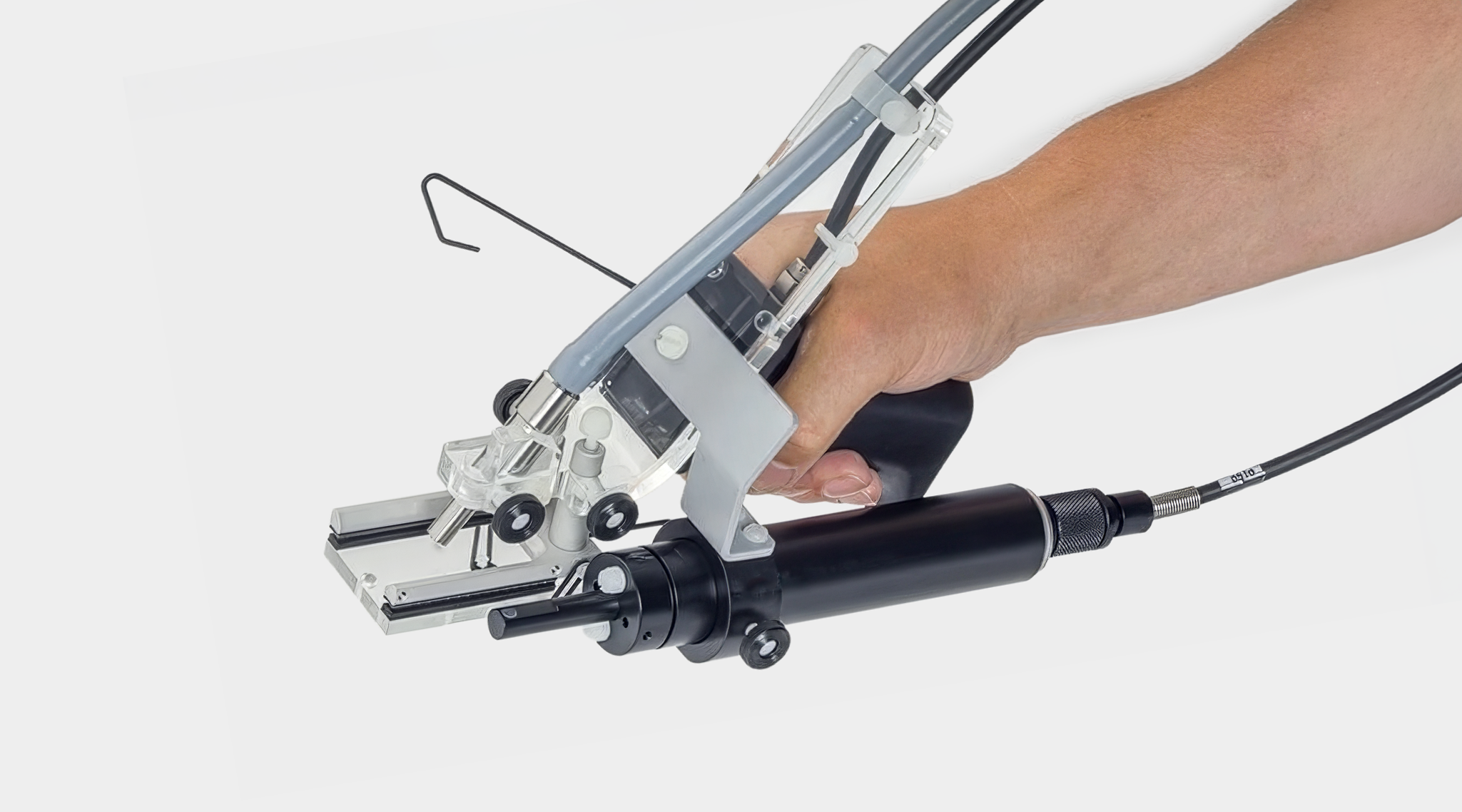
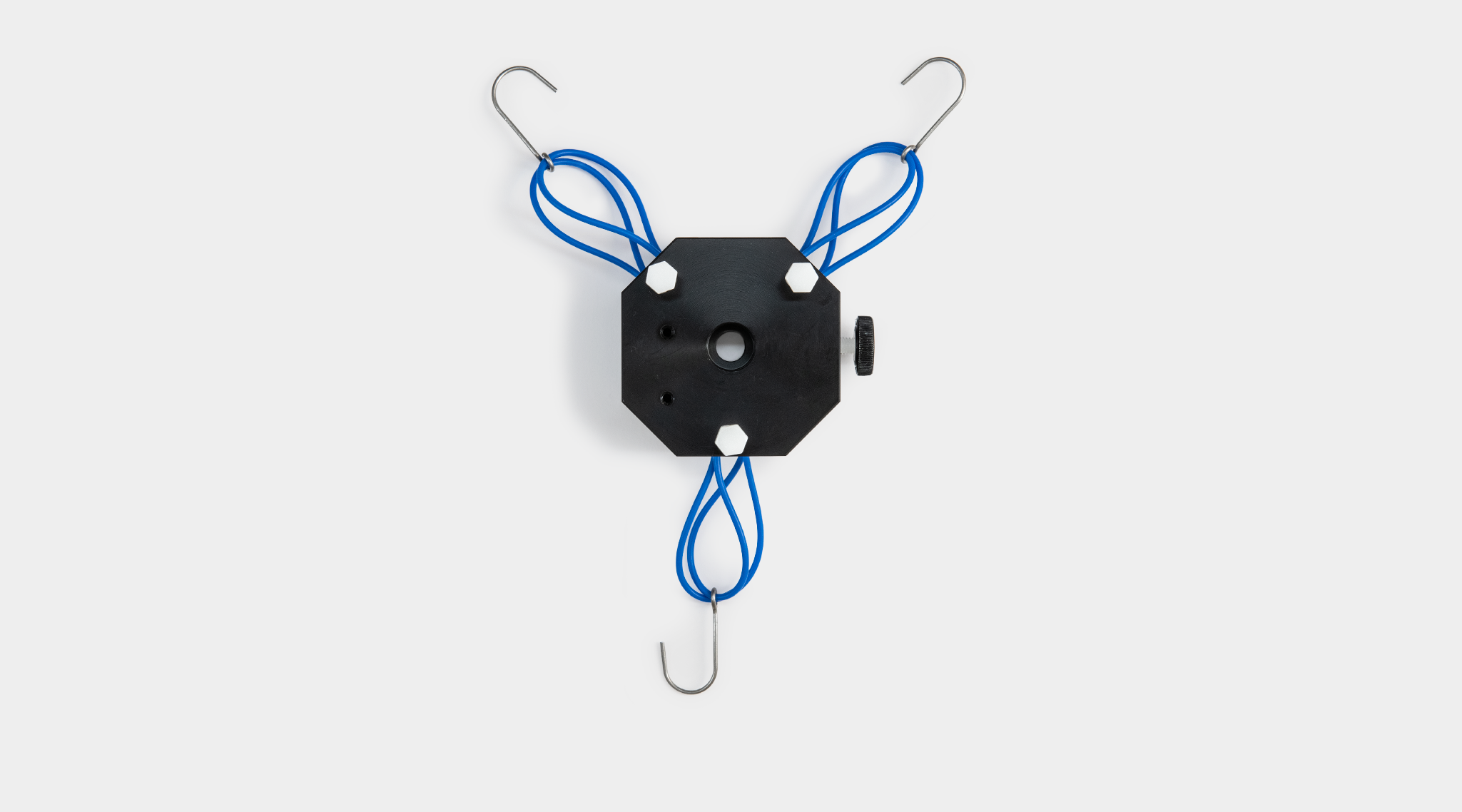
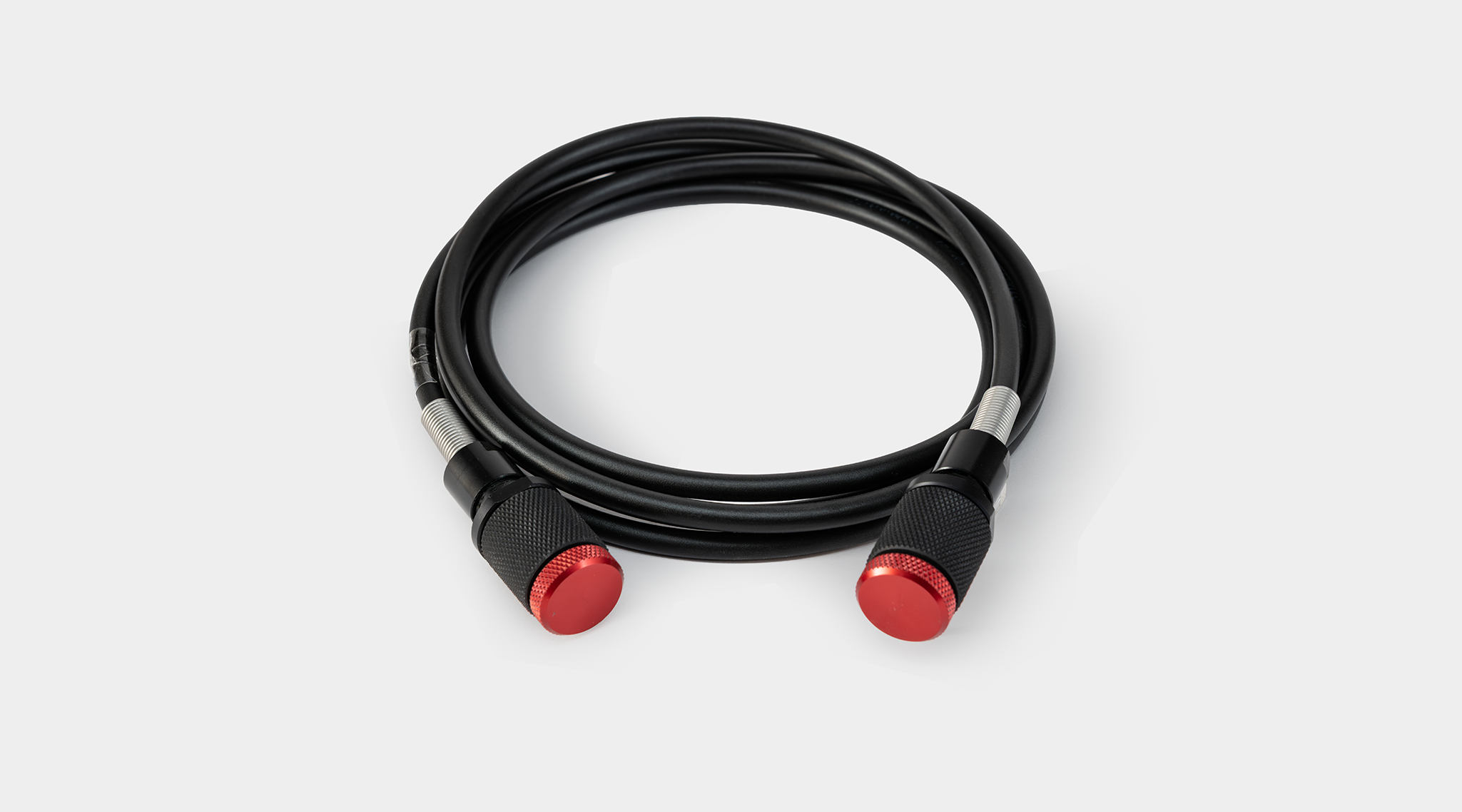
POM plastic tube of 3.25 cm diameter and 17.5 cm length, with optical oxygen and pH sensor spots, both fixed by a Perspex disc, a PT100 resistance thermometer, and a 4-pole underwater socket. Temperature-compensated oxygen and pH measurements by high precision optical meters, connected by fiberoptics to the sensor spot. Including a 2 m underwater cable (000130204945), two oxygen and two pH spare sensor spots,and a holder (weight 75 g, maximum dimensions 6.5 cm x 6 cm x 12 cm, L x W x H) to attach both the DIVING-PAM-II/O2PH and the spectrometer MINI-SPEC to the DIVING-PAM-II optoelectronic unit, consisting of the mounting brackets 000246001714 and 000246003914 and 1 ring holder 000244905514.
50 m
3.25 cm diameter, 17.5 cm length
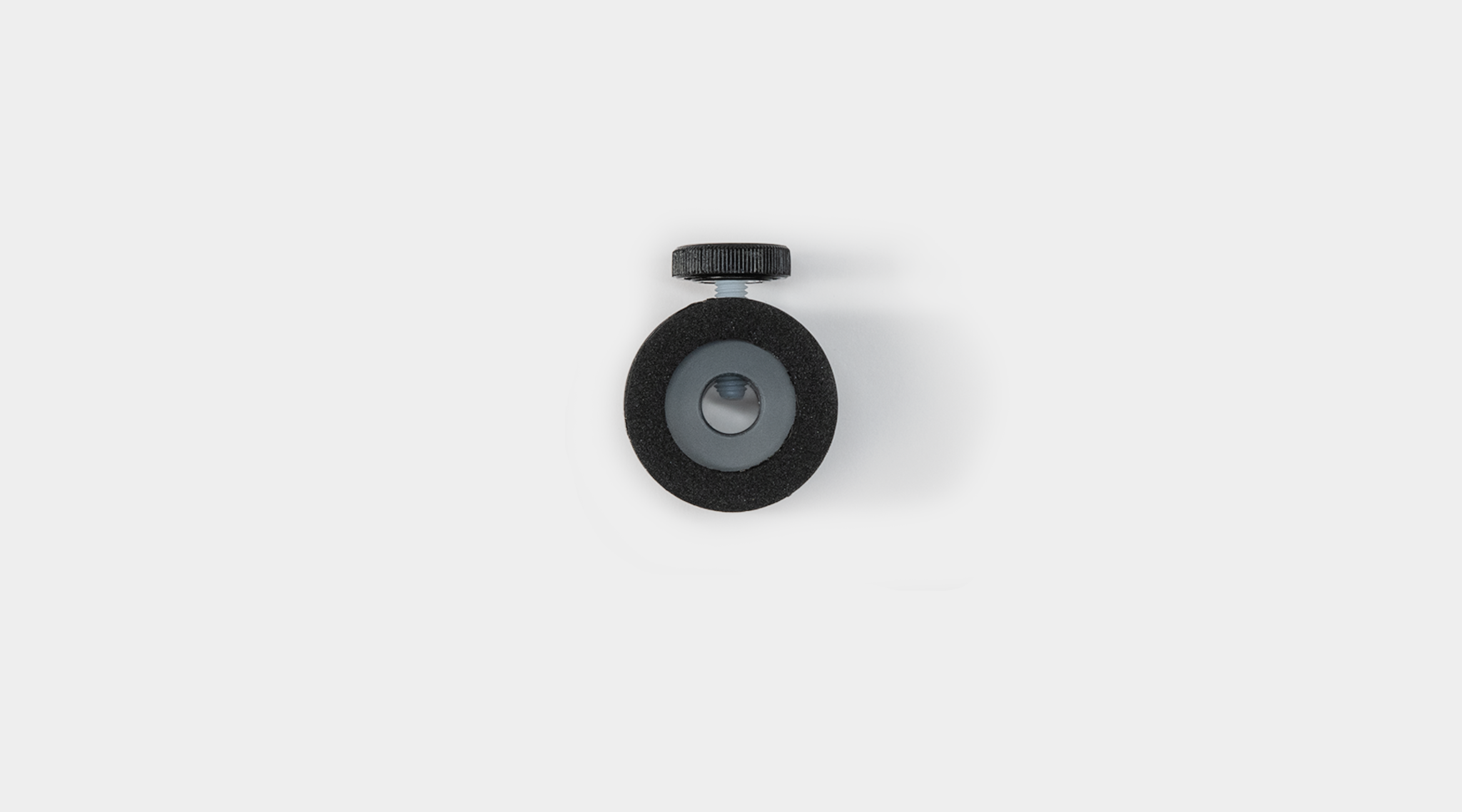
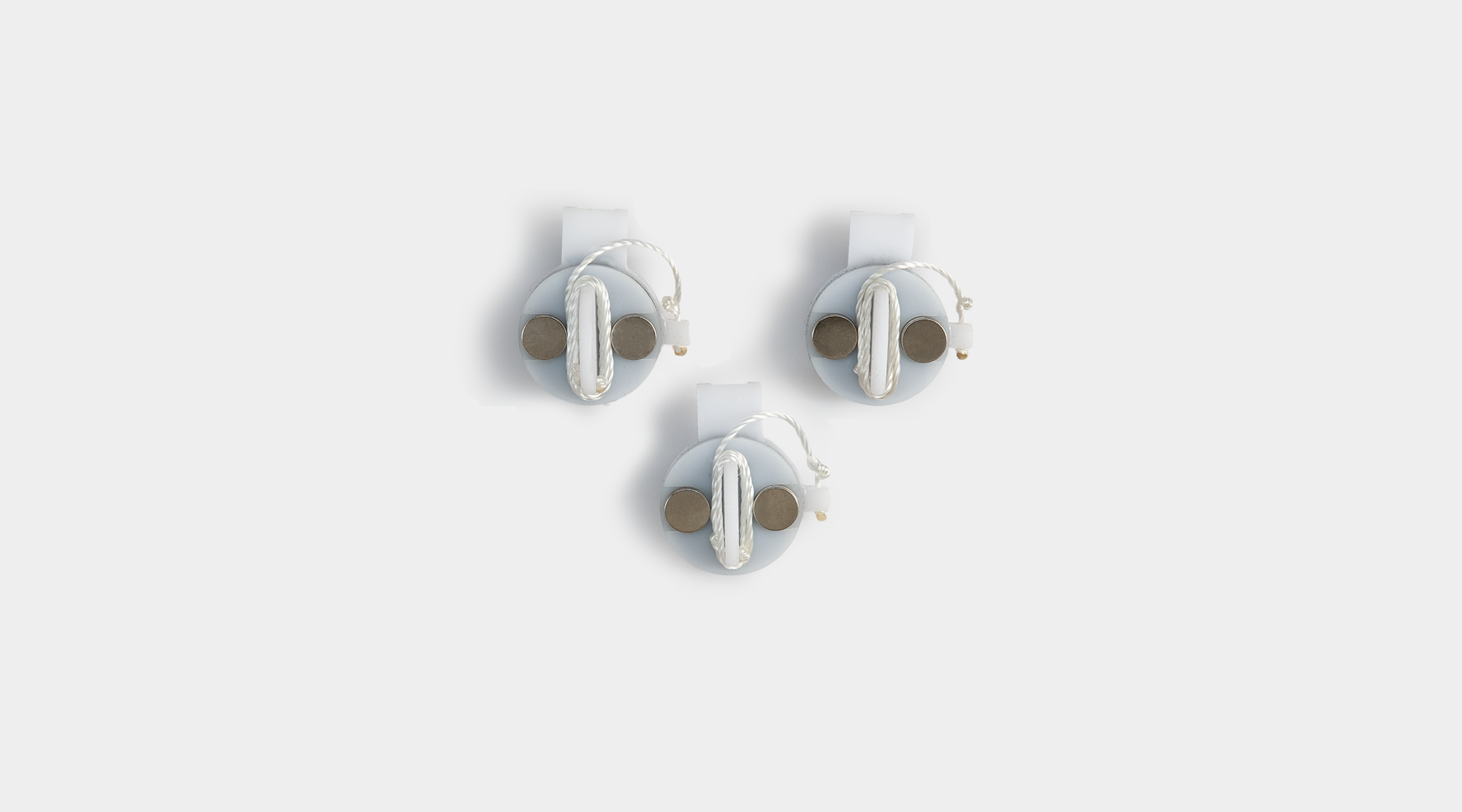
PVC cylinder with central hole for fiberoptics, end cap with closed cell rubber padding that fits into DIVING-MLC or DIVING-LC, and lateral plastic setscrew.
3.0 cm diameter, 2.2 cm height
18 g
Active diameter 2 mm, length 1.5 m. Both ends with adapter which fits to the fiber port of the DIVING-PAM-II and the various accessories for fiber positioning of the DIVING-PAM-II system.
Input: 100 V to 240 V AC, 47 to 63 Hz. Output: 15 V DC, 4.65 A. Operating temperature: -5 to +45 °C, (non-condensing). Dimensions: 13 cm x 5.5 cm x 3 cm (L x W x H). Weight: 350 g including cables
WinControl-3 Software
General Features and Graphical User Interface
The DIVING-PAM-II can be operated by Windows computers running the WinControl-3 software. The same software operates the fluorometers MICRO-PAM, MINI-PAM-II, MONITORING-PAM, and JUNIOR-PAM, PAM fluorometers operated via the PAM-CONTROL interface (MICROSCOPY-PAM, MICROFIBER-PAM and WATER-PAM) as well as the Universal Light Meter ULM-500.
Saturation pulse analysis and automated experimental protocols can be performed under control of the software WinControl-3 but also by the DIVING-PAM-II internal software which is active when the DIVING-PAM-II is operated autonomously. In the latter case, experimental parameters are entered using waterproof infrared reflection switches. Continuous recording of fluorescence and modeling of light curves, however, requires WinControl-3.

Data Evaluation
Saturating pulse analysis with automatic detection and calculation of standard fluorescence parameters: F0, FM, F0’ (measured or calculated), FM’, FV/FM, qP, qL, qN, NPQ, Y(II), Y(NPQ), Y(NO), ETR.
Data Export
Export in Excel, CSV or TXT format of original fluorescence traces, saturating pulse analysis data and parameter estimates of light response curves.
Automated Routines
Repetitive triggering of many fluorometer functions (e.g., saturation pulse analysis, induction curves). Automatic execution of short-term illumination, light and induction curves, offset correction and calibration of internal light sensor.
Customer-defined Measuring Protocols
Execution of customized experimental procedures using batch files.
Usage
Highlights
- Measures photosynthetic performance of corals, seagrasses, and macroalgae underwater
- Spectrometer for PAR, fluorescence, and reflectance analysis
- Depth-rated housing for measurements down to 50 m with automatic environmental logging
- Over 1,300 measurements per battery charge
Downloads
- Software: WinControl-3.41_Software
- Manuals & Documentation: DIVING-PAM-II Manual
- Manuals & Documentation: DIVING-PAM-II/O2PH